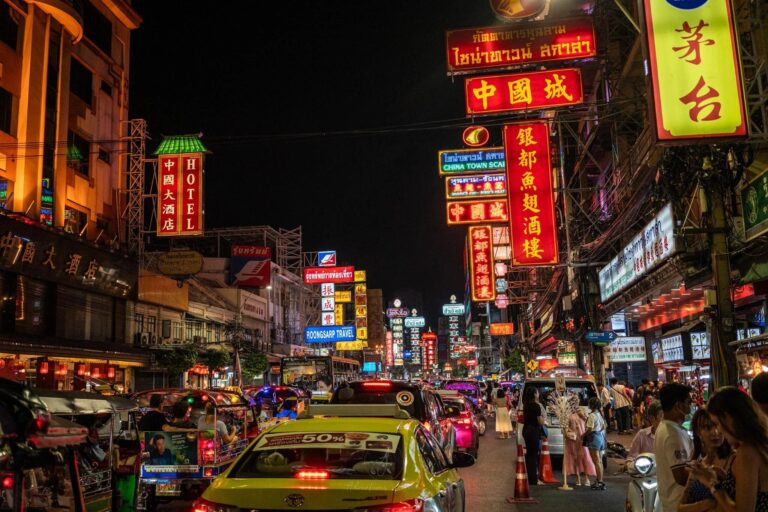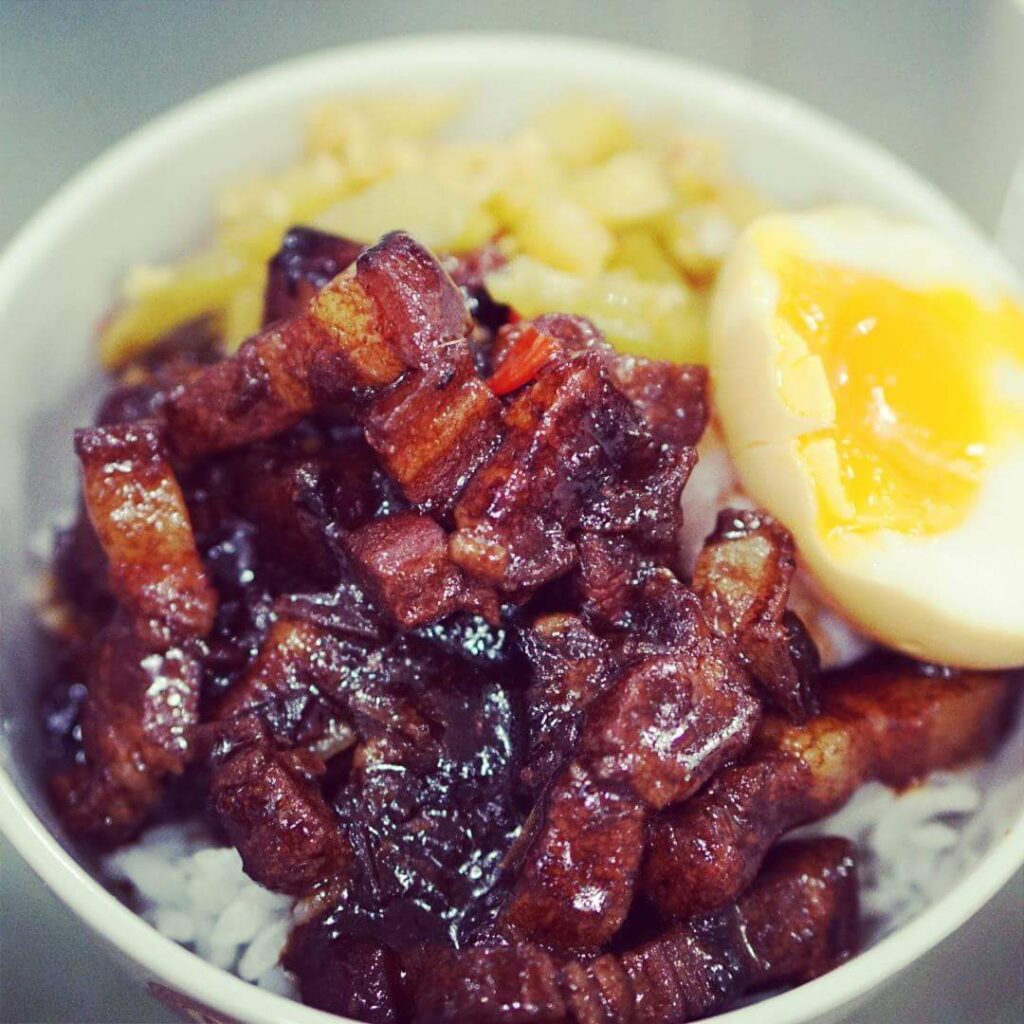
At a Taiwanese street stall, the braised pork sauce sits on the rice rather than disappearing into it, coating the short, sticky grains in a glossy layer. The bowl looks simple, but even its texture carries traces of somewhere beyond the stall.
Braised pork rice, known locally as lurou fan, is often explained in a simple way.
It was born in poor times, a method for making cheap scraps of meat taste good.
That seems only half true.
The explanation feels short in range.
This bowl did not complete itself only in Taiwan’s back alleys.
Its outline appears much earlier, in older records from the Chinese mainland.
It crossed the Eurasian landmass.
It crossed the sea.
It passed through the years of Japanese rule.
And it settled into the form now seen at street stalls.
When I think of it that way, the dish begins to look less like food history.
It starts to resemble a memory of survival, kept warm.
At times, a familiar bowl on a plastic table looks slightly different.
Before the Common Era: A King’s Dish Called Chun’ao
To look for an origin is to move suddenly backward in time.
The trace appears in an old Confucian text, the Rites of Zhou.
The book is said to describe the systems and rituals of the Zhou dynasty.
Inside it is a list of eight delicacies served to the king.
One of them is called chun’ao.
The description is brief.
It does not provide precise quantities or detailed technique.
Still, the structure is unexpectedly clear.
A meat paste is simmered.
It is poured over rice.
Fat is added on top.
That is all it says.
The word used for the paste points to something older than seasoning.
It suggests fermented meat, salt, spices, and stored umami.
Simmer it.
Pour it onto rice.
Layer fat above it.
This sequence resembles the basic sensation of the modern bowl.
A thick sauce lands on white grains.
Fat clings, then spreads.
The rice becomes coated rather than soaked.
Three thousand years ago, this was not poor food.
It belonged to rulers and nobles, as something refined.
The dish does not seem to have begun as a modest meal.
A Preserving Method That Crossed the Sea: Lu
Time moves forward.
The setting shifts to the Qing period.
Migrants crossed from Fujian to Taiwan.
What they carried was not a single dish, but a method of keeping food stable.
It was lu, a way of simmering with soy sauce and spices.
Its purpose was preservation before it was taste.
A pot of simmering liquid could be reused and replenished.
It was not only flavor.
It was a device that supported daily life.
For people crossing rough water toward uncertain land,
the habit of keeping and “raising” a pot of broth meant less waste.
It was a practical form of continuity.
Here, the bowl changes its character.
From a king’s delicacy to a settler’s dependable meal.
Not something rare.
Something repeatable.
A small certainty for days that did not offer many.
Japanese Rule: The Rice That Changed the Bowl
There is one turning point that appears again and again in this story.
The rice changed.
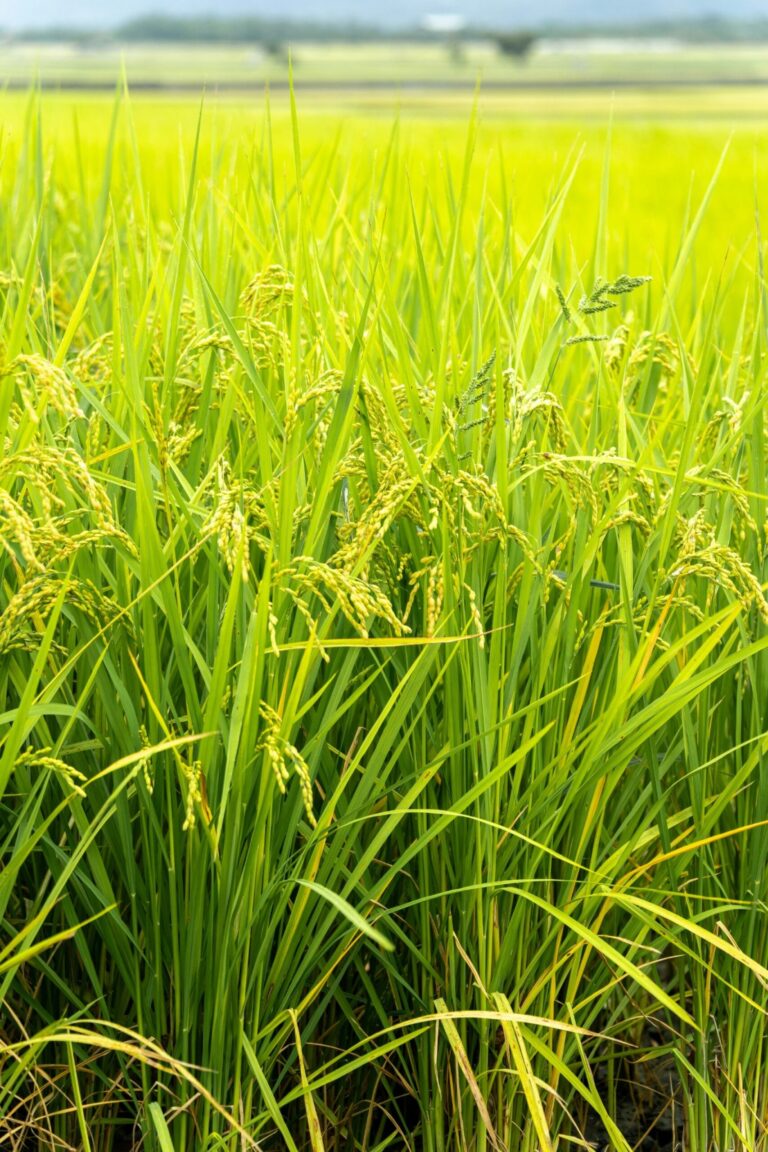
Earlier in Taiwan, local varieties were common.
Some were closer in nature to long-grain rice, dry and loose.
When sauce is poured onto such rice, it can sink too far in.
The grains become heavy.
The shape of a bowl as a bowl begins to blur.
Then Japanese rule brought a new kind of rice into wider use.
A short-grain variety, improved and standardized.
It had stickiness.
It had a mild sweetness.
It held together even without sauce.
This rice met the pork sauce.
A thick, collagen-heavy layer from pork skin could cling to the grains.
The liquid did not disappear into the bowl.
It stayed near the surface, coating rather than flooding.
Sticky rice and glossy sauce.
This pairing completed the familiar modern texture.
The taste is Taiwanese.
But part of the structure depends on something imported.
A local dish supported by outside elements, without announcing it.
After the War: Fuel for the Economy
After the war, in the 1960s and 70s, Taiwan entered a period of rapid growth.
The era later called the Taiwan Miracle.
In those years, the bowl became a worker’s energy source.
Lunch breaks were short.
Meals had to be quick, heavy, and reliable.
This dish delivers carbohydrates and fat at once.
It sits in the stomach.
It lets the body return to movement.
It is not luxury.
It meets the required conditions.
The question of pork skin remains here as well.
There is an explanation that it was cheap.
But cheapness alone does not fully describe it.
Fast calories and lasting fullness mattered.
The texture of fat was also a kind of efficiency.
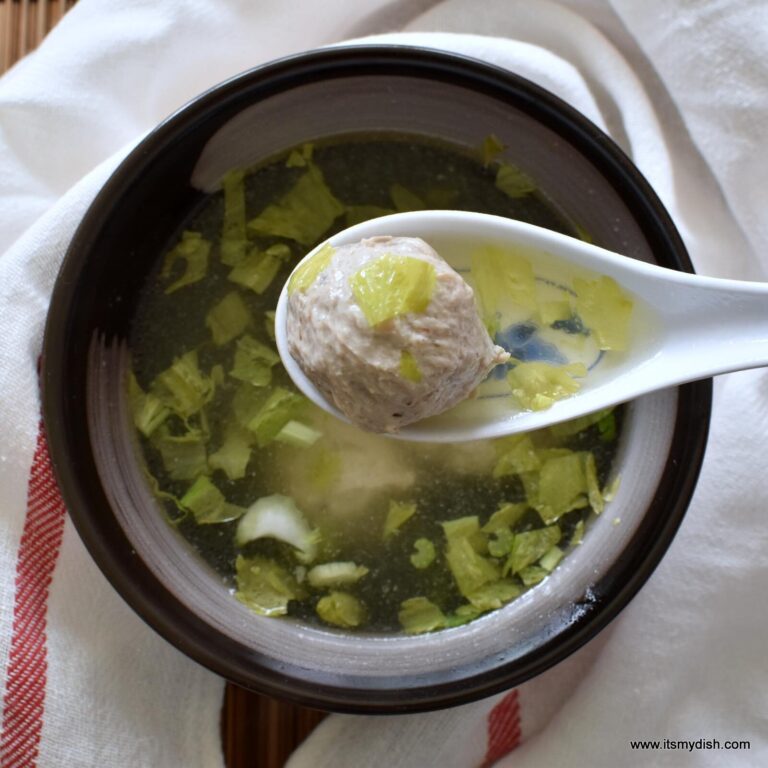
Workers ate the bowl with meatball soup.
They swallowed quickly and went back to the site.
In that sense, the dish was fuel.
Not as a metaphor, but as something literal enough to be felt.

From Everyday Food to Identity
For a long time, it was simply daily food.
Too common to require words.
Then, after what some call the “Michelin incident” in 2011,
the atmosphere shifted slightly.
A misunderstanding from outside strengthened awareness inside.
This movement appears from time to time in Taiwan’s food culture.
Now it is said that the dish is served even at formal state banquets.
A bowl once far from power returns, in another form, to the center.
It remains plain.
It does not shine on the table.
But it can stand quietly as something that supports a country.

History Seen at the Bottom of the Bowl
To eat this bowl is not only to eat pork over rice.
It is also to touch the shadow of an ancient recipe,
to sense a migrant’s method of preservation,
to benefit from rice improved under Japanese rule,
and to absorb the heat of postwar labor.
Inside a small bowl, the island’s history is simmered together.
Complex, practical, and durable.
When I think of that, a street stall serving feels slightly heavier.
Not in a moral way.
The weight rises with the steam.
It fades by the time the bowl is finished.
Perhaps this dish carries history at that distance.
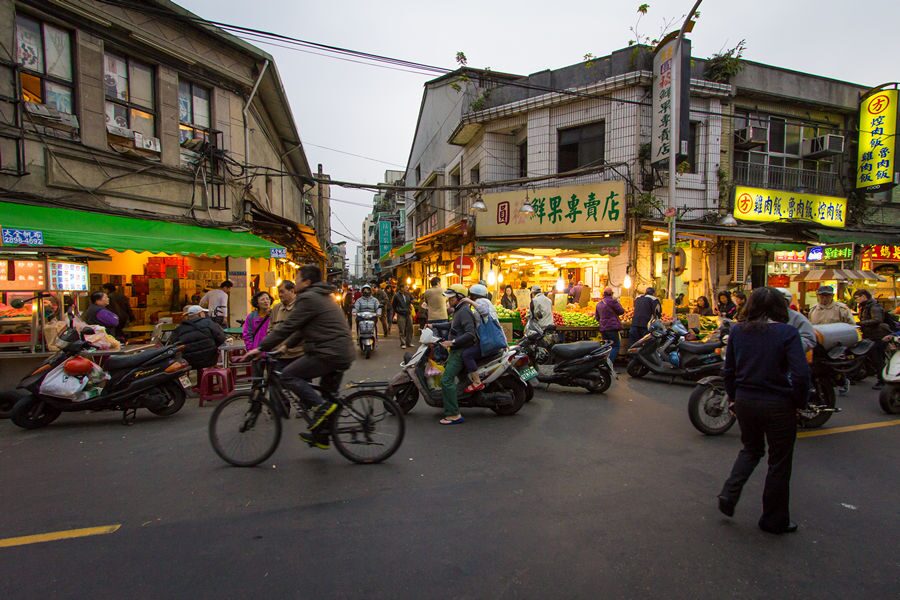
— Detour —
a little further to walk