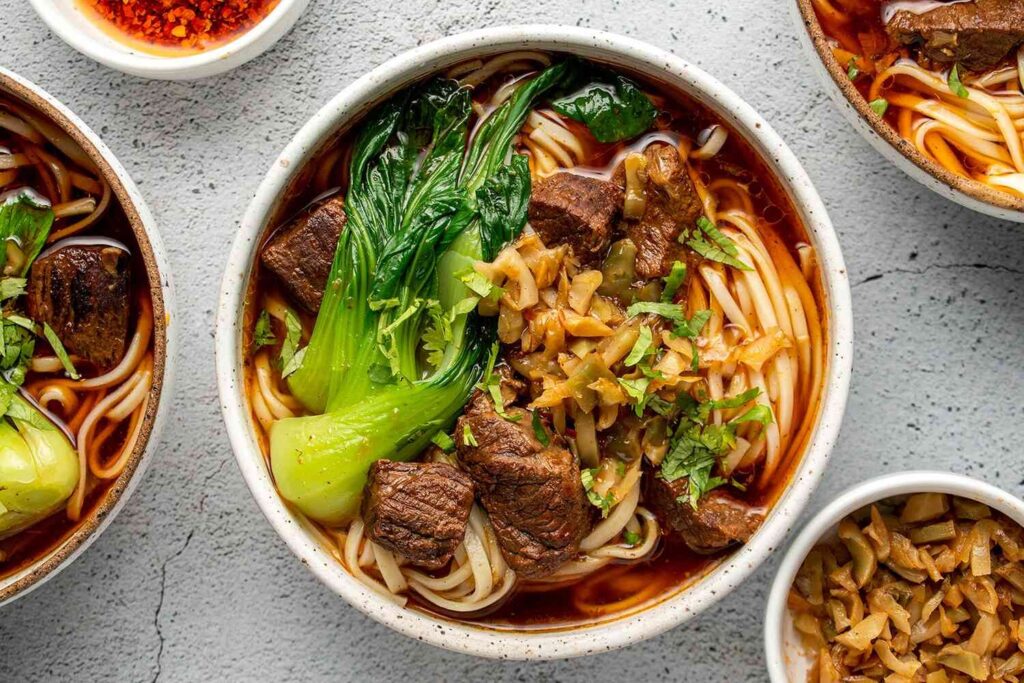
A record of Din Tai Fung, Chun Shui Tang, and SunnyHills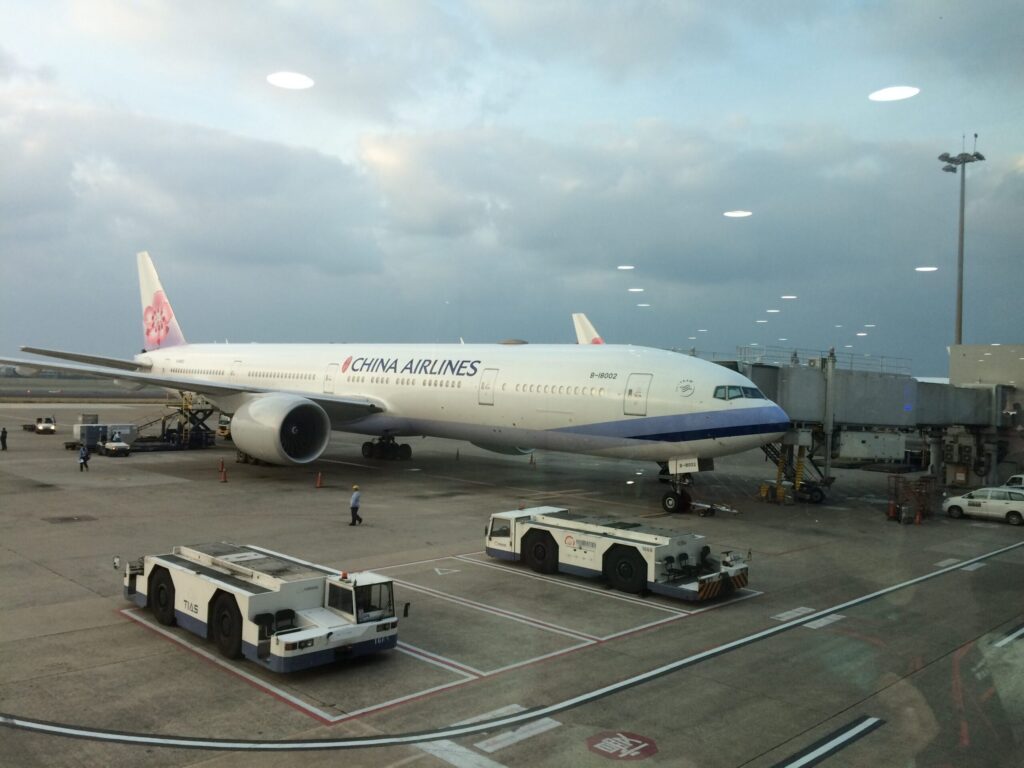
Walking through Japan or other cities abroad, Taiwanese brands enter the field of view on their own.
Not because I search for them.
Because they are placed where people naturally pass.
85°C.
Sushi Express.
Gong cha.
Chatime.
CoCo.
They sit inside station-front complexes, or along airport corridors.
They line up beside local chains with the same calm face.
The signs are not loud.
The flavors are not designed to shout “Taiwan.”
They simply exist.
This state of “being normally there” feels slightly interesting.
A country’s image is usually described with large words.
In practice, cups and paper bags arrive first.
Unofficial Ambassadors
Taiwan was once framed as a subcontracting island for electronics.
Industrial parks and ports.
Export numbers.
That kind of outline.
Now the image is different.
Refined. Familiar. Creative.
This shift was not produced by government messaging.
It was carried by private food companies.
Their signs crossed borders before speeches did.
There are two names that shaped this change through two products.
xiaolongbao, and bubble milk tea.
And there is a third case that followed after.
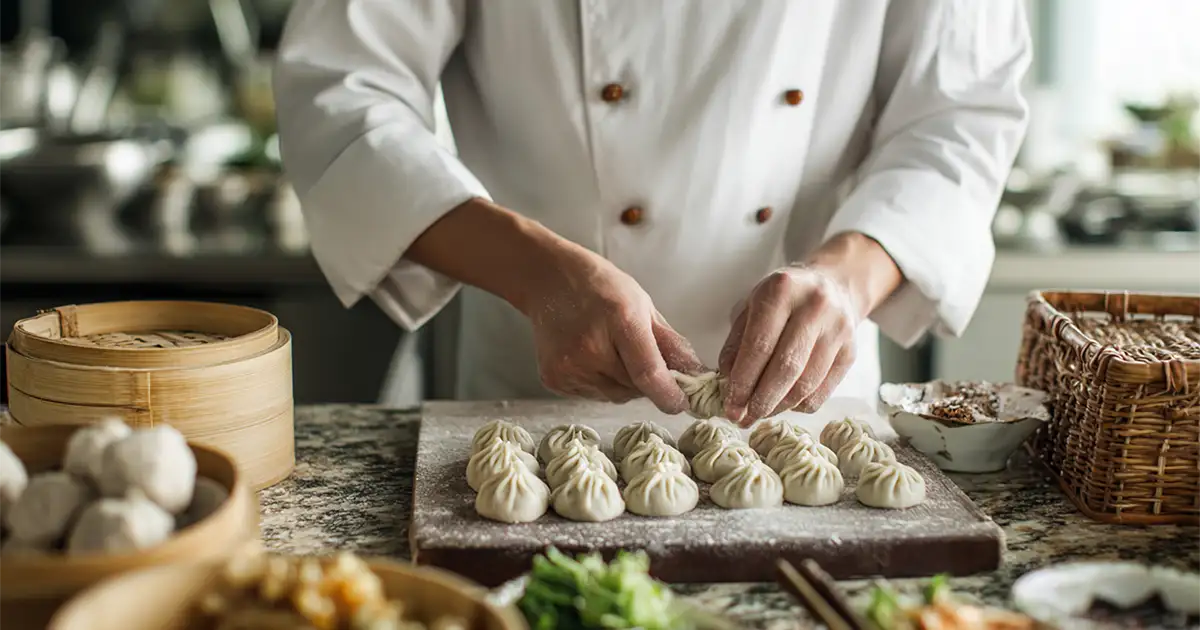
Din Tai Fung
Din Tai Fung does not only sell dim sum.
It seems to run a different kind of business.
It takes Shanghai-style dumplings and redefines them through a Taiwanese logic of precision.
There is quantification.
A craft once guided by intuition becomes a specification: 18 folds, 21 grams.
There is visibility.
The kitchen is placed behind glass.
Sanitation and process are not hidden.
The production line itself becomes an explanation.
There is standardization.
The flagship and overseas branches aim for the same output.
Education and control replace individual variation.
Something spreads as a result.
Old stereotypes about Chinese food—greasy, unhygienic—lose force.
A Taiwanese dining room can look as disciplined as French or Japanese service.
And one more thing remains, almost like air.
The sense that Taiwanese work is clean and accurate.
A dumpling on a spoon connects directly to an industrial reputation.
Chun Shui Tang
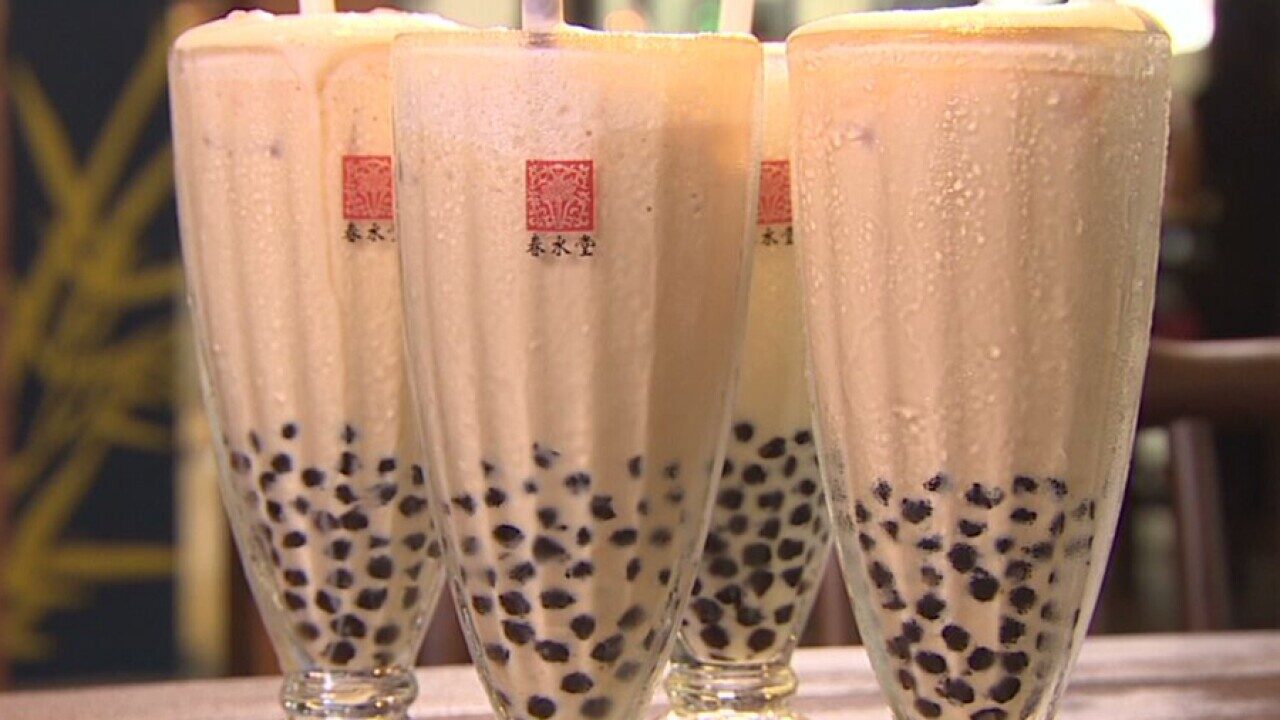
Chun Shui Tang does not only sell drinks.
It edits a traditional tea culture into a modern luxury of habit.
There is a technical transfer.
A cocktail shaker enters the tea world.
Tea is cooled fast, foam is produced, texture becomes part of taste.
There is a fusion of categories.
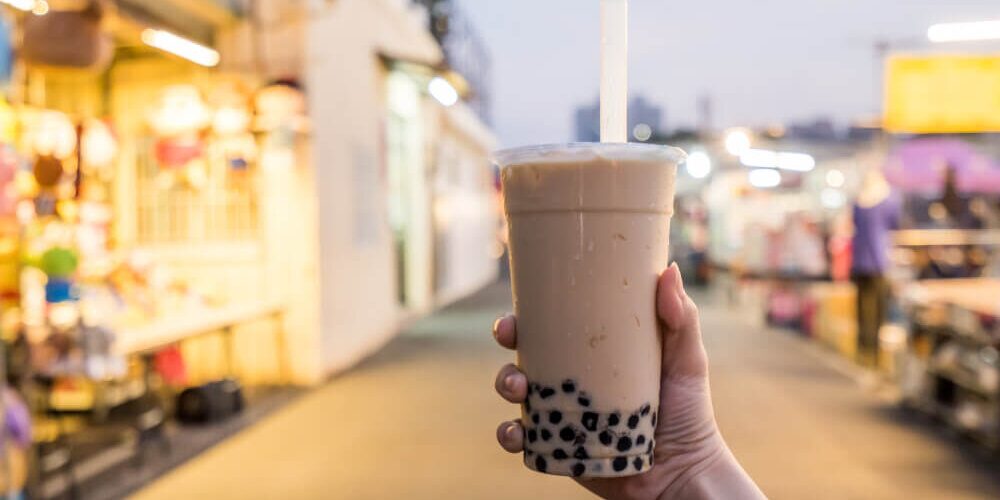
Tapioca pearls, once a local dessert, are placed inside milk tea.
Tea becomes something you drink and chew.
A beverage turns into a handheld meal.
Yet the company keeps the room.
While stand-style shops spread everywhere, Chun Shui Tang preserves the tea house format.
There are flowers.
There may be a hanging scroll.
A space remains behind the cup.
What crossed borders was not only the drink.
The idea that tea is an old person’s habit weakens.
Tea becomes something young people carry.
Bubble tea settles as a global category.
Not a subgenre, but a fourth lane beside coffee, tea, and soda.
Taiwan’s flexibility—mixing tradition with invention—becomes visible here.
A Third Case: SunnyHills
After the brand structures of Din Tai Fung and Chun Shui Tang, there is a later example that leans toward ingredients and attitude.
SunnyHills.
SunnyHills does not only sell souvenir sweets.
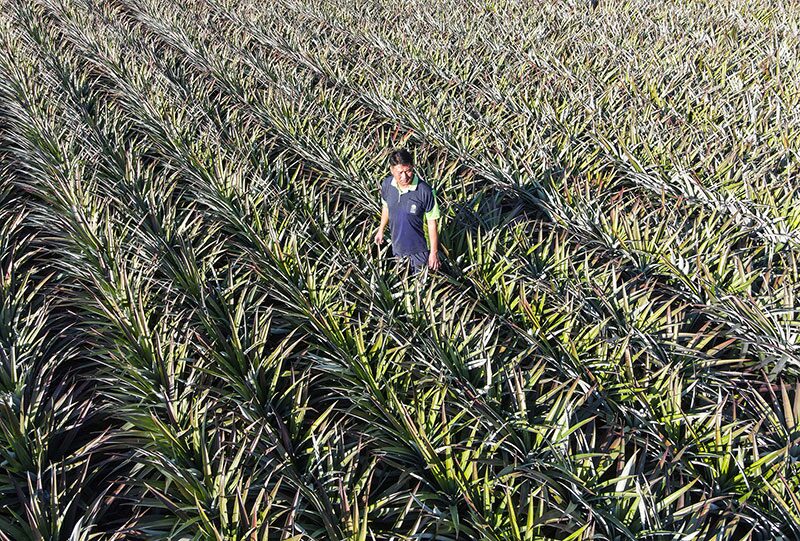
It turns agriculture into a branded industry, then raises it into hospitality.
Its choices are clear.
There is a return to origin.
Pineapple cake fillings often used winter melon to soften cost and texture.
SunnyHills moves back to 100% Taiwanese pineapple.
The fibers stay rough.
The acidity stays sharp.
The product asks the customer to accept sourness as part of quality.
There is also service as a rule.
Visitors are offered tea and a full cake, even before buying anything.
This was kept even in expensive locations such as Minami-Aoyama in Tokyo.
What spreads is not only the sweet.
It is the idea that Taiwanese fruit can carry brand power.
And another thing becomes visible.
A Taiwanese habit of warmth, offered before profit.
Packaging and advertising come later.
A first bite is given first.
Why These Brands Crossed Borders
Din Tai Fung, Chun Shui Tang, and SunnyHills work in different fields.
But their posture abroad seems to share a few points.
One is an obsession with reproducibility.
Din Tai Fung fixes quality through specifications.
Chun Shui Tang stabilizes taste through mixing technique.
SunnyHills narrows ingredients and standardizes the act of serving.
None of them rely on lucky nights.
They build systems that do not collapse when the store count grows.
Another point is that they do not discard local culture too far.
Din Tai Fung exports glass kitchens, but keeps dim sum as it is.
Chun Shui Tang brings in shakers, but preserves the tea house.
SunnyHills sells in prime city blocks, but keeps the rural etiquette of offering tea.
Globalization often becomes flavorless.
Taiwan’s brands seem to stop one step before that.
They remain portable, but not emptied.
They also do not explain Taiwan.
They hand over texture first.
The heat of steam.
The foam on the tongue.
The sourness that stays.
The body understands before the mind finishes its sentence.
That order is strong when crossing borders.
Diplomacy That Dissolves Into Daily Life
Din Tai Fung packages technique.
Chun Shui Tang packages editing skill.
SunnyHills packages climate and land.
They point in different directions, yet each makes Taiwan portable.
These are not passing trends.
They have become part of the daily scenery of global cities.
Inside malls.
Near stations.
At the edge of tourist zones.
Taiwan is consumed there without special explanation.
Political borders do not matter much here.
Where these shops stand, a small territory of sensation is created.
Not by flags, but by menus.
Good brands speak for a country more than long words do.
They do it without raising their voice.
Today again, steam baskets, shakers, and pineapple boxes continue to rotate.