On a Taiwanese menu, “dry noodles” can be the only item whose name gives no hint of what will arrive. The bowl looks almost bare until the chopsticks reach the sauce waiting underneath.
Holding an order slip in a Taiwanese eatery, there is sometimes a moment of hesitation.
Beef noodle soup, sesame noodles, minced pork noodles.
The names suggest their flavors.
Then there is one line written with only two characters.
Dry noodles.
No explanation of taste.
No mention of toppings.
Checking this box feels like choosing the unknown.
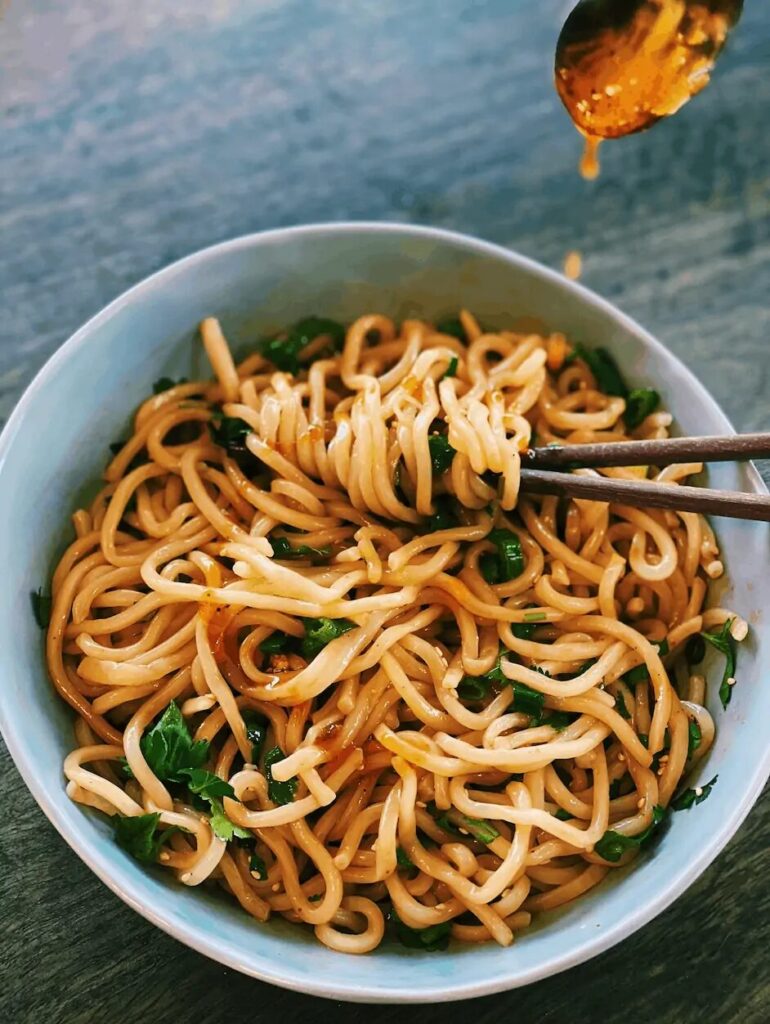
What arrives is almost disarmingly simple.
Noodles with almost nothing on top, dressed only in lard and soy-based sauce.
In Japanese terms, it is like udon without broth.
A dish where the skill of the shop is left fully exposed.
A bowl with three layers
At first glance, the bowl may disappoint some visitors.
Only pale noodles are visible.
But dry noodles have a three-layer structure.
On top, a modest garnish.
Boiled bean sprouts or chives.
If you are lucky, one or two thin slices of pork.
In the middle, the noodles.
Often a medium-width, flat white noodle similar to yangchun noodles.
Freshly boiled, still neutral in character.
The true center is at the bottom.
In a place you cannot see, a dark brown liquid waits.
Lard.
Thick soy sauce.
Fried shallots.
A small amount of seasoning.
This is what dry noodles are made of.
Turn the bowl within thirty seconds
Dry noodles have a rule.
You do not eat them gently from the top.
If you do, you will only taste plain noodles.
The moment they arrive is decisive.
Before the noodles settle, push the chopsticks to the bottom of the bowl.
Lift from below and turn everything over.
There is no need for hesitation.
The noodles take on the sauce and fat, changing from white to amber.
The scent of lard and fried shallots rises all at once.
Only then is the bowl complete.
A dish that eats fat
Dry noodles are not about toppings.
They are about fat.
They are lighter than Japanese abura-soba.
Less elaborate than mixed noodles.
What remains is the sweetness of lard.
The depth of soy sauce.
The aroma of fried shallots.
Because there is nothing to hide behind, the wheat and animal fat reach the tongue directly.
Simple, but deeply satisfying.
It is easy to understand why people eat this often.
Sorting out similar names
There are many noodles with similar labels.
It helps to separate them.
Dry noodles are the most plain.
Lard and soy sauce.
Usually the cheapest option, and a measure of a shop’s fundamentals.
Sesame noodles center on sesame paste.
Thick and heavy.
A different dish entirely.
Minced pork noodles emphasize the meat topping.
Saltier, closer to eating the garnish itself.
Dry yimen use curly noodles instead.
The sauce may resemble dry noodles, but the texture changes everything.
Why soup is necessary
Few people eat dry noodles alone.
The reason is simple.
The mouth grows heavy halfway through.
So a soup is always added.
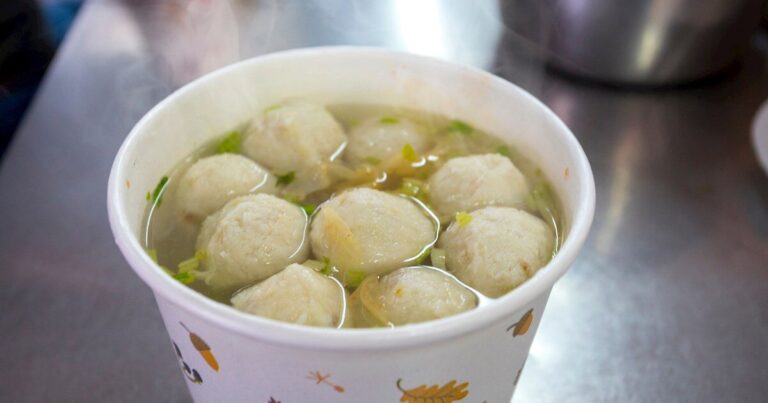
Fish ball soup.
Gongwan soup.
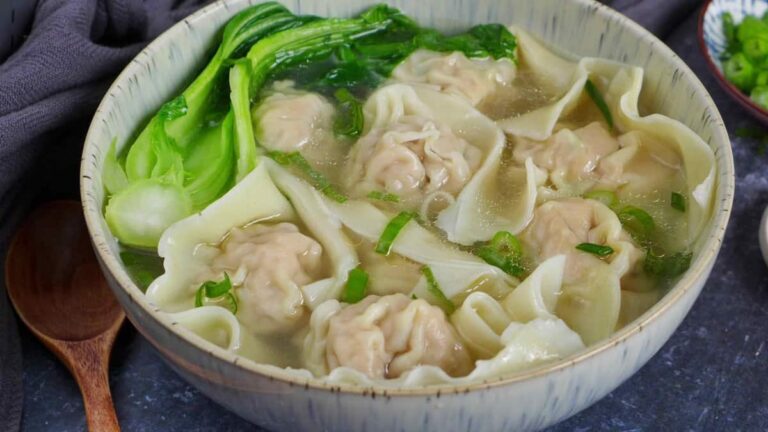
Wonton soup.
All are light.
A bite of noodles, then a sip of soup.
This back-and-forth completes the meal.
Dry noodles exist as part of a set, not as a solitary dish.

Returning to the origin
Dry noodles are plain.
They do not photograph well.
They rarely appear in guidebooks.
But avoiding these two characters means missing the core of the Taiwanese table.
Good noodles.
Good fat.
The idea that this alone is enough.
When you see dry noodles on a menu, it is worth checking the box without fear.
What you find there is a quiet flavor that supports everyday life in Taiwan.
— Detour —
a little further to walk
- Notes on Dry Beef Noodles in Taiwan
- Notes on Noodles in Taiwanese Beef Noodle Soup
- Notes on Fish Ball Soup in Taiwan