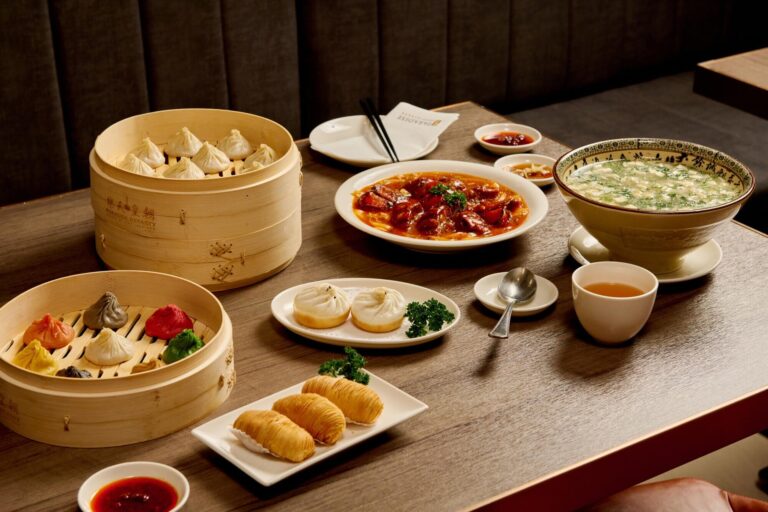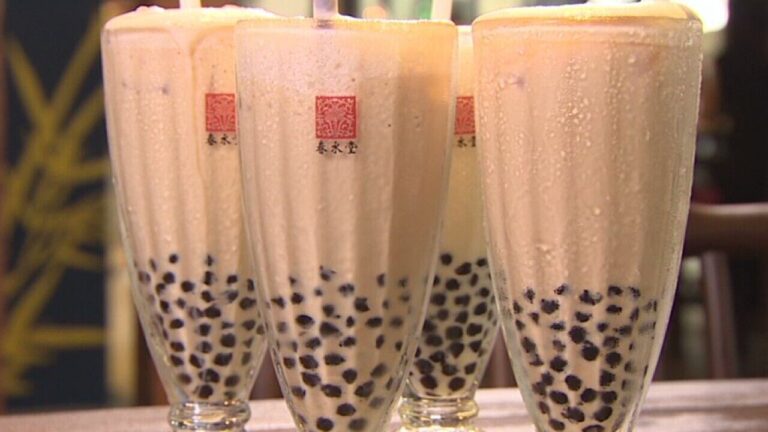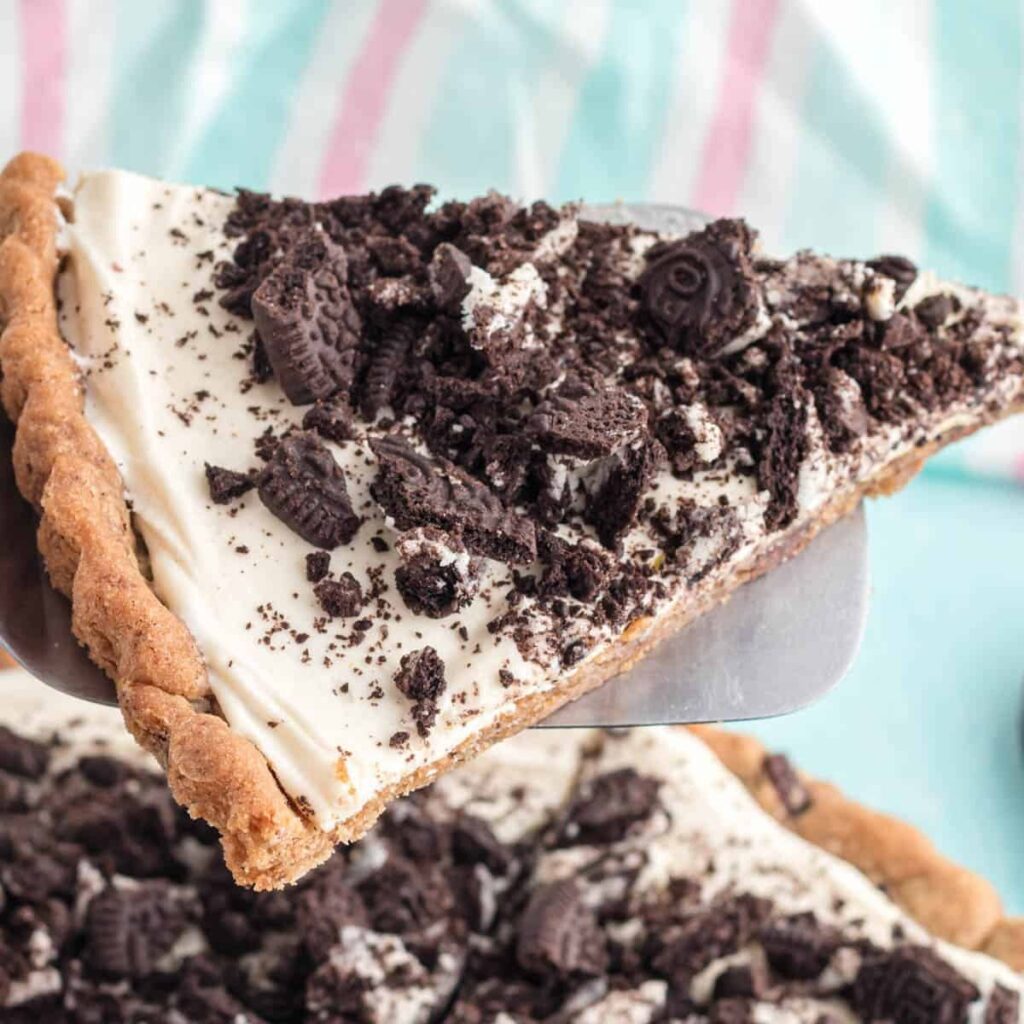
At a Pizza Hut in Taiwan, pepperoni and margherita sit beside pizzas topped with tapioca pearls, crushed Oreo, fried chicken, or mochi. The menu reads less like a fixed category than a collection of things that happen to fit inside a round box.
When I first looked into a Pizza Hut in Taiwan,
many visitors seem to share the same reaction.
Is this meant as a joke?
Next to familiar margherita and pepperoni,
there are names that ignore context entirely.
Tapioca.
Oreo.
Fried chicken.
Mochi.
It feels less like a pizza shop,
and more like a night market stall that wandered into a round box by mistake.
From a tourist’s point of view,
this looks like a foreign chain that has lost its way.
It is easy to imagine Italians fainting.
But with a small shift in perspective,
this oddness begins to take on a different meaning.
Specific Names Make It Worse
The issue with Taiwan’s Pizza Hut is not abstract discomfort.
The names themselves are already strange.
Tapioca Milk Tea Pizza.
A sweet milk tea sauce scattered with brown sugar pearls.
Oreo Cheese Pizza.
Melted cheese covered with crushed cookies.
Taiwanese Fried Chicken Pizza.
Night market salt-and-pepper chicken placed at the center.
Mochi Pizza.
Glutinous rice dough replacing cheese, or hidden in the crust.
Each one ignores the European definition of pizza entirely.
At least, that is how it appears.
It Does Not Collapse Within Local Logic
What matters is that none of this feels particularly abnormal to Taiwanese customers.
There are a few assumptions at work.
Sweet and savory do not oppose each other.
Texture can matter as much as flavor, sometimes more.
Finished products may be taken apart and rebuilt.
Seen this way,
tapioca and Oreo stop being jokes.
Tapioca adds resistance, not taste.
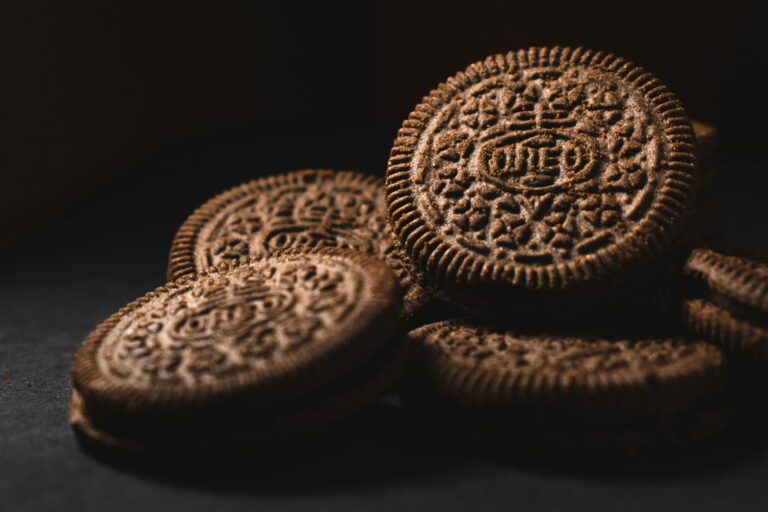
Oreo functions as a hard, dark foreign body—textural noise.
Fried chicken needs no explanation.
In Taiwan, deep-fried food does not conflict with staples.
Pizza is transformed here.
Not a dish to appreciate wheat,
but a round surface for arranging textures and oil.

Pizza Hut Is Not Misreading Taiwan
What is striking is how consistent this localization is.
Add chewiness.
Lean toward sweet and salty.
Create visual surprise.
Leave room for sharing online.
These are the same principles long used by night markets, convenience stores, and cafés.
Taiwan’s Pizza Hut is not betraying Italy.
It is translating Taiwan.
The Tourist’s Confusion Is Correct
So the first reaction—what is this—is not wrong.
It is a gate everyone passes through
when seeing only the surface of local culture.
Putting something hard into a soft world.
Mixing foreign matter into uniform taste.
Returning finished products back to raw materials.
Pizza Hut simply performs this logic
in the most visible and extreme way.
Closing
Pizza Hut in Taiwan is strange.
But not because it is confused.
It is the result of a direct collision
between visitors’ assumptions and everyday Taiwanese life.
When the box opens,
Italy is not inside.
But the outline of Taiwan is,
unexpectedly clear.
— Detour —
a little further to walk
- Notes on Oreo as Black Gravel in Taiwan
- Notes on How Taiwan Turns Foreign Food into Q
- Notes on Oyster Omelets in Taiwan