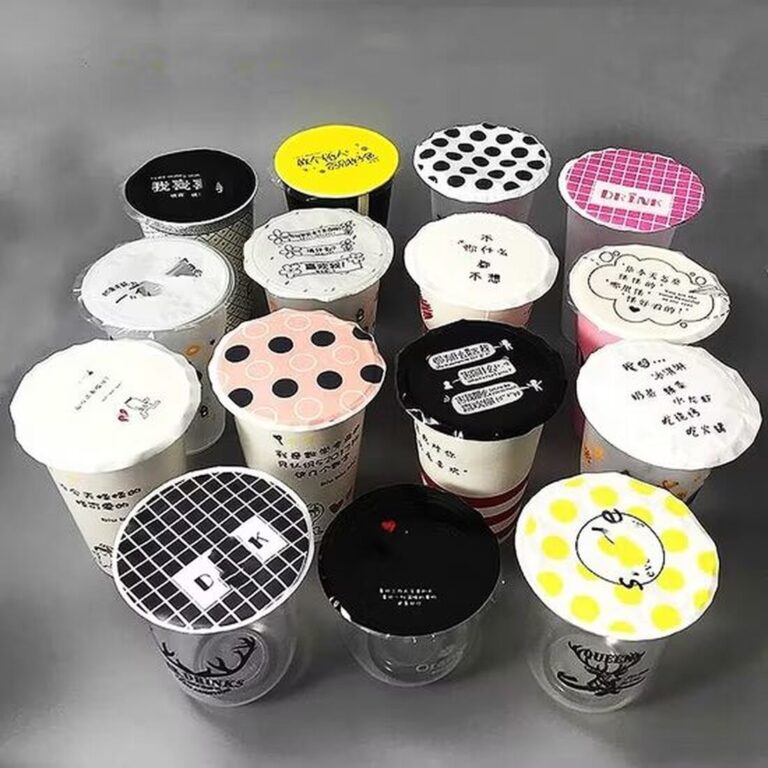
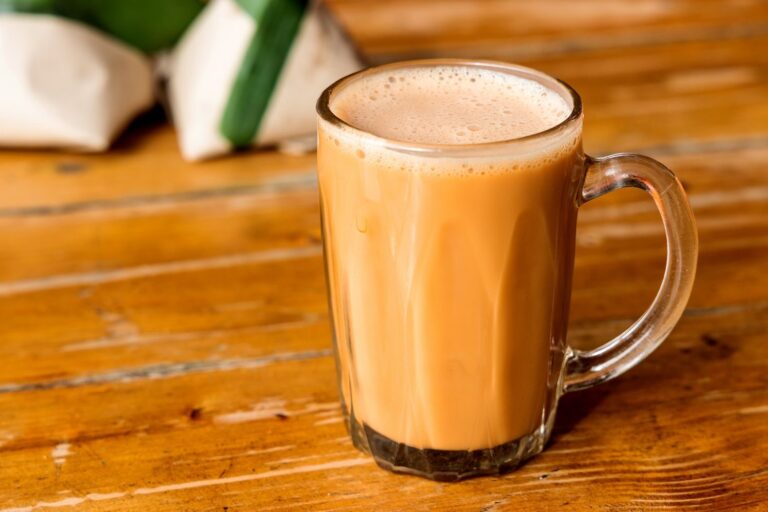
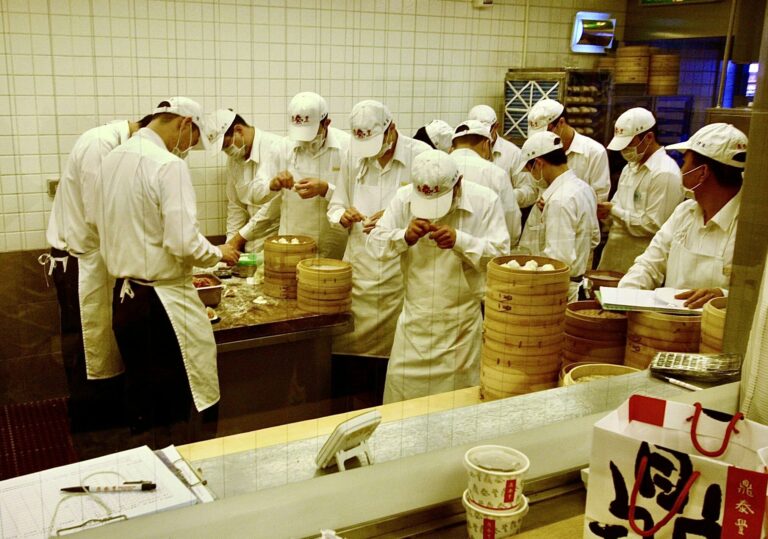
In Paris, Tokyo, and New York, black tapioca pearls rise through the same wide straw beneath drinks with different names and colors. The cup can look local while its basic choreography remains remarkably familiar.
Bubble milk tea, known in Taiwan as zhenzhu naicha, was not designed as a global product.
It did not begin with export policy or brand strategy.
It traveled first in the luggage of migrants.
Carried in Migrants’ Suitcases
In the 1990s, on the west coast of North America, small shops appeared.
San Gabriel Valley in Los Angeles.
Monterey Park.
Rowland Heights.
Richmond near Vancouver.
They were simple places.
A corner of a Chinese restaurant.
A dim café open late.
Most customers were Asian.
This was not a trend.
It was an extension of homesickness.
At that stage, the drink was an ethnic object.
It did not need to explain itself.
It only needed to be recognized.
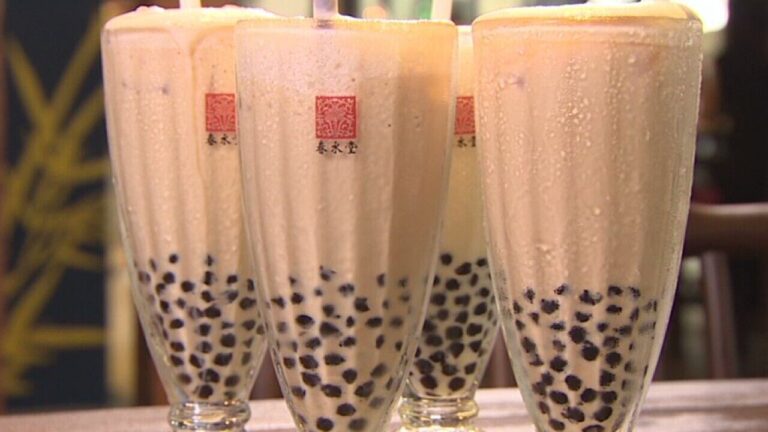

Freshness and white powder
The next change came in the 2000s.
The problem was clear.
Milk spoils.
Tea leaves age.
Freshness does not travel well.
Taiwanese companies answered with powder.
Creamer.
Concentrated syrup.
Dried tapioca pearls.
These were made for shelf life.
It was a compromise in taste.
It was also a turning point.
With powder, hot water, and ice,
eighty percent of the same flavor could appear anywhere.
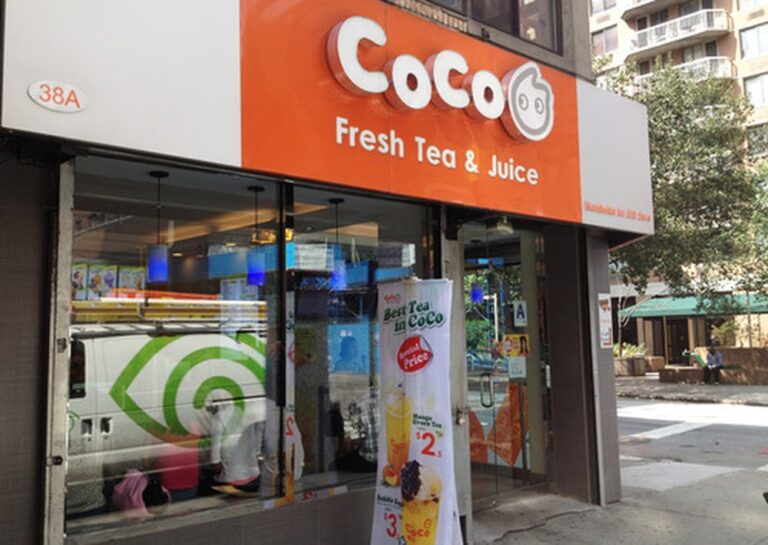
Chains like CoCo and Chatime proved this.
No skilled tea maker was needed.
Only manuals and measurements.
The shop became an assembly line.
The drink became a format.
A place called Boba Life
In the 2010s, the scene returned to North America.
This time the center was the second generation.
For many Asian Americans, coffee chains felt distant.
Not by language.
By atmosphere.
After school, they gathered elsewhere.
Sharetea.
Quickly.
Ten Ren’s.
Here, a phrase took shape.
Boba Life.
Drinking this beverage became a small sign of belonging.
Videos and social media carried it outward.
The black pearls changed from something strange
into something cool.

Capital and platforms
When the market was ready, large capital arrived.
HEYTEA.
Nayuki.
Mixue.
They followed the Taiwanese format.
They added fruit teas, cheese foam, bright interiors.
Their speed and budgets were different.
At this point, the drink was no longer a fad.
It became a platform.
Like coffee or soda.
What Taiwan had built was not only a cup.
It was a standard that could be repeated anywhere.
Calories as soft power
The spread of this drink cannot be explained by taste alone.
There was preservation.
There was powder.
There were migrant networks.
There was identity.
The black pearls are now lifted in Paris, Tokyo, and New York.
A quiet kind of diplomacy,
moving through straws.

— Detour —
a little further to walk
- Notes on the Evangelists of Bubble Milk Tea in Taiwan
- Notes on Bubble Milk Tea and Its Quiet Revolutions in Taiwan
- Notes on the Birth of Taiwanese Tapioca