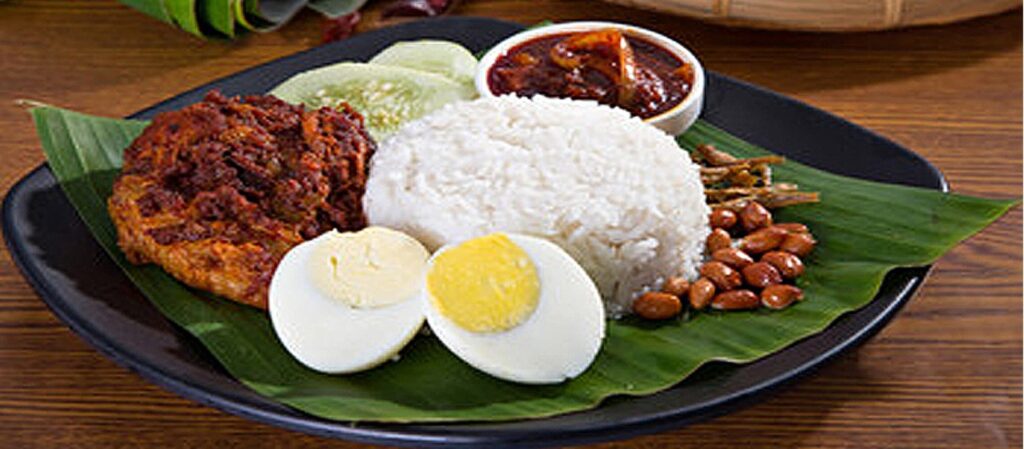
In Kuala Lumpur, nasi lemak arrives as a small triangle of rice, anchovies, sambal, and fried chicken—the kind of breakfast people joke about as a shortcut to weight gain. In London, the same combination can appear as a £15 brunch plate, described with the calm language of health food.
In 2016, TIME published a list of ten healthy international breakfasts.
Turkey’s breakfast was there.
Japanese rice porridge was there.
Malaysia’s rice plate was there as well.
The news reached Malaysia.
Reactions looked similar.
Laughter came first.
People said it was a heart attack on a plate.
They said it was the breakfast that makes you gain weight fastest.
In the West, it was accepted with a straight face.
It was introduced as healthy.
It was consumed quietly.
There is a gap in recognition.
Why does the gap appear.
The reason seems less about taste itself, and more about how words are handled.

Coconut health laundering
After the 2010s, eating habits in the West shifted.
Keto diets spread.
Paleo diets spread.
Fat, once the villain, returned.
In that return, coconut oil was lifted up.
Medium-chain fats, called MCT, were treated as good oil that burns easily.
It gained a kind of status.
The simple story that fat makes you gain weight weakened.
A new story entered.
If the fat is good, it can even make you lean.
Coconut sat at the center of that story.
TIME’s article rode that current.
It did not touch the sugar of rice.
It did not touch fried anchovies.
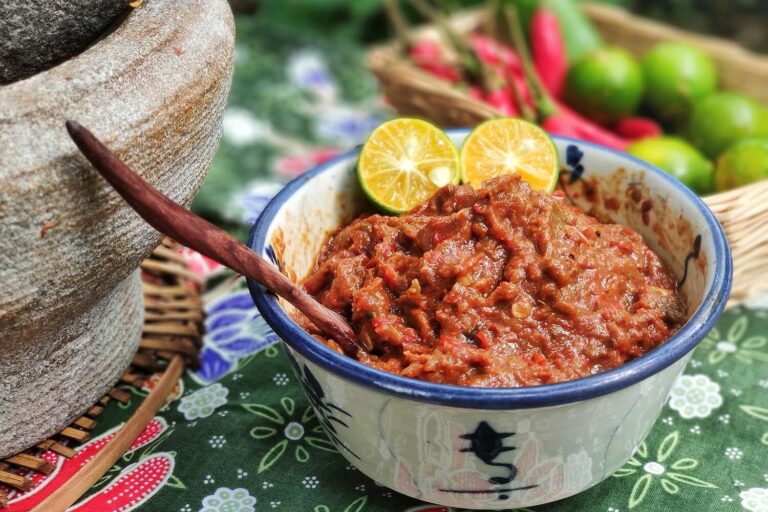
It did not look long at oily sambal, sambal (Malay chili paste).
The focus narrowed to one point.
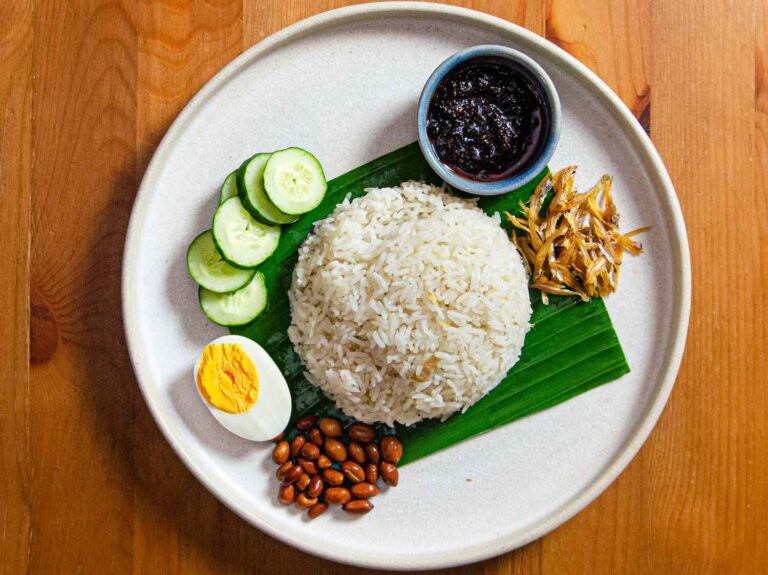
Rice cooked with coconut milk.
Therefore healthy.
Facts are trimmed.
The dish becomes something else for London hipsters.
An Asian superfood that can be eaten without guilt.
It gains that label.
The metabolism myth of sambal
Coconut is not the only thing that draws London.
Sambal is given another meaning as well.
From a Western view, a hot sauce looks healthy.
Capsaicin raises metabolism.
It helps burn fat.
That logic circulates.
So the red paste is read as a good stimulus.
Spicy equals healthy.
The association is simple, but strong.
The structure is different.
Real sambal is close to jam cooked with oil and sugar.
Sweetness hides inside the red.
Water is driven off by heat.
Oil separates and floats.
That is the finished form.
It is designed for keeping and for depth, not for metabolism.
Behind the heat sit sugar and oil.
From the side that knows this, health language can look slightly comic.
Still, that comedy helps export.
Ayam goreng wearing a protein mask
There is another element London reads in a convenient way.
Ayam goreng, ayam goreng (Malay fried chicken).
In the West, carbohydrates become a kind of sin.
Protein is placed as atonement.
Chicken is healthy.
That formula exists.
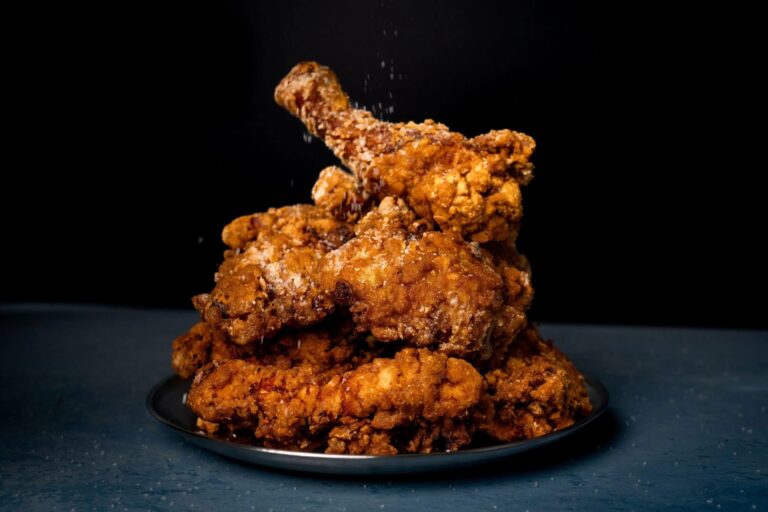
But the chicken on this plate is not steamed meat.
It is marinated in spices and fried until crisp.
The coating is dry.
The oil becomes fragrance.
When I chew, fat returns.
It is fried food wearing a protein mask.
That is closer.
And that is part of the appeal.
Even if health is the official reason,
the private reason is often fat tasting good.
This fried chicken satisfies both at once.
Why London takes to it
The reason London accepts it is not only health trends.
There is also a taste compatibility.
Britain already has rice pudding.
Sweet rice is not foreign.
The sweet scent of coconut does not feel like an intruder.
There is also curry culture from the colonial era.
Heat is not unfamiliar.
Sambal enters as a known stimulus, not as unknown violence.
Modern London also leans hard toward gluten-free.
Avoiding wheat becomes a health passport.
A rice dish benefits from that.
Better than pancakes.
Better than eggs Benedict.
A kind of elimination works as well.
The reasons sit across taste and health at the same time.
A fifteen-pound plate
In Kuala Lumpur backstreets, it sells for two ringgit.
A small unit wrapped into a triangle.
It is fuel that turns a worker’s morning.
In London, it becomes a plated dish.
In Shoreditch or Soho, it becomes twelve to fifteen pounds.
The same food becomes a different class object.
Gentrification moves fast, even on a plate.
There it is not a worker’s meal.
It becomes weekend brunch fashion.
It is arranged to be photographed first.
Near Euston Station, a line forms at Roti King.
White diners stand in it.
They eat with their hands, hand eating (eating with fingers), sweating as they go.
Two kinds of happiness sit there.
An official story: it is healthy, so I eat it.
A private story: fat and sugar taste good, so I eat it.
The two do not fight on the same plate.
They coexist.
That looks like London’s strength.
A happy misunderstanding
Whether it is healthy is not the point.
What matters is that a false health image became a passport.
With that passport,
a Southeast Asian masterpiece gains the right to sit on a Western table.
It appears on brunch menus without apology.
I look at the red oil left on the plate.
There is no way this is good for the body.
I think that.
Then I allow it, because it tastes good.
That decision looks universal.

— Detour —
a little further to walk