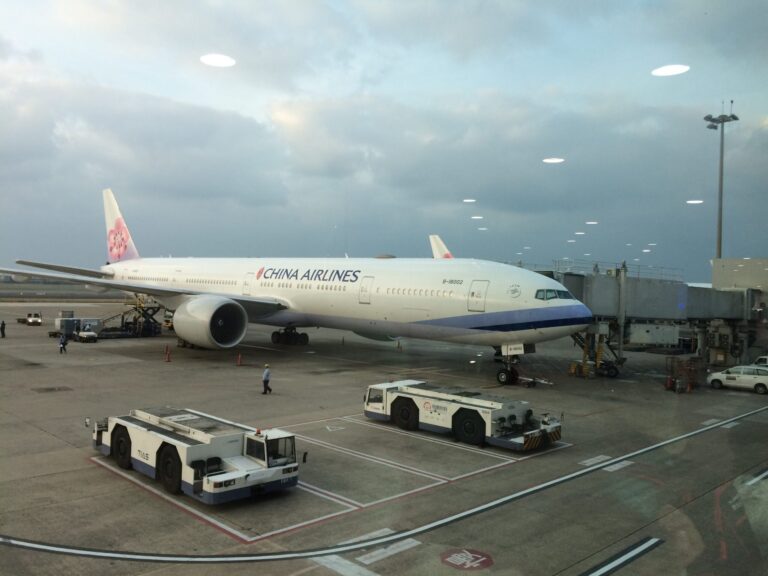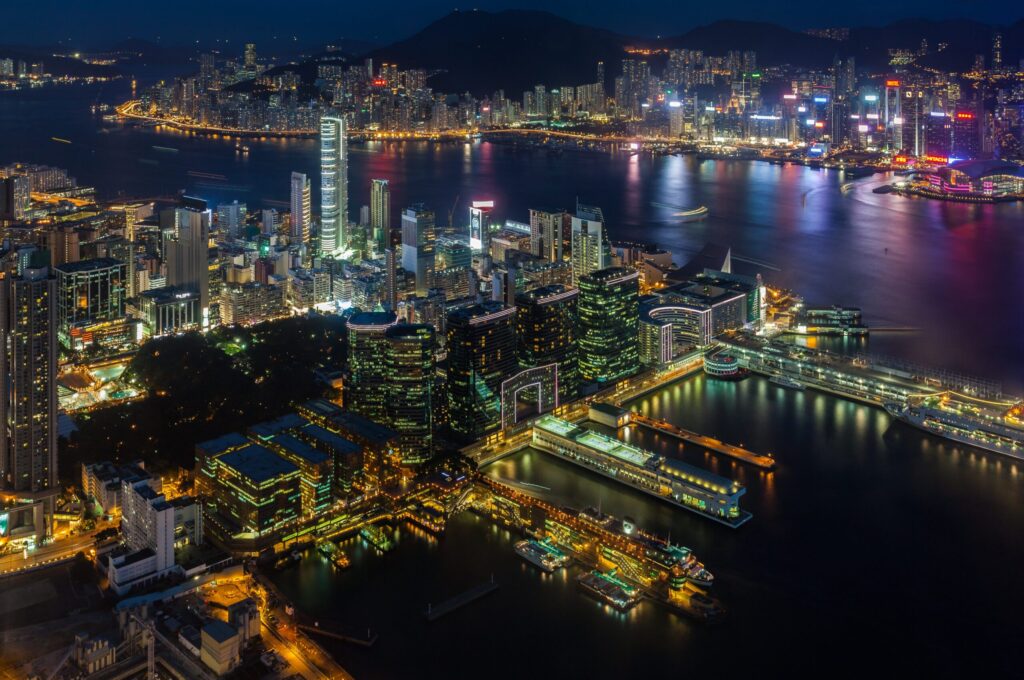
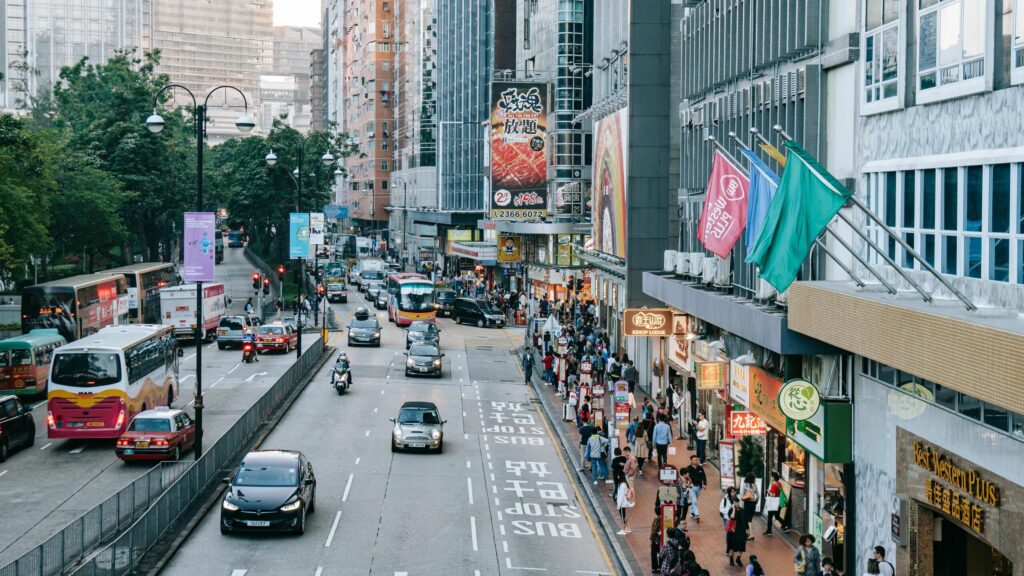
In 2009, Michelin’s star landed not on Din Tai Fung’s Taipei flagship but on a branch inside Hong Kong’s Tsim Sha Tsui shopping district. The restaurant served xiaolongbao at roughly 1,000–2,000 yen per person, placing a globally prestigious distinction beside an ordinary mall meal.
In 2009, a slightly strange piece of news moved through the food world.
Michelin, the guide with the strongest authority in its field,
gave one star to Din Tai Fung, a Taiwanese xiaolongbao chain.
But the award did not go to the Taipei flagship in Xinyi.
It went to a single branch in a Hong Kong shopping mall.
The one in Tsim Sha Tsui.
That order made people uneasy.
Why not the main store.
And can a chain restaurant receive a star at all.
A single star began to shake two things at once.
Michelin’s own logic,
and the position of Asian everyday food in the global hierarchy.

Michelin and the logic of chains
Michelin has often leaned toward authorship.
A chef’s signature.
A meal that exists only in one place, on one day, by one hand.
Habit becomes style.
Style becomes value.
A name becomes the restaurant.
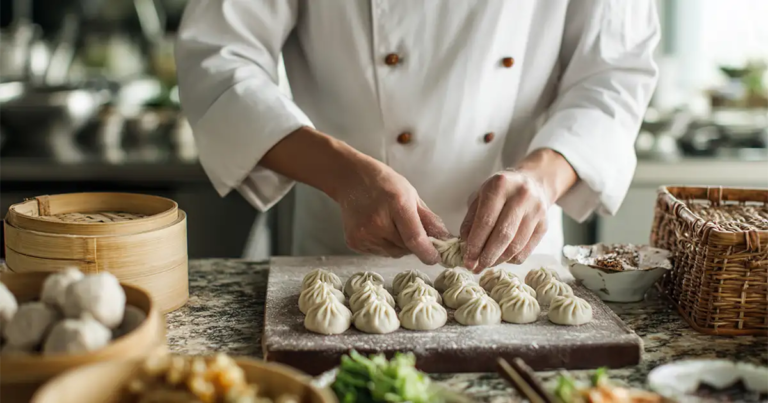
Din Tai Fung points in the opposite direction.
Standardization.
Replication.
Manuals and training.
The aim is the same result anywhere in the world.
The two systems do not match easily.
They sit like oil and water.
So the award remained as a different kind of event.
It suggested Michelin had valued reproducibility,
not individual genius.
Food can be engineering before it becomes art.
That idea surfaced in public.
Why Hong Kong came first
Why did the Hong Kong branch receive the star
before the Taipei flagship.
Several explanations are often repeated.
One is the strictness of Hong Kong itself.
Hong Kong is treated as a battlefield for dim sum.
Customers are demanding.
If quality drops, businesses do not last long.
To survive in that environment,
the Hong Kong Din Tai Fung had to tighten control even further.
Instead of softening through localization,
it moved toward stricter standards.
Pressure trained the shop.
That is one way people describe it.
Another explanation sits on Michelin’s side.
At the time, Michelin was expanding its footing in Asia.
It needed to grant authority not only to fine dining,
but also to places with accessible prices.
Cleanliness.
Service.
Stable quality.
Din Tai Fung was easy to frame as an emblem.
A useful icon for lifting everyday food into the star system.
The cheapest Michelin star in the world
In those years, a meal at Din Tai Fung
often cost around 1,000 to 2,000 yen per person.
A star at that price range
was itself a headline.
Some called it
the cheapest Michelin-starred restaurant in the world.
The label changed how the brand was seen.
It moved from a good Taiwanese restaurant
to something people would travel for.
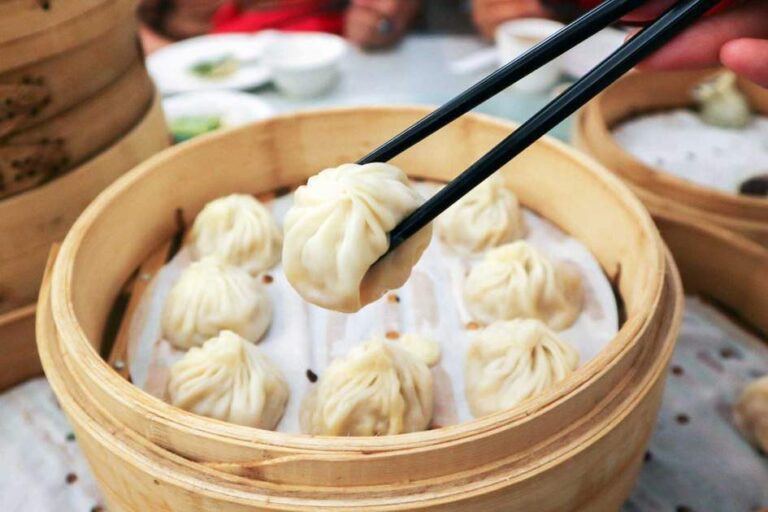
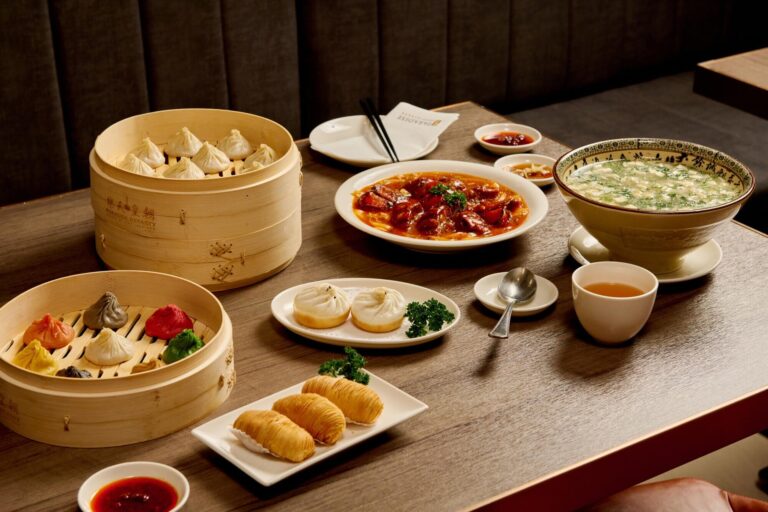
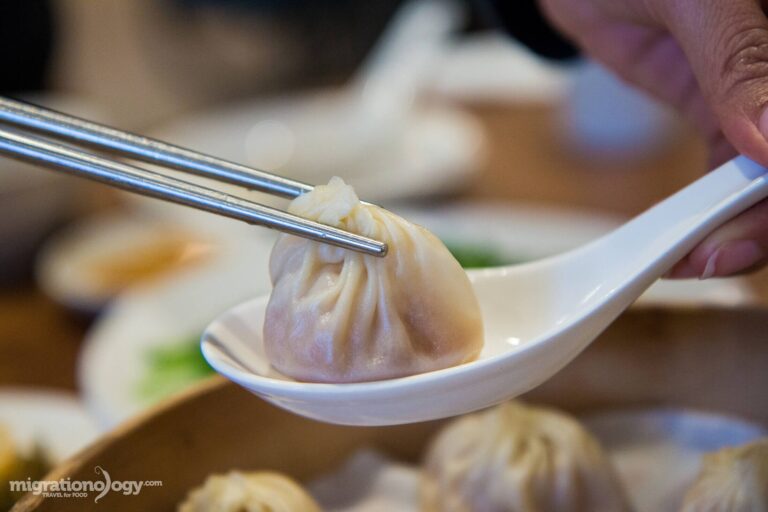
The moment a bamboo steamer opens
began to carry more than heat.
Steam became proof of value that could cross borders.
Xiaolongbao becomes a global noun
The news did not stop at the reputation of one chain.
It gave xiaolongbao a doorway across borders.
Before that, the dish was well known inside Chinese-speaking regions.
But as a global everyday word, it was still weak.
It needed explanation.
It was grouped under dumplings or dim sum,
a subcategory that required context.
A Michelin star changed the position.
It moved from a dish that must be explained
to a dish that can become a destination.
Travelers looking for what to eat in Taipei
began to place it on their lists.
The fact that it could be eaten in a Hong Kong mall
also shortened the distance.
It was lifted out of the street-stall context
and presented as a clean, clear entry point.
Din Tai Fung was not only praised for taste.
It was praised for shaping the dish into an exportable form.
After that, in many cities,
xiaolongbao began to appear as a genre.
The effect of the star may have shown itself
before the queues.
It appeared first as the spread of the name.
The star was given to a system
A star can wobble when a chef leaves.
A restaurant’s identity can shift with a single person.
In Din Tai Fung’s case,
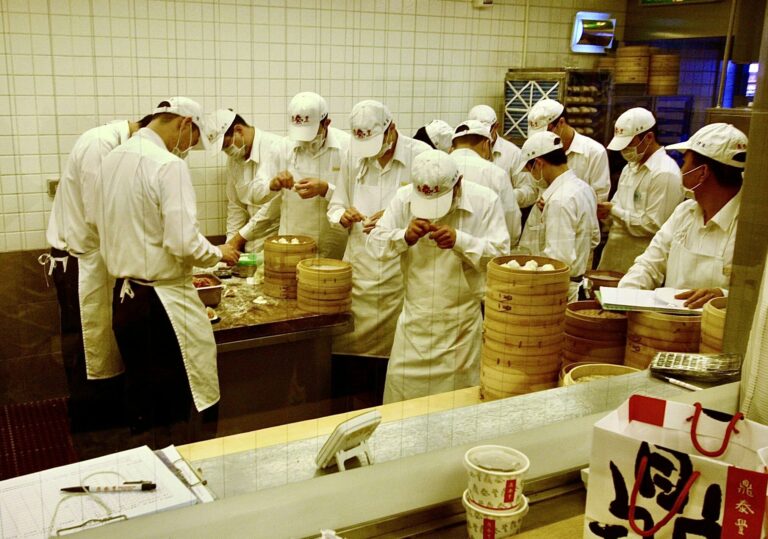
the star did not attach to one dim sum master.
It attached to a production standard.
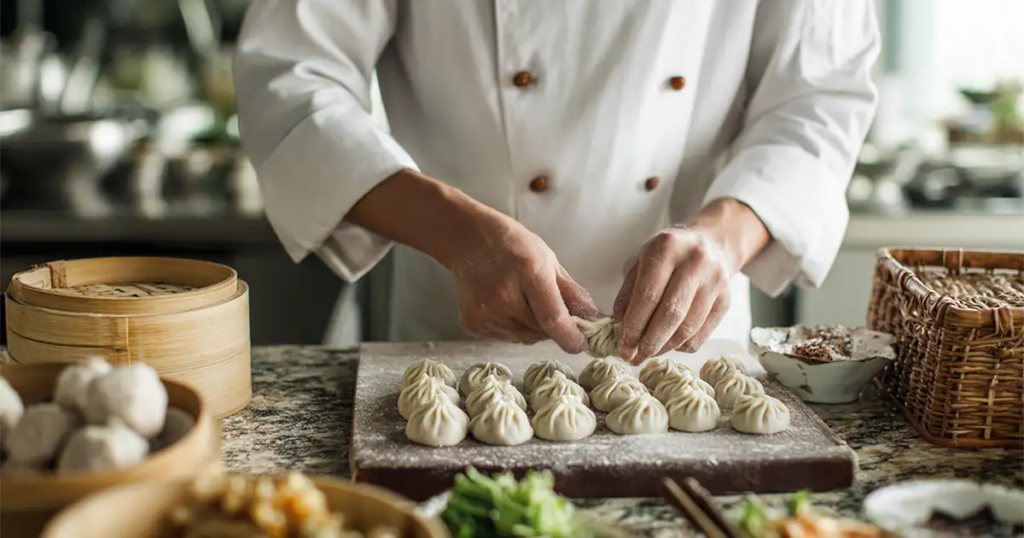
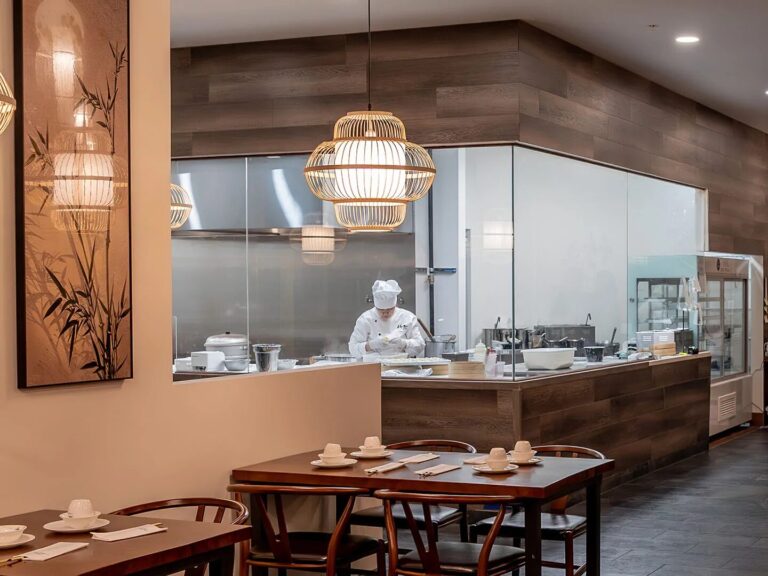
Eighteen folds.
Twenty-one grams.
A training system and quality control
that could repeat those numbers without drift.
Here, value moves from the individual to the organization.
A craft-like handwork
acquires industrial reproducibility.
That transition happened
inside the shape of xiaolongbao.
What happened to the Taipei flagship
Later, when Michelin published a Taipei guide,
the flagship was not always treated as a star holder.
In some years it appeared as a regular Bib Gourmand choice,
with shifts depending on the edition.
There is a small irony in that.
The Taipei flagship did not become
an untouchable champion in Michelin’s narrative.
But Din Tai Fung does not seem to treat this as failure.
The same taste is available
no matter which branch a person enters.
That condition is the pride.
If evaluation sits in the mechanism, not the location,
the mismatch becomes natural.
Standardization as a form of art
Din Tai Fung’s Michelin moment
can look like hope for cooks.
It can also feel like a different kind of pressure.
It suggests that genius is not required.
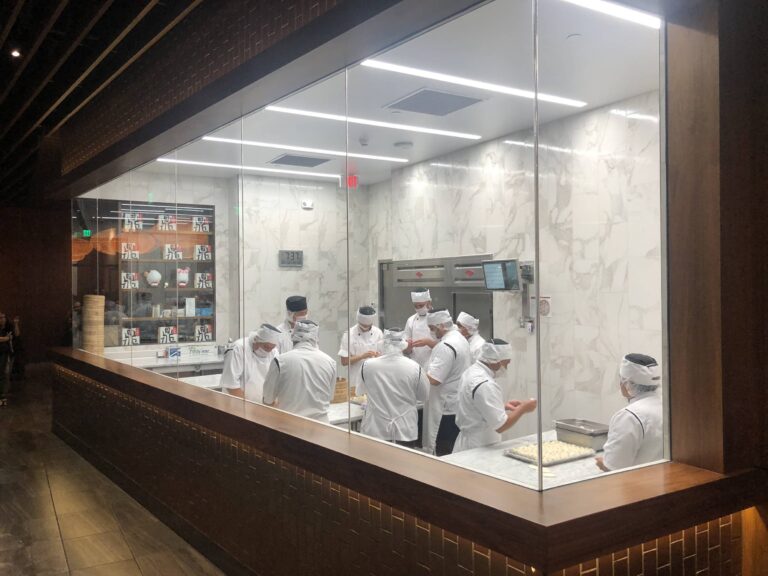
If routine is executed with extreme precision,
the world can be reached.
That is what the incident proved.
When a bamboo steamer opens in a Hong Kong mall,
there is more than xiaolongbao inside.
A top-level operating system
is folded into the steam.
The feeling remains that one is eating that, too.
— Detour —
a little further to walk
- Notes on Din Tai Fung Without a Michelin Star
- Notes on Xiaolongbao and the History Taiwan Inherited
- Notes on the Xiaolongbao New Wave in Taiwan