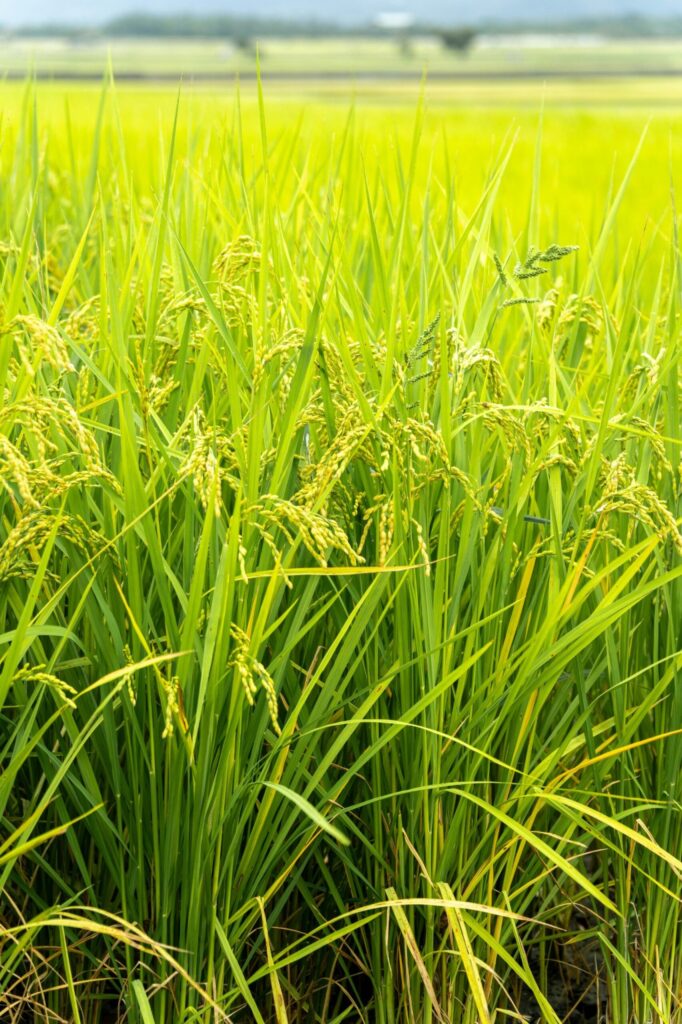
At a Taiwanese rice shop, round, sticky grains and slender, loose-cooking grains sit in neighboring bags. Both are ordinary choices, but they are headed for different parts of the kitchen.
When Japanese visitors eat lurou fan in Taiwan, some notice the same detail.
The rice holds together.
In Southeast Asia at similar latitudes, long-grain indica rice is common.
Dryer.
Loose.
It breaks apart easily.
Taiwan’s table looks different.
Short-grain japonica rice appears, round and slightly sticky.
It can be lifted with chopsticks without collapsing.
It feels like northern rice growing in a southern climate.
That mismatch has a history behind it.
Before Ponlai: the era of local rice
Until the 19th century, Taiwan’s everyday grain was long-grain rice.
In Taiwan today it is often called zailai rice.
It is firm and not sticky.
Lift it, and it falls apart.
The grains are thin, and the bite stays light.
For the people of that time, this was simply rice.
There was no need to replace it.
Even now, it is not a lesser grain.
It is useful.
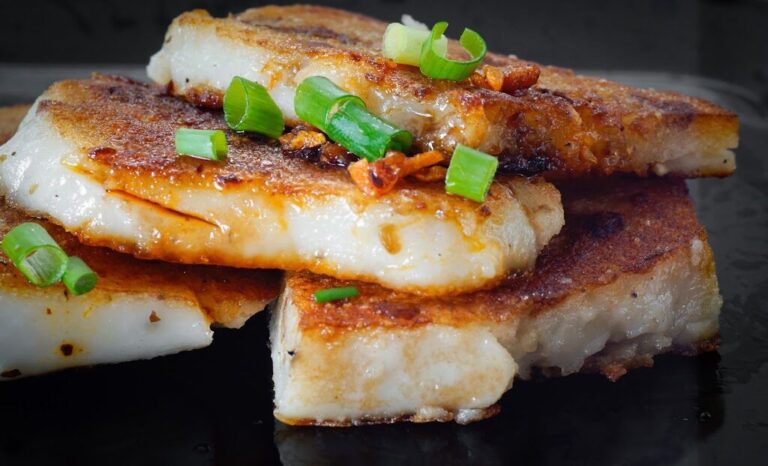
Rice noodles, radish cake, and other familiar Taiwanese staples rely on rice flour.
That texture works because the grain does not cling.
It remains in the kitchen for structural reasons, not nostalgia.

1918: a rice riot and a new policy
In 1918, rice prices surged in Japan.
Riots followed.
The government looked to its colony, Taiwan, as a supply base.
The instruction was blunt.
Grow japonica rice in Taiwan and ship it to Japan.
There was a problem.
Japanese seeds planted in Taiwan often failed.
Different sunlight patterns disrupted heading.
The plant grew, but it did not become rice in the expected way.
It was a crop that refused to behave.
The long work of breeding Ponlai rice
Researchers at Taihoku Imperial University stepped in.
Iso Nagayoshi and his assistant Suenaga Jin were among them.
They crossed varieties repeatedly, looking for a grain that could head in Taiwan and still match Japanese taste.
Test.
Fail.
Test again.
It looks like laboratory work on paper.
In practice, it was persistence.
After years of setbacks, a new variety was completed in 1926.
It grew in Taiwan’s climate and kept the stickiness Japanese consumers expected.
At a conference held at the Taipei Railway Hotel, it was named Ponlai rice.
A new lineage entered the island’s fields.
Taiwan’s japonica, adjusted for heat
Ponlai rice was designed as japonica rice that could grow in Taiwan.
Round grains.
Sticky when cooked.
Close to Japanese rice.
But it was not a direct import.
It was tuned to local conditions so the plant could head under southern light and heat.
As it spread, Taiwan’s table changed shape.
Rice bowls became easier to build.
Sauce could sit on top without collapsing the grain.
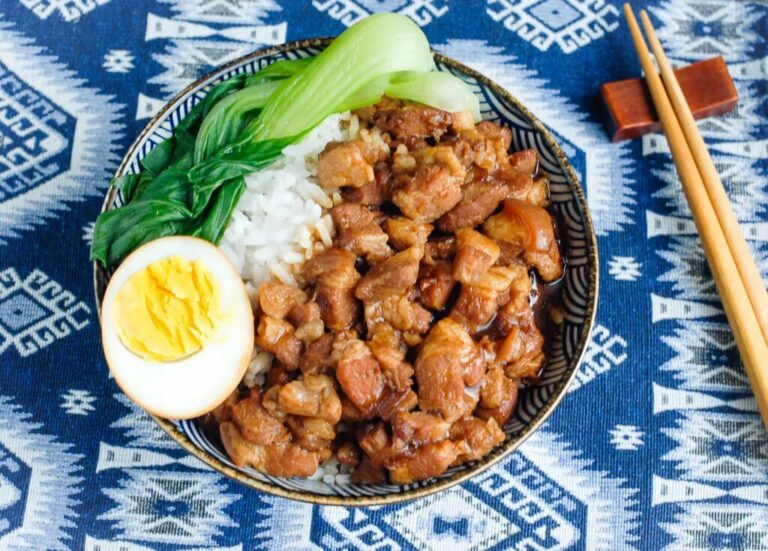
Lurou fan and paigu rice depend on rice that can take weight.
Zailai rice can be used, but the direction of texture changes.
Ponlai rice matched the heavier logic of bowls.
It moved Taiwan’s staple closer to Japan.
At the same time, it allowed Taiwanese dishes to lean harder into rice.
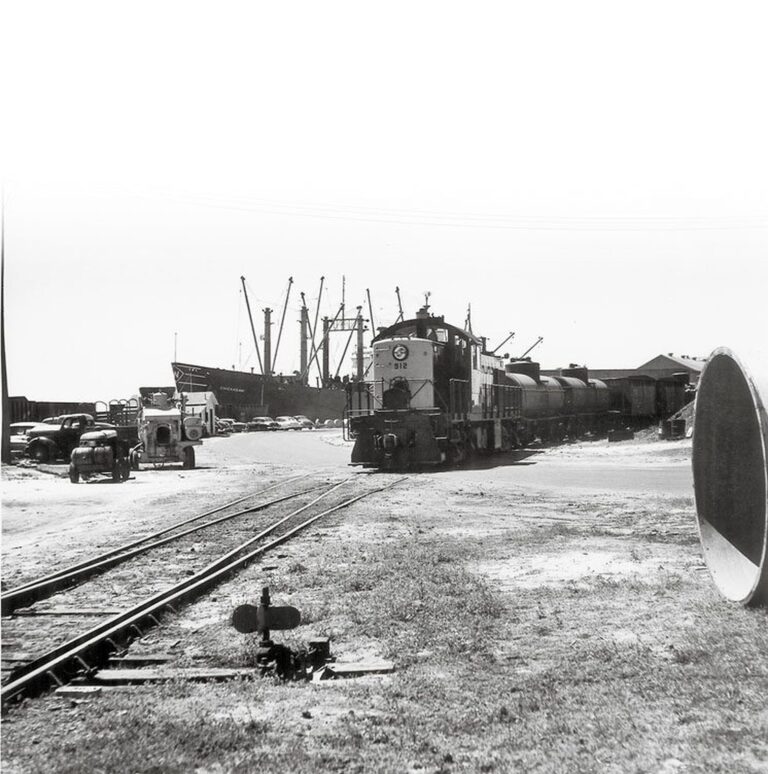
Water had to be built: Hatta Yoichi and Wushantou
A seed alone does not create a landscape.
Water was missing.
The Jianan Plain, Taiwan’s largest plain, swung between floods in the wet season and drought in the dry season.
Paddy farming was unstable.
Soil existed, but water did not.
Engineer Hatta Yoichi entered that problem.
Over ten years, he built the Wushantou Reservoir, once described as among the largest in East Asia.
He also constructed the Jianan Irrigation System, a network said to extend over 16,000 kilometers.
Water needed rules as well as canals.
Hatta established rotation methods to distribute water fairly.
Rice, sugarcane, and other crops moved through a three-year cycle.
A difficult plain became a green granary.
Only then did rice have a platform.
Not for eating, but for selling
Even when Ponlai rice could be grown, Taiwanese farmers did not immediately eat it.
For many, it was a cash crop.
Grow Ponlai.
Export to Japan.
Earn cash.
Buy cheaper local rice or sweet potatoes to eat.
That economic loop accelerated expansion.
Ponlai rice entered ordinary mouths more widely after the war, as living standards rose.
Rice history is not only taste history.
Trade shapes the table.
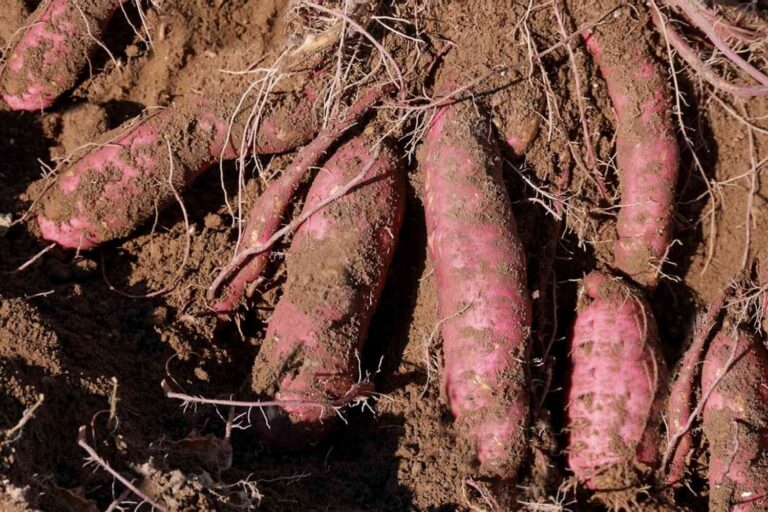
Chishang rice as a brand name
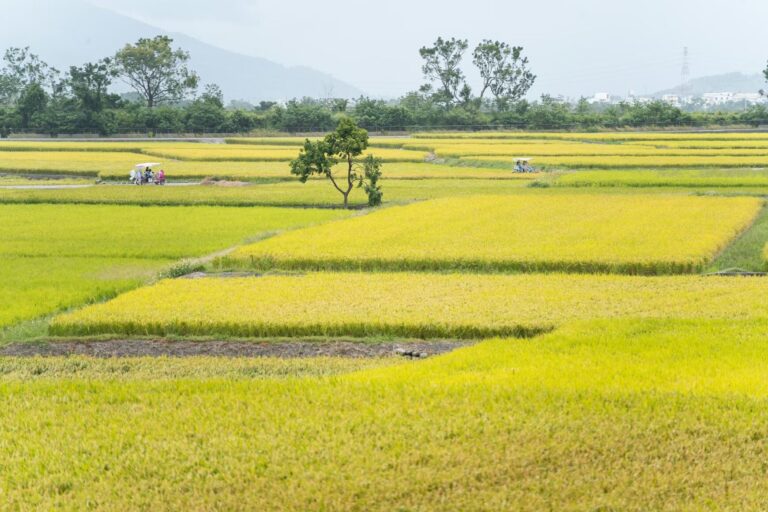
Today, the rice most often called premium in Taiwan comes from Chishang in Taitung.
When people talk about rice, the place name appears quickly, almost as a reflex.
The explanation is usually environmental.
Clean water.
Large day-night temperature gaps in a mountain valley.
Sweetness stored into the grain.
In Taipei supermarkets, bags with the Chishang certification mark sell higher than others.
On the same shelf, they carry a different face.
Chishang bento culture grew from this.
Rice that stays good when cooled can become the center of a lunch box.
The rice region became a bento region.
The texture called Q
Taiwan’s rice did not stop at imitation.
It evolved toward a slightly different preference.
People often describe the ideal texture as Q.
Not simply soft.
Springy.
Resistant.
A bite that pushes back.
That muscle fits Taiwan’s bowls.
The thick sauce of lurou fan.
The fat of paigu.
Heavy flavors need rice that does not collapse.
Japanese white rice often sits beside lighter dishes.
Taiwan’s rice must endure sauce and oil.
It becomes stronger, by design.
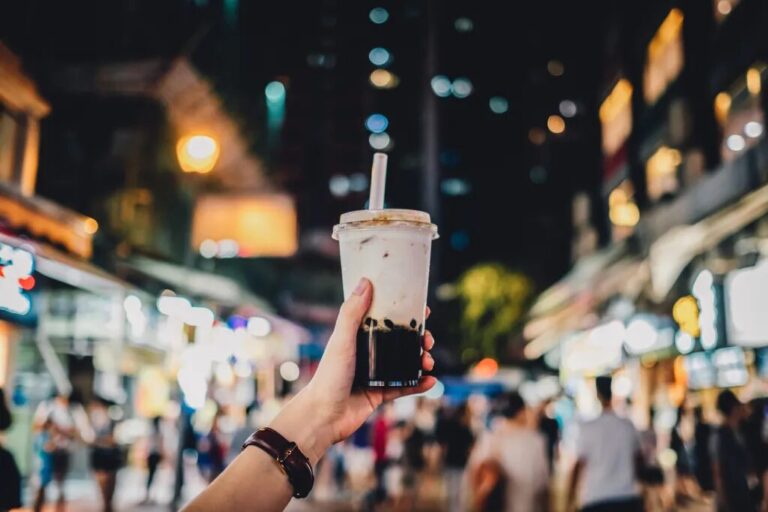
Two bags in the same market
In Taiwanese rice shops, round Ponlai rice and slender zailai rice often sit side by side.
One did not erase the other.
Ponlai for eating as rice.
Zailai for grinding and shaping traditional foods.
A century of breeding and dam building remains as daily choice.
Two grains.
Two uses.
Two timelines that still do not fully mix.
And inside a bowl of lurou fan, the history stays quiet.
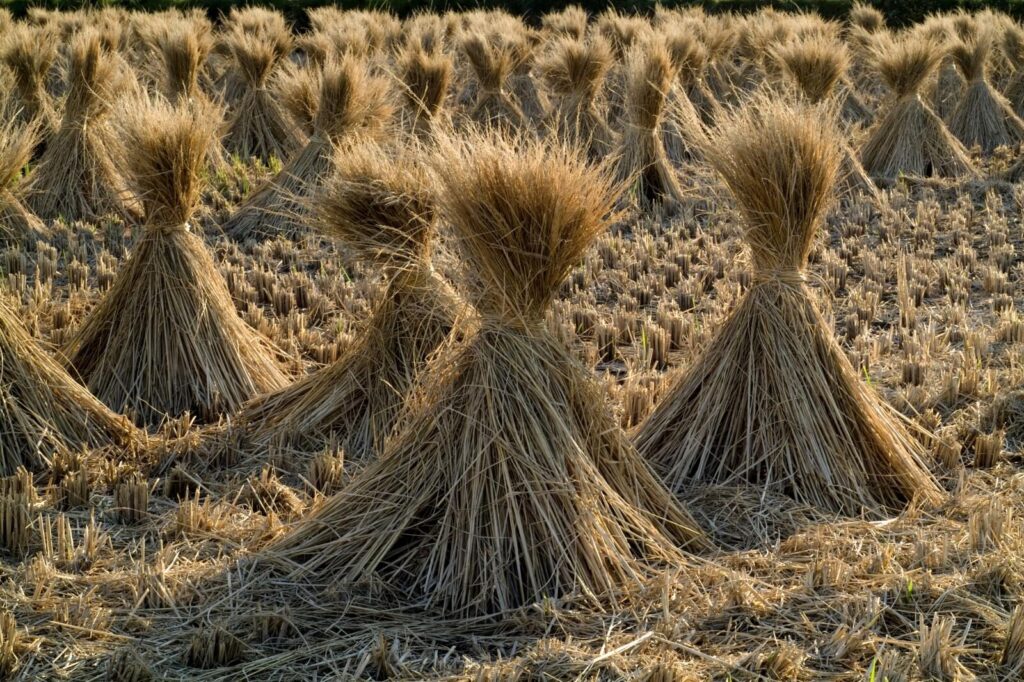
— Detour —
a little further to walk
- Notes on Chishang Rice in Eastern Taiwan
- Notes on the Taste of Taiwan Before 1949
- Notes on Wheat and Rice in Taiwan