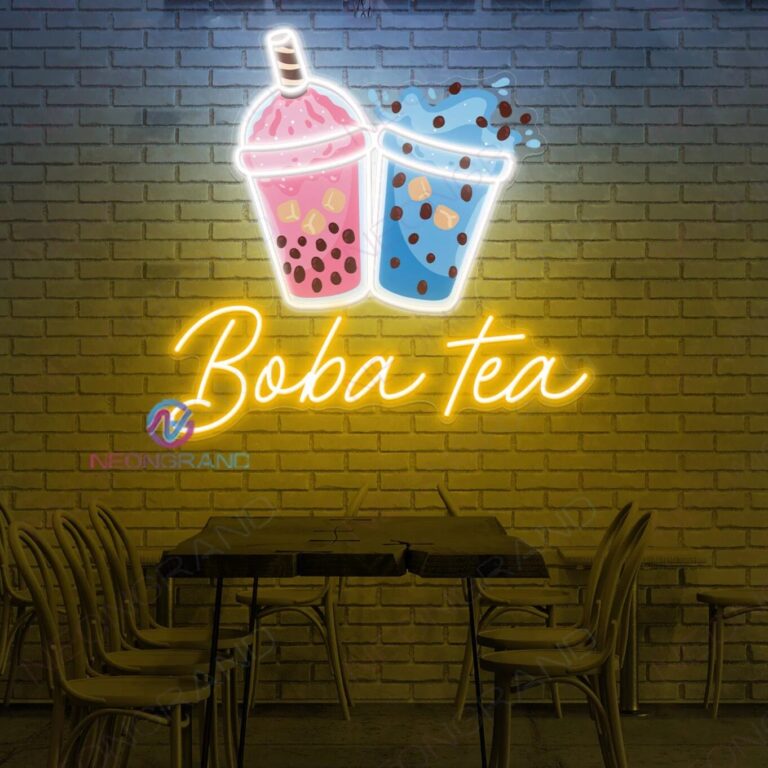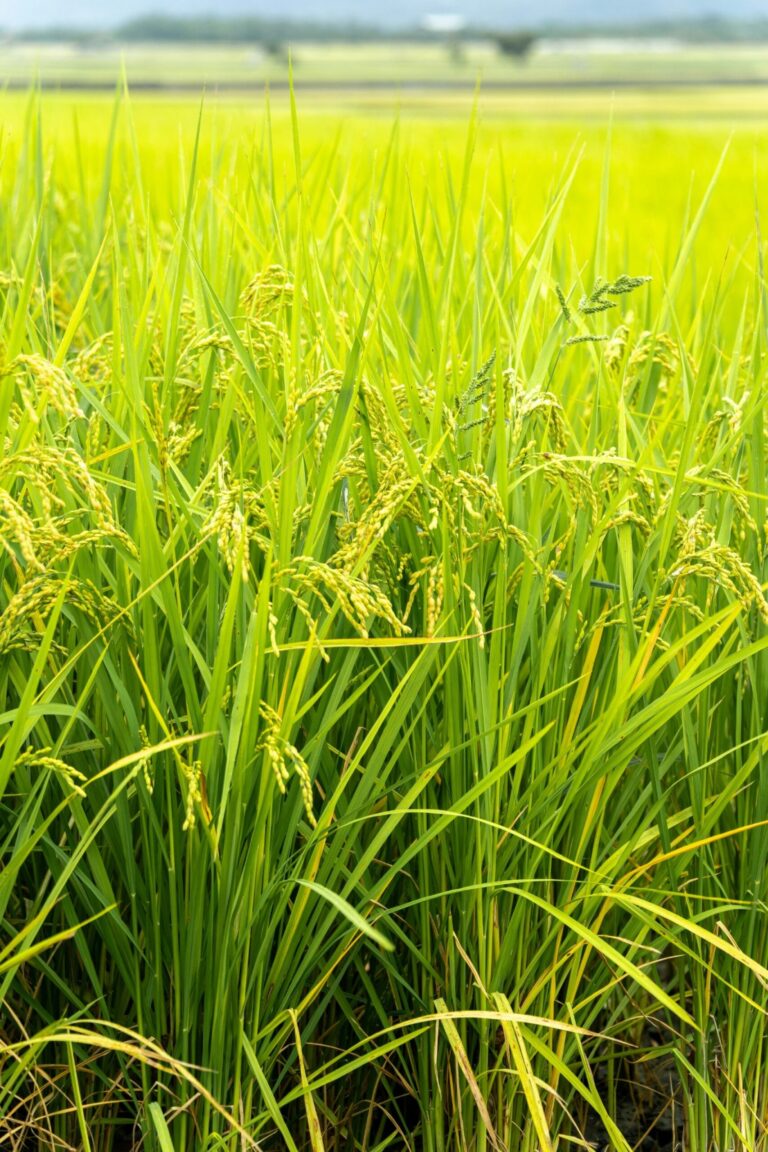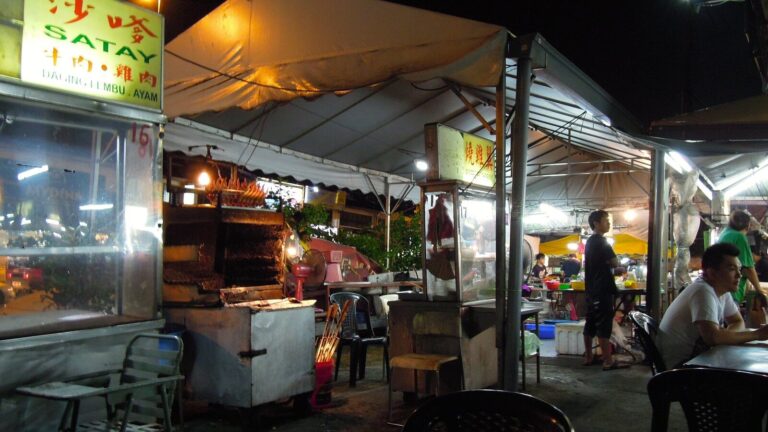
In Taiwan, the same small letter appears beside tapioca pearls, fish balls, noodles, and even rice. The foods do not share one obvious texture: some spring, some push back, and some simply hold their bite.
Walk through the streets of Taiwan, and the letter Q keeps turning up next to food. Hěn Q (很Q). Q tán (Q彈). QQ de (QQ的). At first it reads like a word for something chewy, something like tapioca pearls.
Keep eating your way through Taiwan, though, and that reading stops covering the ground. Yù yuán (芋圓) taro balls get called Q. Noodles get called Q. So do fish balls and pork balls. Even rice gets called Q.
In Japanese, these would never share one word for texture.
So what, exactly, is Q?
Q Is Not English
Q is not a letter borrowed from English. It comes from the Taiwanese Hokkien word khiū. Taiwan’s Ministry of Education dictionary of everyday Taiwanese writes it as 𩚨 and defines it as food that stays soft while carrying spring and resilience.
Push it into the emphatic form, khiū-teh-teh (𩚨嗲嗲), and it means more than soft. It means a pronounced, satisfying chew.
Today, the sound gets written with the Latin letter closest to it: Q.
Nobody can say for certain who wrote it that way first. What matters is that the texture had its own word long before anyone wrote it as Q.
Bubble tea did not invent Q. The letter is new. The feeling is older.
Q Is More Than Springy
Look the word up, and “springy” reads like a fair translation. Use it for a while, and it starts to feel too narrow.
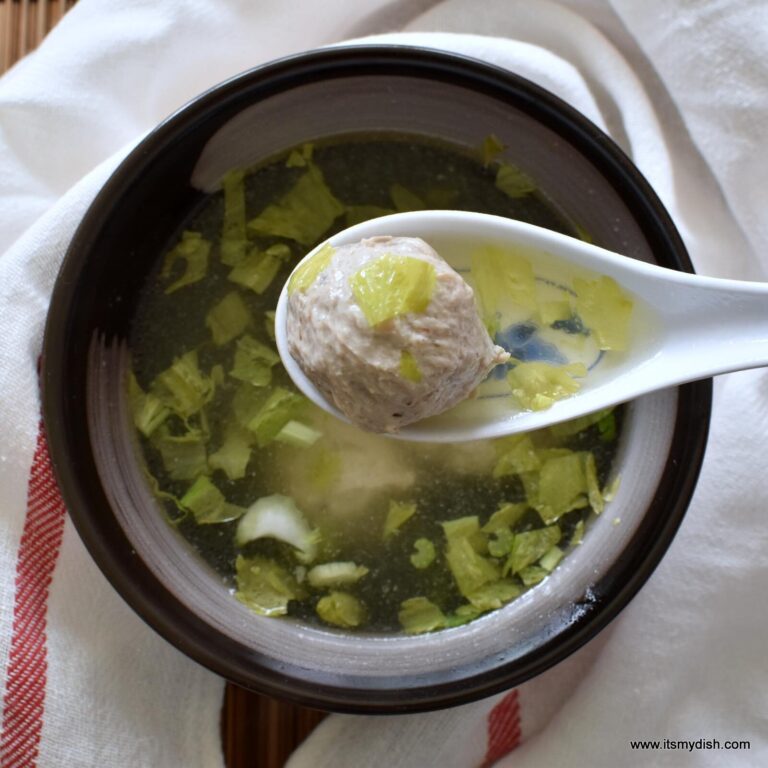
Zhēn zhū (珍珠) pearls and taro balls fit “springy” well enough. Fish balls and pork balls get Q tán too, but there it leans closer to bounce-back: the food pushes against your teeth. For noodles, Q can land close to what a chewy bite feels like.
Rice gets Q as well. Taoyuan’s municipal agriculture bureau describes Taoyuan No. 3, a rice variety, by its jiáo jìn Q dù (嚼勁Q度) — its chewy Q.
Pearl elasticity, fish ball bounce, noodle bite, rice chewiness: none of these are the same physical property. Food science would keep them apart. Everyday Taiwanese usage does not.
Q, it turns out, is not a name for one physical state. Not just soft. Not just firm.
Call it, for now, whatever good thing happens when your teeth close on food and something in it answers back.

Do Taiwanese People Actually Love Q?
That raises an obvious next thought: Taiwanese people must love chewy food more than most.
Worth pausing on that. Chewy food isn’t unique to Taiwan. Japan has mochi, kamaboko, udon. Korea has its own rice cakes and cold noodles. Mainland China has plenty of noodles and fish balls of its own. No comparative study turns up showing that Taiwanese diners favor springy textures more strongly than Japanese or Korean diners do.
So the puzzle may not be that Q foods exist in Taiwan. What stands out is that texture turned into Q, a strong evaluative word sitting right on the surface of a dish, alongside sweet, spicy, and fragrant.
Why does texture get this much attention in Taiwan?

How Much Does Texture Matter?
Taste alone doesn’t make food good. There’s flavor and aroma, temperature and heat, and texture on top of all of it. Change the firmness or stickiness, and the impression of the same seasoning shifts.
Texture research has long pointed out that flavor intensity shapes how much attention people pay to texture. Rice makes the case simply: its flavor varies within a relatively narrow range, yet differences in firmness and stickiness can strongly affect how good it tastes.
From here, this turns into a hypothesis. Taiwanese cooking carries a lineage described as qīng dàn (清淡) or yuán wèi (原味) — food that lets an ingredient’s own flavor stand rather than covering it.
That doesn’t mean Taiwanese food runs light across the board. Lu rou fan (魯肉飯), lu wei (滷味), and san bei (三杯) dishes all exist too. Still, keeping an ingredient’s own flavor intact keeps coming up as a defining trait of Taiwanese cooking.
Where seasoning doesn’t move the needle much, physical differences in the mouth may simply show up more clearly. A fish ball sitting in a thin broth makes its case less through seasoning and more through what happens the instant your teeth land on it — does it collapse, or push back? Same for noodles, same for rice. Whatever put texture at the center of how Taiwanese food gets judged, this may be part of it.
Not Just a Taiwan Thing
Leave the story at Taiwan alone, though, and a different problem shows up.
Japanese diners obsess over texture too. Japan’s National Food Research Institute catalogued 445 texture terms in modern Japanese, and, by some accounts, the vocabulary for stickiness and spring runs especially deep. Mochi-mochi and puri-puri mean different things. So do kori-kori and shiko-shiko. Words like shaki-shaki and nettori round out a vocabulary built to name every small difference the mouth picks up.
Japanese cooking carries its own lineage of letting broth and ingredient speak rather than burying them under seasoning. That’s not proof that light seasoning breeds a bigger texture vocabulary. Still, placing Japan next to Taiwan settles one thing: paying close attention to texture is not a Taiwanese quirk.
So what actually separates Japan from Taiwan?
Japan Splits Texture Up. Taiwan Lumps It Together.
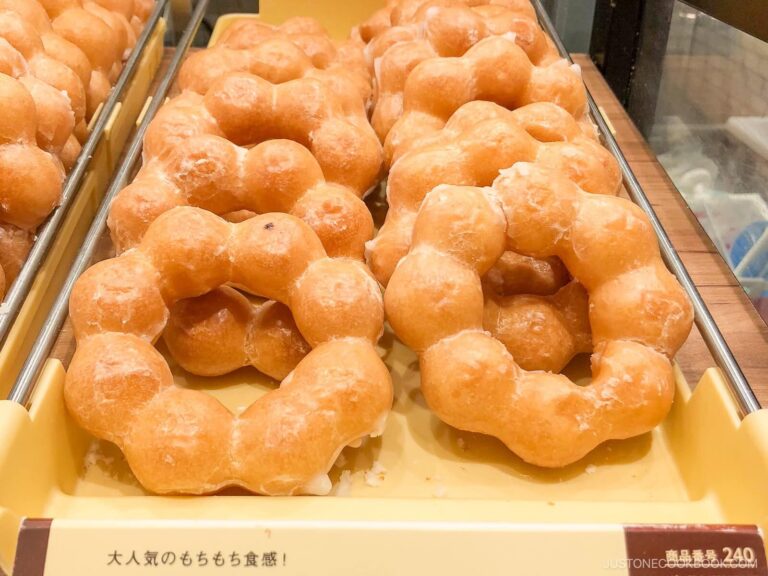
Japanese vocabulary divides texture into narrow categories. Taiwanese Hokkien’s Q covers a much wider stretch of the same territory with a single word. A bite of zhen zhu and a bite of fish ball feel like different sensations. Both still count as Q.
This isn’t a case of Japanese speakers noticing finer distinctions while Taiwanese speakers notice less. Texture, as a sensation, runs on a continuum. Where a language draws its lines on that continuum, and what it names on either side, is a choice each language makes for itself.
Japanese vocabulary often cuts that continuum into narrower slices. Taiwanese Hokkien’s Q can cover a surprisingly wide stretch of it — bounce, stickiness, push-back — under one positive label.
Seen that way, Q may not name a texture at all. It reads closer to a category Taiwanese carved out of a range of physical properties: the “good texture” category. That fits how the word actually gets used.
Q Can’t Be Measured. Yet It Comes in Degrees.
Here’s where it gets interesting.
Scientifically, Q is a fuzzy word. Pearls, fish balls, and rice don’t share one physical property being measured. In everyday food language, Q gets treated almost like a spec you can dial up.
Rice comes with a Q dù (Q度) — a degree of Q-ness. Taiwan’s Morinaga sells its HI-CHEW candy with copy reading quánxīn liǎng bèi Q gǎn (全新2倍Q感), “a whole new double Q feel,” and Q tán shēngjí liǎng bèi (Q彈升級2倍), “Q spring upgraded twofold.”
What exactly doubled is hard to pin to a single food-science number. As advertising copy, it works fine.
More Q. Not Q enough. Double the Q.
A concept that’s physically vague functions, inside the culture, as a fairly precise measuring stick. Q stopped being a word that just describes texture. It became a word that rates food.

Maybe the Word Made the Texture Bigger
Words do something strange. Without a name, all you have is “this one feels better, somehow.” With Q, you can say “this one is more Q.”
Restaurants get compared. Products get praised. Bù Q (不Q) — not Q enough — becomes a specific complaint you can point to. Brands print Q tán on packaging and sell “double the Q feel” as an upgrade.
Saying that the word Q made Taiwanese people love chewy food would go too far. What’s fair to say: a sensation that already lived in the mouth got a short, shareable name, and once it was shared, it became easier to notice. Once it’s easier to notice, it can be compared. Once it can be compared, brands can start building around it.
A word built to describe texture ended up, somewhere along the way, pushing texture itself into a bigger kind of value. That loop may well have happened.
Everything Becomes Q
Back to the opening question. “Springy” undersells it. So does “chewy.” So does “bite.”
It doesn’t look like a texture unique to Taiwanese taste buds, either.
Closer, maybe: Q may be the name Taiwanese Hokkien gives to a broad family of pleasurable textures — the feeling that food gives something back when you bite into it. Once the word existed, food itself started to look different, read through Q as the measure.
Bite into a fish ball at a Taiwanese diner. Your teeth land, and it pushes back, just slightly.
In Japanese, you’d pause over which word fits.
In Taiwan, there’s no pause.
It’s Q.

— Detour —
a little further to walk
- Notes on How Taiwan Turns Foreign Food into Q
- Notes on the Birth of Taiwanese Tapioca
- Notes on Gongwan Soup in Taiwan