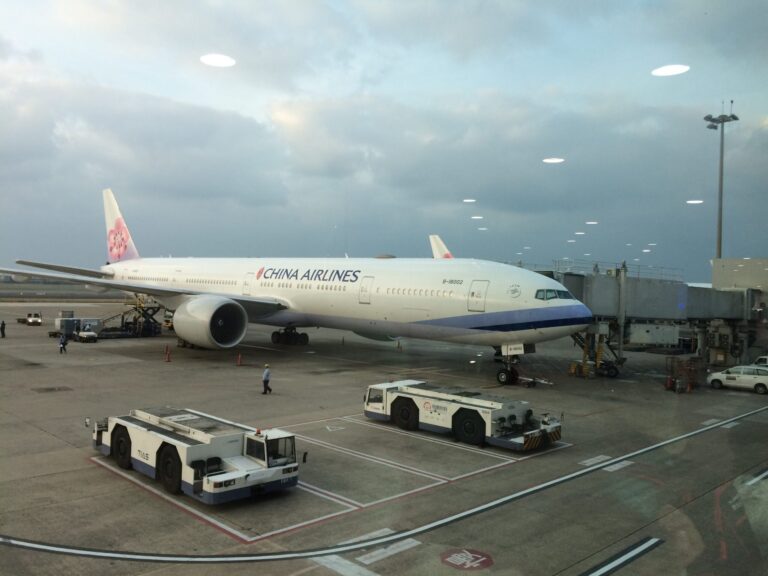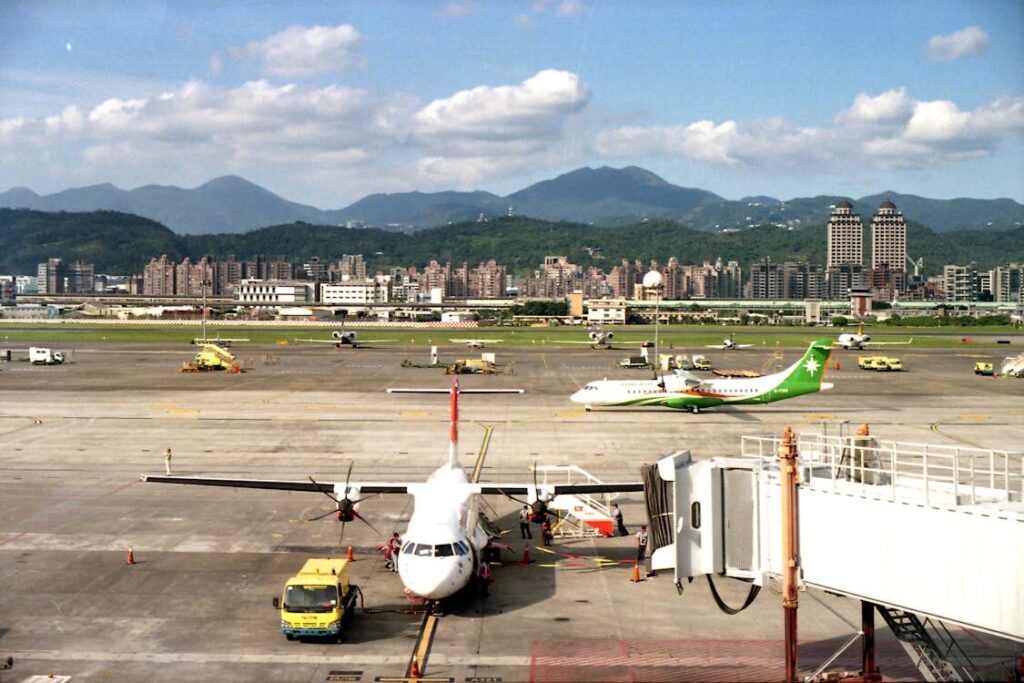
On the approach to Taipei Songshan Airport, apartment rooftops, laundry, and balcony railings appear just beyond the aircraft window as the runway follows the bends of the Keelung River. A few minutes after landing, passengers can be in the city center—beside a runway that also serves a military base.
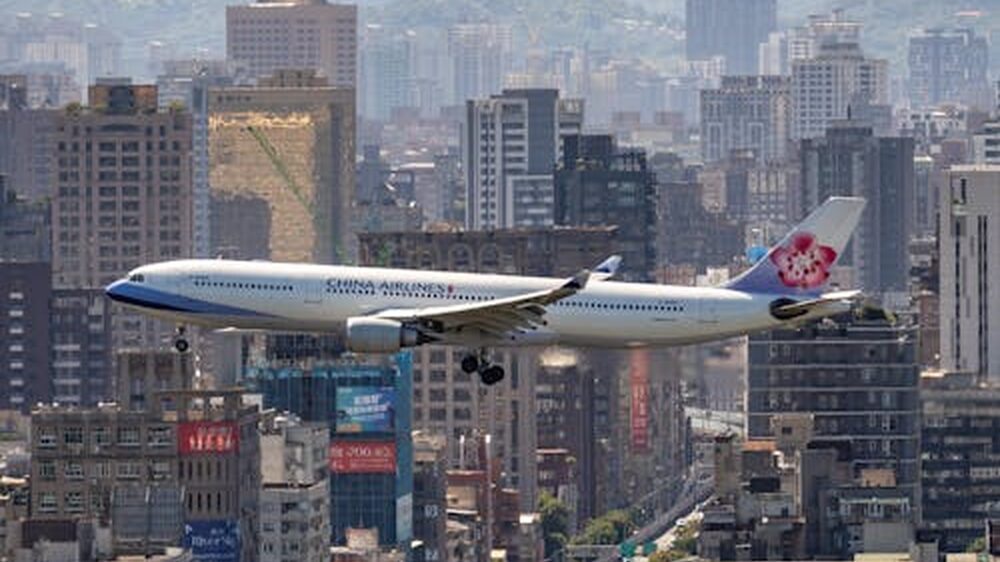
When approaching Taipei on a flight from Haneda, the city suddenly rises toward the window just before landing. On the rooftops of old apartment blocks sit black water tanks, laundry moves in the wind, and metal balcony bars come close enough to feel within reach. Scooters line the streets below, waiting at traffic lights, while the aircraft curves along the Keelung River, avoiding Taipei 101 and the towers of Xinyi District, lowering its altitude in slow coordination with the river’s bends. It is an urban landing rare among global cities, a place where the assumption that airports belong on the outskirts collapses.
Taipei Songshan Airport, TSA, is not simply a transportation hub. In the center of the dense city lies a deliberately preserved expanse of emptiness, where a straight line called a runway cuts across the flow of urban life.
An Imperial Gateway
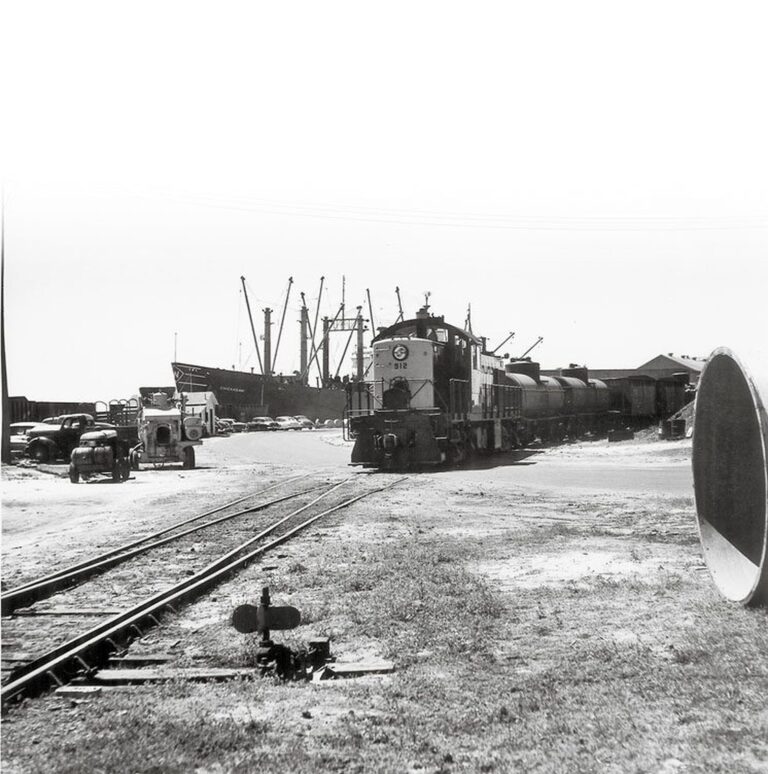
The origins of Songshan Airport trace back to 1936, when it opened as Taipei Airfield during the period of Japanese rule. At the time, the surrounding area still lay beyond the edge of the city, a stretch of farmland where aircraft passed over fields rather than rooftops. Routes extended southward toward Fukuoka, Naha, and further to Dalian and Shanghai in Manchuria, functioning as a junction within a broader imperial network rather than as a destination in itself.
From the beginning, the facility served both civilian and military purposes. The runway was built not only for transportation but also for defense, a character that remains today with the Republic of China Air Force Songshan Base Command located on the same grounds. The presence of a military installation in the heart of the city reflects layers of history left physically intact.
Rise and Decline
After the war, when the Kuomintang government relocated to Taiwan, Songshan became the main gateway of the Republic of China. Diplomats arrived, U.S. military personnel moved in and out, and business travelers of the high-growth era passed through its terminals, as people, goods, and capital flowed in through this point. For Taiwan at the time, Songshan functioned as the face of the state.
That role shifted in 1979 with the opening of Taoyuan International Airport, then known as CKS Airport, as international routes moved almost entirely away. Songshan was reduced to a primarily domestic airport, its former status as a gateway replaced by regional departures. The situation tightened further in 2007 with the opening of Taiwan’s high-speed rail, dramatically shortening travel time between Taipei and Kaohsiung. Air demand declined again, and the vast tract of land in the middle of the city began to be seen as wasted space, with even proposals for closure surfacing.
The Return of the Business Shuttle
Renewed attention came in the 2010s under President Ma Ying-jeou’s North East Asia Golden Flight Circle initiative, which positioned Songshan as a core node. Direct shuttle routes were established between centrally located airports: Haneda in Tokyo, Gimpo in Seoul, and Hongqiao in Shanghai.
Songshan regained international flights, though not as a mass-transport gateway. It became a compact connection enabling same-day business trips, where one could depart in the morning and return by evening, linking cities by the shortest possible path. The airport’s role was redefined, and with that redefinition it revived. The straight runway remained unchanged, yet its meaning appeared rewritten by each era.
Crossing Borders by Metro
In most global cities, the journey from airport to downtown forms part of the travel experience, requiring about an hour from Narita or around forty minutes by MRT from Taoyuan International Airport. Arriving in Taiwan with that expectation makes Songshan’s proximity feel disorienting.
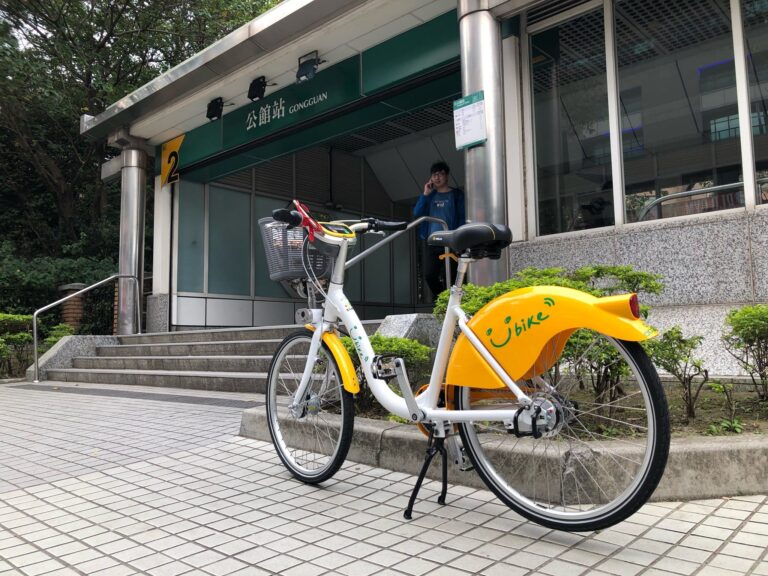
Leaving the arrival lobby and descending the escalator leads directly to the metro station. Boarding the Wenhu Line and riding three stops, one emerges in the commercial zone of Zhongxiao Fuxing within six or seven minutes. Meetings could plausibly begin twenty minutes after landing. By taxi, areas such as Dunhua North Road and Xinyi District are reached for little more than the base fare. Going to the airport here resembles visiting a neighboring district, and with a passport, even Haneda or Hongqiao becomes an extension of everyday movement.
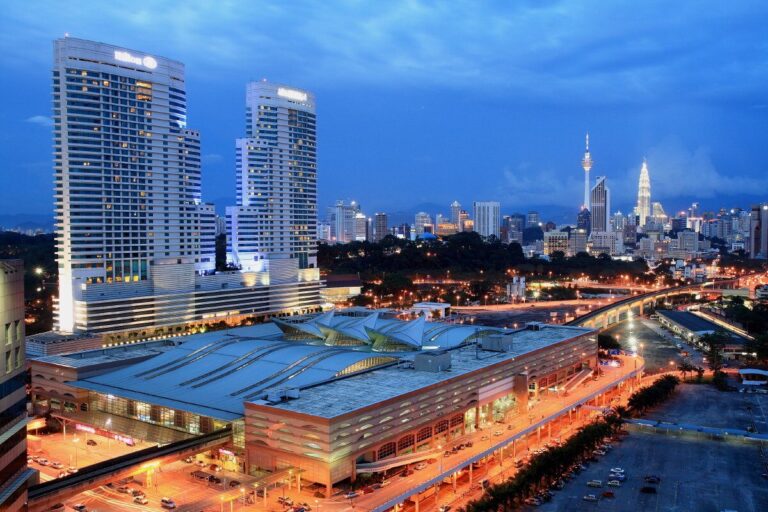
This extreme door-to-door closeness appears to be the main reason Songshan was never fully absorbed by Taoyuan. From the observation deck, the integration becomes clearer. The view is not of distant fields but of the city itself, where Taipei 101 rises beneath departing aircraft, the Miramar Ferris wheel turns, and the Keelung River snakes through the landscape. This airport functions less as a suburban facility than as an organ embedded in the urban body.
An Invisible Ceiling Over the City
Songshan’s presence bends Taipei’s urban planning. Strict height limits run beneath the flight paths, preventing buildings in Zhongshan and Songshan districts from rising beyond certain levels. The unusually open sky in the city center is not the result of aesthetic design but of an airport placing a physical lid over urban growth.
As the city continues to expand, the runway remains a fixed structure resisting movement. The friction created by this immobility becomes most visible along Binjiang Street Lane 180, a narrow road pressed against the runway’s edge. Jets pass only meters overhead, noise and wind interrupting conversations. Here the clash between city and airport feels more tangible than any notion of convenience.
Why It Cannot Be Moved
There is noise. There is risk. Land values rank among the highest in Taipei. Yet Songshan Airport remains where it is. The reason lies not in urban logic but in national structure.
A military facility housing the presidential aircraft sits only minutes by car from the Presidential Office. Within emergency contingency plans known as the Wanjun Project, the runway is designated as an immediate evacuation route for the head of state. In moments of crisis, departure from this point becomes a matter of survival. Songshan is not preserved for business alone. It is maintained as a strategic lifeline, with everyday convenience appearing as a byproduct.
A Vast Void in the Middle of the City
In peacetime, it operates as one of the most convenient urban airports in the region. In crisis, it transforms into a fortress at the core of the nation’s continuity. Holding this dual function, the runway continues to lie across the center of Taipei.
At dusk on the observation deck, white civilian aircraft line up beside dark military planes, while the lights of Taipei 101 glow behind them. Their uneasy coexistence reflects the realities the city and state have long carried.
— Detour —
a little further to walk
- Notes on the Golden Flight Circle of Northeast Asia
- Notes on Why Kaohsiung Did Not Extend South
- Notes on the History of YouBike in Taiwan