A valley-built brand, carried by bentos and the texture called Q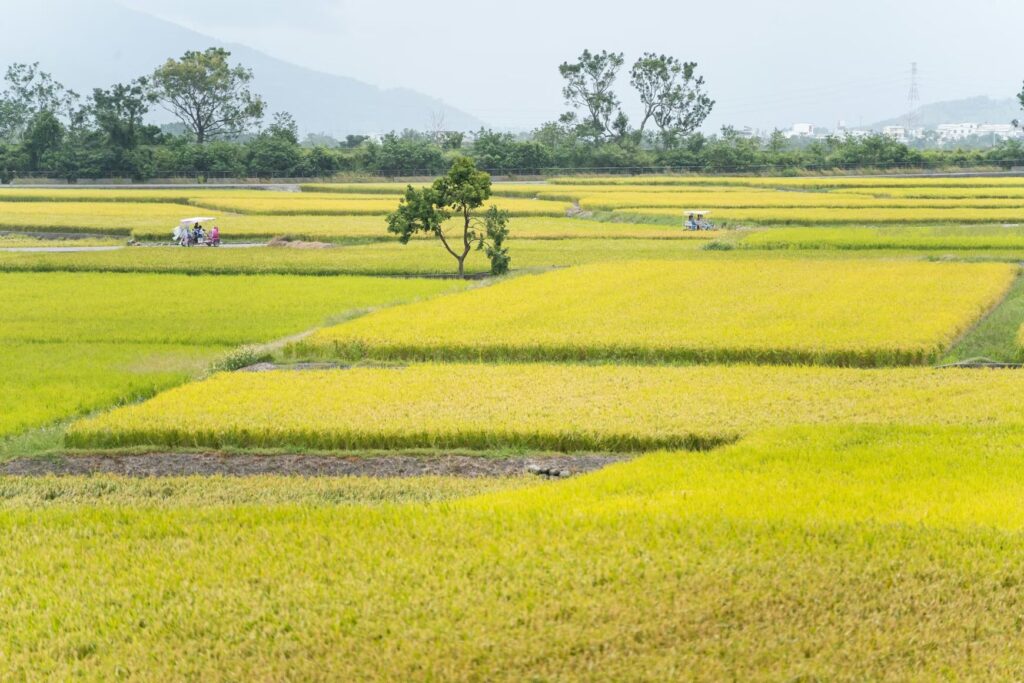
When I ask Taiwanese friends where the best rice comes from, the answer often arrives before the question finishes.
Chishang.
Even in Taipei supermarkets, a bag with the Chishang mark sits slightly apart.
Same size.
Different price tag.
Chishang lies in eastern Taiwan, in a long narrow valley between mountains.
On a map it looks like a thin vertical corridor, with small settlements scattered along it.
It is not an easy place to reach.
That makes the reputation feel stranger.
Why does a remote farming town become a national reference point.
The trail leads back to a time when these fields were treated as special rice land, meant for elsewhere.
A valley shaped like a rice basin
Chishang sits in the Huadong Rift Valley.
The Central Mountain Range on one side.
The Coastal Range on the other.
Eastern Taiwan folds around this strip of land.
The conditions for growing rice stack neatly here.
The soil is alluvial, carried down by rivers from the mountains.
Mineral-rich, with clay and organic matter mixed in.
The water comes from upstream without factories.
Few sources of pollution.
Clean flow becomes part of the value.
Wind moves through the valley.
Moisture does not stay trapped.
Disease pressure drops.
The elevation is over 260 meters.
Day and night temperatures separate.
People explain that this gap helps starch settle into the grain.
For japonica rice, these are ideal conditions.
Chishang does not feel like an accident.
The land itself works like a basin made to hold rice.
Japanese settlers and rice meant to be presented
In the early 1900s, this place was not yet a rice town.
The ground was rough and stony.
Flat land, but not field land.
During the Japanese colonial period, settlers moved in.
Farmers said to be from places like Niigata and Nagano.
They removed stones.
They dug channels.
The work was repetitive and physical.
When Ponlai rice varieties developed in Taipei were brought in, something became clear.
The same seed grew better here than in the western plains.
The grain changed its character.
Chishang was designated as a献穀田, a field for tribute rice.
Rice grown here was presented to the Japanese emperor.
High-grade varieties such as Kariho were cultivated.
Not California rice, despite the sound.
Premium rice grown in an eastern valley.
The name Chishang began to mean quality, even outside Taiwan.
The texture called Q
After the war, the Japanese left.
But methods stayed behind.
What remains in a place is not always people.
Sometimes it is the way things are done.
Today, varieties such as Kaohsiung 139 are common in Chishang.
They are said to be later improvements on earlier japonica lines.
The appearance is not perfect.
Some grains show a white cloudiness in the center.
Still, people compare the eating quality to Koshihikari.
What gets mentioned most is texture.
The rice has more bounce than Japanese rice.
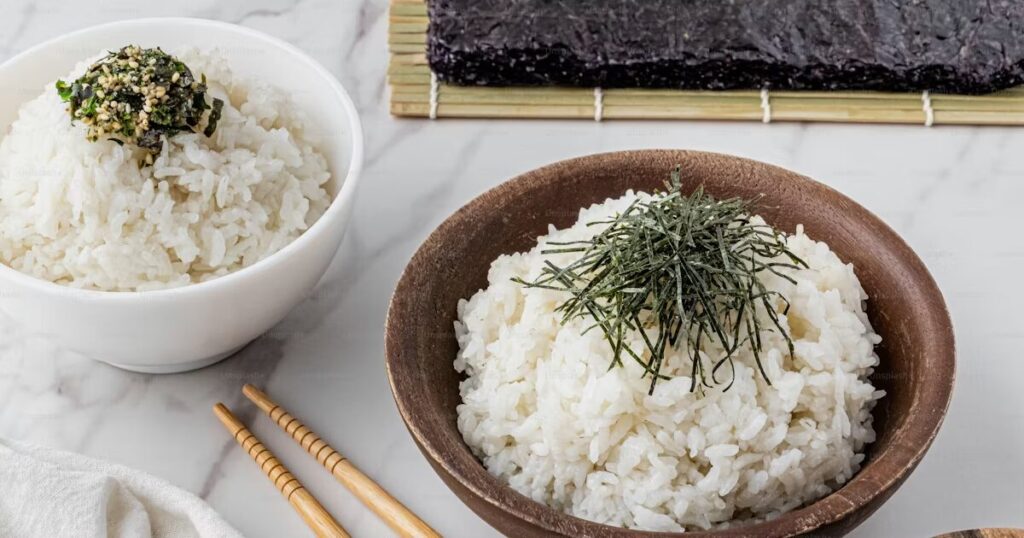
In Taiwan, this resistance is called Q.
Even when cooled, it holds moisture.
The chew stays.
That quality supports the next system built around it.
Chishang bento, born on a platform
Chishang bento began as station food.
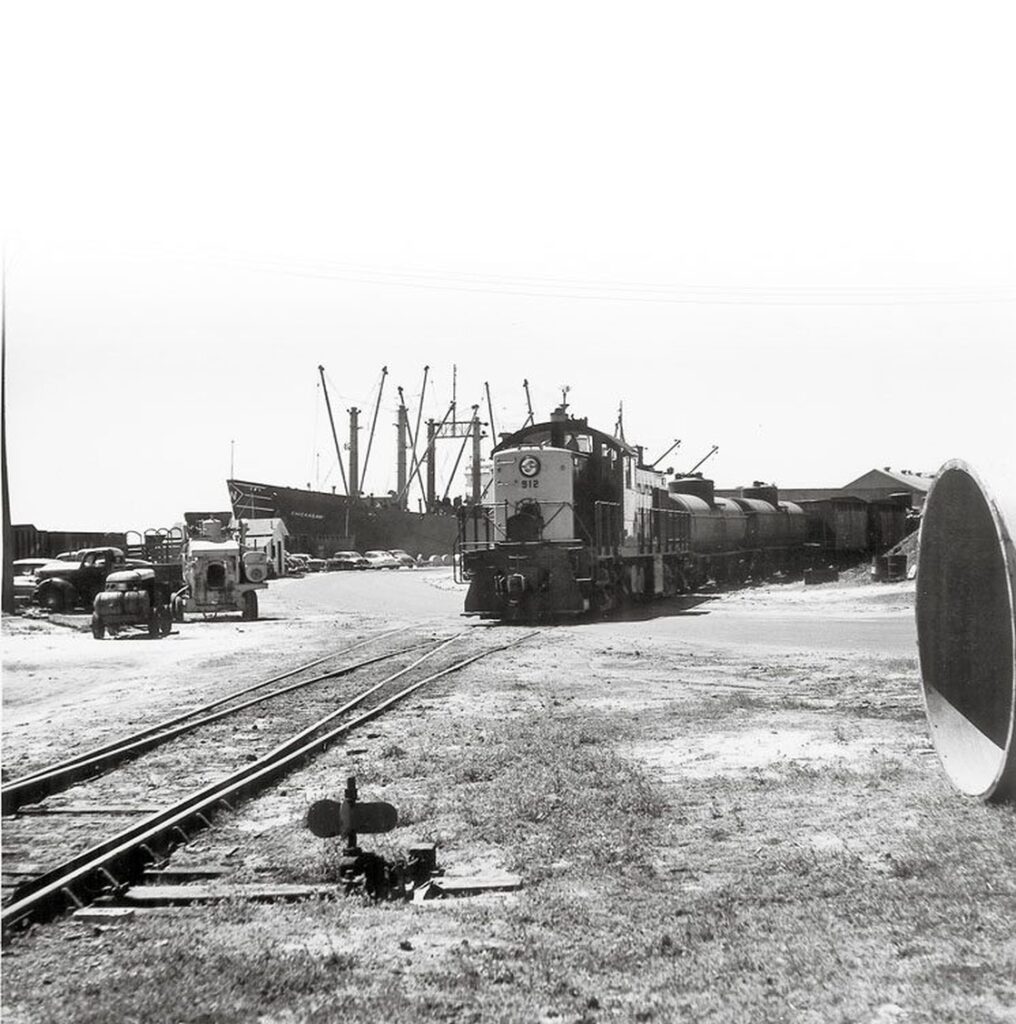
In the steam locomotive era, trains stopped longer at Chishang Station for water.
The pause created a market.
Bentō were sold on the platform during that gap.
Here, rice is the center.
In many lunch boxes, side dishes lead.
In Chishang bento, the order flips.
The container matters too.
Not plastic, but a thin wooden box.
It breathes.
It absorbs excess moisture.
It keeps the rice at a better humidity.
Rice that stays good when cold, paired with a box that regulates water.
That combination fixed the image of Chishang bento across Taiwan.
A road with no power poles
One image is often used to represent Chishang.
Brown Boulevard.
A straight road through rice fields, with no power poles in sight.
It looks too clean to be natural.
It was not an accident.
Farmers agreed to move the lines underground.
They treated scenery as part of quality.
The “tree of Takeshi Kaneshiro” became famous after an airline commercial.
People travel to stand near it.
Under that photo spot is a deeper layer.
A century of insistence on rice farming.
Tourism sits on top of agricultural time.
The taste of a settled history
I open the lid of a Chishang bento.
Steam rises.
A sweet smell follows.
Each grain carries a sequence.
Variety development.
Settlement and land work.
A brand protected and maintained by local farmers.
This is not only a souvenir.
It is a place where rice that crossed the sea a hundred years ago found a stable valley to stay in.