Michelin stars, Tom Cruise, and halal xiaolongbao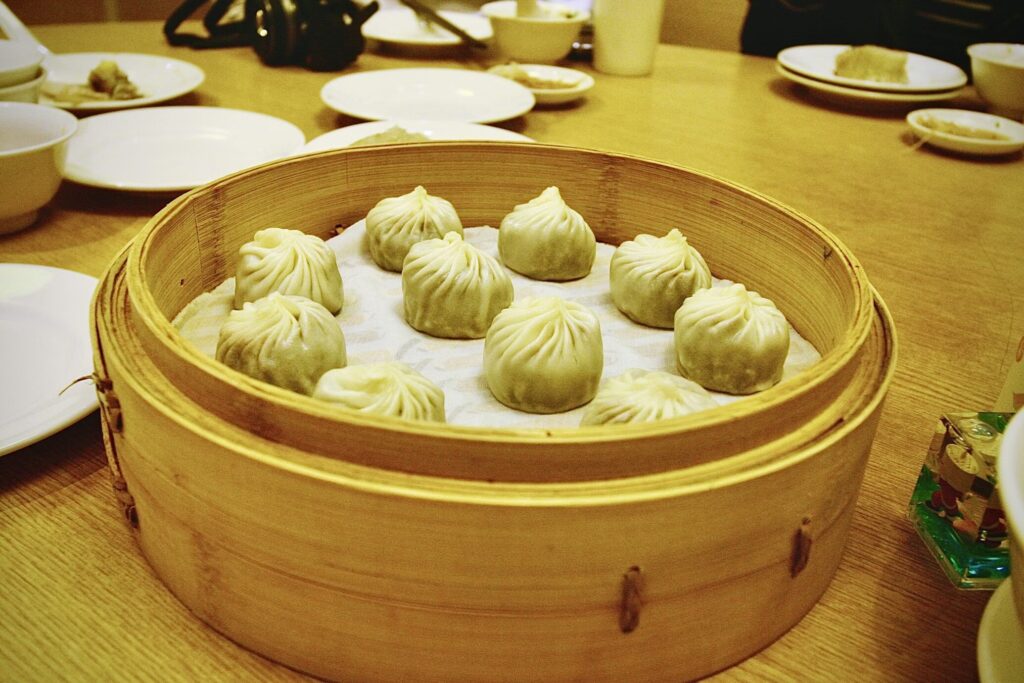
Normally, a restaurant that earns a Michelin star becomes careful.
It avoids adding seats.
It avoids opening branches.
It stays within the reach of a small group of craftsmen.
That has long been the common sense of fine dining.
Din Tai Fung stepped outside that rule.
After its Hong Kong branch earned a star in 2009,
the brand began expanding across the world at a pace closer to a fast-food chain.
More than ten new stores a year.
Japan, the United States, Europe, and the Middle East.
Michelin recognition and rapid expansion usually cancel each other out.
Din Tai Fung has kept both.
The turning point was not Taipei
The shift did not begin in Taipei.
In 2009, the Silvercord branch in Hong Kong received one star in the
Michelin Guide Hong Kong & Macau.
What was recognized was neither French cuisine nor kaiseki.
It was Taiwanese xiaochi—everyday, small-scale food.
This was the day xiaolongbao entered the same arena as global fine dining.
Until then, Din Tai Fung had been a famous Taiwanese restaurant,
a place tourists lined up for.
With the star, it became something else:
a restaurant that met a standard recognized by the world.
CNN later listed it among “the world’s best franchise restaurants for travelers.”
By then, the runway for global expansion was already in place.

Eighteen folds and twenty-one grams
The kitchen at Din Tai Fung is full of numbers.
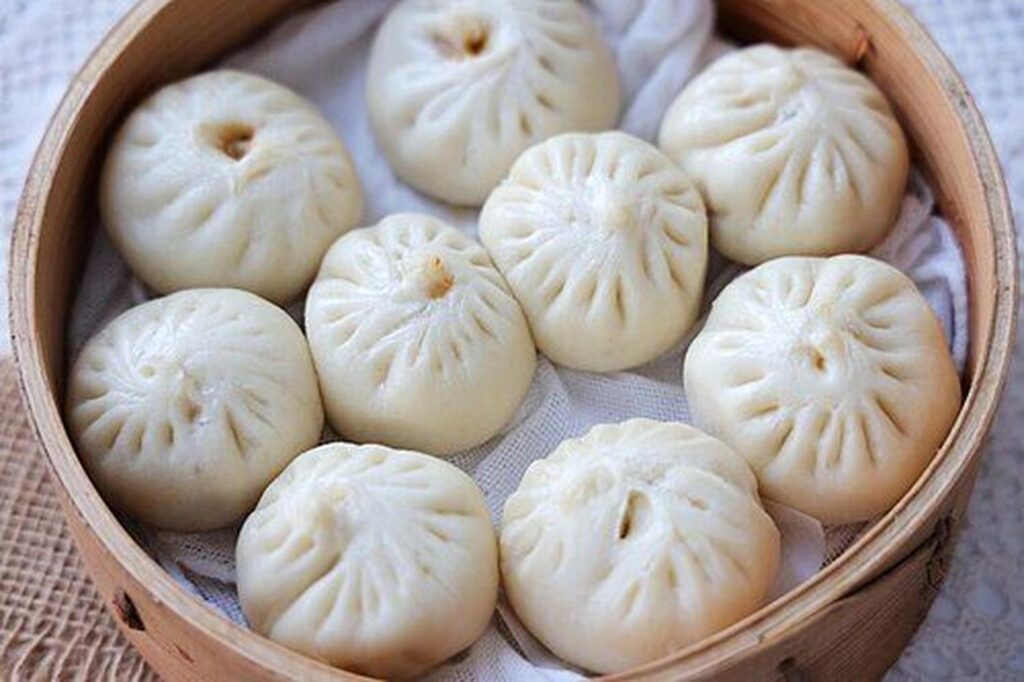
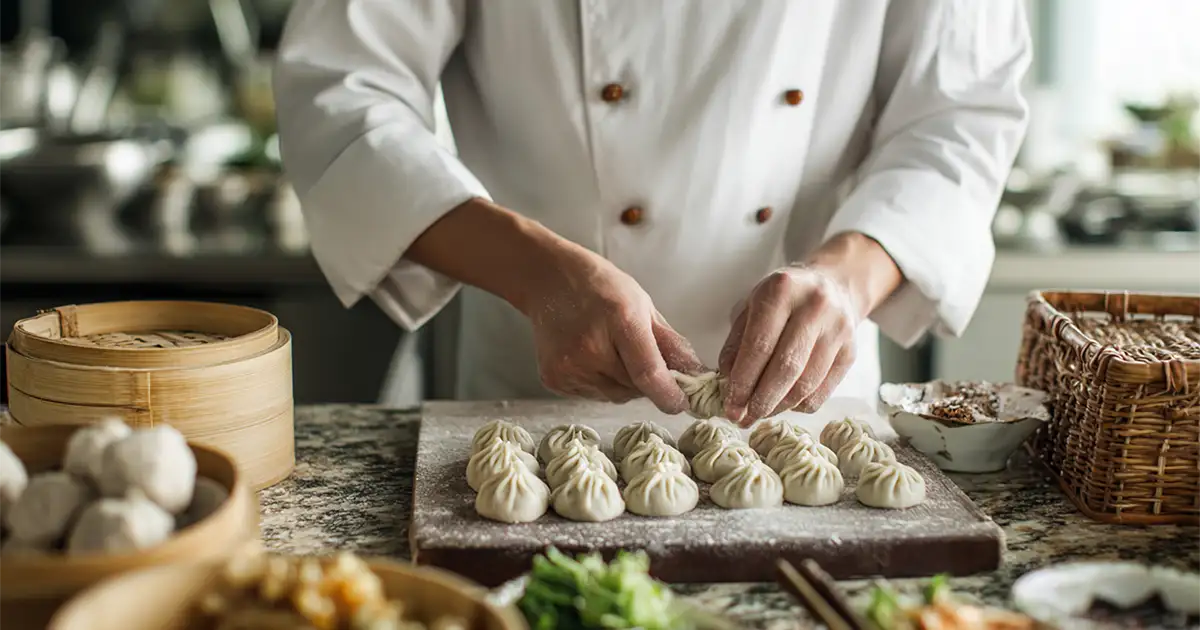
The wrapper weighs five grams.
The filling weighs sixteen.
Together, twenty-one grams.
Each dumpling has eighteen folds.
Not more. Not fewer.
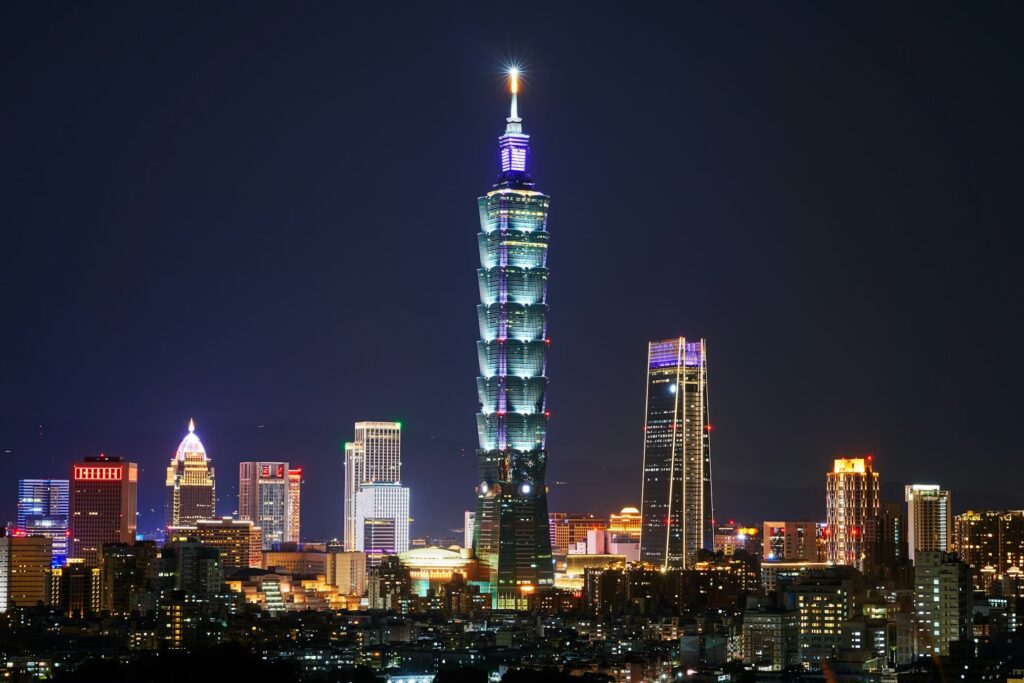
In 2013, Tom Cruise visited the Taipei 101 branch.
Wearing an apron, he tried his hand at making this dish.
What stood out was not his presence,
but the rules he encountered.
One fold too many.
A few grams off.
That alone meant starting over.
Here, intuition is not trusted.
Skill is translated into numbers.
This system is reproduced in every location worldwide.
Local staff, often part-time workers, wrap identical dumplings.
Because of that, the flavor does not drift as the number of stores grows.
Entrusting the work to selected others
Opening more than ten stores a year cannot be sustained through direct management alone.
Din Tai Fung did not try to hold everything in-house.
It adopted franchising—but in a limited form.
Anyone cannot become an owner.
Partners are chosen only from leading local companies in food and distribution.
In Japan, the partner was Takashimaya.
In 1996, this department store group became the brand’s first overseas ally.
A restaurant floor inside a department store
matched Din Tai Fung’s cleanliness without explanation.
In Southeast Asia and London, the partner was BreadTalk,
a major bakery group that provided capital and speed.
In Hong Kong, operations are handled by the Miramar Group,
a real estate and hotel conglomerate.
The Michelin-starred branch is run not by headquarters in Taiwan,
but by this local giant.
Headquarters supplies technique and brand.
Local partners supply money and locations.
Not controlling everything.
Leaving operations to those who know the ground.
That division of labor made both quality and speed possible.
When queues changed their meaning
The opening of the London branch was symbolic.
Then-Mayor Boris Johnson issued a welcoming statement.
Lines of four or five hours formed outside the store.
At that point, xiaolongbao began to carry a different meaning.
In Europe and North America, Din Tai Fung functioned
as an entry point to Asian luxury.
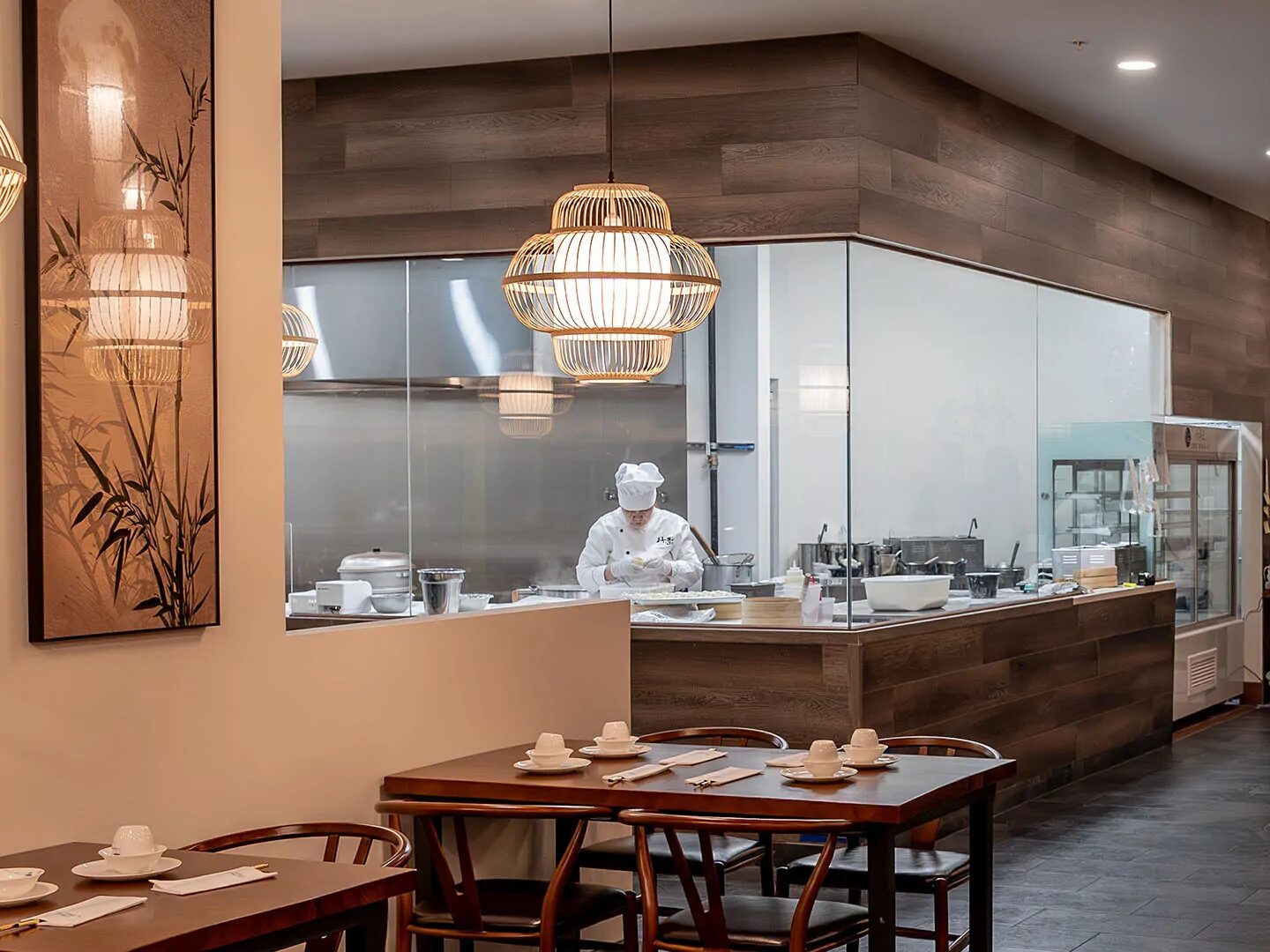
Glass-walled kitchens.
Spotless interiors.
Consistent service.
The ambiguity and unease often associated with Chinatowns
were deliberately removed.
Safe Chinese food.
That reassurance created the queues.
The decision to give up pork
The largest obstacle to global expansion was pork.
The soul of this dish is pork.
Yet there are regions where it cannot be used.
In the Middle East, Indonesia, and Malaysia,
halal certification is essential.
Din Tai Fung did not stop.
It developed versions without pork.
Chicken. Lamb.
Engineers worked to recreate the rich broth
normally produced by pork, using other proteins.
As a result, in Dubai and Jakarta,
people experienced this dish for the first time.
The moment the soup spills out is shared,
even across religious boundaries.
Tradition is not clung to.
Local culture is respected.
That flexibility is what expands the empire.
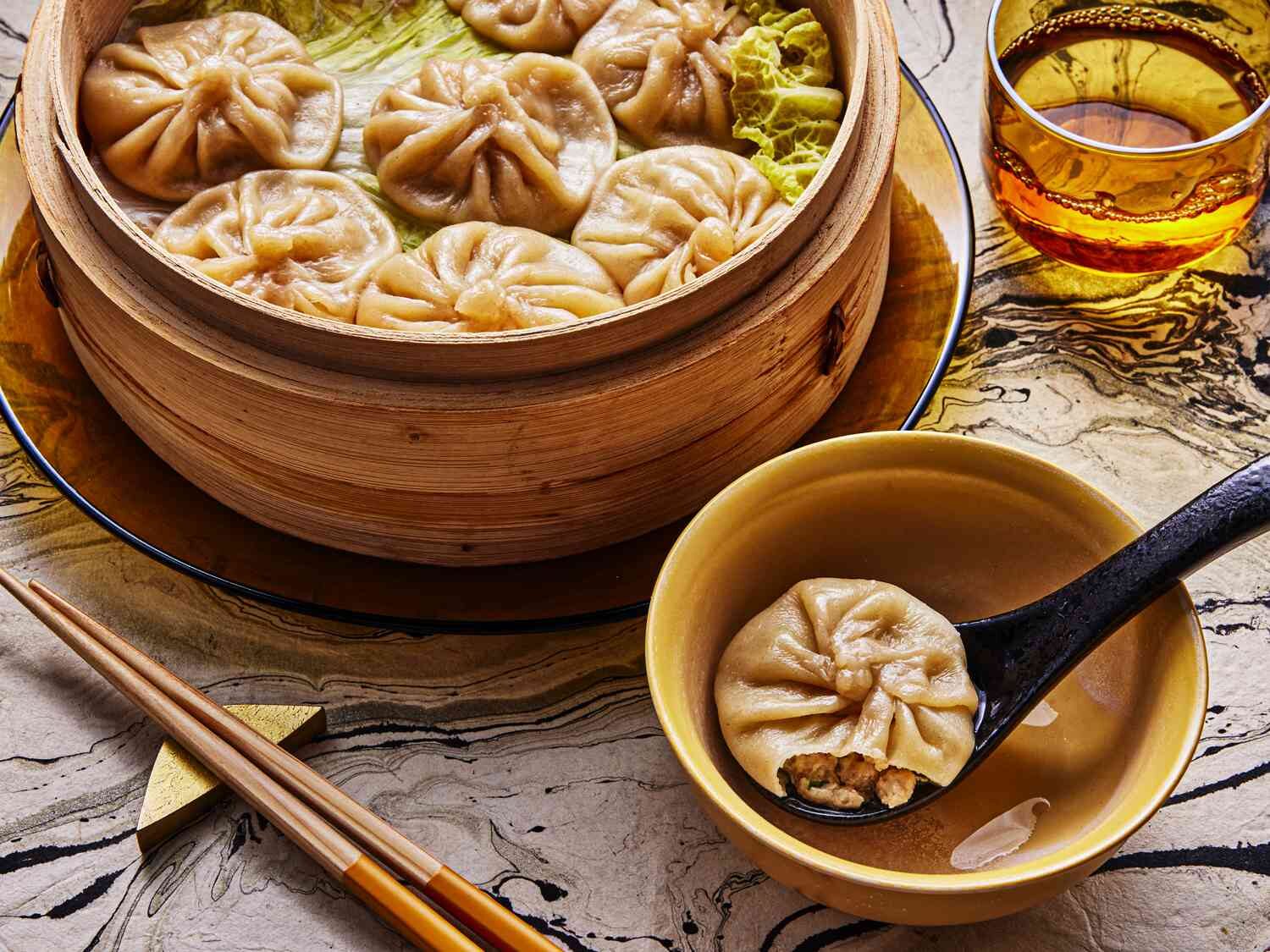
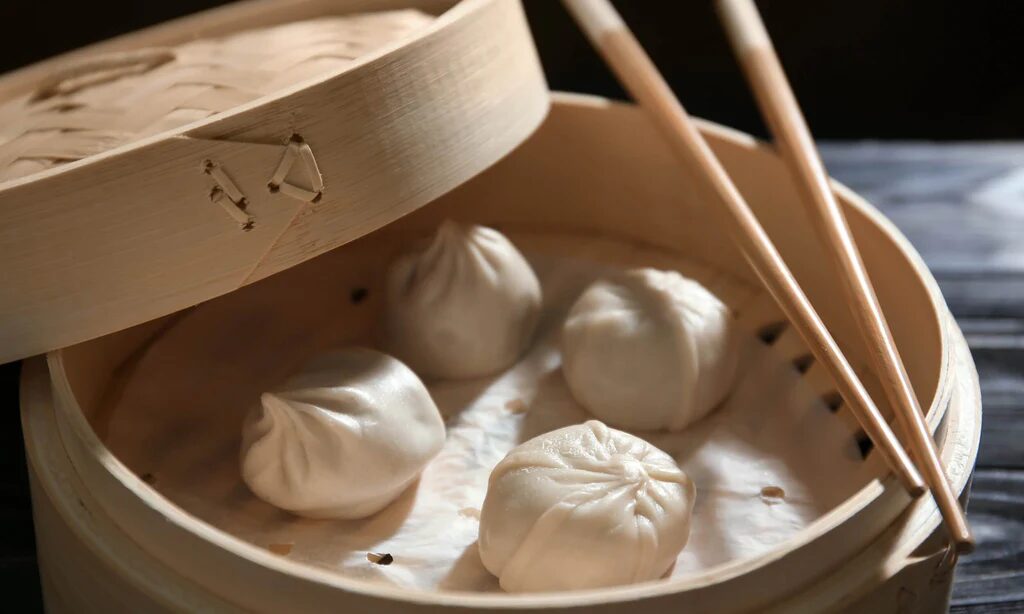
The iPhone of xiaolongbao
What Din Tai Fung has achieved could be called
the iPhone-ization of this dish.
The same quality anywhere.
A refined package.
A brand people desire.
A small cooking-oil shop founded in 1949
has become something that crosses borders and religions.
Chopsticks are lifted in Din Tai Fung restaurants around the world.
What sits there is not just a steamed dumpling.
It is a designed, managed fragment of Taiwan.
Only that fact remains, quietly,
as the meal ends.