First contact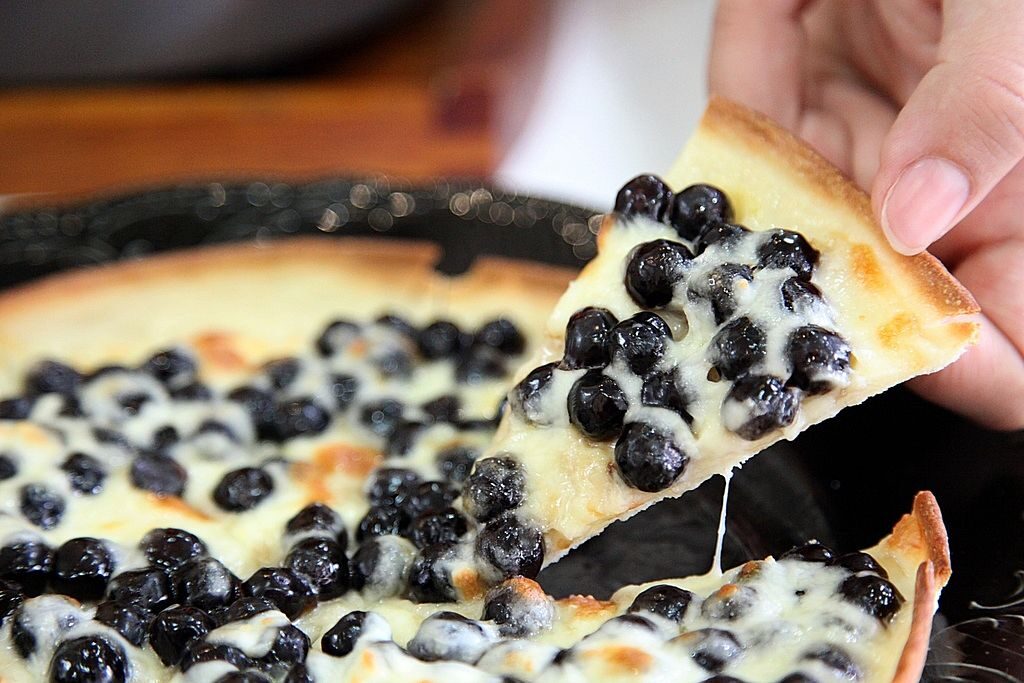
While eating dishes of foreign origin in Taiwan, I sometimes feel a mild sense of déjà vu.
The shape is familiar.
Pizza, a doughnut, a waffle.
But the moment I bite in, my jaw reacts first.
This is not the taste I know.
The cause is usually one thing.
Q.
In Taiwan, where a dish comes from matters less than whether it pushes back when chewed.
That preference has quietly, but decisively, reshaped imported food.
A declaration toward Italy: tapioca pizza
A few years ago, a Taiwanese pizza chain released what it called tapioca pizza.
Overseas media treated it as an insult to Italians.
In Taiwan, it was accepted without much drama.
Crisp dough and stretchy cheese are not enough.
Only when a chewy foreign body—tapioca—enters the circle does the dish feel complete.
Stuffed crust filled with mochi has also taken root.
Here, pizza is not a dish for tasting wheat.
It is a flat surface on which elasticity is arranged.
The real disturbance is not only textural, but cognitive.
Salt from melted cheese.
Sweet tapioca simmered in brown sugar.
While the brain hesitates between sweet and savory,
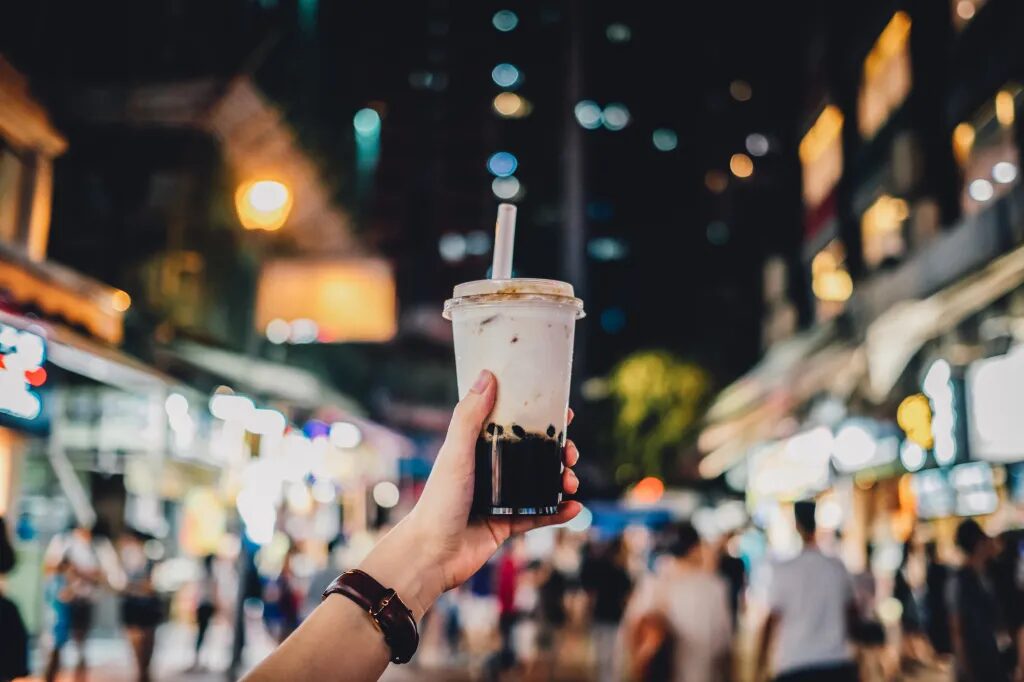
the jaw keeps working, marking time in Q.
Why only Pon de Ring survives
At Mister Donut in Taiwan, one item dominates.
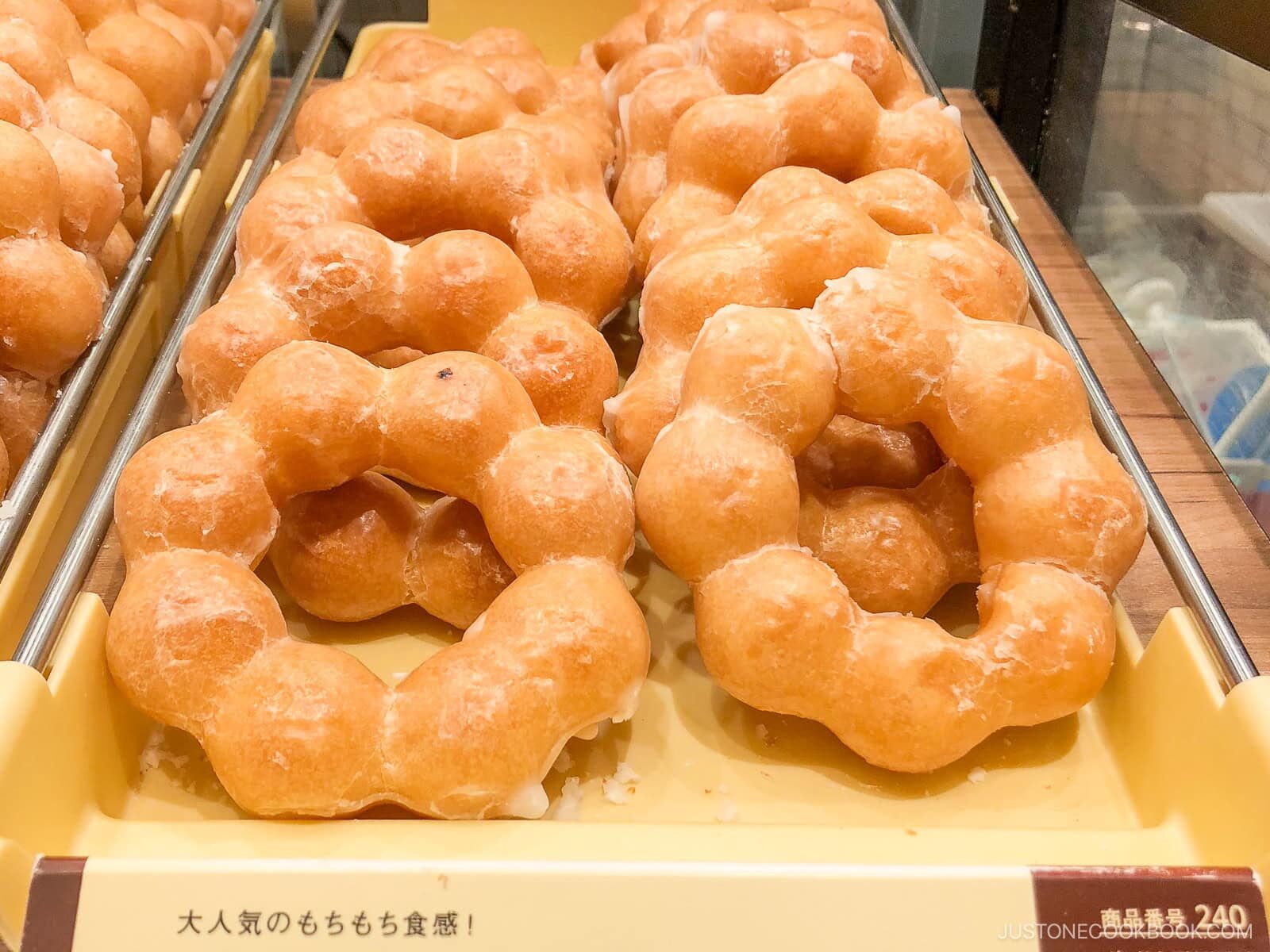
Pon de Ring.
Old-fashioned doughnuts sit quietly at the edge.
The reason is simple.
Crisp and crumbly textures only dry the mouth.
They are not Q.
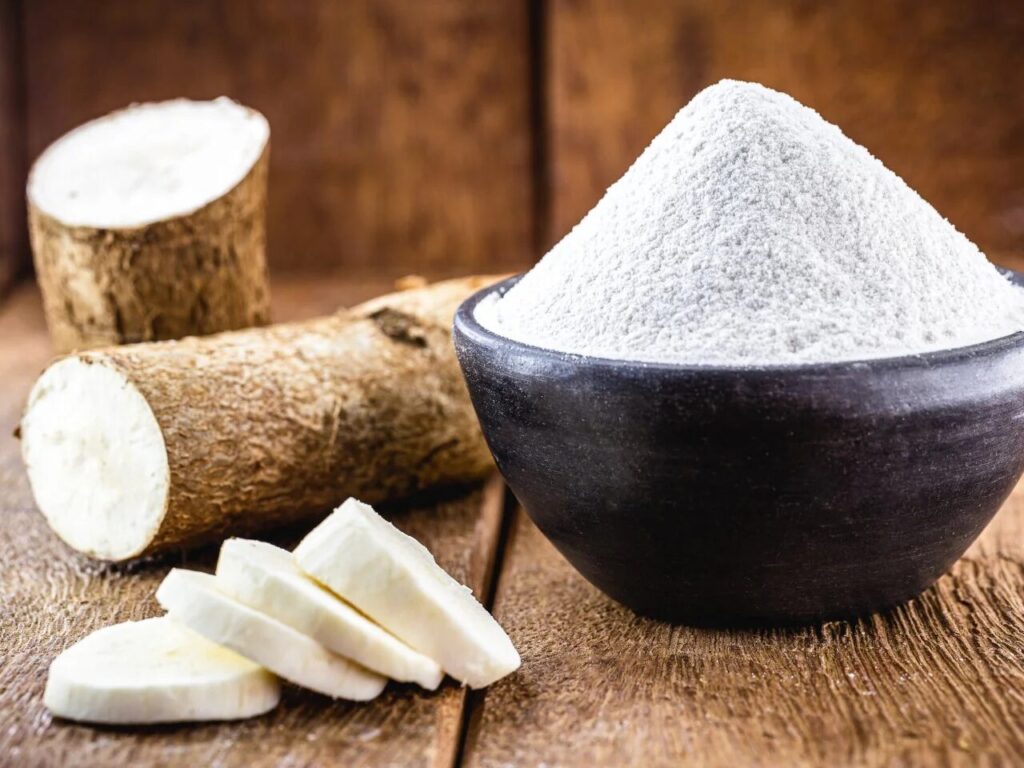
Pon de Ring, made with tapioca starch, follows a familiar sequence:
bite, push back, tear apart.
That three-step rhythm is enough.
As a result, the shop feels less like a doughnut store
and more like a specialist in ring-shaped Q sweets.
Waffles that abandon wheat
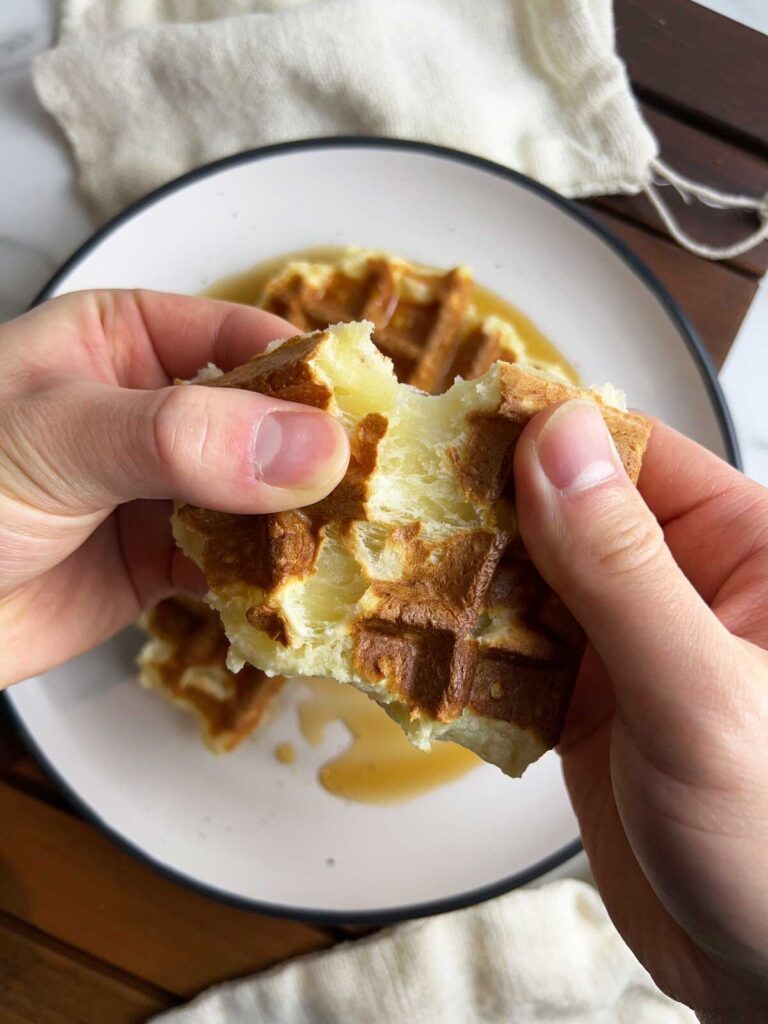
In Taiwanese cafés, cutting into a waffle can produce stretch.
Sometimes mochi is hidden inside.
Sometimes the batter itself is based on tapioca.
Crisp outside and soft inside is no longer sufficient.
A brief resistance—something that refuses the knife—is required.
To achieve this, the waffle gives up its identity.
This is not a localized Belgian waffle.
It is another dish borrowing the waffle’s outline.
The knife goes in.
A crisp sound, followed by a dull, elastic reply.
Pull the pieces apart and white mochi stretches like cheese.
A Belgian might faint at the sight.
In the mouth, however, it makes a certain sense.
The gap between brittle crust and sticky interior
is exactly the layered texture being sought.
Soft Q, not hard
Taiwanese bagels resemble those of New York only in name.
Excessive density that exhausts the jaw is unwelcome.
They are redesigned to sit in a softer zone.
Moist, elastic, but still willing to break.
Fillings follow the same logic.
Taro. Mochi.
Here again, the aim is consistent.
Not to eat wheat.
To achieve Q.
Passing through the Q filter
In Taiwan, foreign dishes must pass through a Q filter.
This is not a lack of respect for the original.
It is a strict test.
Can this food function inside a Taiwanese mouth?
If a baguette ever comes to dominate this market,
it may be the day tapioca or mochi is kneaded into its core.