a high-rise left behind by the end of a bubble
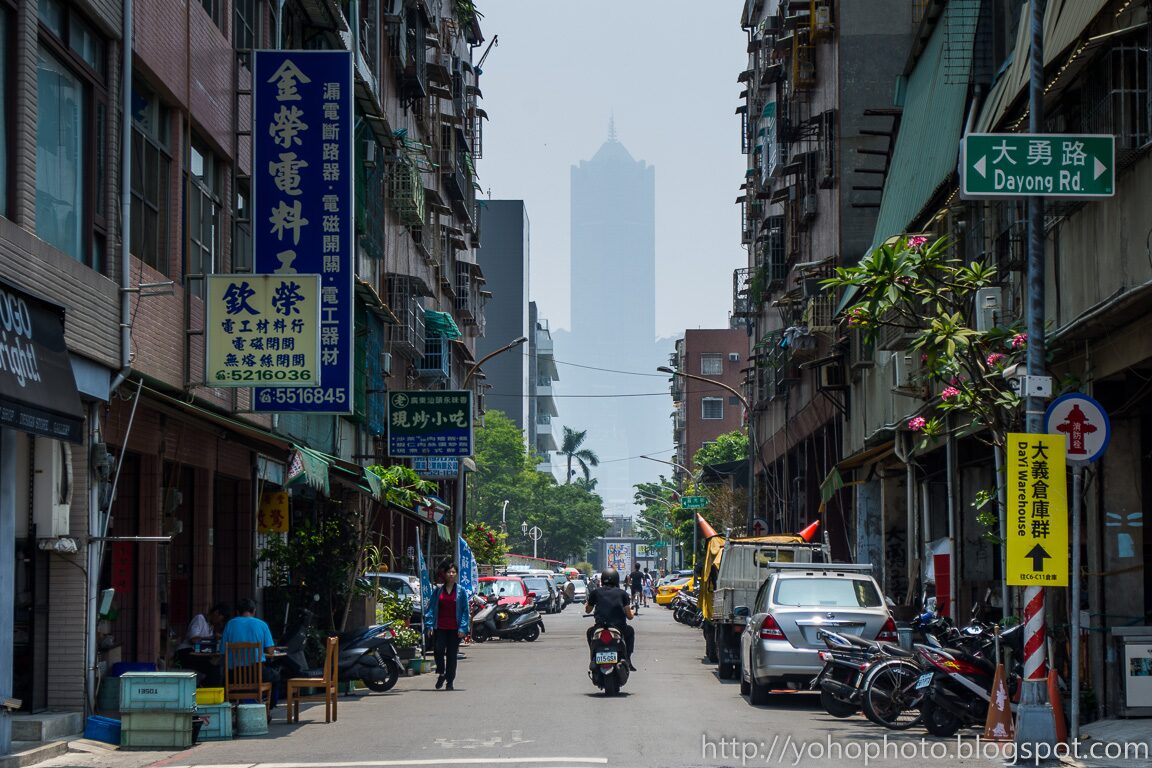
When I walk through Kaohsiung, a large shadow sometimes slides into the edge of my view.
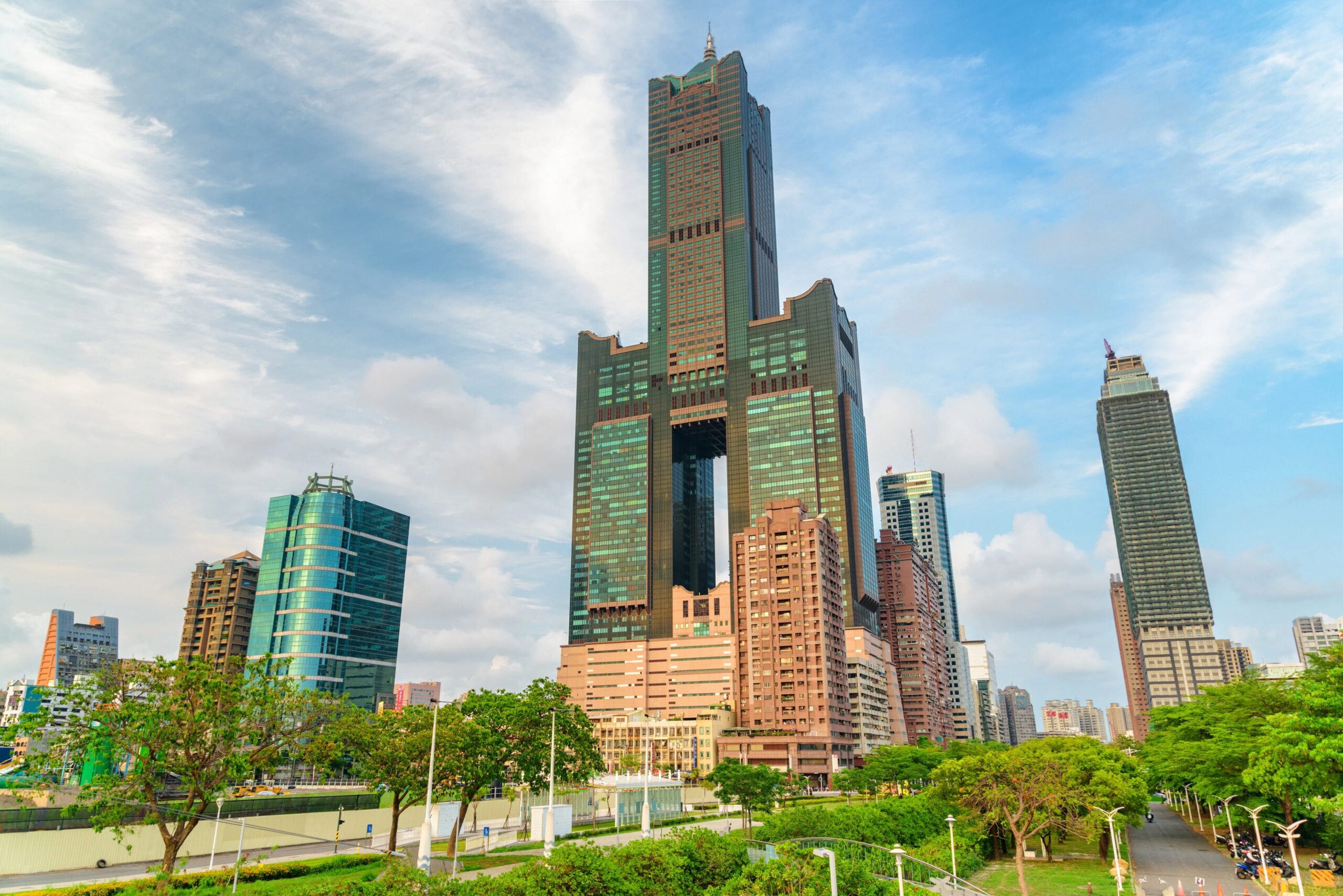
When I turn, the 85 Sky Tower is there.
It once held the title of the tallest building in Taiwan.
It was meant to be the visible ambition of a port city looking outward.
Now its outline feels dull.
As the surrounding waterfront is renewed, the tower begins to read less as pride and more as something left behind.
The irony inside the word high
The architect was Lee Tsu-yuan, who later designed Taipei 101.
The shape of the building follows the character for Kaohsiung, the high in its name.
At the time of completion, the message was simple.
Height meant prosperity.
Height meant the future.
Today that same height carries a different meaning.
It is the most visible structure in the city, and also the one that changes the least.
As everything around it becomes new, its age becomes clearer.
This is one of the quiet ironies of cities.
A castle without a ruler
What hollowed out the tower was not concrete or steel.
It was the absence of governance.
The building was once the symbol of the Tuntex Group led by Chen Yu-hao.
After the Asian financial crisis, the group collapsed.
The tower became a bundle of bad debt.
Floors were sold off.
Then rooms.
Ownership fragmented.
No one could decide for the whole anymore.
Repairs stalled.
Redevelopment never began.
A single skyscraper turned into a vertical version of a broken condominium association.
A slum that grows upward
The department store planned for the lower floors never appeared.
Much of the middle section sat empty for years.
Unmanaged space attracts both people and risk.
Illegal short-term rentals.
Sex businesses.
Drugs.
For a period, the building was known locally as a security black hole.
The luxury hotel in the upper floors closed suddenly in 2019.
The highest abandoned hotel in Taiwan came into existence without ceremony.
Looking down and being looked up at
The view from the observation deck is still clear.
The port.
The light rail.
The New Bay Area.
Kaohsiung is moving forward.
But the people on the streets no longer look up at this tower as a sign of the future.
The location is strong.
The structure is not beyond saving.
Still, when governance fails, assets die.
That rule of real estate is written here in concrete and glass.
A tower as a relic
In recent years, the Hi-Lai Group acquired parts of the building.
Yet the web of rights and the weight of age do not unwind easily.
The tower now stands as something left behind while Kaohsiung shifts away from heavy industry and property speculation toward semiconductors and tourism.
From outside, it is still high.
Inside, it is a tangle of claims.
Whether it will return is uncertain.
What is clear is that it holds the past of this city in one place.
It is not a ruin.
It is a marker left behind as the city moves on.