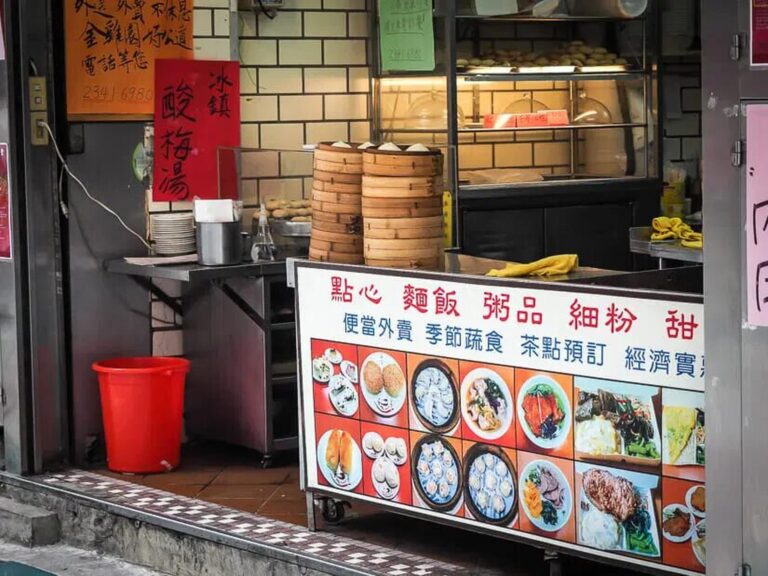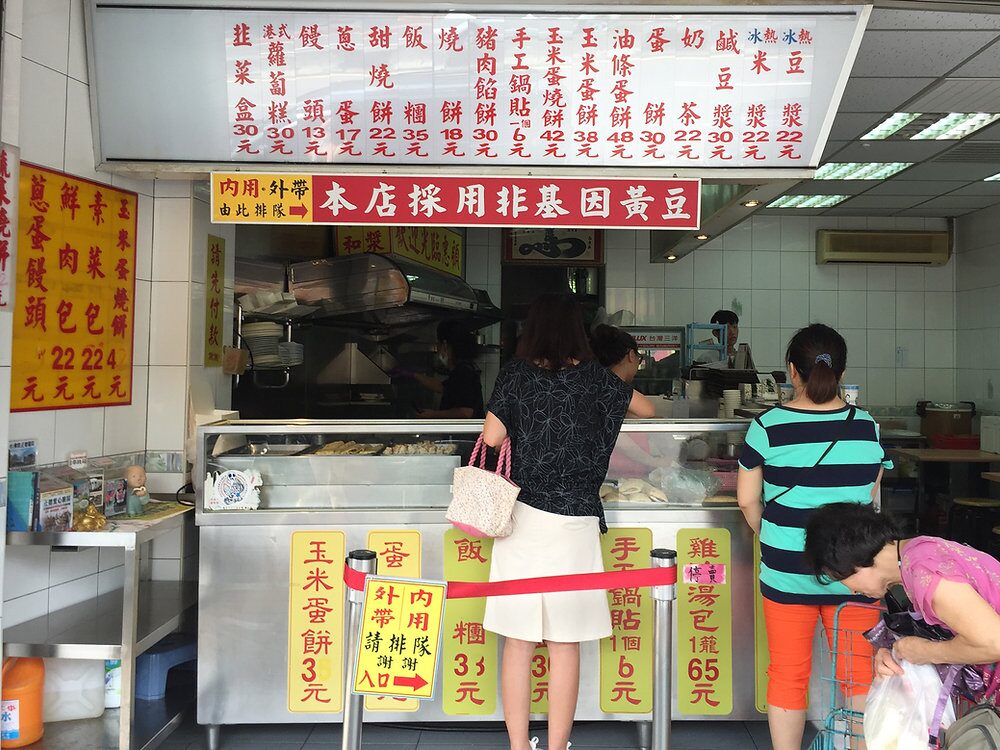
Before most storefronts open for the day, small breakfast shops are already sending out egg pancakes, flatbreads, and soy milk through narrow windows. By late morning, much of that activity has disappeared, leaving an unusually brief but steady burst of business along nearly every street.
Walking through a Taiwanese city, breakfast shops appear on nearly every street.
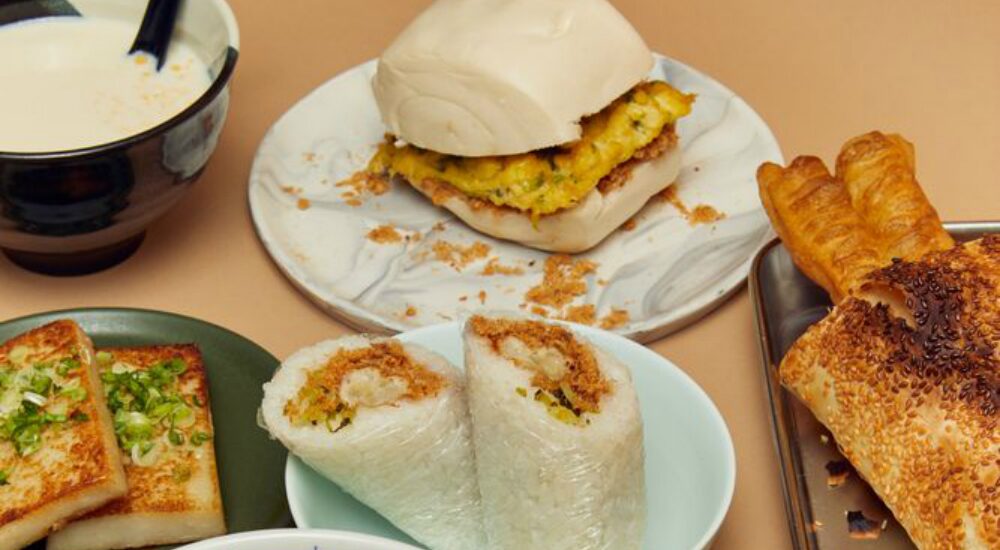
Egg pancakes, flatbread, soy milk, rice rolls.
Each morning, large volumes of food move quietly out through small windows.
This scene is not only about taste or habit.
It functions as a small economic system.
The question is simple.
How do so many shops continue to exist side by side?
A business designed for the morning
Most breakfast shops finish their peak before noon.
Actual operating time is four to five hours.
This is a different rhythm from night markets or all-day eateries.
Short hours keep labor and utility costs low.
The model fits family-run operations.
By concentrating sales into a narrow time window,
a small number of people can generate high turnover.
People do not gather because it is morning.
The shops choose to earn only in the morning.
Simplified menus
At first glance, the menu looks varied.
Egg pancake skins, flatbread, buns, rice roll fillings.
In practice, many items share the same ingredients and processes.
Egg pancake skins are prepared in bulk.
Flatbread dough is made once in the morning.
Fried dough sticks are often supplied externally.
Because preparation is divided and standardized,
movement at the counter stays smooth.
Small kitchens reflect how tightly the processes are compressed.
Soy milk and cash flow
Soy milk accounts for a large share of sales.
Its cost is low.
Serving is fast.
Takeout rates are high.
Soy milk is not a side item.
It stabilizes daily cash flow.
That is why every shop has it.
When drinks move, the shop’s economy keeps moving.
The strength of takeout culture
In Taiwan, breakfast is often taken to go.
This reduces concern about seating turnover.
Storefronts can remain simple.
Shops can operate in lower-rent locations.
Takeout turns breakfast shops into a format that can exist anywhere in the city.
That flexibility increases their number.
A light supply chain
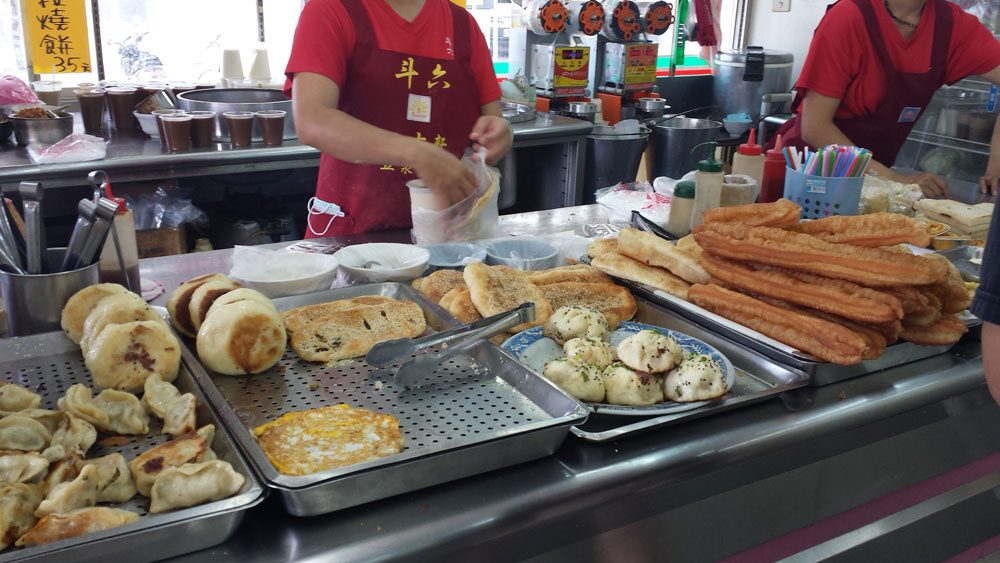
Egg pancake skins, flatbread dough, large bags of soy milk.
Breakfast shops sit between handmade food and prepared goods.
Many steps are outsourced, even if the result looks homemade.
This lightness enables individual ownership.
Breakfast shops appear to sit at the edge of the food industry.
They also act as relay points that support small businesses.
A small circulation that supports the morning
These shops are not defined only by being cheap, fast, or satisfying.
Short hours, light supply chains, takeout culture, soy milk turnover.
Together, they form a small economic loop at each street corner.
Walking in the morning,
plastic bags sway at even intervals.
Scooters create a steady flow.
Steam rises from soy milk vats.
Before food comes taste, the city produces the sound of economic movement.
When that settles, the city shifts into its next phase.
— Detour —
a little further to walk
- Notes on How Taipei Breakfast Shops Survive on 60 NT Dollars
- Notes on a Breakfast Shop in Taiwan
- Notes on Taiwan’s Layered Breakfast Streets