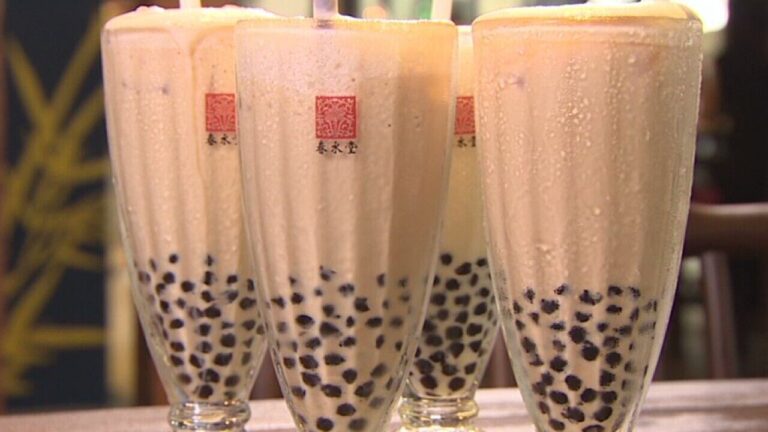
A straw reaches the bottom of a cold milk tea and meets something that does not behave like a drink ingredient: a small black sphere that gives way, pushes back, and stays chewy. The same texture also appears in tofu pudding and shaved ice, where it is eaten by the spoonful.
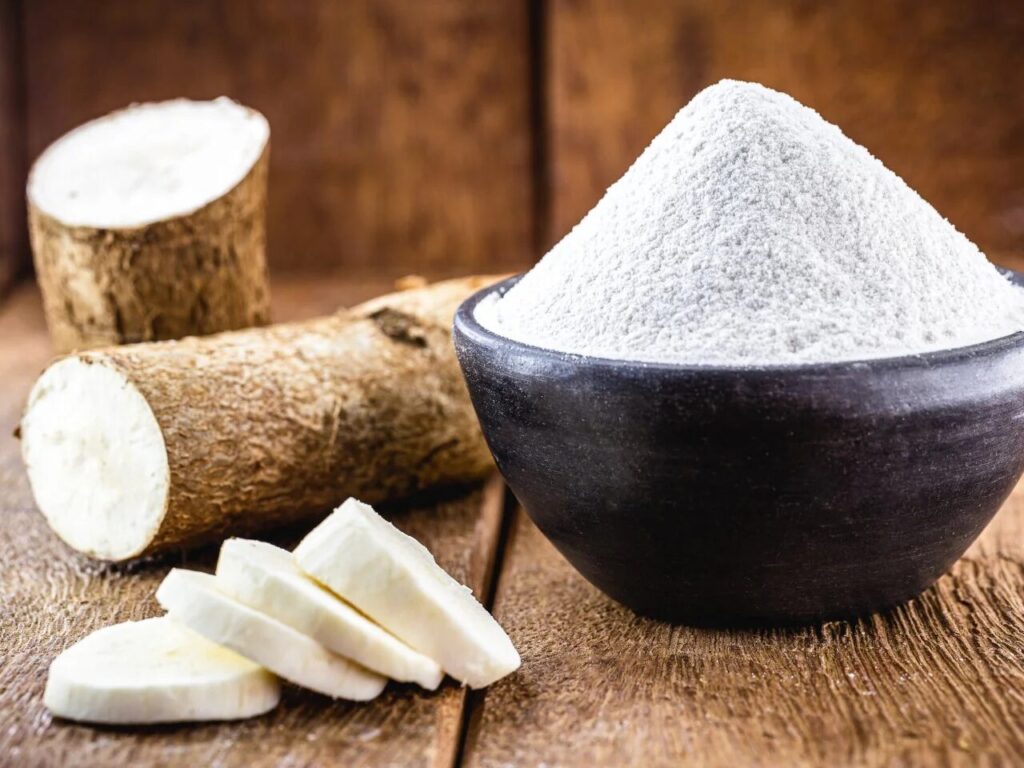
Tapioca pearls, made from cassava starch and known locally as fen yuan, are the source of the chew that Taiwanese people call QQ.
The texture is easy to notice.
The teeth sink in.
They meet resistance.
They return.
It is not something that came from this island.
Its origin is far away, on another continent.
A root that crossed the ocean
Cassava came from South America.
In Brazil and nearby regions, it was a staple long before it reached Asia.
The plant looks simple.
But some varieties contain toxins.
They cannot be eaten raw.
What made cassava usable was a process.
The roots were soaked.
They were ground.
They were dried into starch.
This turned a dangerous tuber into a stable source of calories.
During the age of maritime trade, Portuguese and Spanish ships carried it east.
By the late nineteenth century, it had reached Taiwan.
During the Japanese period, its cultivation expanded.
A quiet crop in a time of shortage
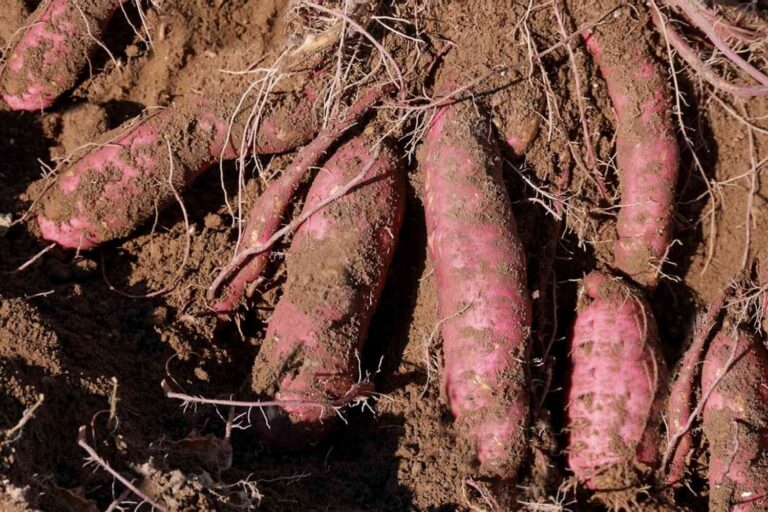
When people speak of staple foods in Taiwan, they often mention sweet potatoes.
Cassava belonged to the same category.
It was what people used when rice was not enough.
It also had other roles.
Glue.
Alcohol.
Animal feed.
In the hills of central and southern Taiwan, it became an industrial starch crop.
It was cheap.
It was stable.
It was always available.
This constant flow of starch would later support a different kind of food culture.

Small spheres before black pearls
The form that existed first was not the large black bead seen today.
It was small.
Often clear or amber.
Served in syrup, tofu pudding, or shaved ice.
People ate it with a spoon.
It belonged to desserts, not to drinks.
Milk tea was not part of this picture.
At that time, no one expected it to be.

Why chewiness matters
In Taiwan, QQ is not just a sound.
It is a scale of judgment.
Too hard is not right.
Too soft is not right.
The pleasure is in the balance.
Fish balls.
Taro balls.
Thick soups with suspended meat.
Many street foods follow this rule.
Cassava starch fit into it without resistance.
It was easy to process.
It was cheap.
It produced the right kind of bounce.
So this small starch sphere stayed.
It did not need to be explained.

From necessity to preference
At first, cassava was a food of necessity.
People ate it because they had to.
Over time, the techniques changed.
The starch became smoother.
The texture became more precise.
What had been a substitute became something people asked for.
This was a quiet reversal.
Calories turned into preference.
In the 1980s, this chew was placed into a cold milk tea.
From bowl to cup.
From spoon to straw.
The texture became portable.
The next stage of the story was already in place.
— Detour —
a little further to walk
- Notes on Bubble Milk Tea and Its Quiet Revolutions in Taiwan
- Notes on the Texture Called Q in Taiwan
- Notes on the Global Spread of Bubble Milk Tea from Taiwan