At a Taiwanese breakfast shop, “soy milk” can arrive as a cold, sweet cup pulled through a straw or as a hot, savory bowl dotted with curds, scallions, and chili oil. The same pale liquid occupies two very different places in the morning meal.
Mornings in Taiwan often begin with a warm, sweet smell. It is the scent that drifts out from deeper in an alley, the distinct aroma of soybeans. When I step onto the street, many people already have a white cup in hand. The same scene repeats at convenience stores, street stalls, and chain shops. When a straw is pushed through the lid, a dry popping sound follows. In these streets, that small crack is a more reliable signal of morning than an alarm clock, as if it were the cue that starts the day.
Sometimes heat presses through the palm. Sometimes a cold cup is wet with condensation. Unless this white liquid, soy milk (doujiang), is sent down into the stomach, the day on this island seems slow to start moving.
The breakfast shop as a noisy base
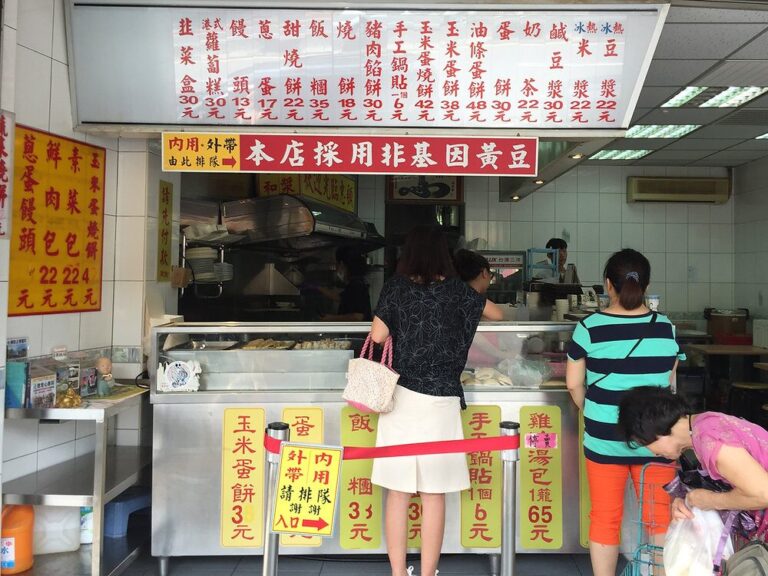
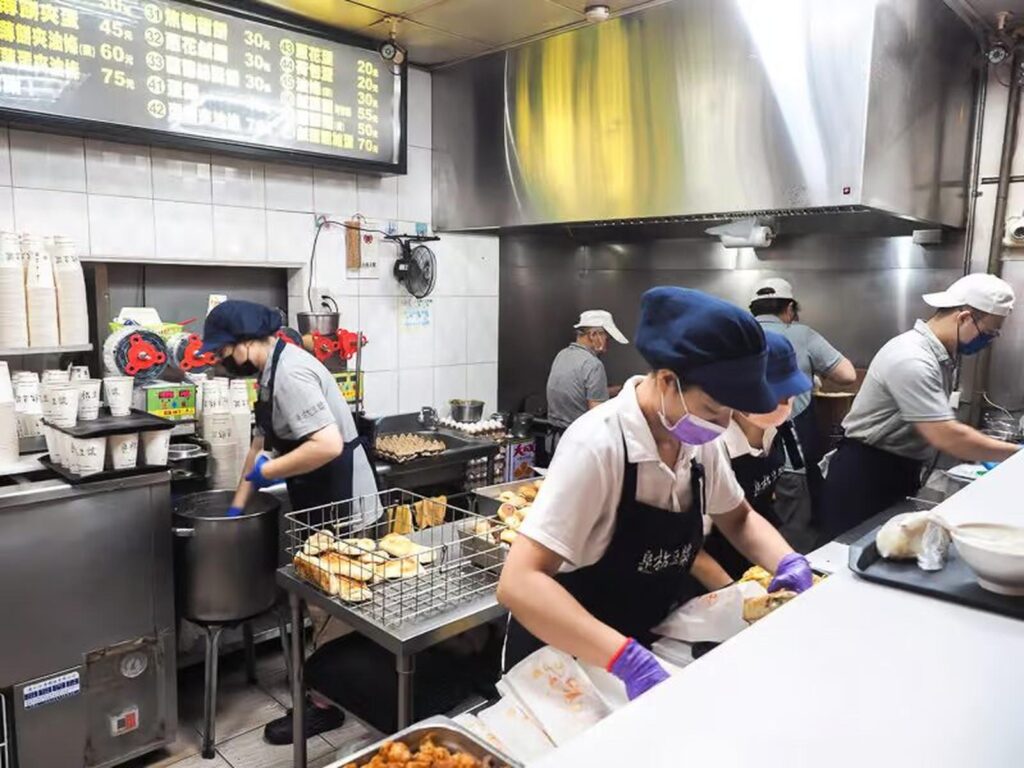
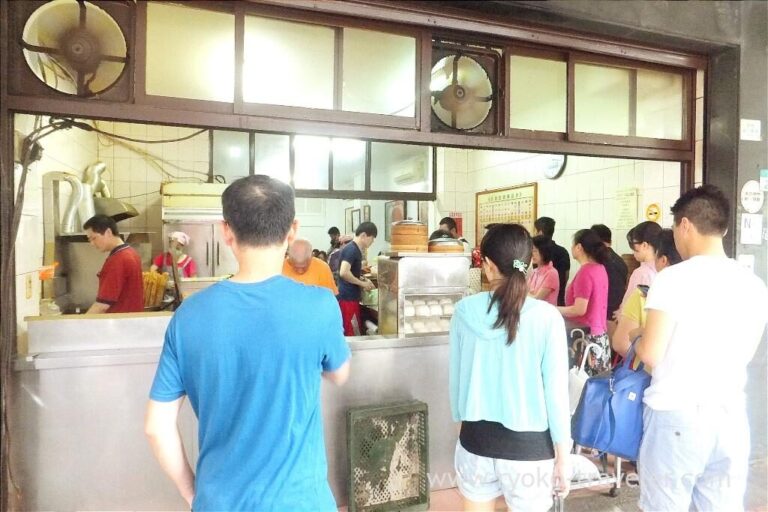
The place where soy milk gathers is predictable. It is the breakfast shop known as a zaocan dian. It is not a quiet space like a café. It carries the heat of something closer to a small battlefield. The metal sound of eggs and radish cakes hitting a hot plate does not stop, and the aunties behind the counter call out in loud voices. “Dine in? Take out?” Each time the question flies across the room, the flow of people rearranges itself.
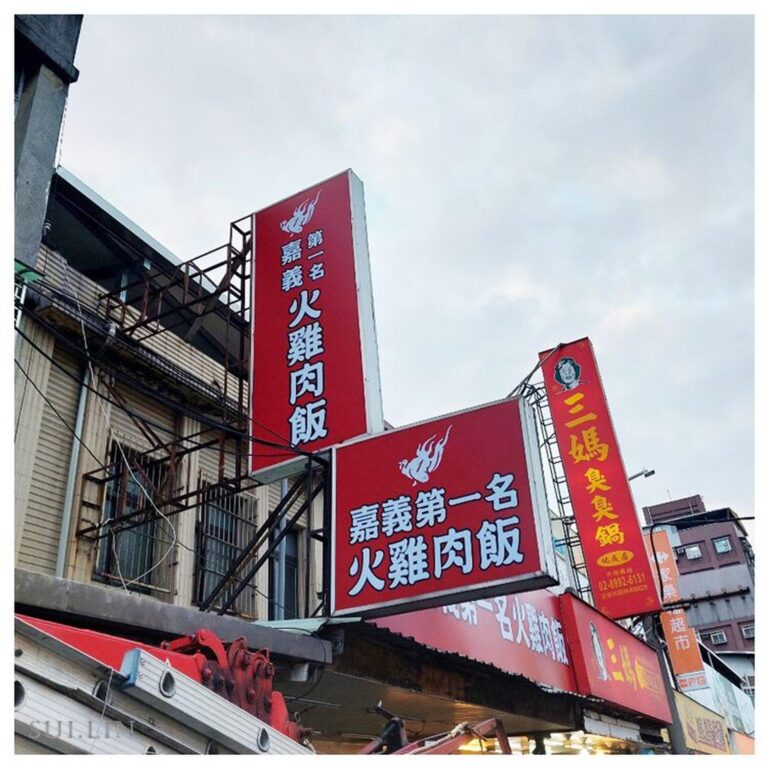
Red-letter menus cover the wall in dense layers. Shaobing, danbing, mantou, fantuan. The combinations look almost endless, yet customers announce their orders without hesitation. Students, office workers, and elderly neighbors sit on the same plastic chairs. The breakfast shop feels less like a restaurant than a supply point designed to keep the society moving.

A wheat-based morning brought in after 1949
The breakfast scene has a clear starting point, and it is 1949. After losing the Chinese Civil War, the Kuomintang government moved to Taiwan, and around two million people crossed the sea from the mainland. Many of them came from regions where wheat, not rice, had been the staple. Shandong and Hebei, northern lands shaped by cold weather. Their morning table held shaobing and mantou, not congee.
This wheat culture was laid on top of what Taiwan had already eaten in the morning. It was not a sudden change, but the scale was overwhelming. The morning built around soy milk and flour foods began spreading from this movement of people. The starting point of Taiwan’s soy milk culture sits on this historical fault line.
Yonghe as a test ground
The flow appeared in its densest form in Yonghe. In this satellite city connected to Taipei by a single bridge, many retired soldiers and their families settled. Their options for making a living were limited. They began by baking shaobing on the street, grinding soybeans into soy milk with stone mills, and selling to early-morning workers. Demand expanded quickly. Shops stayed open not only in the morning but late into the night, and before long, twenty-four-hour service was no longer rare.
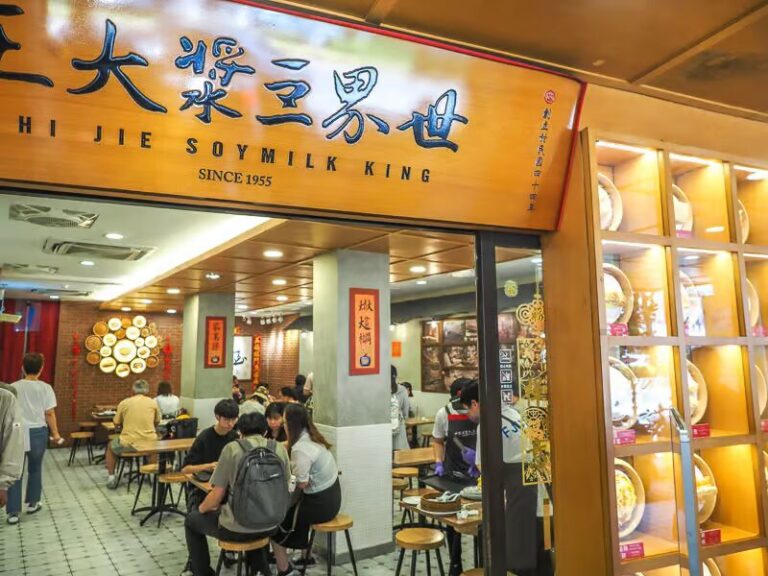
From that density, famous shops such as World Soy Milk King emerged. Over time, the place name “Yonghe” began to point not just to a district but to a breakfast style built around soy milk and shaobing. The “Yonghe Doujiang” signs seen across Taiwan are not branches of a single company. They are imitations of a way of living formed in that city, and also a gesture of respect toward a culture. Soy milk shifted from a migrant livelihood to a standard morning across the island.
A white liquid split into two
When I step into a breakfast shop, almost the same words arrive. “Sweet, or savory?” At first the question sounds like a simple preference check. In practice it confirms which of two soy milks a person is choosing, because the two are different in their nature. Even when both are made from the same bean, their roles, the way they are consumed, and what they mean after entering the body are not the same.
Sweet soy milk as fuel
Sweet soy milk is a liquid designed to be a drink. It is white and thin, poured into paper cups or plastic cups, and pulled up directly through a straw. What it offers is less hydration than morning energy. Joined to Taiwan’s sugar culture, soy milk became naturally sweetened. Workers drink it. Students carry it on the way to school. A liquid that delivers sugar and plant protein at the same time becomes a kind of fuel, a way to start the body efficiently.
It functions less like a substitute for coffee than as part of breakfast itself.
Savory soy milk as a dish
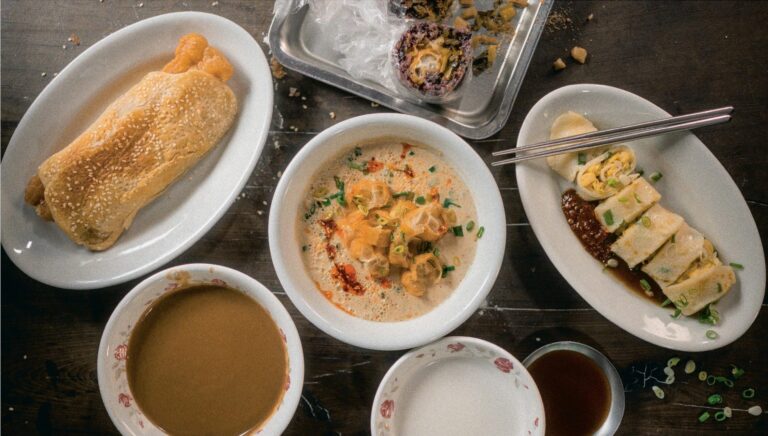
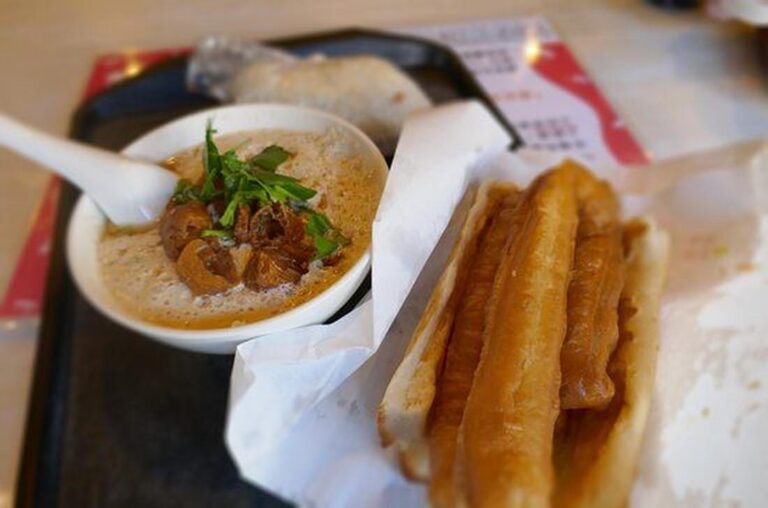
Savory soy milk sits slightly outside the word drink. When vinegar is added to hot soy milk, the liquid slowly begins to set. It does not become firm tofu. It turns into a soft, curdled semi-solid. Chili oil may be dropped in, and chopped scallions, zhacai, and dried shrimp are added. What sits in the bowl is not a liquid for thirst. It is a soup meant to be eaten.
Its roots lie in the Yangtze River Delta, in the soy milk soup culture around Shanghai. In Taiwan, that form was built into breakfast as a central item. If sweet soy milk is fuel, this one stays closer to a warm meal.
Why shaobing is almost always nearby
In these breakfast shops, shaobing is almost always next to soy milk. It is a baked bread made from wheat. The pairing does not look accidental. Wheat is an excellent source of calories, but it is extremely low in lysine, one essential amino acid. Even when eaten in large amounts, it is hard for the body to build complete protein from it. Soybeans, by contrast, contain abundant lysine. Taking the two together covers each other’s weakness. The result becomes a nutritional structure closer to meat.
People likely kept choosing this pairing through hard times without knowing the theory. Shaobing and doujiang were not tied together only by taste.
In many rice-based societies of Southeast Asia, soy milk did not become the main actor in the morning. One reason may be that the amino acid balance of rice was more favorable than wheat. Taiwan’s breakfast structure can look like something shaped by the body’s needs.
A small ordering field guide at the counter
In a breakfast shop, soy milk does not end as a single option. Temperature, sweetness, and ingredients overlap, and each cup is assembled.
Choosing a temperature
Iced is cold soy milk. In seasons of strong sunlight, it becomes the default. Warm is mild, chosen as a gentler temperature for the stomach. Hot is very hot, and in winter, or alongside the savory bowl, it becomes the standard.
Deciding sweetness
Full sugar is called the standard, yet it is clearly sweet. Half sugar cuts that, and many people settle there. No sugar is also called pure soy milk, and the soybean flavor comes forward. Within a sugar culture, it becomes a choice that signals preference.
Ingredient variations
Black soybean soy milk uses black beans. The color deepens and the roasted aroma grows. Wheat germ soy milk includes soybean germ, and it is chosen by people who pay attention to nutrition.
Four staples that stand next to soy milk
At the counter, next to the soy milk cups, a familiar set of items is usually lined up. Each one seems less like a dish that completes itself and more like something that becomes complete only when paired with soy milk. Here I look at what each item does.
Shaobing
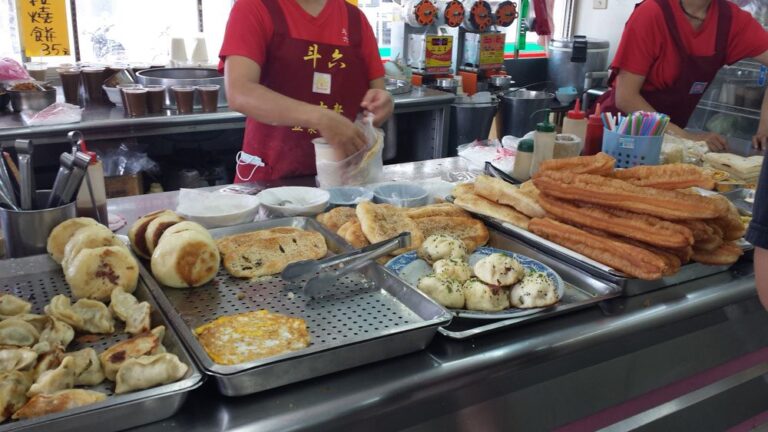
Shaobing is closer to bread, baked from layered dough. The surface is dry and the inside holds oil. When bitten as it is, the toasted aroma comes first. Many people dip it into soy milk. Oil and liquid mix, and the bite loosens in the mouth. It is not only a staple. It also acts like a vessel designed to absorb soy milk.

Youtiao
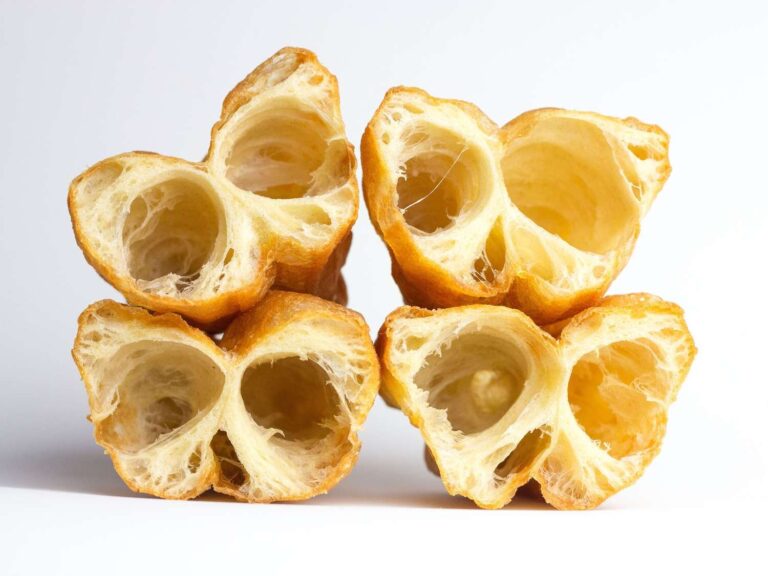
Youtiao is a long fried bread. It looks like a staple, yet in Taiwan it is often treated as a filling. It is tucked into shaobing or sunk into soy milk. A mass of oil can be heavy on its own, but with soy milk’s moisture it becomes easier to eat. The pairing can look like a structure designed to process fat and liquid together.
Danbing
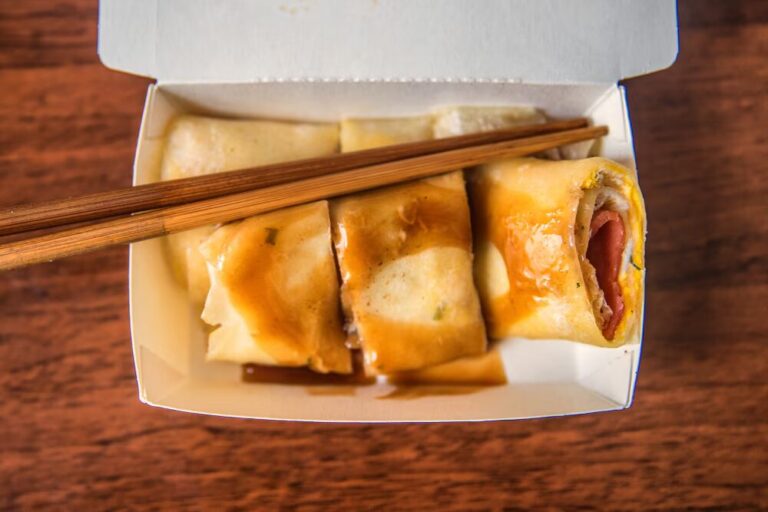
Danbing is a thin crepe-like item with egg poured into the batter. The outside is chewy and the richness of egg spreads inside. It is not very oily, and the mouthfeel stays light. Next to sweet soy milk, the balance tightens. Shaobing and youtiao carry weight, and danbing supplies softness.
Fantuan
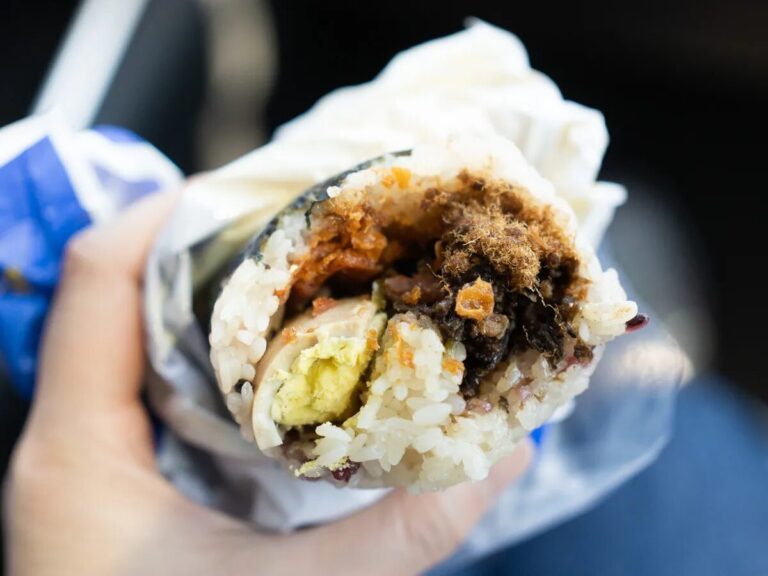
Fantuan is a Taiwanese rice roll. Inside sticky rice, items such as youtiao, pork floss, and pickles are packed. One piece carries real volume. Eaten alone it can dry the throat, and soy milk becomes naturally necessary. Fantuan can look like a dish built to make a person drink.
A northern symbol of morning
In Taipei, one shop often cited as a symbol of this pairing is Fu Hang Doujiang. It sits near Shandao Temple station, on the second floor of Huashan Market. Before dawn, the line can run down the stairs, and the line itself becomes part of the morning scene. Many people choose thick shaobing with egg. A thick bread is split, egg is placed inside, and it is baked in an oven over charcoal.
The surface stays tight. The inside is chewy. The smell of wheat and charcoal remains strong. With it, people take savory soy milk. The warm, soup-like soy milk receives the oil and the dough, and a northern breakfast is completed.
A southern center of gravity
In the south, the structure shifts slightly. In Kaohsiung, a symbolic place is Xinglongju, founded in 1954. In the morning, steam spills out toward the street. Customers carry trays and move through the space like a school lunch line. Here the main item is not shaobing. It is tangbao.
Inside a bun about the size of a fist, there is soup in large quantity, like xiaolongbao, but scaled up. When the skin is broken, juices run out and the sweetness of cabbage spreads. People take it in, then send down cold sweet soy milk. If the north is a structure of wheat and soup, the south approaches a structure of meat juice and sugar.
A morning held together by a white liquid
The raw material was imported soybeans. The style was a wheat culture brought from the north. The sweetness joined Taiwan’s sugar culture. These layers overlap and form the soy-milk-centered breakfast of today. Cafés have increased. Convenience stores have spread. Even so, white cups remain in people’s hands.
— Detour —
a little further to walk
- Notes on Two Forms of Soy Milk in Taiwan’s Breakfast Shops
- Notes on Yonghe Soy Milk Shops
- Notes on Shaobing and Youtiao in Taiwan