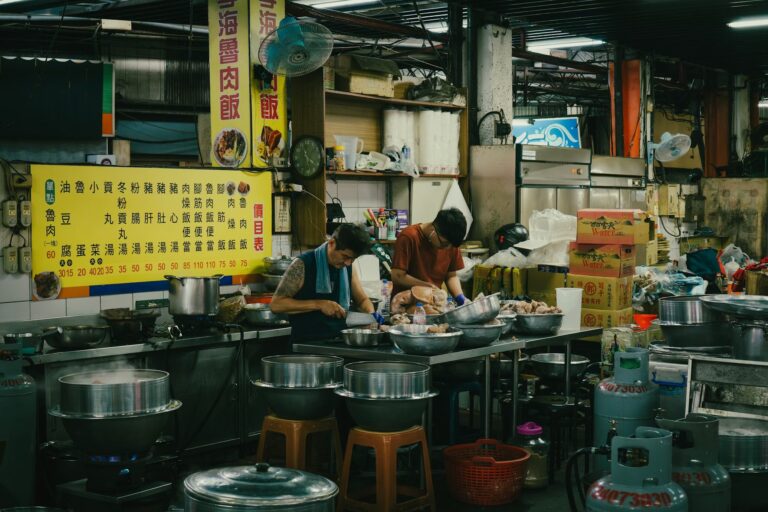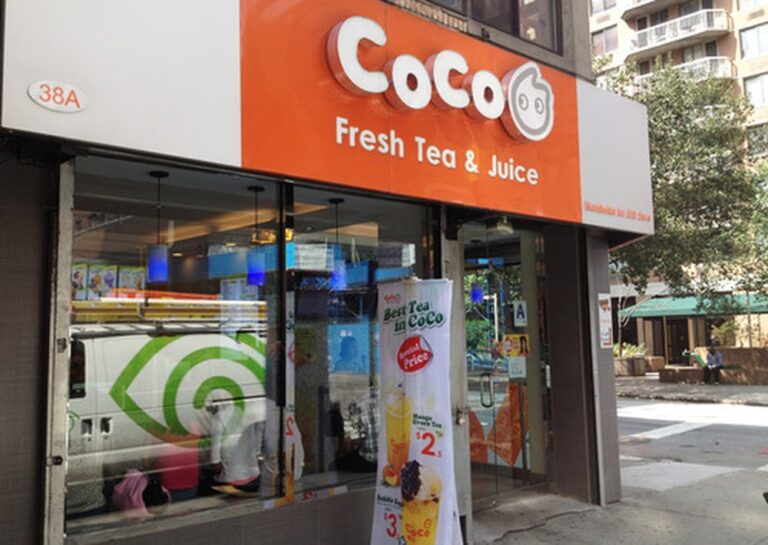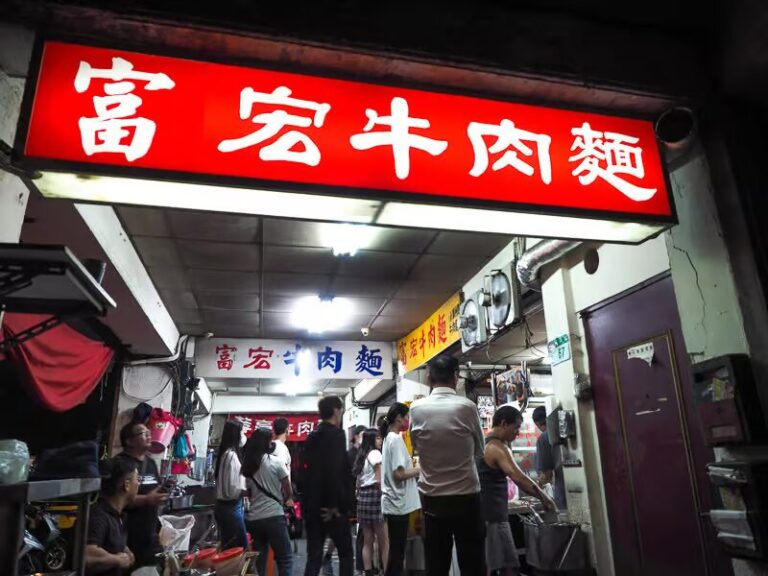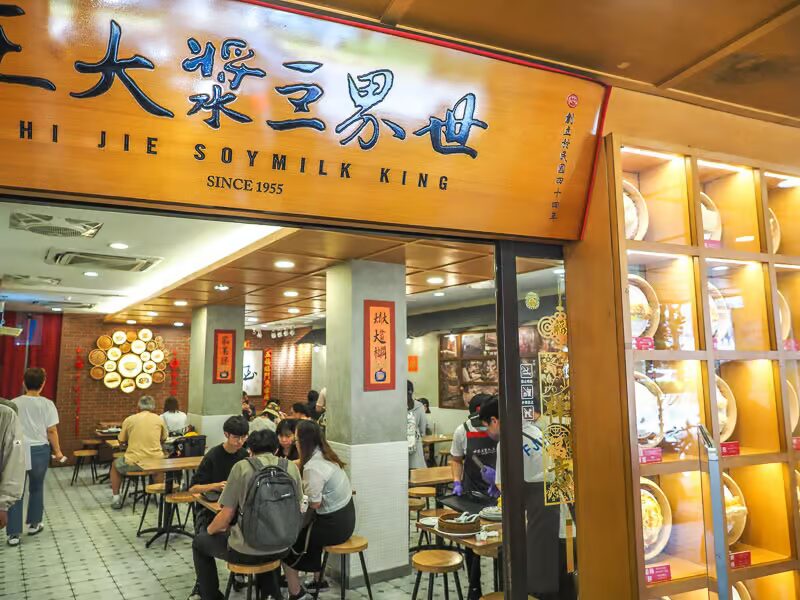
In Taipei, red signs reading “Yonghe Doujiang Dawang” appear often enough to suggest a single chain. Yet the storefronts, menus, prices, and logos keep changing from one shop to the next.
Walking through Taipei, I encounter the same sign repeatedly.
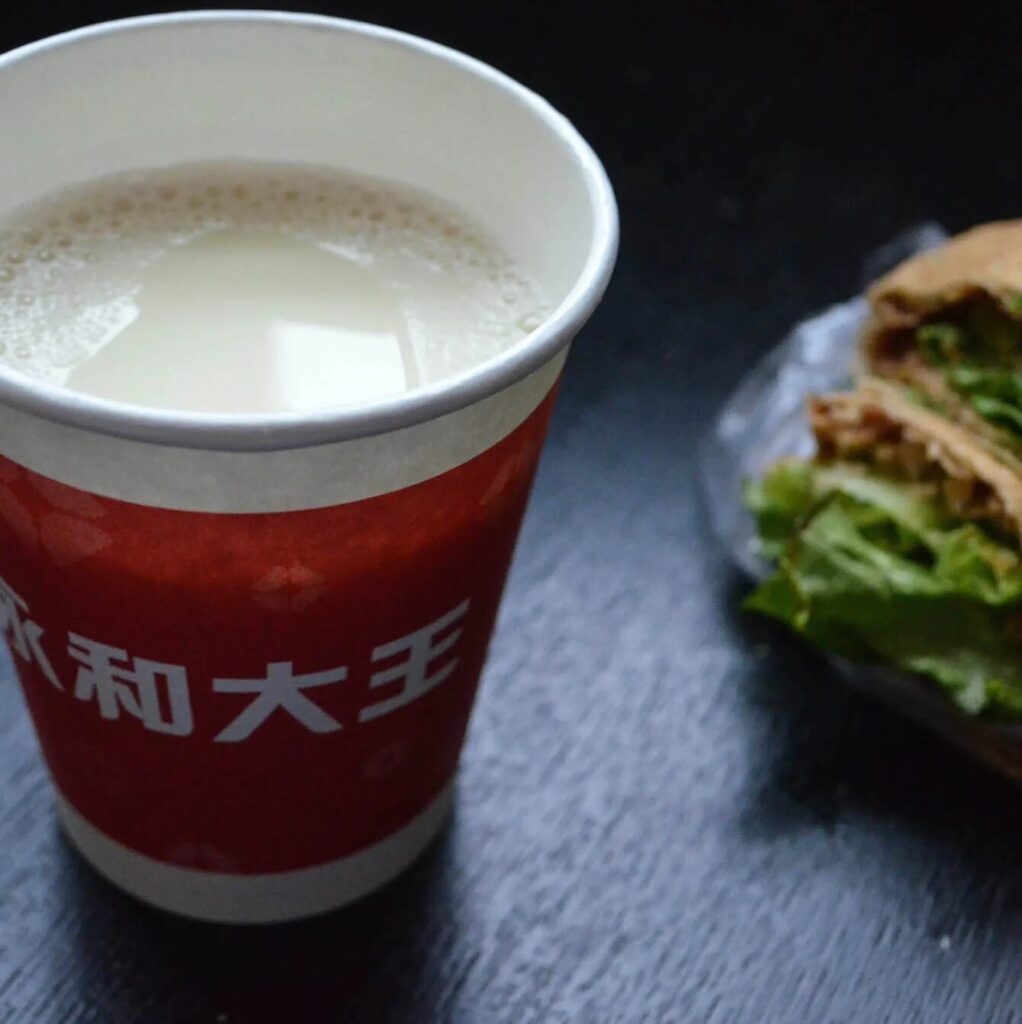
White characters on a red background.
Yonghe Doujiang Dawang.
Turn a corner, and it appears again.
Walk a few hundred meters, and there is another.
At first, it seems like a chain.
But the details do not align.
The storefronts differ.
Menus differ.
Prices differ.
Even the logos are slightly inconsistent.
Looking closer, these are not franchises in the way McDonald’s is.
They are simply independent owners displaying the same name.
1949, A Quiet Fault Line
Any account of Taiwan’s food culture passes through the year 1949.
After the Chinese Civil War, large numbers of people crossed from the mainland to Taiwan.
Soldiers.
Officials.
Teachers.
Families.
They carried not only their belongings, but also the tastes stored in memory.
Northern wheat foods.
Soy milk.
Shaobing.
Youtiao.
An island once centered on rice gained another layer built on flour.
The older layer did not disappear.
The new one settled quietly on top.
Yonghe, too, became one of the places that absorbed this movement.
The appearance of food stalls near the bridge later on may have been less coincidence than continuation.

A Stall Beside Zhongzheng Bridge
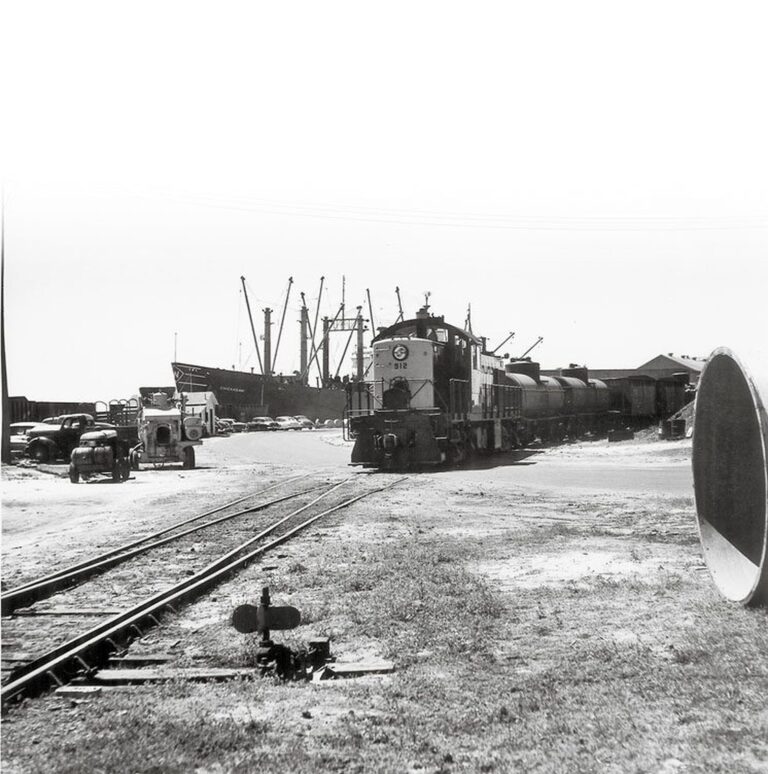
Between Taipei City and what is now New Taipei City flows a river crossed by Zhongzheng Bridge.
On the far side lies Yonghe.
In 1955, two retired soldiers from Shandong, Li Yun-zeng and Wang Jun-mo, opened a small stall near the bridge.
They served flavors from home: soy milk and baked flatbread.
The stall was called World Doujiang King.
Many customers were construction workers involved in expanding the bridge.
For those starting work before sunrise, a meal needed to be inexpensive, filling, and warm.
Flour-based foods and soy milk were simple.
But they were sufficient for physical labor.
The stall stood directly within the flow of daily life.

Breakfast Carried Into the Night
In 1975, the shop made a decision.
It would operate twenty-four hours a day.
At the time, this was unusual.
Yet it suited a rapidly growing Taipei.
Office workers staying late.
Young people returning from nights out.
Taxi drivers gripping the wheel for long hours.
Hot soy milk at midnight became quietly normalized.
The soy milk from Yonghe carried another trait.
A faintly scorched aroma remained.
This toasted fragrance is called jiaoxiang.
Many grow attached to it.
People began to say, if you want soy milk, go to Yonghe.
Place and flavor started to bind together.
When the Name Began to Walk
As its reputation spread, a curious phenomenon emerged.
People opening shops outside Yonghe began using the name Yonghe Doujiang to attract customers.
Whether the original permitted it, or simply could not stop it, remains unclear.
What is certain is that the name multiplied.
Across Taiwan.
Eventually into Chinatowns overseas.
A place name came to function like a common noun.
Sanuki udon.
Hakata ramen.
It resembles those.
Yonghe now indicates not only a location, but also a style of taste.
Taiwan’s Ghost Chains
This transformation of names into public property is not rare in Taiwan.
Clarity often takes precedence over trademark.
A sign is less a claim of ownership than a signal that says, this is the flavor you can expect.
There are other examples.
One example is Mei Er Mei.
Walking through a residential neighborhood, one often comes across a Western-style breakfast shop with a red sign. Yet many of these places are not backed by the same capital.
The original style, introduced in the 1980s, spread quietly. Later shops began adopting names such as “___ Mei Er Mei.”
In time, the name came to function less as a specific company and more as a genre label—suggesting a breakfast shop equipped with hamburgers and a large griddle.
Before it is a brand, the sign serves as a guide, quietly indicating what can be eaten there.
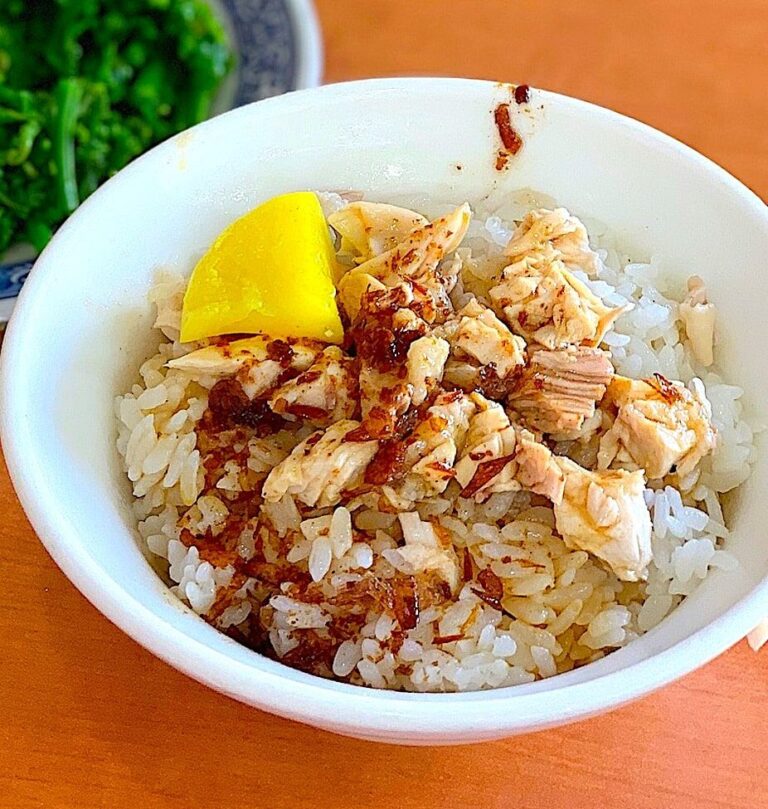
Chiayi turkey rice appears frequently in Taipei.
Yet many of these shops have no headquarters in Chiayi.
The word Chiayi works almost like a certificate: rice topped with turkey is served here.
Some owners are indeed from the region.
Others simply reproduce the style.
Customers seldom insist on strict distinctions.
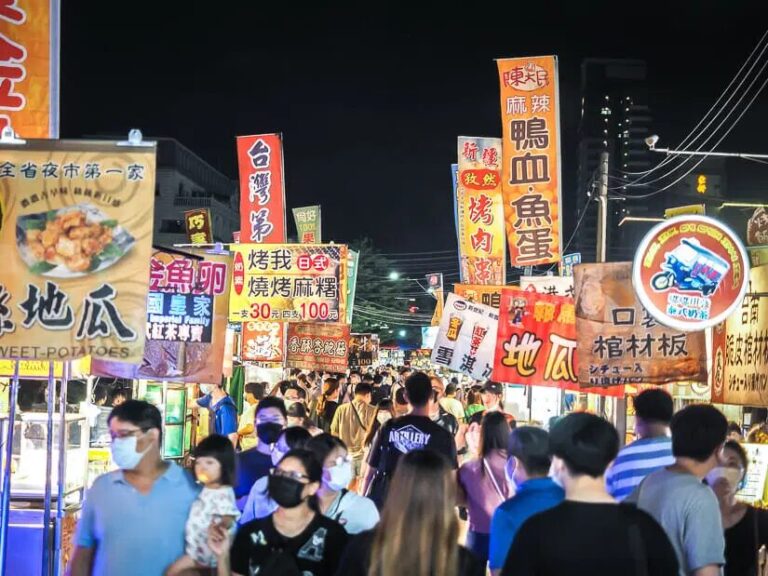
Another case is Du Xiao Yue, a historic danzai noodle shop founded in Tainan in 1895.
Its story speaks of selling noodles during the typhoon season when fishing was impossible.
The original remains a clear brand, yet countless shops display similar red lanterns and low stools.
The phrase has drifted toward becoming shorthand for small Tainan-style noodles.
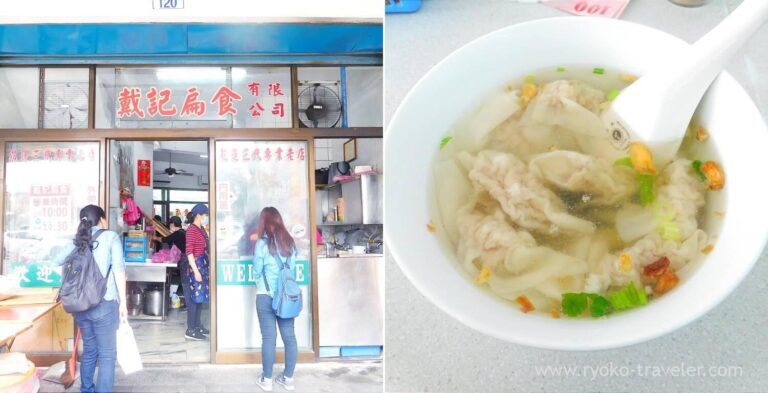
Then there is Wenzhou wonton.
Signs are everywhere in Taipei.
Yet in Wenzhou itself, the same specialty is not guaranteed.
After the war, a retired soldier from Wenzhou opened a shop in Taipei selling unusually large wontons.
The idea spread, and the name detached from geography.
Wenzhou wonton without Wenzhou.
The structure recalls Napolitan pasta.
The Three Essentials of Yonghe
Inside these shops, orders tend to converge.
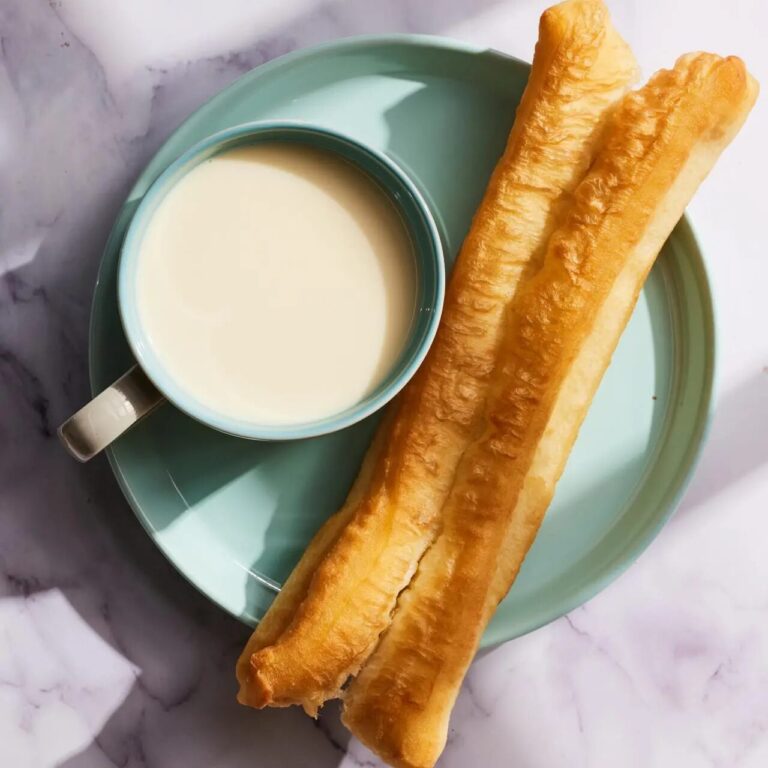
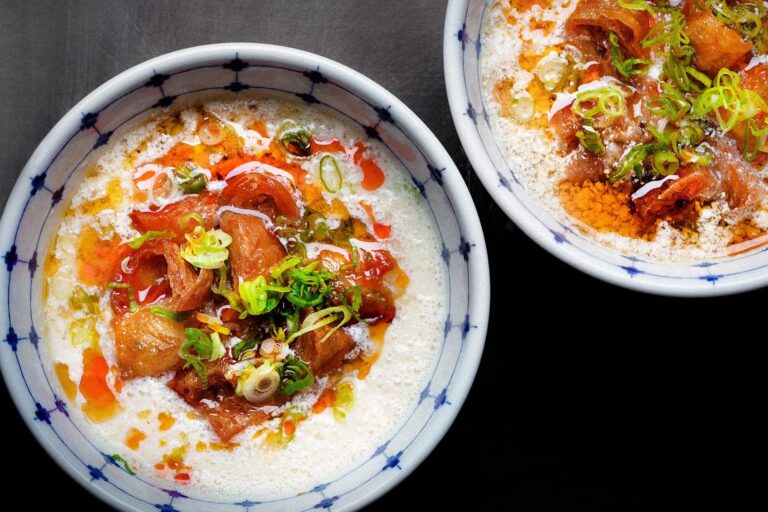
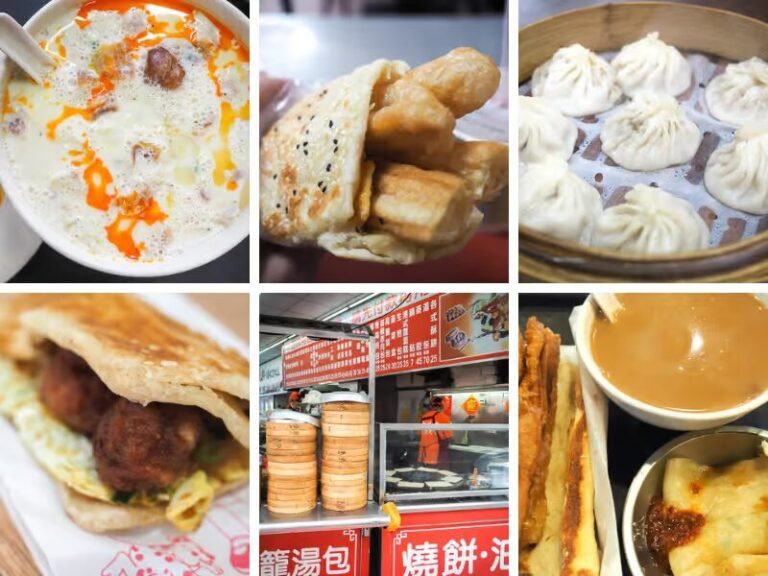
Savory soy milk, xian doujiang.
Vinegar, soy sauce, chili oil, and dried shrimp are added to soy milk.
The acidity gently curdles the liquid, forming something like soft tofu.
It is closer to eating than drinking.
First-time visitors often pause here.
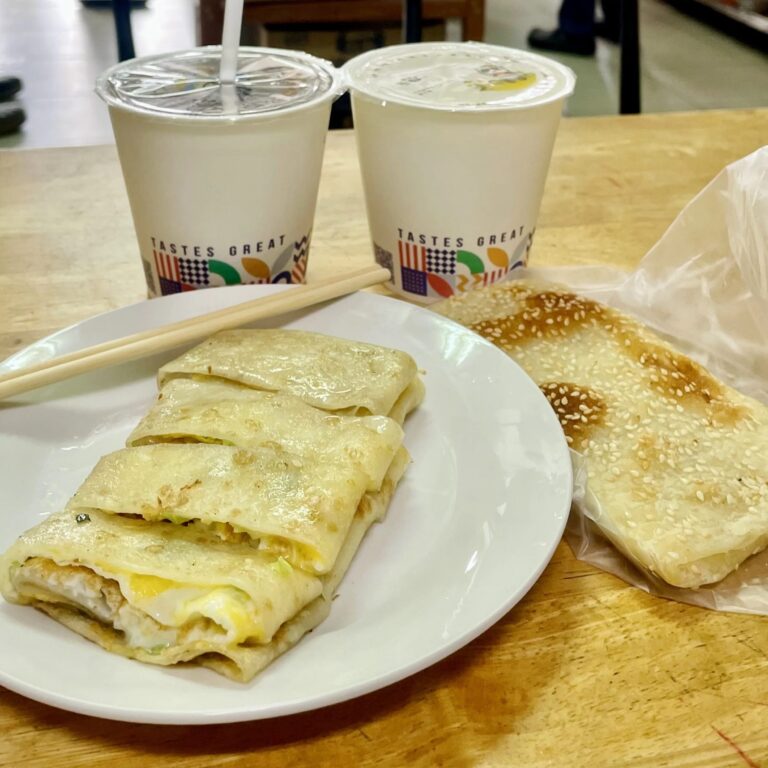
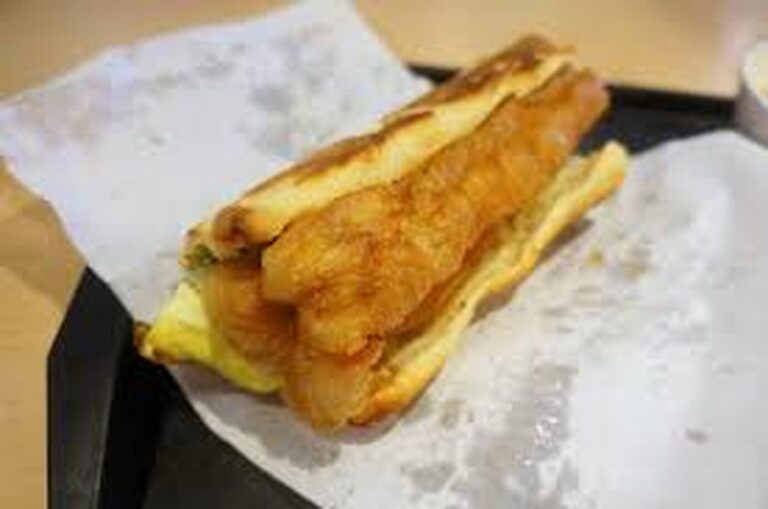
Shaobing with youtiao follows.
Flatbread enclosing fried dough.
Carbohydrates wrapped around carbohydrates.
Efficiency is not its strongest claim.
Yet dipped into soy milk, it settles into balance.
The oil softens.
The temperature calms.
Combinations that endure often appear to have their reasons.
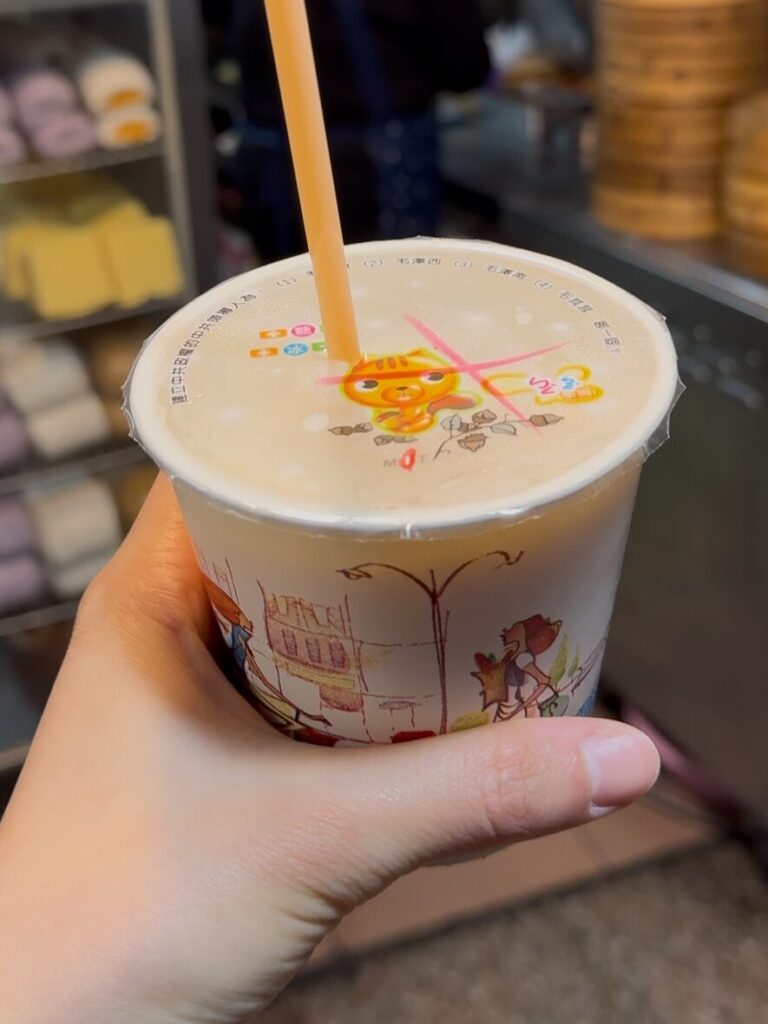
Then comes sweet soy milk, tian doujiang.
Sugar is added.
If one wishes to notice the toasted aroma, the warm version is preferable.
It is not dramatic, but it lingers easily in memory.
When the Red Signs Glow
Night deepens.
Still, somewhere a red sign remains lit.
An early riser reads a newspaper while sipping soy milk.
A few seats away, someone returning from a club bites into flatbread.
People from different hours occupy the same room.
The name Yonghe Doujiang does not belong to a single company.
Flavors carried by migrants.
The hunger of workers crossing a bridge.
The rhythm of a city that does not sleep.
These layers overlap and condense into one phrase.
A place name becomes a brand.
Eventually, it is treated almost like infrastructure.
Holding a steaming cup, few ask which Yonghe it is.
If it is warm, that is usually enough.
— Detour —
a little further to walk
- Notes on Ghost Chains in Taiwan
- Notes on Soy Milk in Taiwan’s Breakfast Streets
- Notes on Two Forms of Soy Milk in Taiwan’s Breakfast Shops