Malaysia

← Back to Malaysia

Food Culture

Notes on Nasi Lemak in London

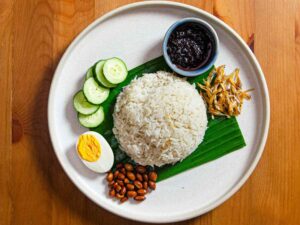
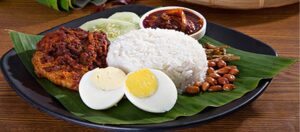
In Kuala Lumpur, nasi lemak arrives as a small triangle of rice, anchovies, sambal, and fried chicken—the kind of breakfast people joke about as a shortcut to weight gain. In London, the same combination can appear as a £15 brunch plate, described with the calm language of health food.
Notes on Choosing Main Dishes at a Nasi Kandar Counter

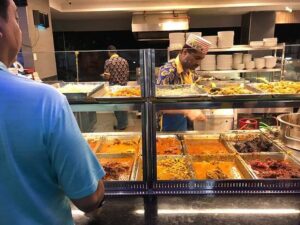
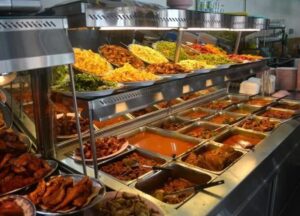
Behind the glass, brown, red, black, and gold dishes sit in neat rows, each one suggesting a different kind of weight. A single pointed choice can make the rice crisp, glossy, fiery, sweet, or difficult to finish.

Notes on Sambal as Table Heat

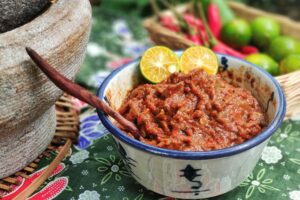
At a Malaysian table, sambal rarely stays at the edge like ketchup. Rice, grilled fish, noodles, and even vegetables seem arranged to carry a dense red paste into the meal.

Notes on Nasi Lemak in Malaysia

Before sunrise, roadside tables in Malaysia fill with small green tetrahedrons folded from banana leaves. Their contents stay hidden until the packet is opened, but coconut, sambal, and something salty have already begun to escape.

Notes on Roti Canai Variations in Malaysia

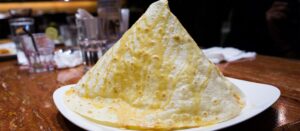
At a Malaysian mamak stall, one piece of dough may come back folded around an egg, packed with sardines, or stretched into a crisp sugar-coated cone. The griddle keeps producing different foods from what looks like the same starting point.

Notes on Ayam Goreng in Malaysia

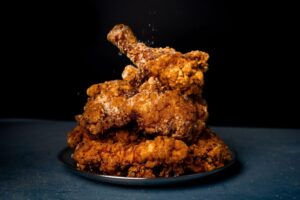
At a Malaysian mamak stall, the chicken arrives yellow and blistered, its spice paste pressed straight onto the skin rather than hidden under a thick coat of flour. Nearby, the wok keeps turning out pieces fast enough that the tray seems less like storage than a pause.

Notes on Roti Canai in Malaysia

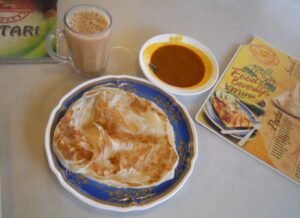
At a Malaysian mamak, a cook can turn a small oiled ball of dough into a thin, layered disk with a few sharp slaps and throws. The finished bread looks almost empty on the plate, but it arrives with a whole set of motions, textures, and ways to eat it.

Notes on How to Order Nasi Kandar in Malaysia

At a nasi kandar counter, a plate can pass from the glass case to the table on little more than “White rice,” “This one,” and “Mix.” The staff keep moving while brown, red, and yellow dishes remain mostly unnamed to the newcomer.

Notes on Mamak Culture Born in Penang

In George Town, the smell of spices can arrive before the buildings or the sea, lingering in the humid air around shops that serve food through the night. Behind the stainless trays and fluorescent lights, rice, curry, tea, and flatbread are arranged less like a formal cuisine than like equipment for a working port.

Notes on Teh Tarik and the Logic of Pulling

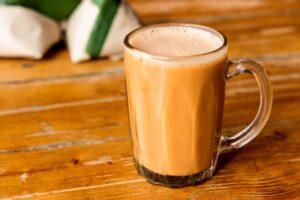
In Malaysia, TARIK appears both on doors and on drink menus. One asks for a pull at the entrance; the other arrives as tea lifted between two cups, its surface held under a thin layer of foam.