A meal built with pointing and a few simple English words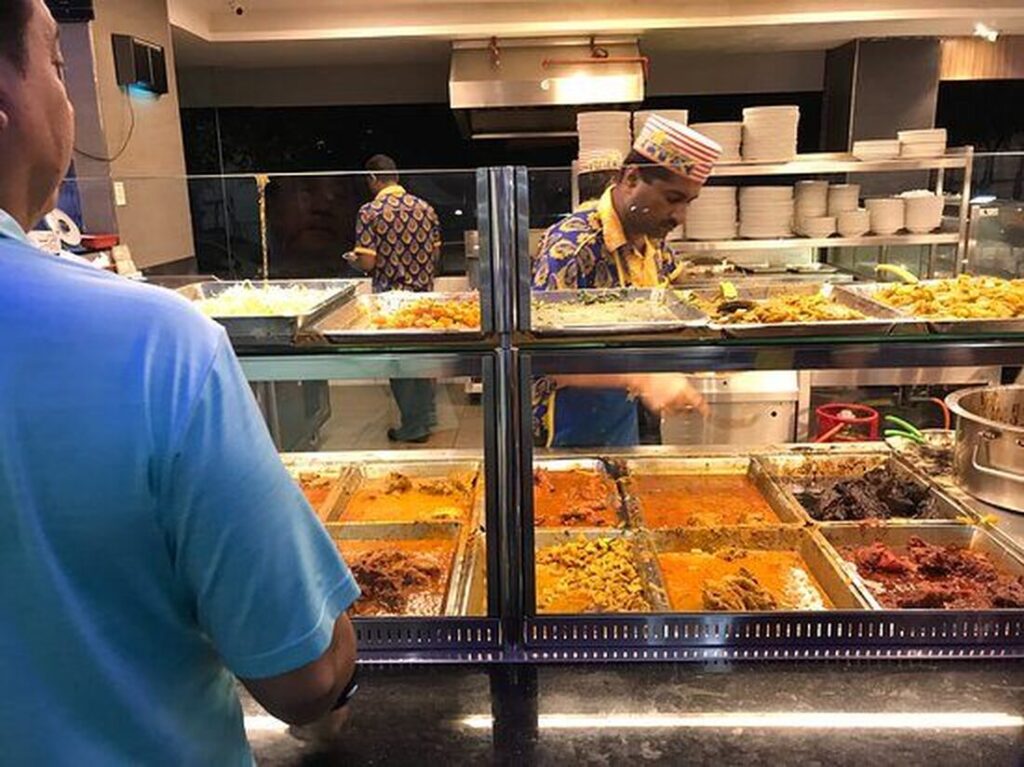
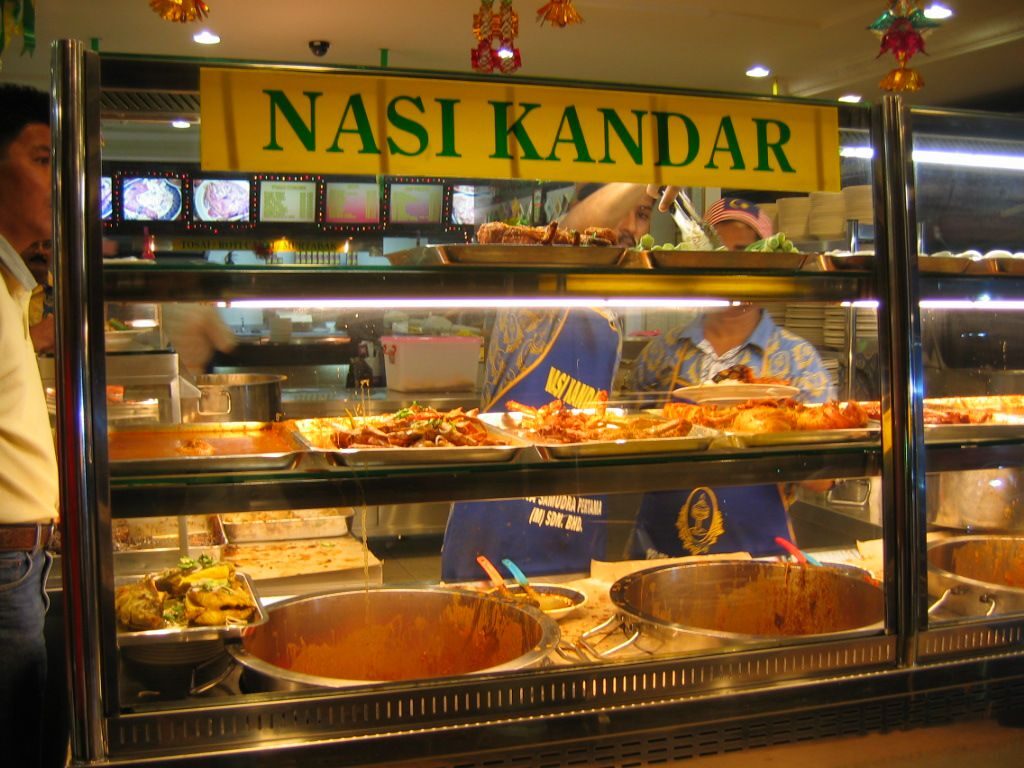
Nasi kandar shops can feel intimidating to travelers. Inside the glass cases, brown dishes pile up like small hills, staff move plates at speed, and orders proceed in Malay. Menus and prices are often nowhere to be seen. Interest is there, and the smell draws attention, but the first step feels heavy when everything is unfamiliar.
Still, ordering this dish is far simpler than it appears. There is no need to learn Malay, and pronunciation skill is not required. The people behind the counter are professionals. They handle dozens, sometimes hundreds, of plates every day, and they immediately recognize who is new and how unfamiliar that person might be. What matters more than words is movement: where you look, where you point, and a small amount of English.
This is a practical record for finishing a plate with minimal mistakes. The goal is not mastery, only enough clarity to think, “I could try this tomorrow.”
The whole flow (this is enough)
- You line up.
- You get rice.
- You point at one main item.
- You add one or two extras.
- You ask for mixed curry.
- You take the plate to a seat.
- You keep the small paper slip.
- You order a drink.
- You eat.
- You pay at the cashier.
1. You line up
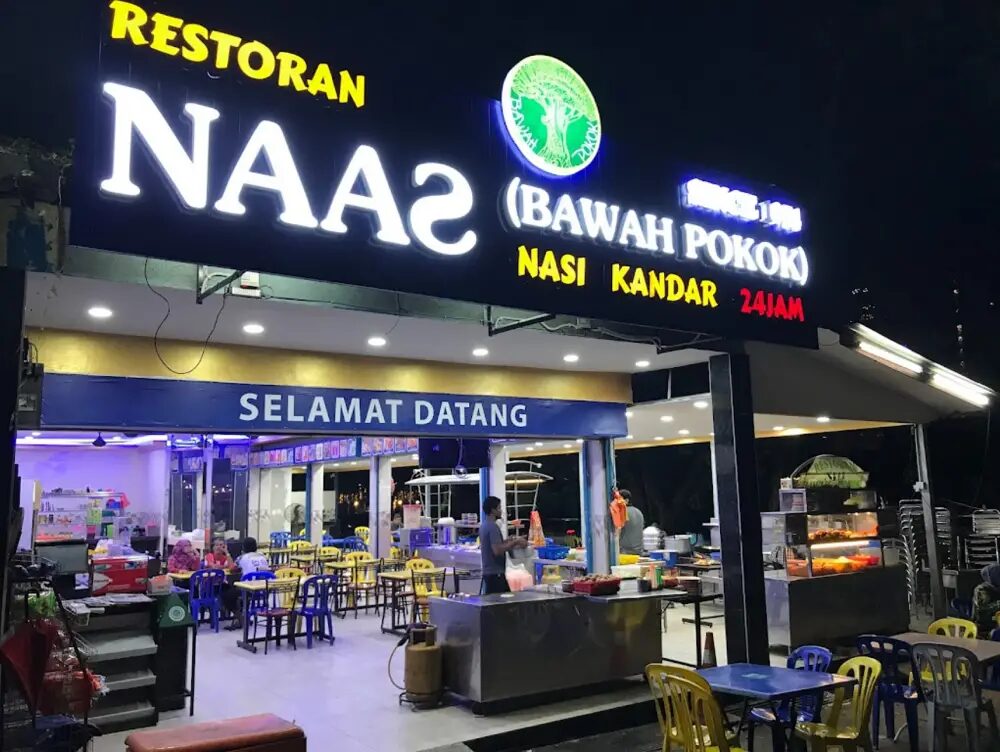
Most shops begin immediately with a counter rather than a dining room. The space feels closer to a work site than a restaurant. Pots line up behind glass, fried items are stacked, and steam rises. Customers do not stop to consider; they form a line and move forward.
The key at this point is not to rush. The line moves steadily but not aggressively. Until your turn arrives, you only need a few seconds of observation. Watching how others point and move provides enough preparation.
2. You get rice
At the front, the first unspoken question concerns rice. There is a simple answer that avoids hesitation: white rice. Saying “White rice” in English is sufficient. In many cases, nodding while looking at the rice cooker also works.
The portion is often generous. For a first visit, it is better to accept what is given. Requests for smaller portions can wait until familiarity develops.
3. You point at one main item
Next comes the section with the most visual information. Large cuts of meat, fish, dark stews, red sauces, and yellow lentils appear together. The intensity is already present before tasting.
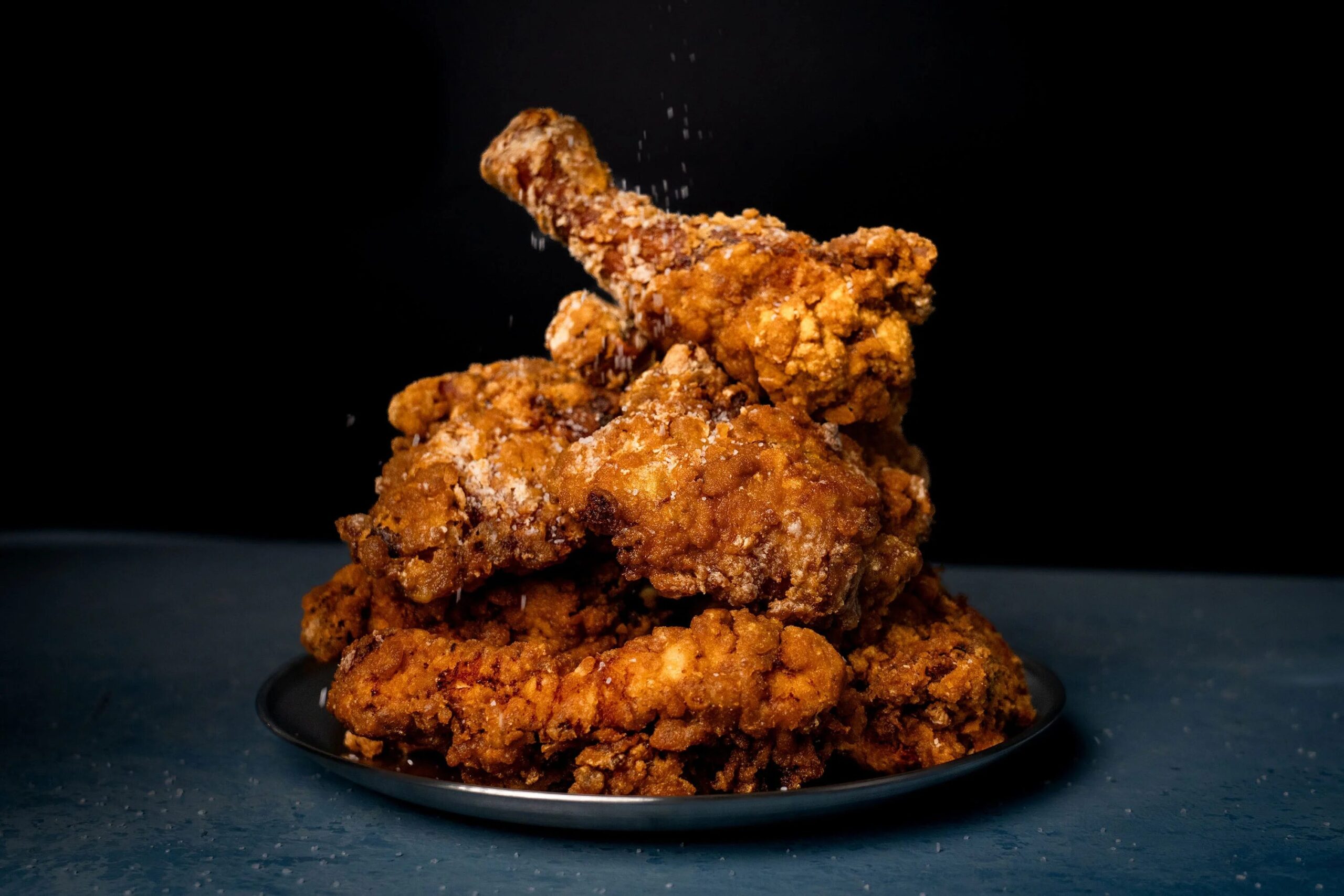
There is a safe and common choice for beginners: fried chicken. It appears as red-brown pieces with a rough surface, usually stacked high. Because turnover is fast, it rarely tastes tired even when pre-fried.
Only two actions are needed. Say “This one,” and point. Make eye contact. The piece lands on the plate without further exchange.

4. You add one or two extras
A plate with only meat works, but it becomes heavy, and the oil builds quickly. Adding a single side creates balance. Boiled egg, okra, or cabbage are enough.
Cabbage feels closest to familiar flavors for many visitors. Okra adds a sense of the tropics. A boiled egg softens the overall taste and absorbs the strength of the sauces. Words are unnecessary. Pointing alone adjusts the plate.

5. You ask for mixed curry
At first glance, the dish looks like a matter of selecting a specific curry. In practice, it is the opposite. Mixing is the point.
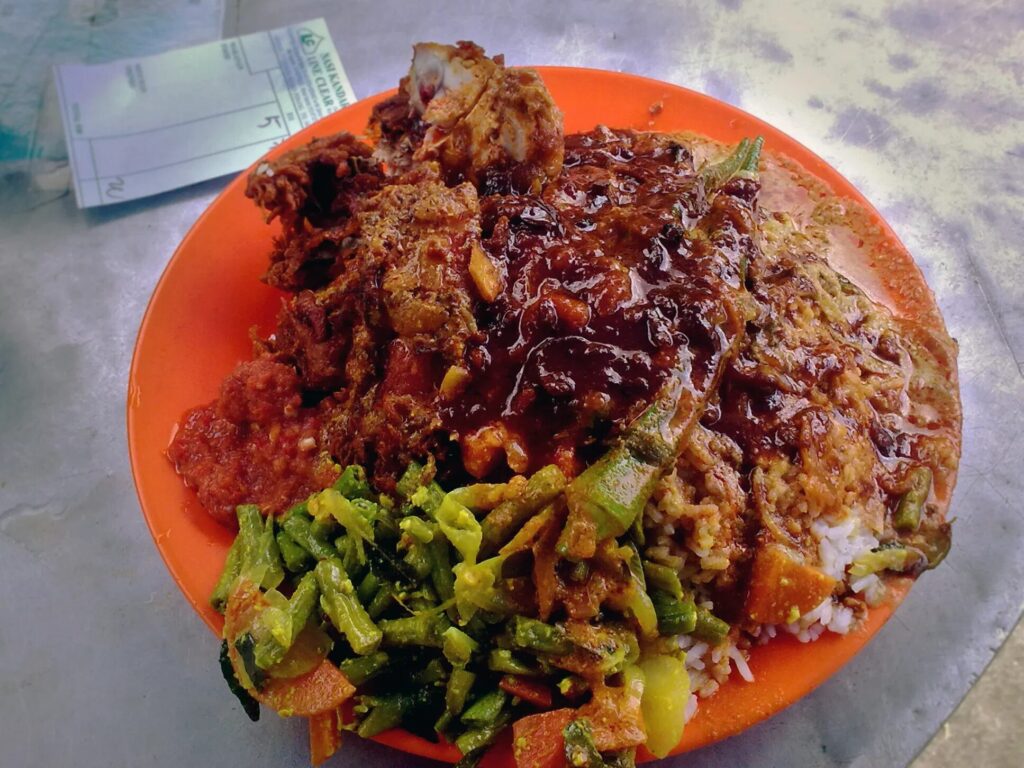
There is no need to decide which sauce to take. Leaving the decision to the staff produces the most characteristic result. One word is enough: “Mix.” A small circular gesture over the plate also works. Several sauces are layered together, dark, red, and yellow, until their borders disappear.
If more liquid is desired, there is one further option. “Banjir” signals a flood. The rice sinks fully, and the plate becomes a set of overlapping spice layers rather than a single taste.

6. You take the plate to a seat
At this stage, the order is effectively complete. You receive the plate and move to a seat. Saying “Thank you” is optional. Silence also works. This food culture values flow more than verbal politeness. Not interrupting the movement is itself a form of courtesy.
7. You keep the small paper slip
In most shops, a small piece of paper is handed over at some point. A number is written on it. This is the bill, not a receipt, and there is no itemized breakdown. It is best not to lose it. Keeping it in a pocket or with your phone avoids confusion later.

8. You order a drink
Choosing a local drink can suddenly raise the difficulty level. Sweetness becomes dominant. When unsure, cola is a safe option. It is universal and predictable.
If something lighter is preferred, “Iced tea” usually works. Adding “No sugar” often produces a thin, unsweetened version. Trying teh tarik is also possible, though sometimes a different sweet drink appears instead. Disappointment is unnecessary. Drinks here are generally sweet and cold, and there is rarely a single correct answer.
Drinks are often ordered when the paper slip is given. A staff member may gesture toward the mouth and ask about a drink. Ordering at that moment is smoothest. If the timing is missed, a drink attendant usually comes by later, and a simple request is enough.

9. You eat
Seats are taken wherever space is available. Sharing a table with strangers is normal. Spoons and forks may sit in a container of warm water. If that feels uncomfortable, wiping them with tissue is common practice. Tissue is often hung on a wall or pillar.
Eating is done by mixing. Neatness is not expected. From the start, this is not a dish meant to look tidy.

10. You pay at the cashier
After finishing, you take the paper to the register along with cash or a card. Words are unnecessary. The amount is stated, payment is made, and the process ends.
The spoken total is often hard to catch. The surroundings are loud, the pace is quick, and accents vary. Preparing a 20-ringgit note in advance removes uncertainty. A standard plate usually falls around ten to fifteen ringgit. Change is handled by the staff. No negotiation or confirmation is needed. Paper and cash complete the exchange.

After: one finger was enough
This dish looks deeply local, yet it is unexpectedly friendly to visitors. Ordering is a task rather than a conversation. Point, mix, eat, pay. What was needed was not courage, but sequence.
Once the first plate is finished, the next one becomes routine. That ability to turn unfamiliar food into “the usual” is one of the quiet strengths of dining in this country.