A morning staple thrown into the air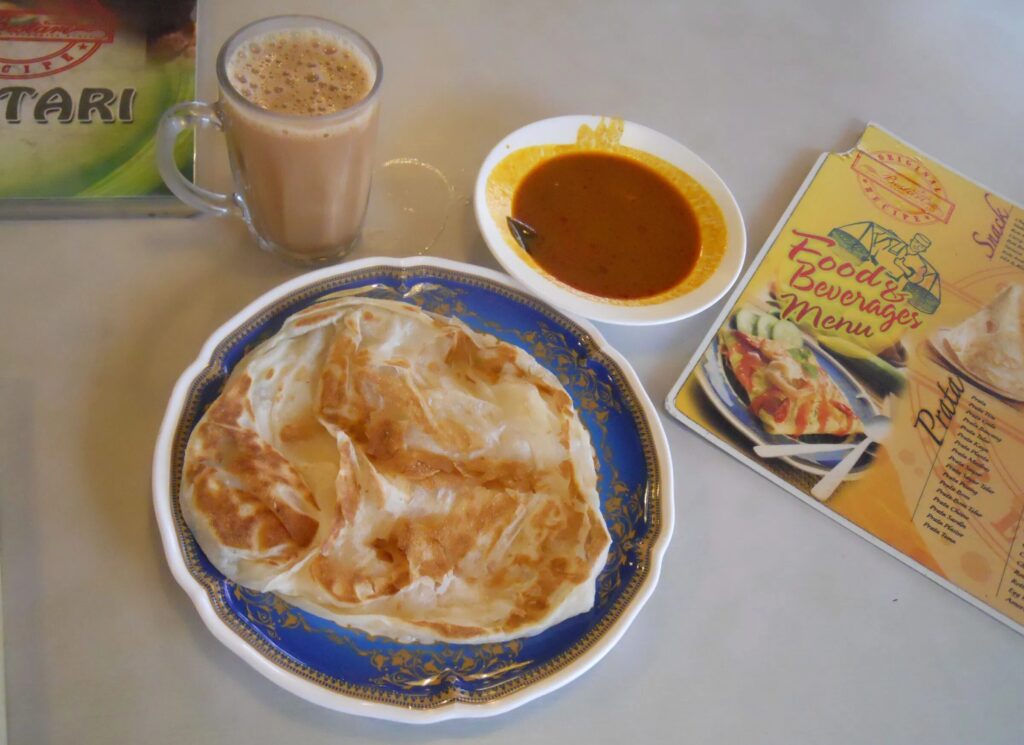
Mornings in Malaysia begin with a particular rhythm.
Pap. Pap.
It comes from a corner eatery, a mamak.
A sound like a wet towel being snapped against a hard surface.
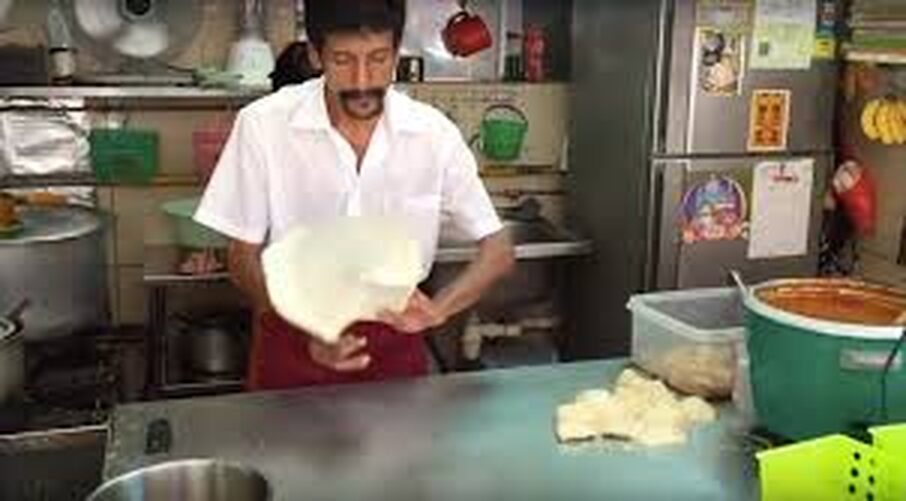
A cook slaps a small piece of dough onto the griddle.
Then lifts it, throws it, and catches it again.
The simplest staple
It arrives as a round, flat disk with browned spots.
The outside cracks.
The inside loosens into thin layers, slightly soft.
There is no filling.
No decoration.
Only the smell of oil and the heat of something just cooked.
You tear it by hand and dip it into curry.
No knife or fork is required.
It feels designed to handle morning hunger with the fewest movements possible.
For someone seeing it for the first time, it may look too plain.
In Malaysia, that plainness is unusually durable.
It appears in street stalls, food courts, and behind shopping malls in the same form.
A South Indian origin, reshaped
Its roots are in South India.
A layered bread called parotta traveled with migrants and settled here.
But the Malaysian version is not the same.
Indian parotta tends to be heavier.
This one is lighter, thinner, and crisp at the edges.
The name canai has several explanations.
Some trace it to Chennai.
Some to a Malay word meaning to stretch.
Others link it to channa, chickpea curry.
What seems certain is that the bread changed over time.
It adjusted to local weather and local habits.
Why the dough has to fly
Making it looks close to a form of sparring.
A small ball of oiled dough is pressed flat.
The edge is lifted and thrown into the air.
It is caught, turned, and thrown again.
Centrifugal force pulls it thin.
So thin that light begins to pass through.
It is folded and cooked.
That is how the layers appear, like pastry.
The layers are not built with butter.
They are built with air and oil.
The movement is not for entertainment.
It is physics used for texture.
The clap before eating
A hot piece arrives at the table.
Many people do not eat it immediately.
They press it between both hands and clap it once.
It is not rudeness.
The impact shifts the air inside, loosens the folds, and finishes the texture.
It functions like an opening ceremony.
Only after the clap does it fully become food.
Mamak as a half-outdoor living room
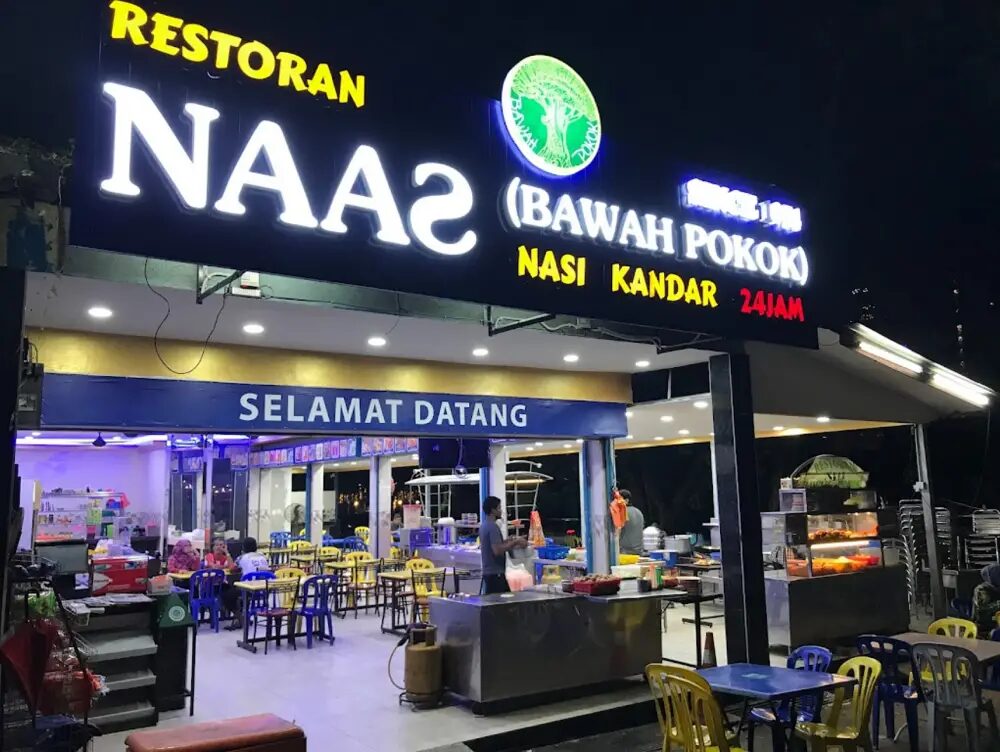
This bread is usually eaten in a mamak.
Mamak is not a dish.
It is a type of place.
It is half outdoors, with few walls.
Street heat and kitchen steam flow directly into the seating area.
Plastic chairs.
White tables.
Ceiling fans that never stop turning.
When you sit down, staff notice you.
Even without the right words, pointing and short English often work.
The entrance is wide.
It stays unclear who is a customer and who is only passing by.
The space still functions.
A mamak is a breakfast stop, but also a meeting point.
Some people stay after eating.
A football match or the news plays on a TV.
Conversation stays light.
It holds together without needing to become serious.
That is part of its strength.
Teh tarik as a sweet adhesive
Next to the bread, there is often a sweet milk tea.
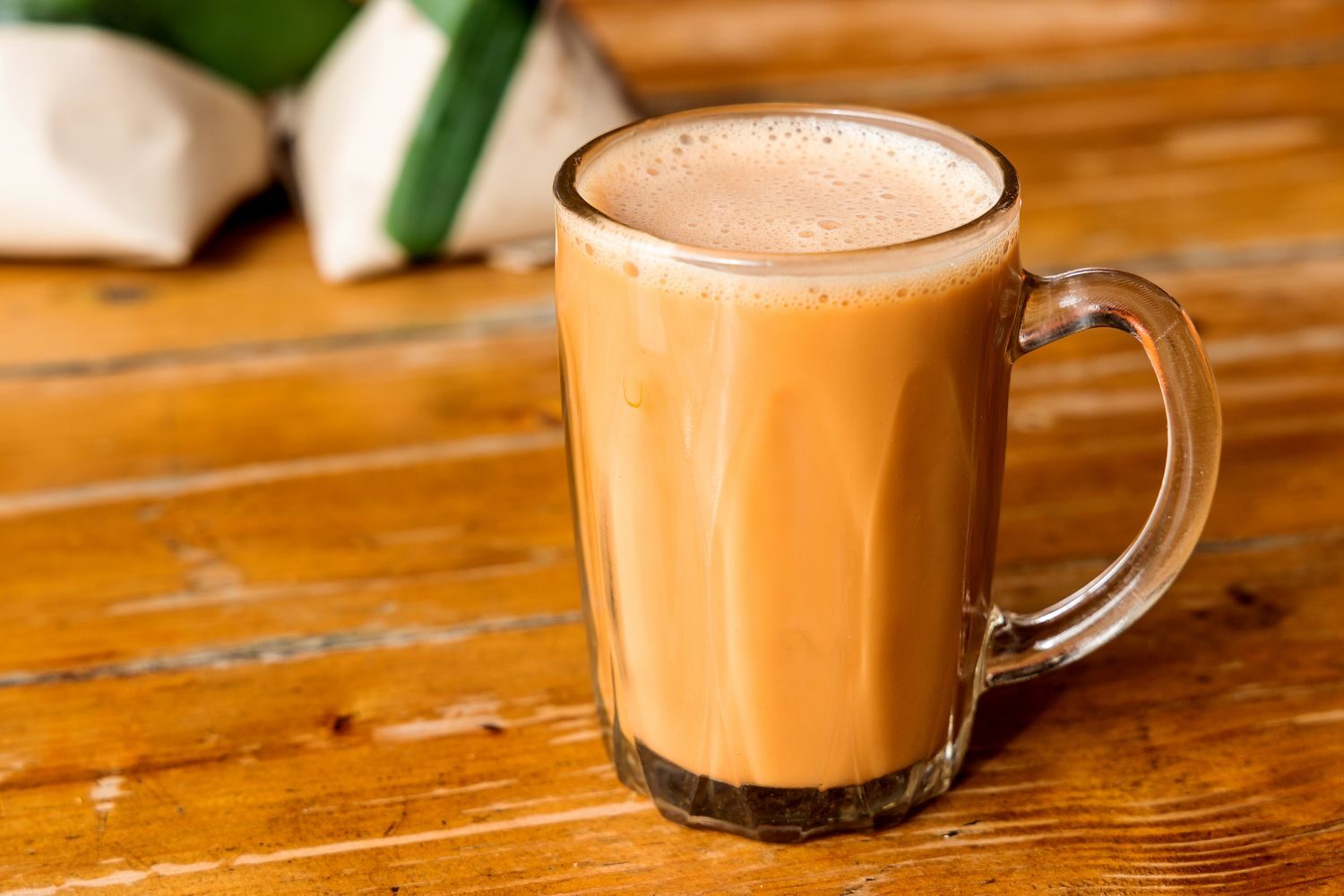
Teh tarik.
Tea mixed with condensed milk, poured back and forth until foam forms.
One cup to another, stretched in the air.
That motion gives it its name.
The taste is dense.
Sugar and milk arrive first.
The bitterness of tea stays behind.
With oily bread, it resets the mouth.
It also acts as a soft buffer for spicy curry.
This drink is less a beverage than a tool.
It extends the time spent in the mamak.
As the cup cools slowly, the place shifts.
Breakfast becomes a social space.
The bread fills the stomach.
The tea fills the seat.
Curry as a palette
This bread works like a blank surface.
What you dip it into decides the shape of the meal.
Dhal is the default.
Yellow lentils, mild, steady.
Fish or chicken curry comes next.
It brings heat and sharper spice.
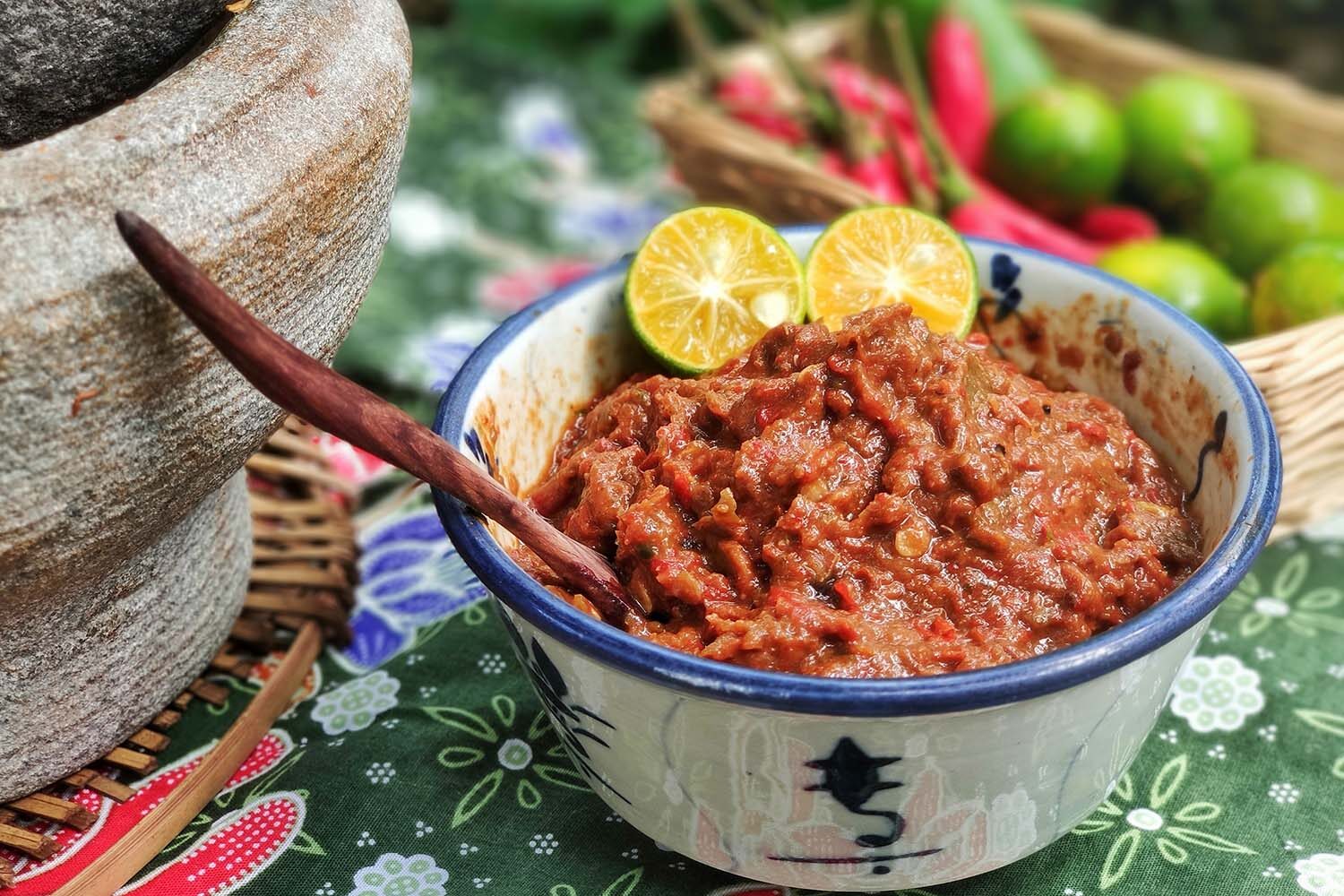
Sambal changes the scene with a small amount.
Red paste, immediate intensity.
Some people choose sugar instead.
Not curry, but sweetness alone.
The bread itself is not forceful.
That is why it accepts almost anything.
Sometimes it accepts too much.
The meal loses a clear center.
The bread remains anyway.
Variations without an end
After the plain version, the variations begin.
Roti telur adds egg.
A practical choice.
Roti bawang adds onion.
More sweetness, more texture.
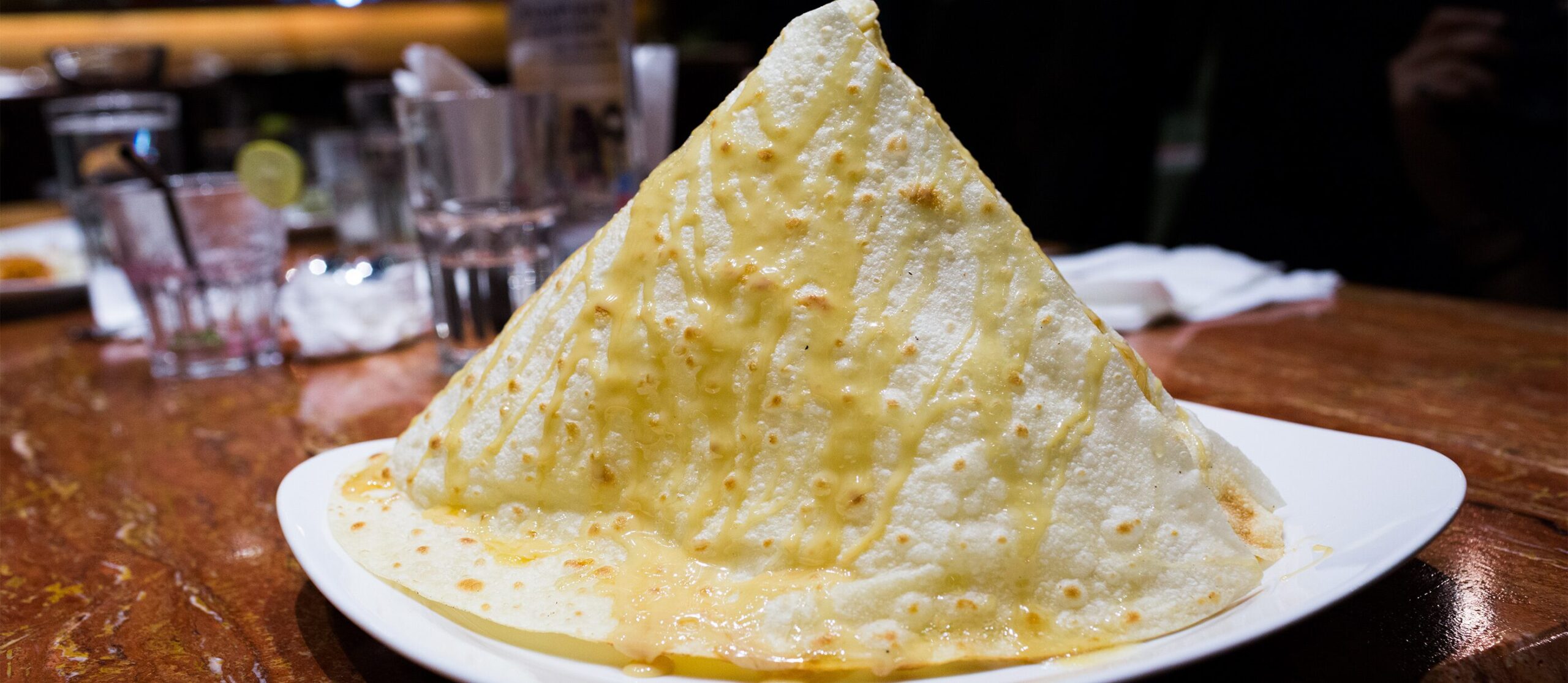
Roti tisu becomes extremely thin, shaped like a cone, and covered with sugar and condensed milk.
It turns into a snack.
Roti bom is small and thick, packed with margarine and sugar.
Its name fits.
It behaves like a calorie device.
The ingredient stays the same.
The character changes completely.
It feels less like a single dish and more like a format.
Eating a small unit of equality
It does not exist in fine dining.
It exists everywhere else.
One piece costs around 1.5 to 2 ringgit.
Sometimes less than the equivalent of 100 yen.
Students, taxi drivers, and office workers sit on the same plastic chairs.
They tear it with the same hands.
For a moment, status becomes thin.
The act of dipping flour into curry looks like a shared language.
Not dramatic, not refined.
Food that supports a country often looks like this.