Old brine, braised snacks, and the smell that settles into the island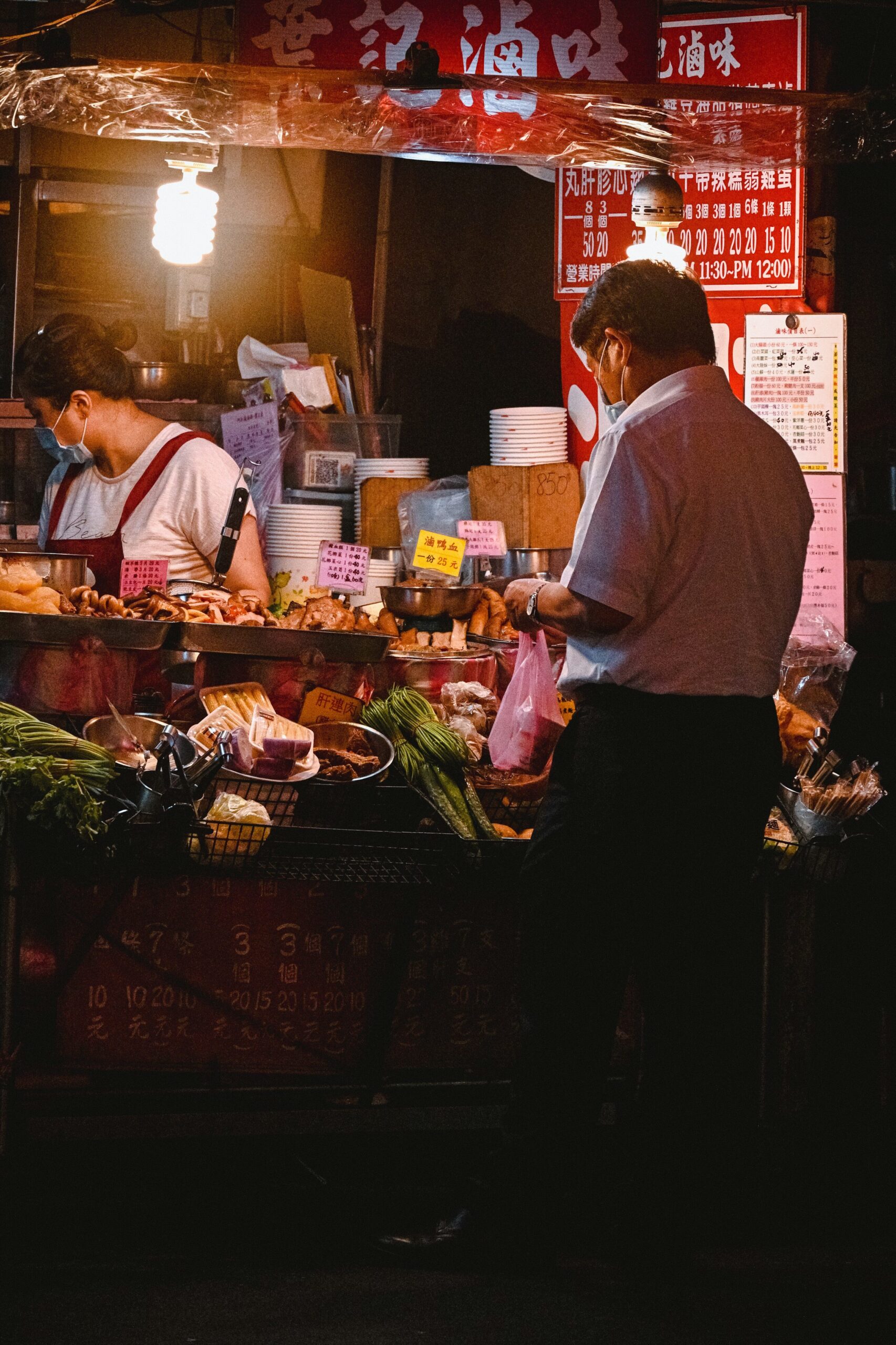
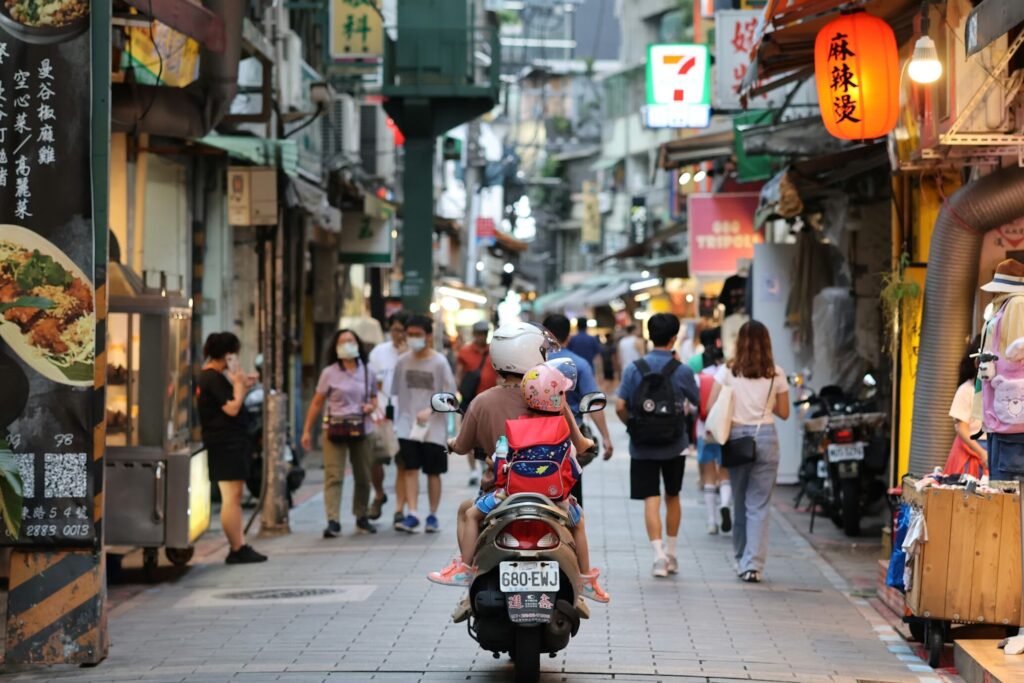
When I land at a Taiwanese airport, or step into a night market, there is a smell that comes before anything else.
Sweet, heavy, and slightly medicinal.
It feels like soy sauce reduced down with spices.
Star anise and cinnamon lead.
Sugar follows.
Then pork fat stays behind.
Taiwan has a cooking system called lu.
It is not only simmering.
It soaks flavor in.
It removes odor.
It changes texture.
It returns difficult ingredients to daily life.
In many places, it looks less like a dish and more like a foundation.
Lao lu, a pot that does not end
Some old shops keep a pot that has never fully stopped.
The liquid is topped up and used again, day after day.
This is called lao lu.
Yesterday’s meat dissolves into today’s broth.
Today’s broth becomes tomorrow’s food.
The pot shrinks and grows.
It thins and thickens.
Even if the owner changes, the contents keep living.
People say decades.
Sometimes a hundred years.
In Japan, dashi is often made fresh each time.
Freshness is valued.
Lu values accumulation.
Old liquid is not thrown away.
It is mixed forward.
That sense of time appears outside cooking as well.
A brown pot built for survival
Lu is often described as a preservation technique brought from the mainland.
Migrants from places like Fujian carried it across the sea.
Before refrigerators, in heat and humidity, ingredients spoiled quickly.
Soy sauce and spices bought time.
Salt.
Sugar.
Fragrance.
At first, lu was a way to survive.
What crossed the sea was not a dish, but a method
It may be more accurate to say migrants brought a procedure, not a finished recipe.
Fill a pot with soy sauce.
Add spices.
Heat it.
Cool it.
Heat it again.
That motion repeats inside homes.
The ingredients are not fixed.
Whatever is available goes in.
In this system, the pot comes first.
The menu comes later.
Heat demanded deeper flavor
Taiwan’s climate pushed lu in a certain direction.
Hot.
Humid.
Things go bad if left alone.
So simmering becomes longer.
Spices increase.
Sugar enters.
Sweetness works less like luxury and more like structure.
Soy sauce alone can turn flat.
Fat alone can turn heavy.
Sweetness and fragrance add edges.
They give the broth a shape.
The smell of lu became close to the smell of Taiwan for reasons like this.
Discarded parts become edible again
Meat used to be expensive.
What ordinary people could afford were the parts others avoided.
Organs.
Ears.
Skin.
Feet.
They smell.
They are tough.
They resist the mouth.
In the lu pot, the situation changes.
Spices cover odor.
Long heat loosens hard fibers.
Gelatin melts and turns texture into something else.
Low-value ingredients move closer to a treat.
Lu was a practical invention born from constraint.
Topping up becomes a way of time
Lu is not made once and finished.
Broth remains.
It is used again the next day.
Even when ingredients change, the smell stays.
Yesterday’s meat becomes today’s broth.
Today’s broth becomes tomorrow’s food.
That accumulation becomes the word lao lu.
This pot holds memory.
Not only taste.
The time of a shop, or a household.
Lu stayed in Taiwan because it fit daily life, not only because it tasted good.
Lu as a shelf of daily life
Over time, lu moved from survival to routine flavor.
The pot stayed in homes, and it also moved into the street.
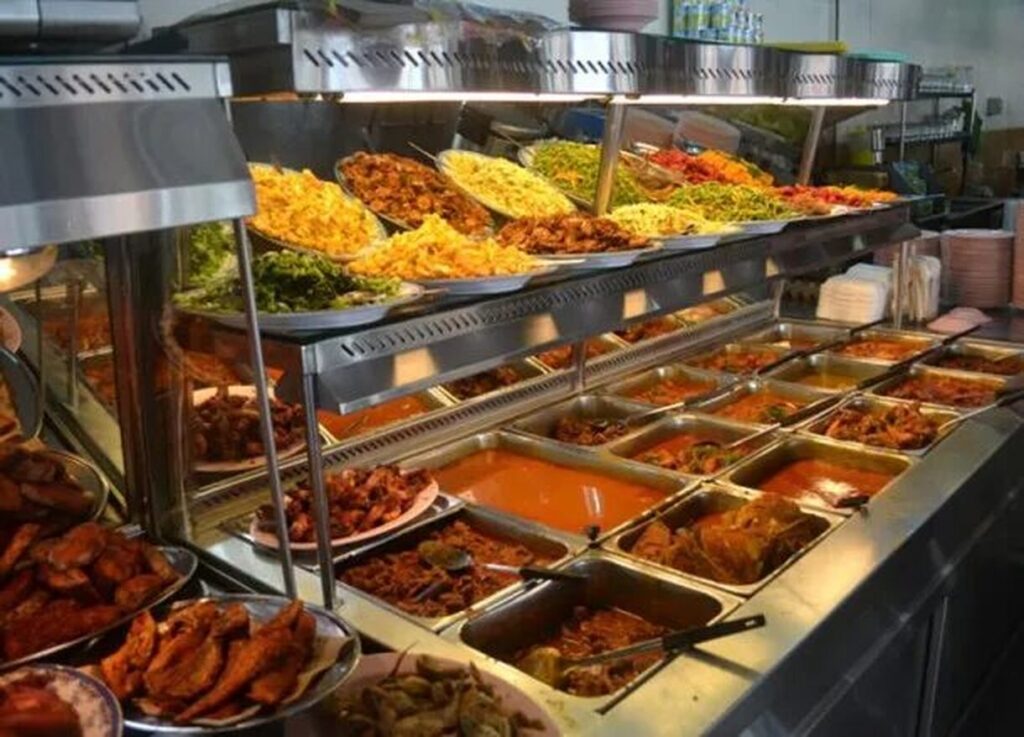
At stalls and small diners, brown ingredients sit in trays.
Lu wei counters display a whole category of daily food.
You can see a kind of order there.
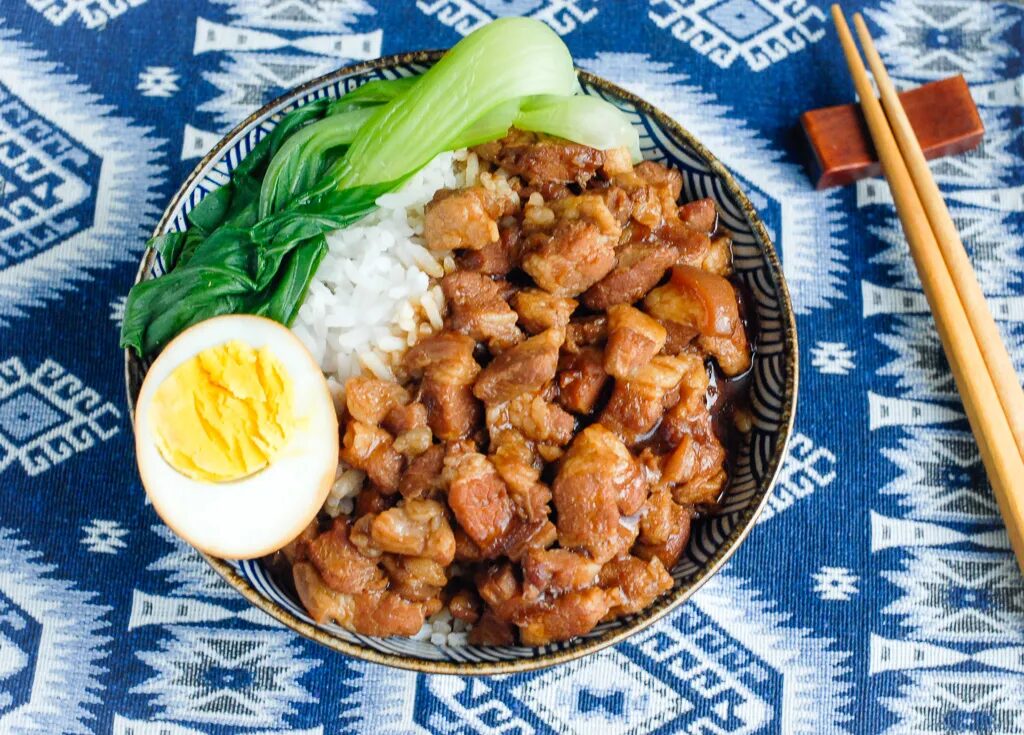
Lurou fan.
Pork belly braised in lu, poured over rice with the broth.
It looks like a final form.
Meat and sauce do not separate, and the smell reaches the bottom of the bowl.
Lu dan.
Braised eggs.
Unlike Japanese seasoned eggs, these are cooked until moisture leaves and the surface tightens.
The yolk turns dense.
The white pushes back when bitten.
Dougan.
Firm tofu.
It absorbs the broth and stays as a block of protein.
Even without meat, it becomes brown.
Offal appears often.
Large intestine.
Pig ear.
This is where the system shows its strength.
Visual resistance is overwritten by concentrated flavor.
Kelp goes in too.
Even the sea turns the same color in this pot.
Origins fade.
The smell of lu comes forward.
Lu wei eaten cold
One thing that surprises many Japanese visitors is the temperature.
These braised items are often eaten at room temperature, sometimes chilled.
At a street stall, brown foods sit in rows.
Customers pick items into a basket.
The vendor chops them and packs them into a bag.
More cut surfaces appear.
The smell rises.
As lu cools, flavor settles deeper.
It can taste stronger when calm than when hot.
It becomes a bento side dish.
It becomes something to eat with alcohol.
For Taiwanese people, brown food may be a reassuring color.
You can guess the taste.
It rarely misses.
It feels like the texture of daily life.
Eating time, in brown form
Many Taiwanese households have their own version of lu.
One day pork is braised.
The next day tofu goes in.
Then eggs.
The contents change daily.
But the base smell stays.
It remains as the smell of the house.
Even when it sits in a refrigerator, the lid gives it away the moment it opens.
What we eat in Taiwan is not only soy-braised food.
It is time, accumulated by a place, a shop, a family, turned into something brown and edible.