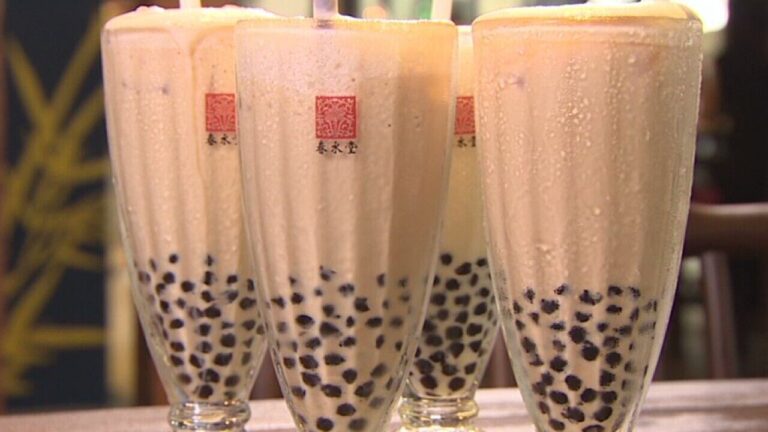
In a Taiwanese café, a straw with a slightly rough surface slips into an iced bubble tea. It looks neither like paper nor plastic, yet stays firm as tapioca pearls pass through it.
A sugarcane straw, known locally as ganzhe xiguan, appears when I order a drink in a Taiwanese café.
It is not plastic.
It does not look like paper.
The surface is slightly rough.
It is light, but it does not feel weak.
I put it into a cup with ice.
It does not soften.
I draw up tapioca.
It does not bend.
It is stronger than paper.
It is softer than plastic.
It has almost no taste.
It is an environmental measure, but it does not ask for patience.
That is what feels unusual.
2019
In 2019, Taiwan’s drink culture faced a small crisis.
The government restricted plastic straws.
Paper ones appeared everywhere.
They folded.
They softened.
Pearls became stuck.
The smell of wet paper covered the scent of tea.
The idea of enduring this for the planet did not last long.
People looked for something else.
Bagasse
Taiwan once called itself a sugar island.
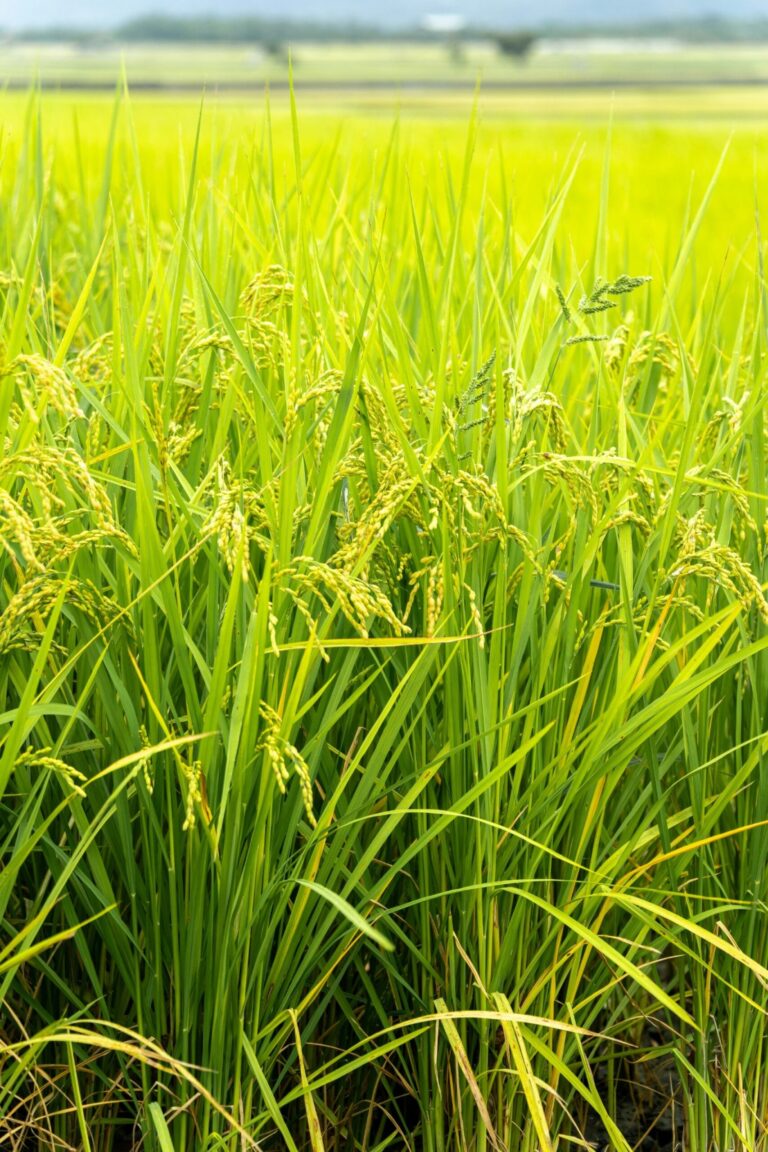
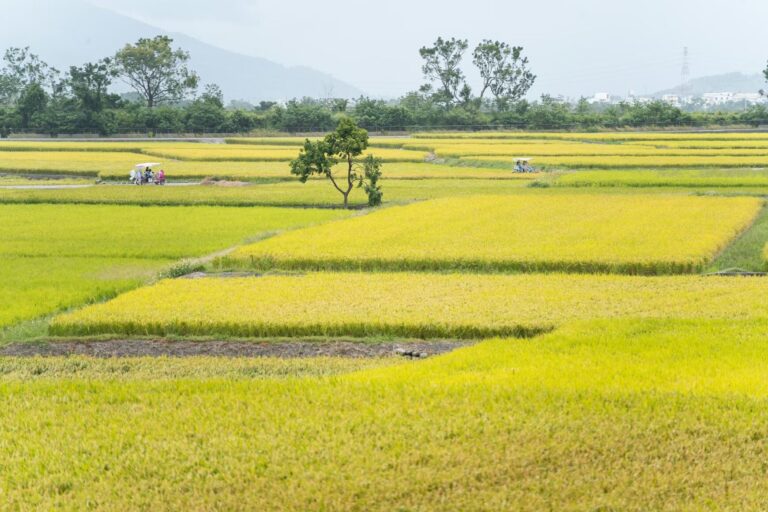
Sugarcane is still grown across the land.
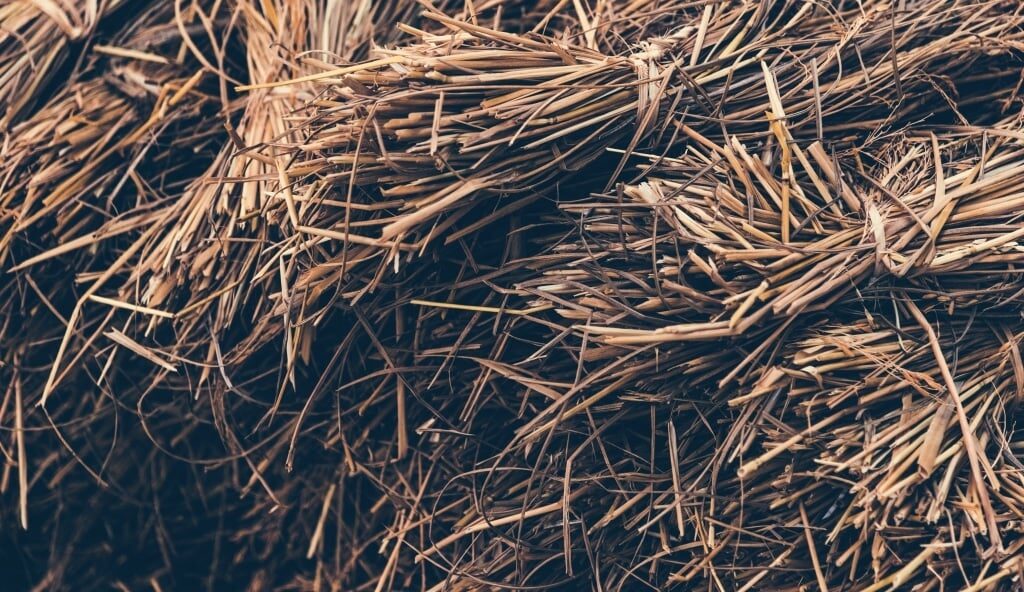
After sugar is pressed out, fiber remains.
This waste is called bagasse.
It used to be burned or thrown away.
A change came from a small group of manufacturers, many based in Nantou.
They pressed this fiber into a new form.
It was dried.
It was ground.
It was bound with plant-based resin.
What came out was neither paper nor plastic.

Why it works
This material won in daily use.
It is hard enough to pierce the sealed film on a cup.
It does not weaken in liquid.
The surface has a quiet texture, like handmade paper.
It carries almost no flavor.
People say it is cleaner than paper and calmer than plastic.
That was enough.

Waste becomes material
The idea did not stop with sugarcane.
Coffee grounds.
Tea leaves.
Bamboo.
Farm waste across the island began to appear as straws.
Some still carry faint traces of their origin.
A light sweetness.
A trace of roast.
These are not taken as flaws.
They stay in the background.
A working circle
Farmers can sell what they once threw away.
Factories have steady local supply.
Drinkers do not need to endure anything.
The straws are now exported to Europe and Australia.
Taiwan sends not only bubble tea, but the parts that make it possible.
Taste as policy
The lesson here is simple.
An environmental idea that demands discomfort does not last.
One that keeps taste intact can settle into habit.
These straws break down in soil.
Many people still wash and reuse them.
They last too well to throw away.
When a drink remains good, care for the environment becomes part of daily life.
— Detour —
a little further to walk
- Notes on Sealed Lids in Taiwan
- Notes on Bubble Milk Tea and Its Quiet Revolutions in Taiwan
- Notes on Drink Holders in Taiwan