Black cookies, relocated
Oreo cookies exist in Taiwan.
There are limited flavors and seasonal packages, and they make reliable souvenirs.
But when Oreo appears at night markets or street stalls, it is no longer a Nabisco cookie.
It is dropped in whole, or crushed into fragments, then reassigned as part of a dish.
Its role resembles sesame seeds or kinako in Japan.
Not to add flavor, but to design texture.
Black, hard, and resistant to collapse.
Here, Oreo functions as black gravel.
A deliberate intrusion into a soft world
Traditional Taiwanese sweets are, by nature, soft.
Douhua, taro balls, tapioca.
They yield easily in the mouth.
Into this gentle environment, Oreo is introduced as a foreign body.
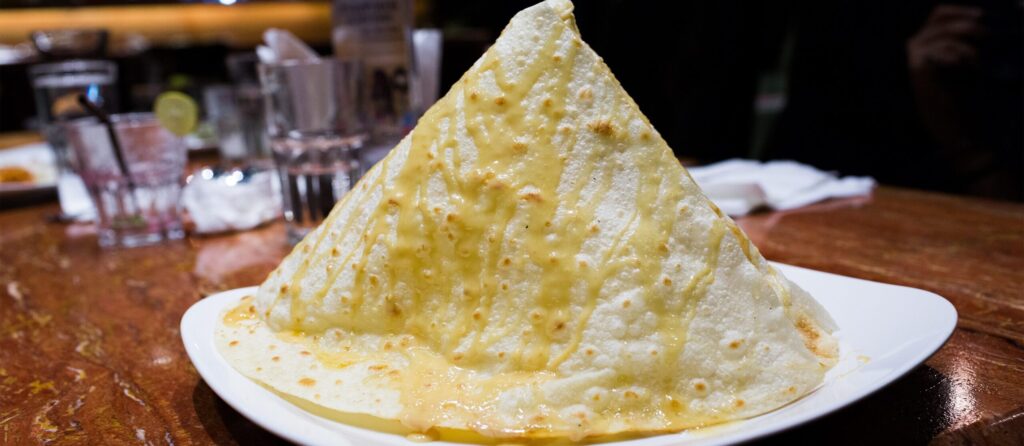
Take wheel cakes as an example.
Sometimes a whole cookie is buried inside smooth custard.
The tongue hesitates for a moment.
That hesitation becomes memory.
Rather than uniform texture, a controlled disturbance.
Street stalls seem to understand this instinctively.
Erasing the border between sweet and savory
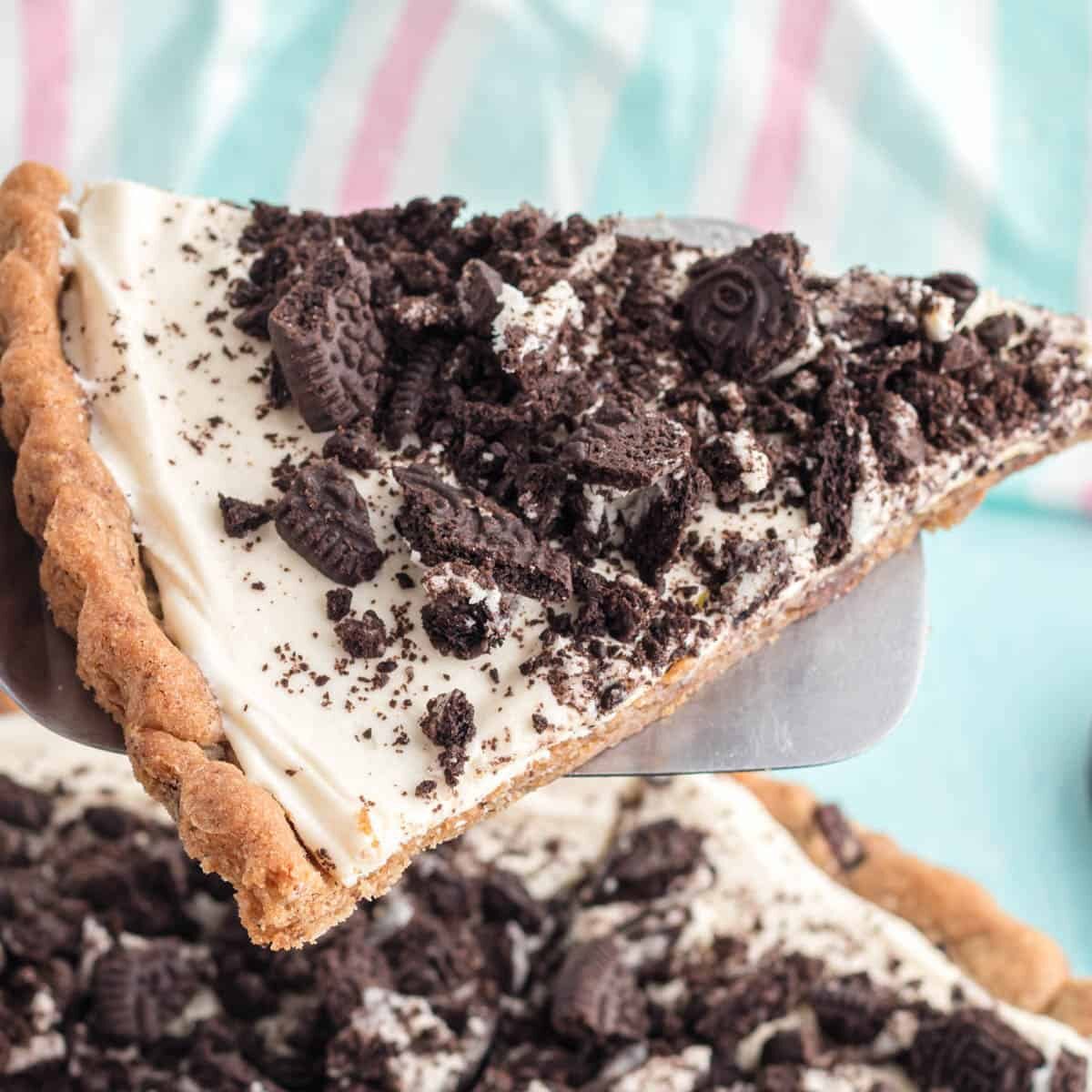
Pizza Hut Taiwan’s fried chicken Oreo pizza looks like a joke at first glance.
Salty fried chicken and sweet cookies on the same surface.
Yet within Taiwan’s grammar of taste, this does not collapse.
Sweet soy sauce.
Sweet mayonnaise.
Sweet and savory are not opposites here. They are a base form.
The cocoa bitterness and sugar cut through the fat.
The cookie acts as spice, not dessert.
This shift is what allows Oreo to remain on the table.
Oreo as landscape
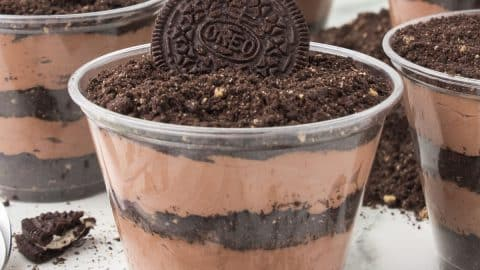
Crushed Oreo spread over milk tea, topped with a single sprig of mint.
So-called flowerpot milk tea.
Taste matters less than appearance.
The black crumbs read as soil, and a small garden forms inside the cup.
This is not only social media display.
It is closer to mitate, the Japanese practice of visual analogy.
Cafés create small scenes inside drinks.
Oreo becomes usable earth.
What disappears when fried
Fried Oreo appears at night markets.
Battered and submerged, its identity is hidden.
The first bite breaks the shell.
Inside, a warm black mass dissolves.
There is no crunch.
The cocoa outline blurs.
Here, Oreo is neither crushed nor decorative.
It absorbs oil and heat, holding sweetness at the core.
Through frying, it stops being a cookie.
In Taiwan, this seems a natural conclusion.
Returning a finished product to raw material
A cookie is meant to be complete.
Open the package. Eat. Finish.
In Taiwan, Oreo is taken apart.
Crushed, buried, mixed, reassigned.
This is not brand consumption.
It is reduction back to material.
Seeing Oreo charred on a pizza,
one may be witnessing the appetite and flexibility of Taiwanese food culture itself.