Heat, time, and loss
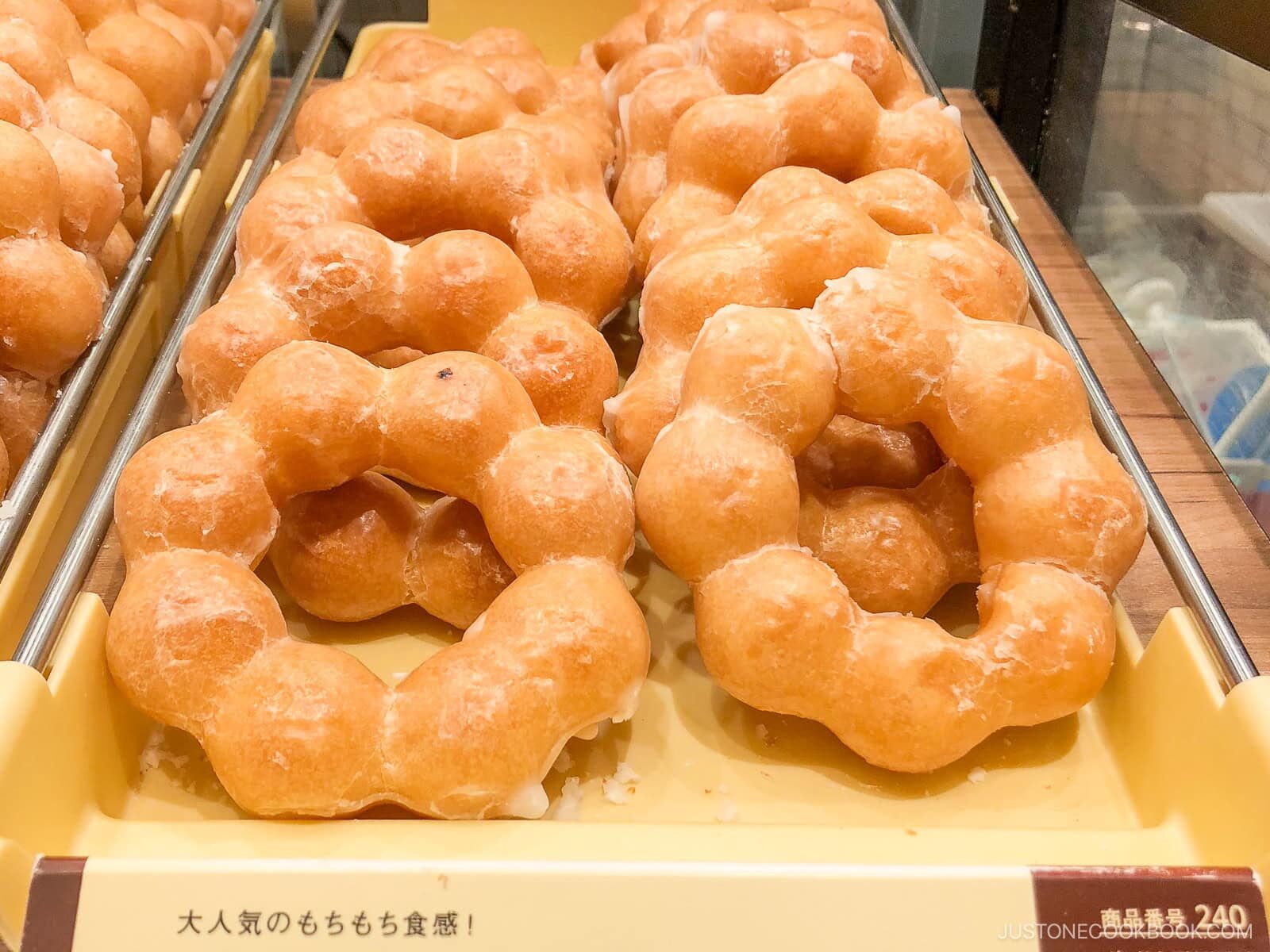
The first bite of hot tapioca has a familiar resistance.
That spring does not last.
As it cools, it hardens.
Placed in a refrigerator, it becomes something else.
This is the natural behavior of starch.
Still, we wanted the same Q
anytime, anywhere.
That desire pushed Taiwan’s food industry
out of the kitchen
and into the laboratory.
The limits of natural starch
Sweet potato starch and tapioca starch feel elastic just after cooking.
Once cooled, they harden quickly.
This process is called retrogradation.
Starch molecules realign
and return to a more ordered state.
At home, this is not a problem.
In takeout and mass production, it is fatal.
Food is eaten hours later.
It is refrigerated.
It travels long distances.
Under these conditions,
Q that exists only when freshly cooked
has no place.
The market asked for something else.
Elasticity that remains
even after time passes.

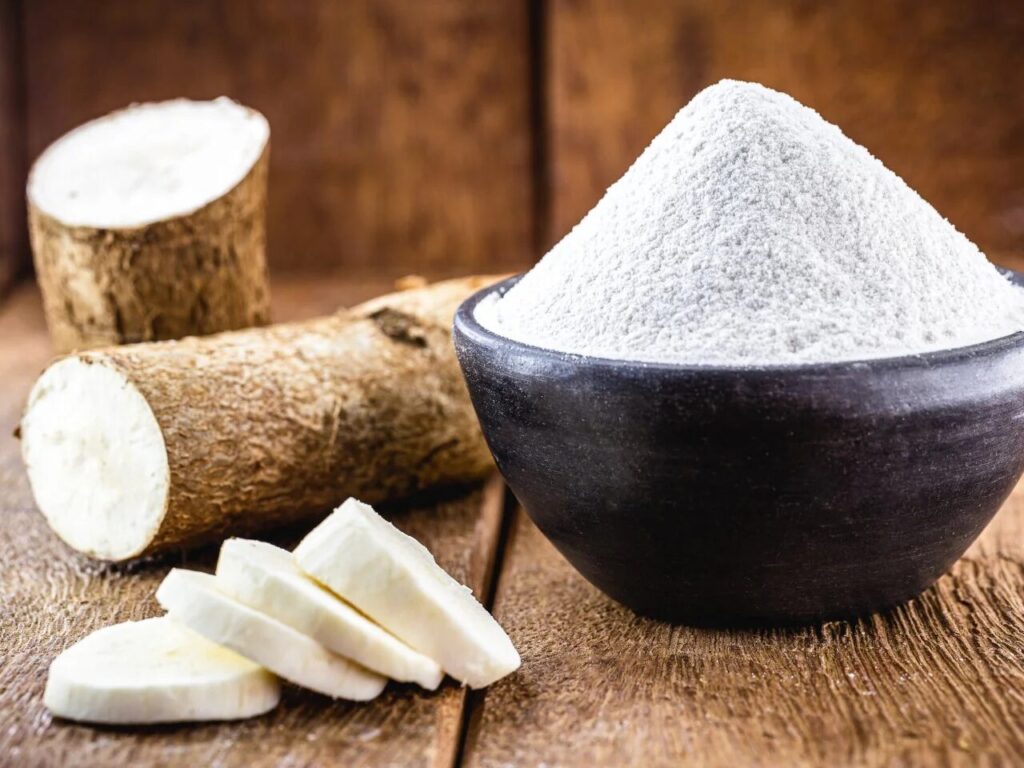
A white powder with answers
The solution came from food chemistry.
Modified starch.
Its molecular structure altered
to resist retrogradation.
Added in small amounts,
texture stabilizes.
Bread stays soft the next day.
Tapioca remains elastic
even in ice water.
Street stalls, factories, convenience stores.
This white powder spread everywhere.
It removed the need for intuition.
Q became an industrial product.

When desire went too far
In 2013, this alchemy collapsed.
Some suppliers sought stronger elasticity
and lower costs.
They added industrial chemicals illegally.
The substance was maleic acid.
Used in resins and coatings,
not food.
With it, starch gained extreme elasticity
and never broke down.
It was sold as a magic powder.
Meatballs, taro balls, rice noodles, tapioca.
Q foods across Taiwan
were recalled at once.
People were forced
to face what they had been eating.
Q that does not die
That tapioca was unsettlingly efficient.
Refrigerated.
Left overnight.
It remained rubbery.
It did not resist aging.
It was given a body that does not die.
A texture that rejects time.
Something unknown in nature.
It was a kind of undead Q.
After the shock
After the incident, Q split into two paths.
On one side, producers say plainly:
“Hardens when cold.”
“Best within two hours.”
On the other, convenience and stability
remain the priority.
This is not a question of right or wrong.
Consumers began to choose.
Convenient Q.
Or fleeting Q.
What Q had been
The best Q was never meant to last.
It existed only for minutes after cooking.
A pleasure with a limit.
The moment we tried to preserve it forever,
Q shifted
from culture to product.
When I bite into soft bread from a convenience store,
I taste
both a chemical victory
and its quiet cost.