A word that appears before flavor
Walking through the streets of Taiwan, I keep noticing a single letter.
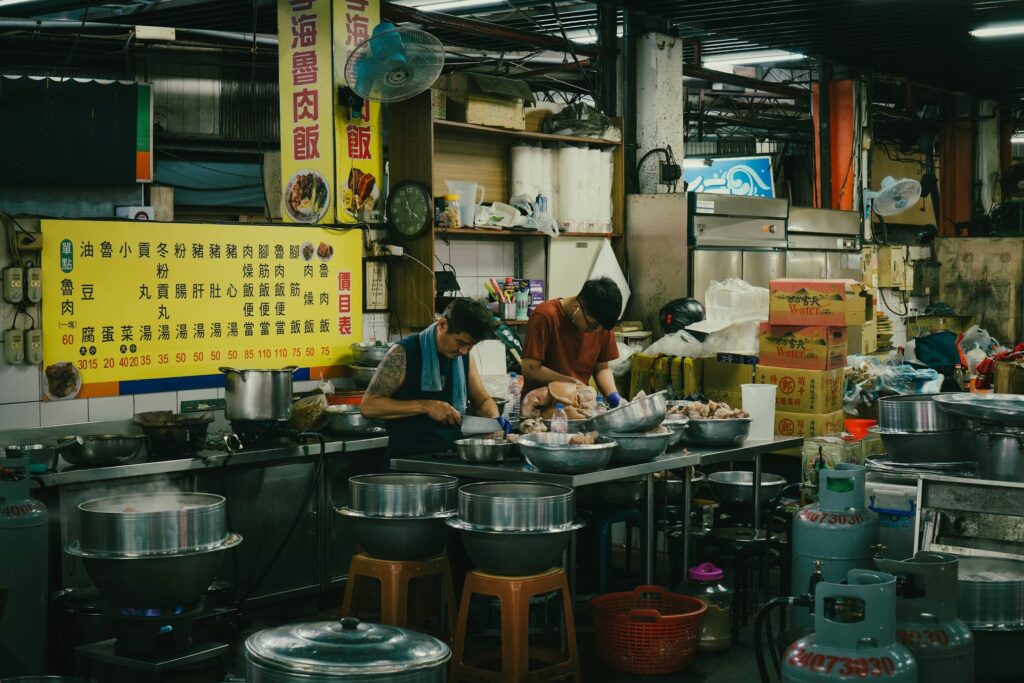
On night market signs.
On convenience store snacks.
On frozen food packages.
The letter is Q.
People say things like very Q, or Q-like, or Q with bounce.
There is no clear definition in a dictionary.
Still, everyone seems to understand exactly what is meant.
With this one letter, the quality of texture is shared without confusion.
A national adjective without a dictionary entry
This Q has no official Chinese character.
It is often said to come from the Taiwanese pronunciation kiū, meaning sticky and elastic, matched to the similar sound of the alphabet letter.
It has nothing to do with the English word cute.
This is not a concept that translates easily.
It describes a bodily sensation rather than a taste.
In Taiwan, texture is sometimes discussed before flavor.
There are moments when whether something is Q matters more than whether it is sweet or salty.
Neither al dente nor mochi
Trying to map Q onto other food cultures creates friction.
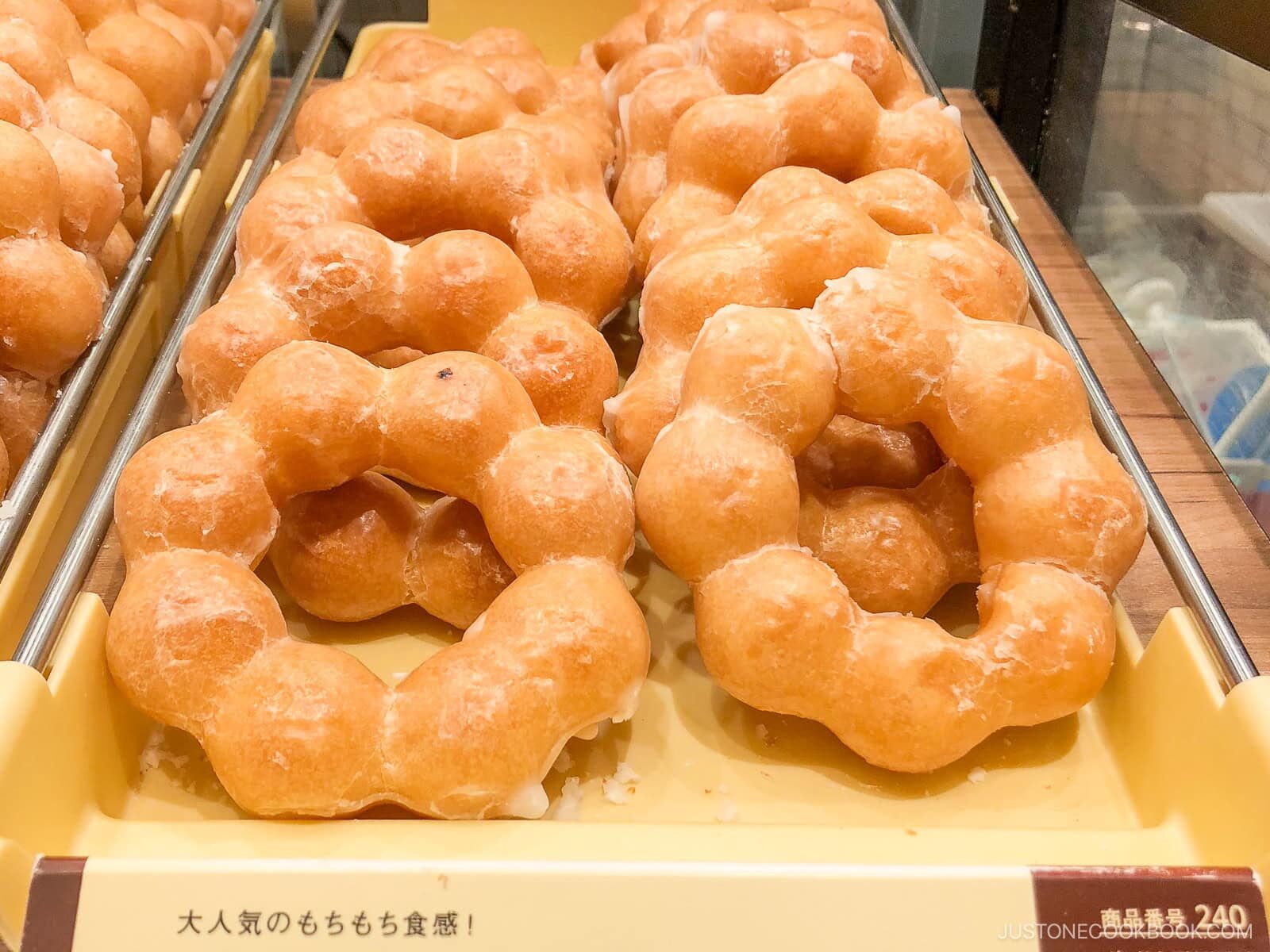
Japanese mochi-mochi values softness and stretch.
Italian al dente focuses on firmness at the core and clean bite.
Q is neither.
It pushes back the moment you bite.
It resists being cut.
But it does not linger forever.
At the end, it snaps.
That brief cycle of resistance and release is the point.
What is enjoyed is not the food alone, but the rhythm created by chewing.
More than one kind of Q
Listening more closely, I notice that Q is not singular.
There is a soft, stretching kind.
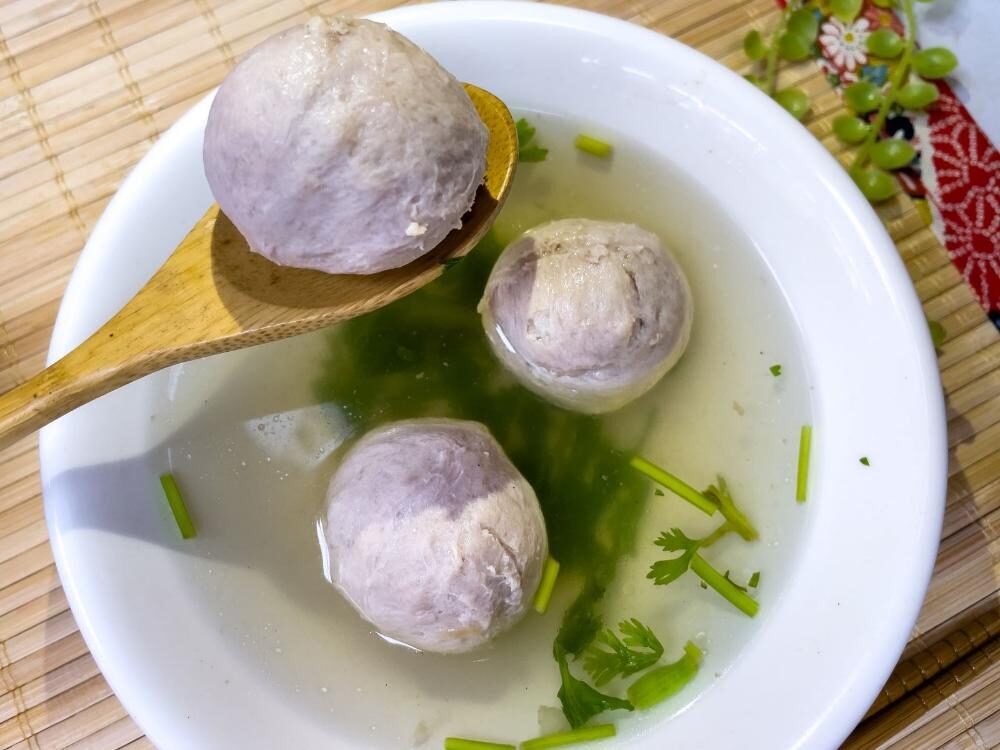
Rice cakes, tapioca pearls, taro balls.
Elastic, adhesive, pulling at the teeth.
This could be called soft Q.
There is also a firmer kind.
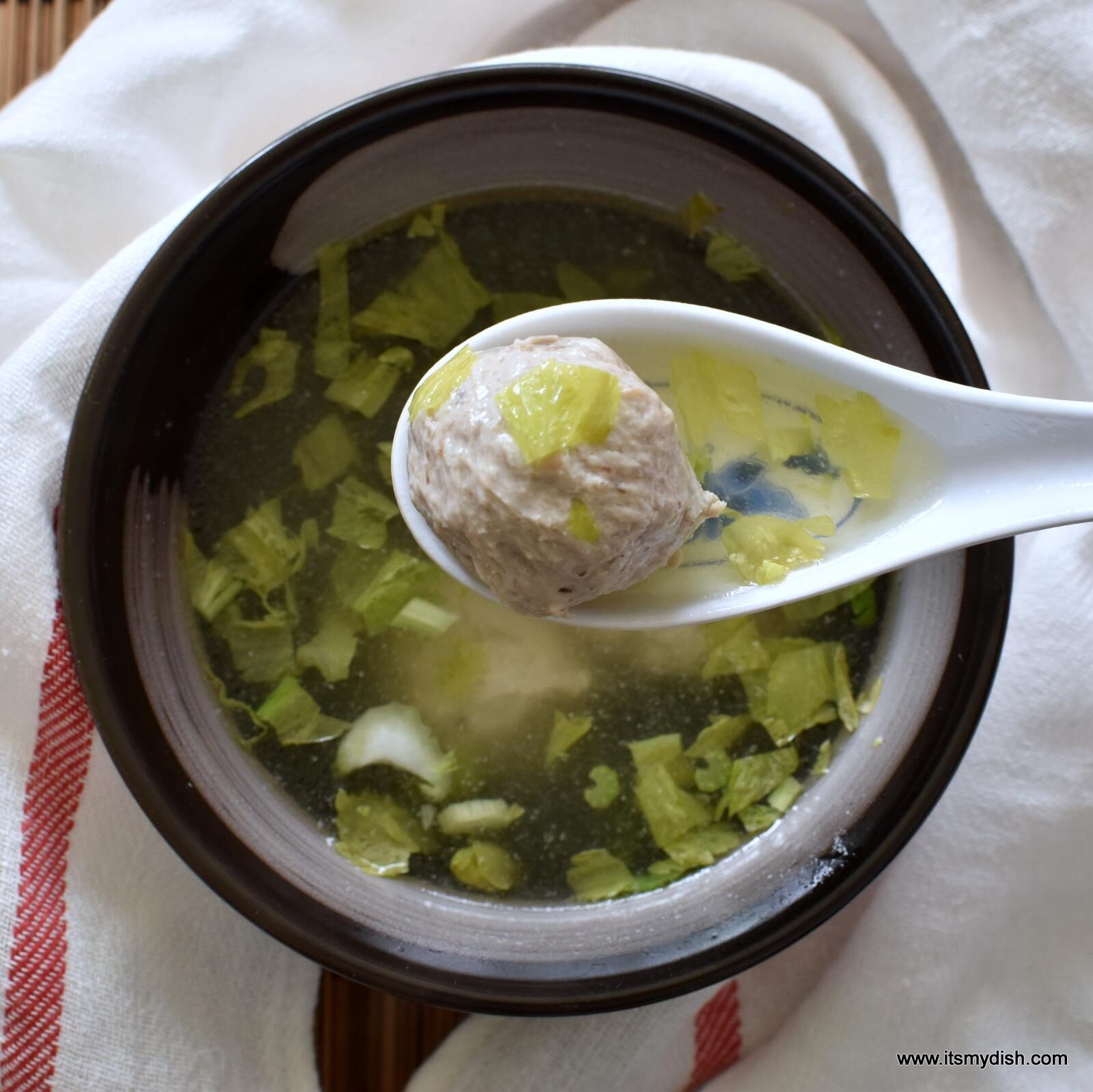
Pork balls, cuttlefish balls.
They push back hard, then break cleanly with a clear snap.
This is closer to brittle Q.
When someone says very Q, context decides which one they mean.
What matters is that both turn chewing itself into pleasure.
A world where Q excuses everything
This attachment to Q crosses categories.
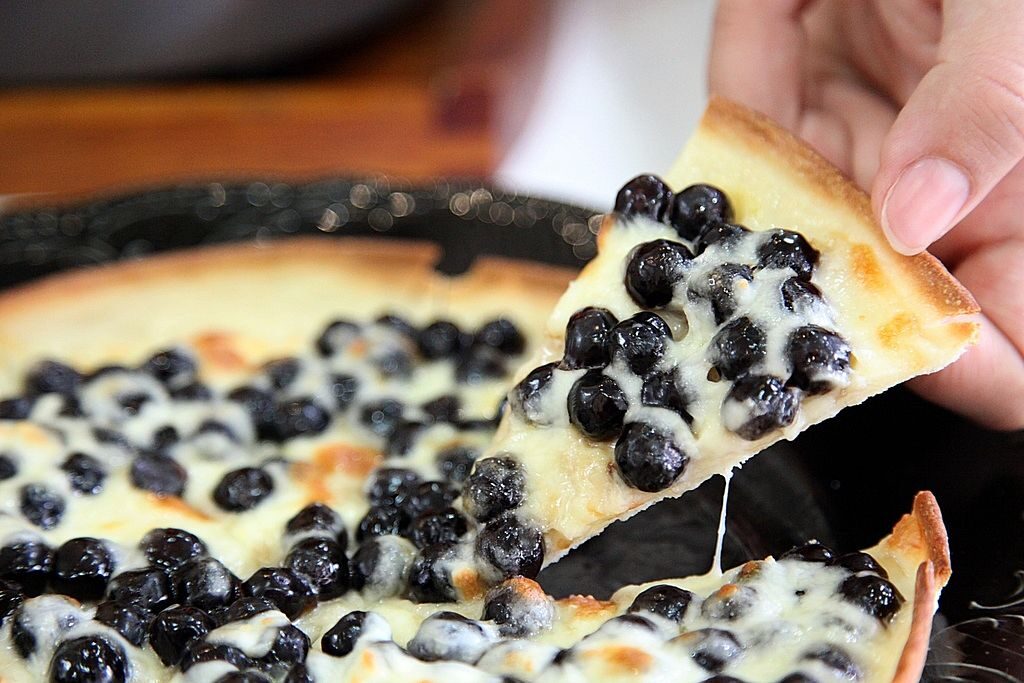
Tapioca.
Taro balls.
Fish balls.
Meat balls.
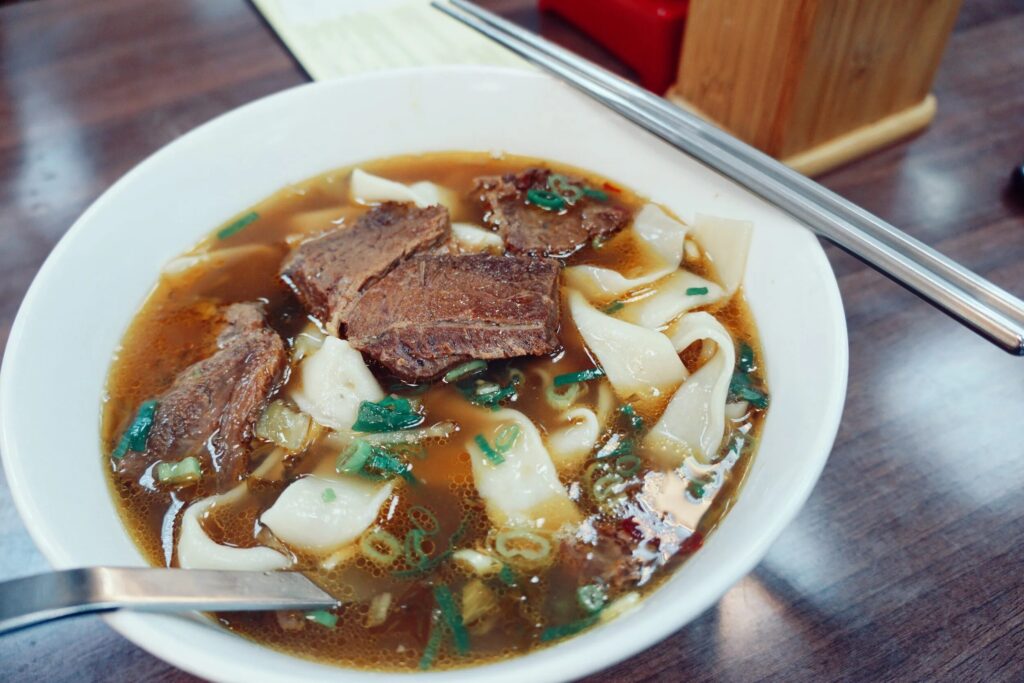
Even beef noodle soup is judged on whether the noodles are Q enough.
At the extreme is a dish wrapped in a thick starch skin that trembles on the plate.
To outsiders it can seem puzzling.
To locals it is a concentration of Q, and with it, nostalgia.
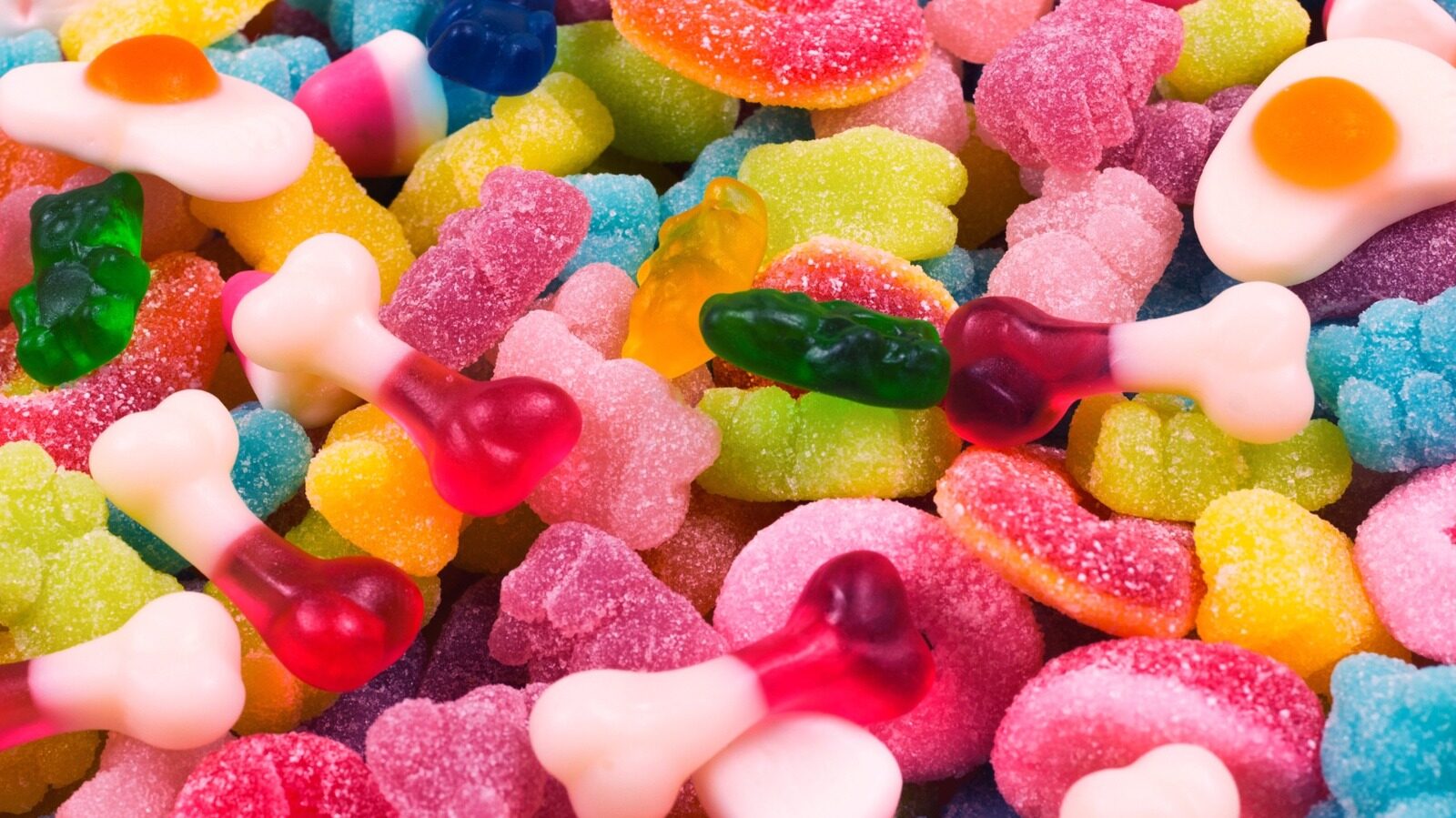
In Taiwanese convenience stores, German-made gummy candy sells well.
It is hard enough to tire the jaw.
Here, that hardness becomes praise.
Very Q.
What might be called too hard elsewhere is valued precisely because it demands continued chewing.
Chewing is not a burden.
The ability to keep chewing is the value.
The strictness behind tapioca debates
When a tapioca shop is criticized, the worst verdict is simple.
Not Q.
Overcooked and mushy is unacceptable.
Undercooked and powdery is also rejected.
There is a narrow point where teeth are pushed back and then released.
That point is guarded carefully.
This feels less like taste preference and more like an ethic of texture.

Why chew this much
There is no single answer.
One reason lies in a history of cassava and starch.
Another may be that chewing itself relieves stress.
In a busy day, people keep biting tapioca through a straw.
It may be an unconscious form of maintenance, performed on the mind through the jaw.
Q as a reflection
Q has moved beyond texture.
Flexible.
Persistent.
Not easily cut through.
These qualities overlap with how Taiwanese society often describes itself.
The global spread of tapioca milk tea was not driven by sweetness alone.
It carried with it a pleasure of chewing refined over decades, now installed quietly into jaws around the world.