1949, Yonghe, Mei Er Mei — Layers Left on the Morning Table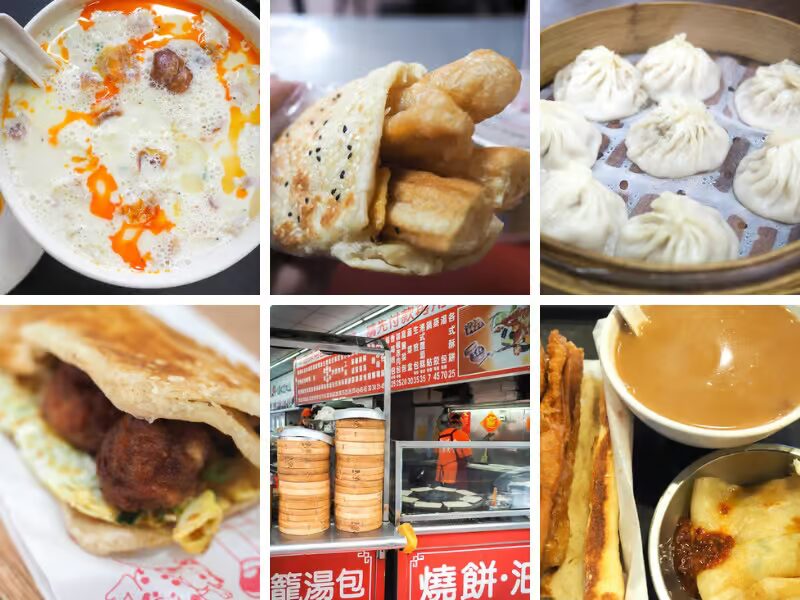
In the morning in Taiwan, I step into a small shop marked zaocan.
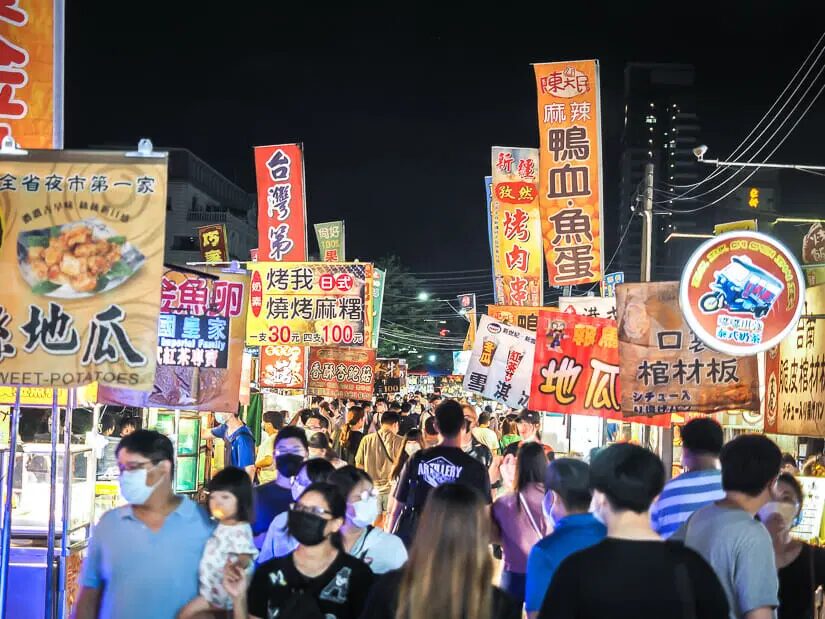
I look up at the menu on the wall.
Text and photos fill every gap.
I cannot tell where to begin.
Egg crepes.
Rice balls.
Radish cakes.
So far, this fits expectation.
Next to them appear hamburgers.
Sandwiches.
Hot-plate noodles.
French toast.
Drinks list soy milk, black tea, coffee, milk tea.
There is no order.
No visible logic.
East Asian, Western, and something in between sit on the same plane.
Without friction.
Taiwanese breakfast feels undisciplined.
That word is too rough, but coherence is thin.
Once I start asking why this mix exists,
the menu begins to look different.
Flour Enters a Rice Morning
Before 1949, mornings were simpler.
Rice porridge.
Pickled sides.
Meals centered on rice.
Then a shift occurred.
After the civil war, large numbers of mainland migrants crossed to Taiwan.
At the same time, American aid brought in large amounts of wheat flour.
Flour entered a rice island.
Quietly.
But steadily.
Flat breads.
Steamed buns.
Northern flour-based habits joined the morning choices.
Rice did not disappear.
Flour was placed on top of rice.
That alone changed the scene.
A White Liquid Spreads from Yonghe
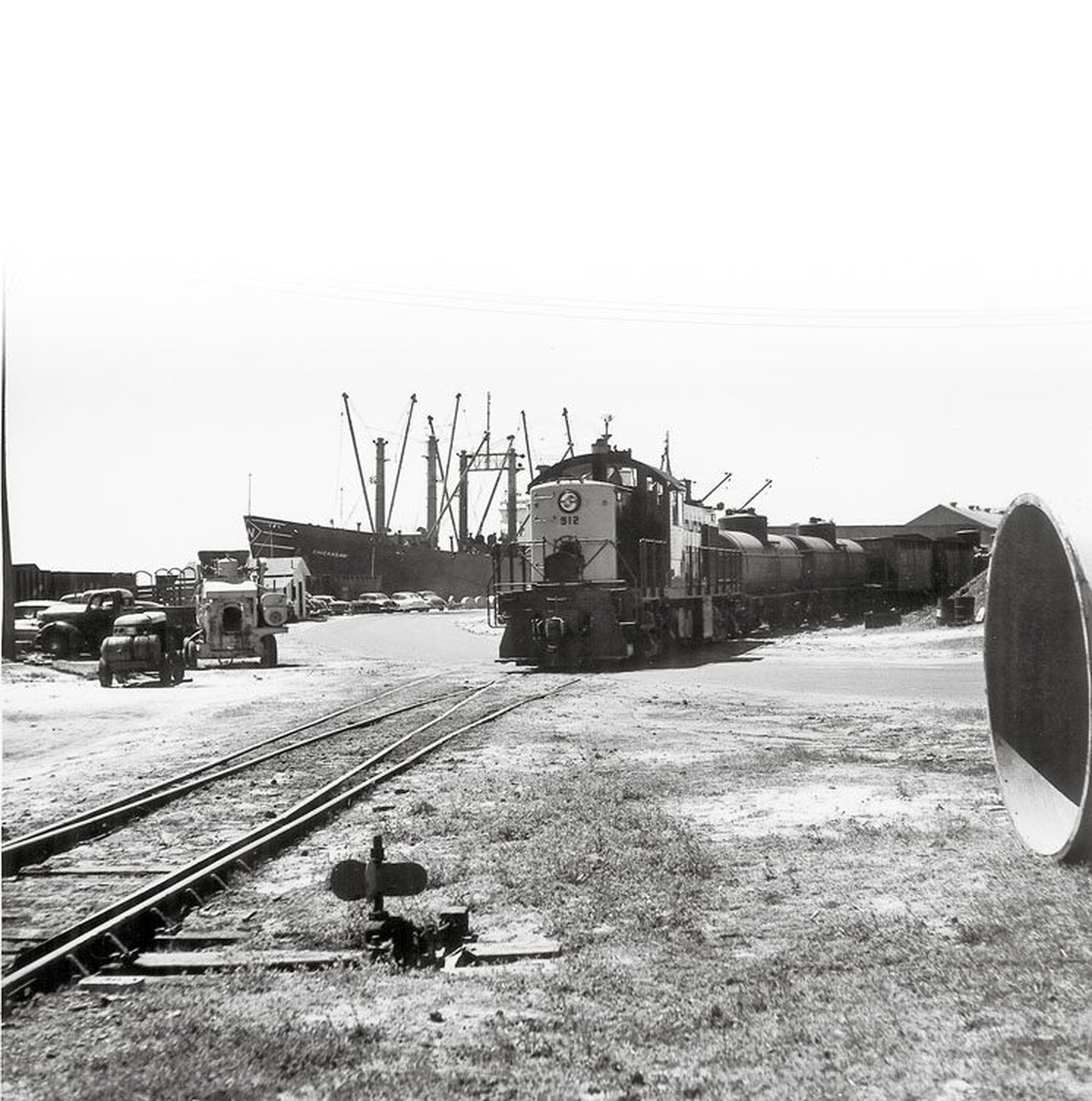
The next wave had a location.
Yonghe, south of Taipei.
A bedroom district with many retired soldiers.
For workers active at night, shops selling soy milk and fried dough appeared.
Hot soy milk.
Fried bread.
Filling, cheap, warm.
What began as late-night food shifted toward morning.
Yonghe soy milk became a format.
Open all hours.
Bright interiors.
Fast turnover.
It linked with youth culture.
Dipping fried dough into soy milk settled into habit.
Again, nothing vanished.
Soy milk stood beside porridge.
Red Signs Cut In
The third wave came in the 1980s.
In 1981, during economic growth, Lin Kun-bin started a chain called Mei Er Mei.
Red signage.
Bright interiors.
He brought hamburgers and sandwiches.
At the time, these were Western foods.
They were not served unchanged.
Sweet mayonnaise.
Soft bread.
Adjusted to local taste.
Priced for breakfast.
This Taiwanese-style hamburger was placed next to existing items.
No rejection occurred.
No replacement either.
It was simply set beside them.
Choosing to Grill Everything
Handling such scattered histories in one shop seems impossible.
Yet breakfast shops function.
The reason sits in the kitchen.
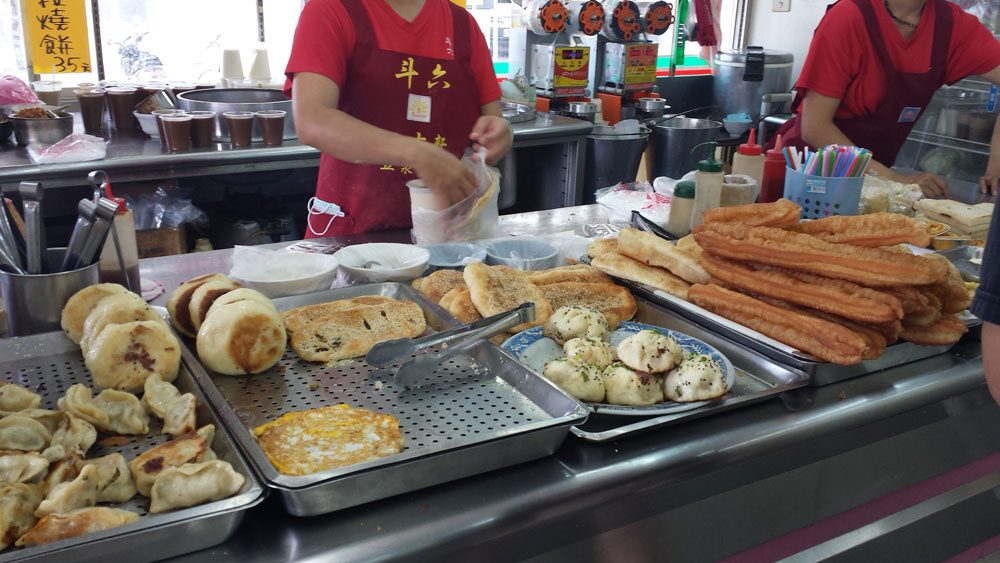
A large flat griddle.
Nothing more.
Burger patties.
Fried eggs.
Radish cakes.
Egg crepes.
Sandwich bread.
Everything is grilled on the same surface.
Zones are divided.
Processes run in parallel.
Few items are boiled.
Ovens are rare.
Grilling becomes the single method.
Through it, dishes from different decades enter one line.
The griddle absorbs history.
Drinks Are Sealed
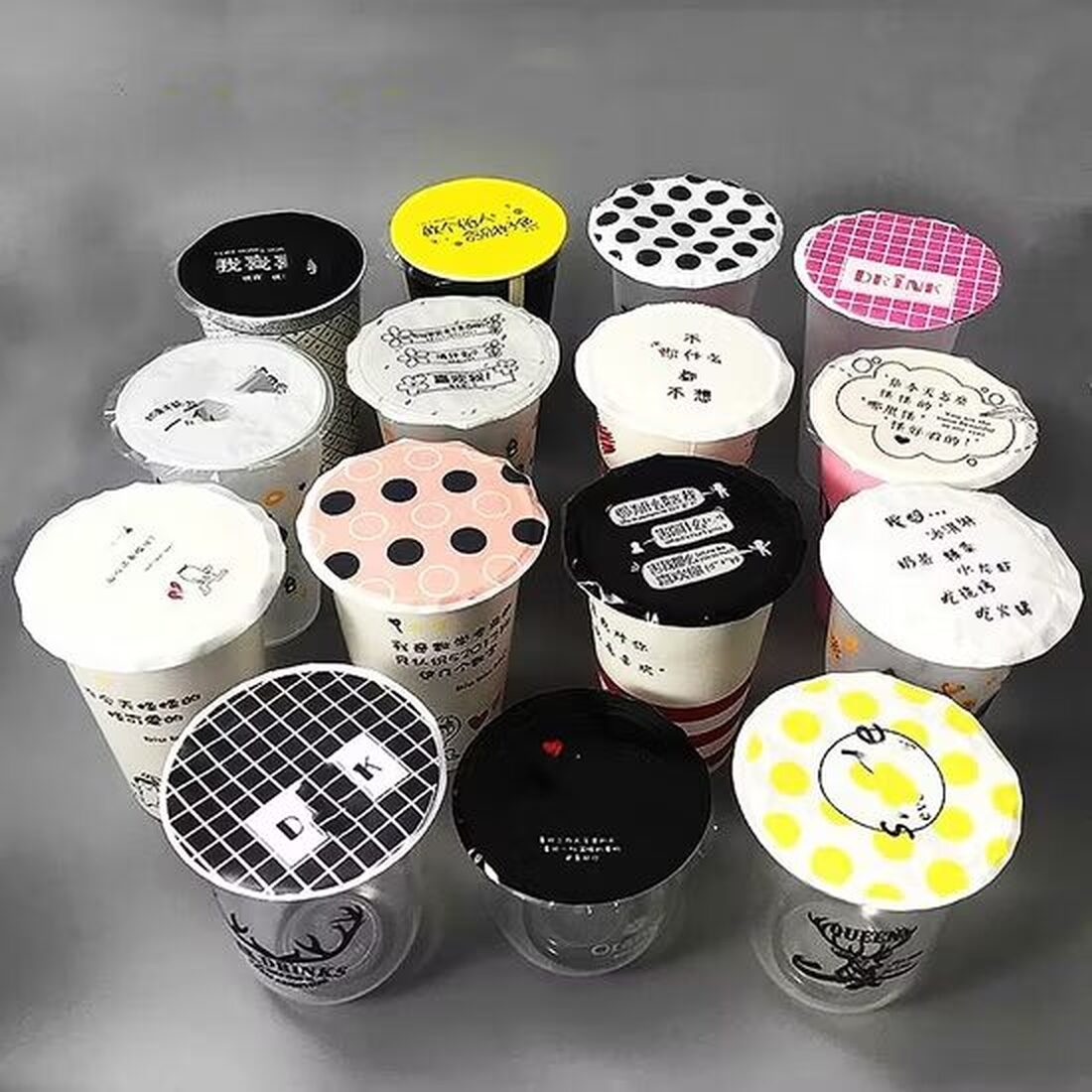
Next to the griddle stands another busy machine.
An automatic cup sealer.
Soy milk.
Black tea.
Milk tea.
Any liquid passes through and will not spill.
Taiwan runs on scooters.
One hand holds breakfast.
The other holds the handlebar.
Preventing spills matters more than flavor.
The sealer becomes the final gate for drinks.
Old or new does not matter.
Everything exits the same way.
The Choice Not to Discard
In many places, new food replaces old.
Specialization follows.
Older items fade into memory.
Taiwanese breakfast shops did not choose that path.
Radish cake stayed.
Flat bread stayed.
Hamburgers arrived on top.
No one trimmed the list.
No one said radish cake was unnecessary because hamburgers existed.
The griddle made this possible.
Menus grow thick.
They are not neat.
Yet an order exists.
1949.
Yonghe.
Mei Er Mei.
Each era remains without being scraped away.
I bite into an egg crepe and drink soy milk.
Within that mouthful, decades sit side by side without collision.
Taiwanese breakfast is not about abundance of choice.
It is what remains when nothing was thrown out.