Capital Wars and the Stillness of 50嵐 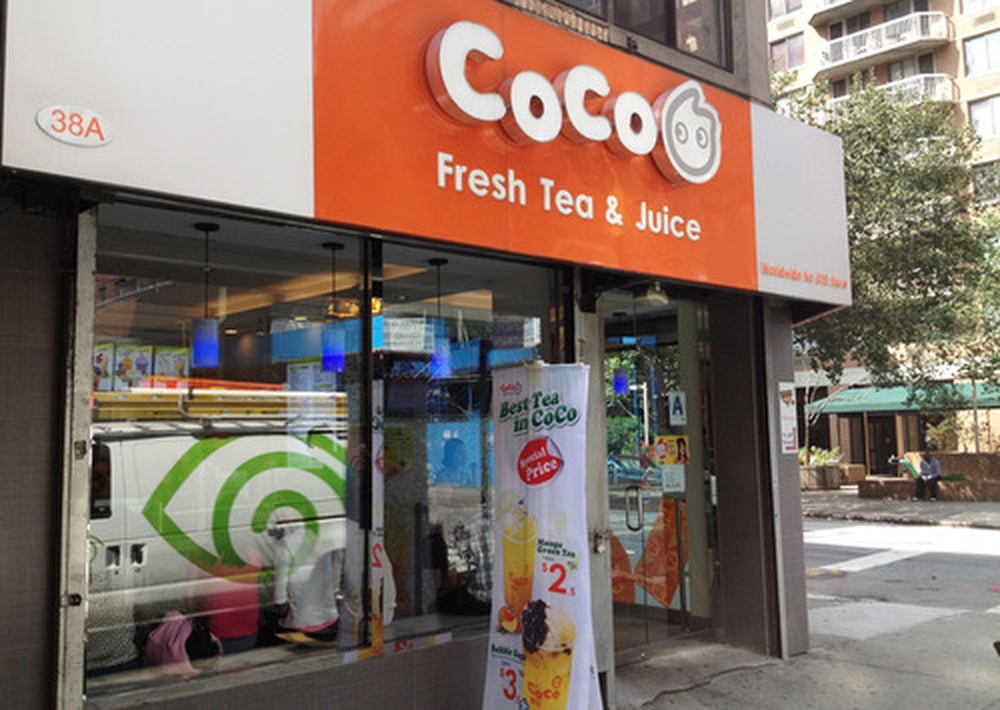
At the start of this drink’s story stands bubble milk tea, also known as zhenzhu naicha.
It is now easy to find, in front of a station in Tokyo, on a shopping street in Paris, or inside a mall in New York.
Black pearls float in sweet milk tea.
It sits on the same shelf as coffee or smoothies.
It no longer feels like a Taiwanese dish.
This outcome was not planned.
No company designed it as a global strategy.
Its spread was driven by many small and determined carriers.
The time of the evangelists
From the 2000s to the early 2010s, the first wave moved outward from Taiwan.
Two chains stood at the front: CoCo and Chatime.
They did not only open shops.
They carried a format.
Recipes were exported together with cup sizes, sweetness levels, ice ratios, and even the number of shakes.
Manuals and ingredients traveled as a set.
North America, Southeast Asia, and Oceania received them.
Competition was not about taste.
It was about who arrived first.
At this stage, what had been local became a portable system.
Giants from the mainland
In the late 2010s, the scene shifted.
Chinese capital entered.
At the high end was HEYTEA.
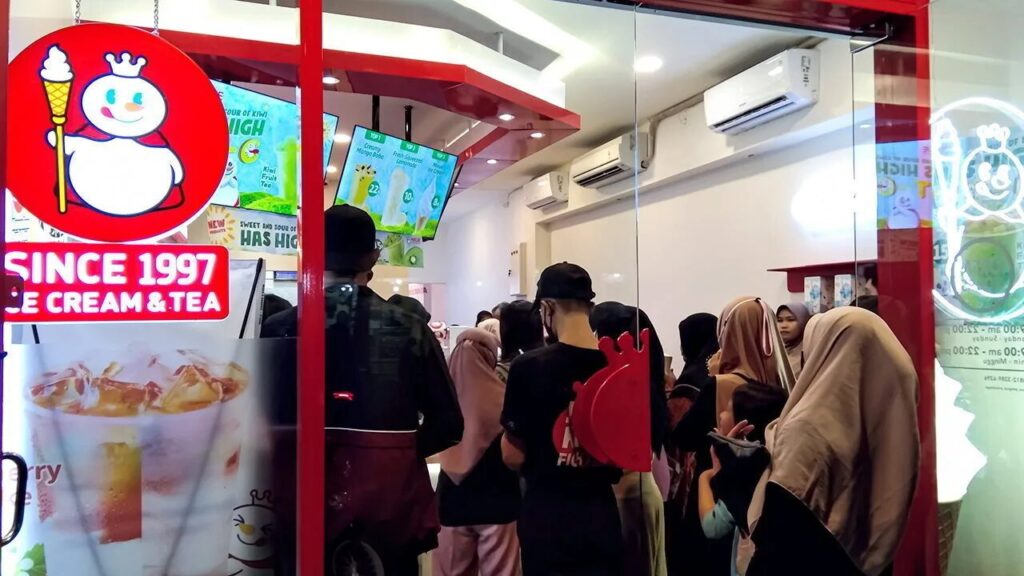
At the low end was Mixue.
They brought things Taiwan had never needed at this scale.
Large budgets.
Digital marketing.
Fast expansion.
Apps tracked customers.
Shops were built for social media.
Cities were covered in months.
What had once been a small trade became a field for investors.
When taste stopped being enough
Flavor was once the difference.
Tea leaves.
Syrup.
Boiling time.
These were easy to copy.
After capital arrived, two forces remained.
Money.
Supply chains.
Who could buy fruit cheaper.
Who could own their own farms and packaging plants.
For small Taiwanese operators, this became a war of exhaustion.
The stillness of 50嵐
Inside Taiwan, one brand stayed apart.
50嵐, with its yellow and blue sign.
It did not avoid going overseas.
But it did not take its own name with it.
Abroad, it used another label, KOI Thé.
While others chased the world, it stayed and worked on its base.
It did not chase store numbers.
It did not expand franchises quickly.
As a result, people learned to expect the same taste in every branch.
Trends came and went.
Fruit teas.
Cheese foam.
It kept its distance.
Tea and pearls stayed at the center.
A different kind of center
In the global market, Chinese capital now sets the tempo.
Scale and speed define the field.
But the original shape of this drink still feels tied to Taiwan.
Under the yellow sign, the liquid is still shaken.
The black pearls still rise from the bottom.
The city does not move.
The cup does.