The cost of deboning, and a layer of white fat inside a square box
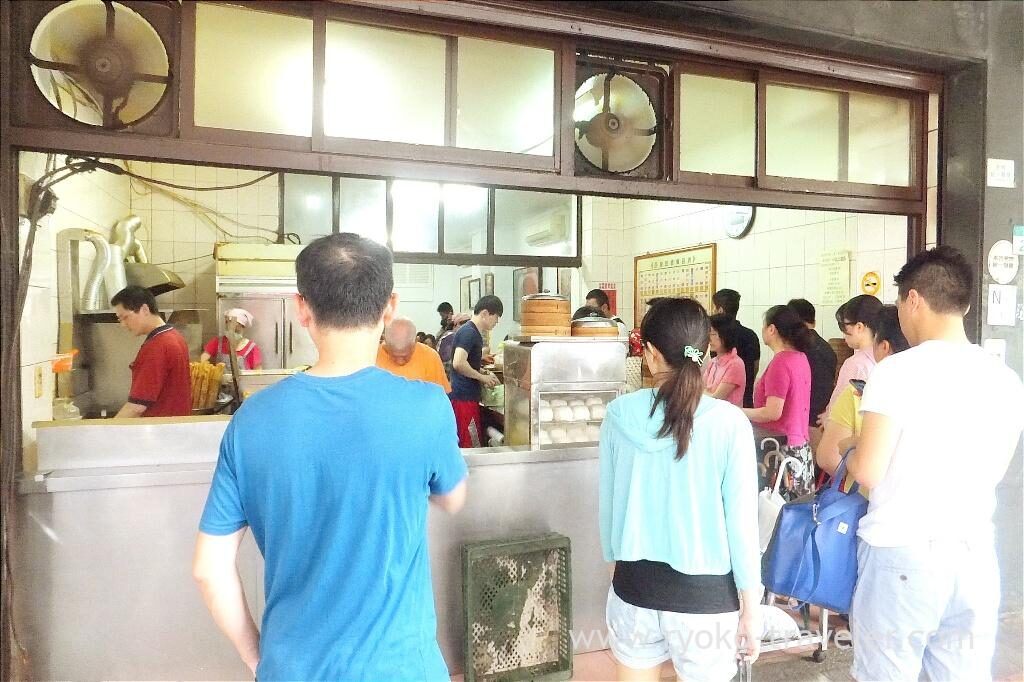
At midday, Taiwanese street corners develop a particular pattern of movement. Motorcycles pull to the curb and riders stand in front of bento shops without removing their helmets. Construction workers in work clothes walk back carrying three or four paper bags. In the elevator lobbies of office buildings, bentos in transparent bags pass quietly from hand to hand. Behind the glass case at the bento counter, today’s menu is laid out and waiting.
The Hierarchy of the Box, and the Highest Price Tag
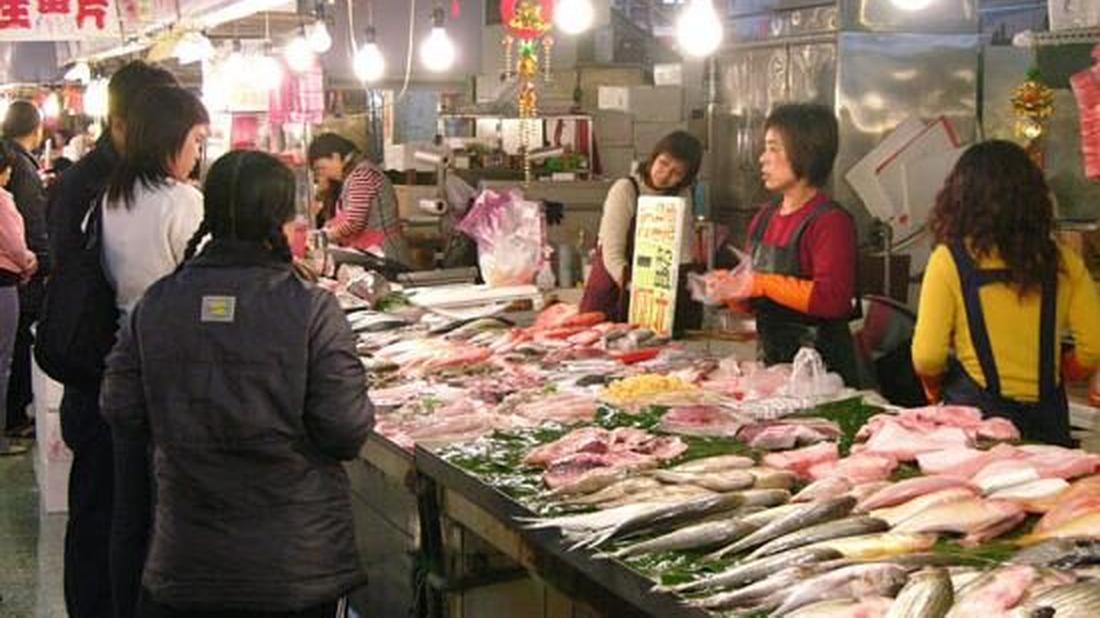
The Taiwanese lunch begins with a wall of stacked bento boxes (bian dang). Thin cardboard, one rubber band. On the other side of the glass case, a main dish and side dishes are selected in a continuous flow. When uncertain, the standard choices hold. Pork spare ribs are fried in oil and soy sauce and fill the stomach reliably. Chicken thigh is there, and braised pork belly. All of them are reasonably priced and honest answers to what the midday stomach requires. But one line at the edge of the price board draws the eye. Milkfish belly rice (sabahi yu du fan). The going rate is 170 to 200 New Taiwan dollars. It sits a clear step above everything else — the most expensive item in the ordinary Taiwanese bento shop.
A Fish Raised Under the Southern Sun
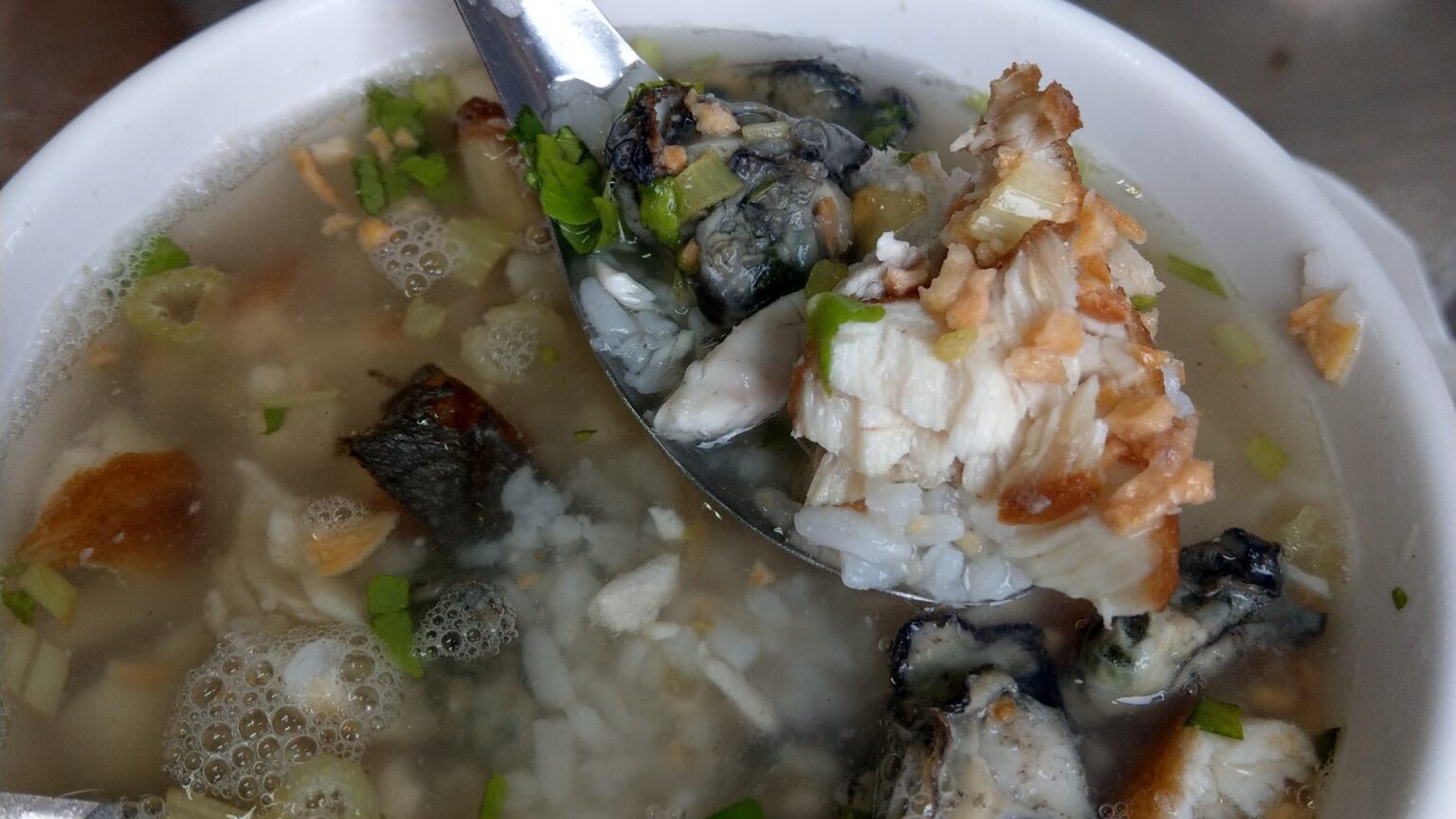
Sabahi is a tropical fish raised in the warm, shallow aquaculture ponds of southern Taiwan, particularly in the area around Tainan. In English it is called milkfish. The name comes from what happens when it is cooked: the flesh turns the white of milk, and the belly accumulates a layer of fat that is dense and sweet in the way milk is. The fish is herbivorous, feeding on algae at the bottom of its pond. Depending on how it is raised, it can carry a residual earthiness in the flesh. Despite this, it is held in intense affection by the people of central and southern Taiwan, precisely because of the richness of its fat. When this southern fish is pressed into a square bento box, it takes on a presence unlike anything else in that format.
A Black and Gold Sheet That Covers Everything
Opening the bento box after it is handed over, one finds an unusual sight. This is not a dish arranged alongside the rice the way pork ribs or chicken thigh would be. A large half-fillet of sabahi lies flat across the box like a single board, completely concealing the three side dishes and the white rice beneath it. The surface facing upward is golden, rendered crisp by high-temperature oil. Flipped over, there is a harder skin side where silver and black intermingle. This fish has clearly exceeded the dimensions the bento box was designed to contain.
The Labor Cost That Does Not Appear on the Label
Sabahi is, in its natural state, a difficult fish. Two hundred and twenty-two fine bones run through the muscle tissue across its entire body, their tips branching into a Y shape. Removing them with chopsticks is close to impossible. There was a time when eating this fish required sustained concentration, working the bones out from the corner of the mouth throughout the meal. The large belly fillet in this bento box, however, contains not a single bone. The two characters wu ci — boneless — are written on the shop’s sign because a craftsperson in a processing facility has used specialized knives and fine-tipped tools to extract all two hundred and twenty-two bones by hand, one at a time. The price of this bento does not reflect the cost of the fish itself. What is added to the price is the invisible labor cost of bringing the fish to a state where it can be bitten into without thought or caution. The person buying this bento is not buying fish. They are buying the conditions for uninterrupted chewing.
The Confrontation of Dry-Frying, and Three Layers
The sabahi belly in a bento shop is most often finished using a method called gan jian — frying on an iron griddle with a generous amount of oil, somewhere between shallow-frying and pan-frying. The moment the moisture-heavy belly meets the heated surface, the oil erupts outward. For the people working in the kitchen, this is the ingredient that demands the most physical attention and carries the highest risk of burns. By the time it reaches the customer, that violence has disappeared entirely. When chopsticks enter the fish, three layers become visible. The outermost is the golden, crisped skin side, produced by high-temperature oil. Beneath it is a moist and purely white layer of muscle. Between the two is a thick seam of black peritoneum and white fat. From the cross-section that the chopsticks open, white fat begins to melt slowly outward. This is not a dish designed to convey the delicate flavor of the flesh, in the way Japanese grilled fish is. Its structure exists to convey the weight and quality of fat.
Fat Following Gravity Down to the Rice
The fat that melts from the belly under heat falls by gravity toward the bottom of the bento box. It is different in character from the fat of pork or chicken. Animal fat from pork ribs or chicken thigh is heavy and leaves a film across the inside of the mouth. The fat of sabahi is lighter, running cleanly, and carries a sweetness specific to this fish. That fat moves over each grain of rice packed into the bottom of the box, covering them one by one. The flavor is not soy sauce. It is not a complex arrangement of spices. There is only the clean sweetness of fish fat with a faint trace of salt. The rice is not seasoned by a condiment. It is wrapped by fat from the sea.
The People Who Are Not in a Hurry
The customers eating this more expensive bento tend to follow a recognizable pattern. They are not in a hurry. They have space in their afternoon. Older customers sit in the corner of the diner and move their chopsticks without rushing. There is no sensation of impact in the stomach of the kind that fried pork leaves — no heaviness that arrives like a blow. Despite the quantity of fat consumed, the stomach after this meal is surprisingly unencumbered. What remains is a quiet sense of having taken in something that the body can use. The milkfish belly bento is not simply a bento that costs somewhat more. Inside the square format of the Taiwanese bento box, supported by the precise labor of deboning, it delivers the most unmediated form of caloric intake available. It is a quiet festival of fat, carried out in the Taiwanese way.