What Drifts Out the Moment the Plane Door Opens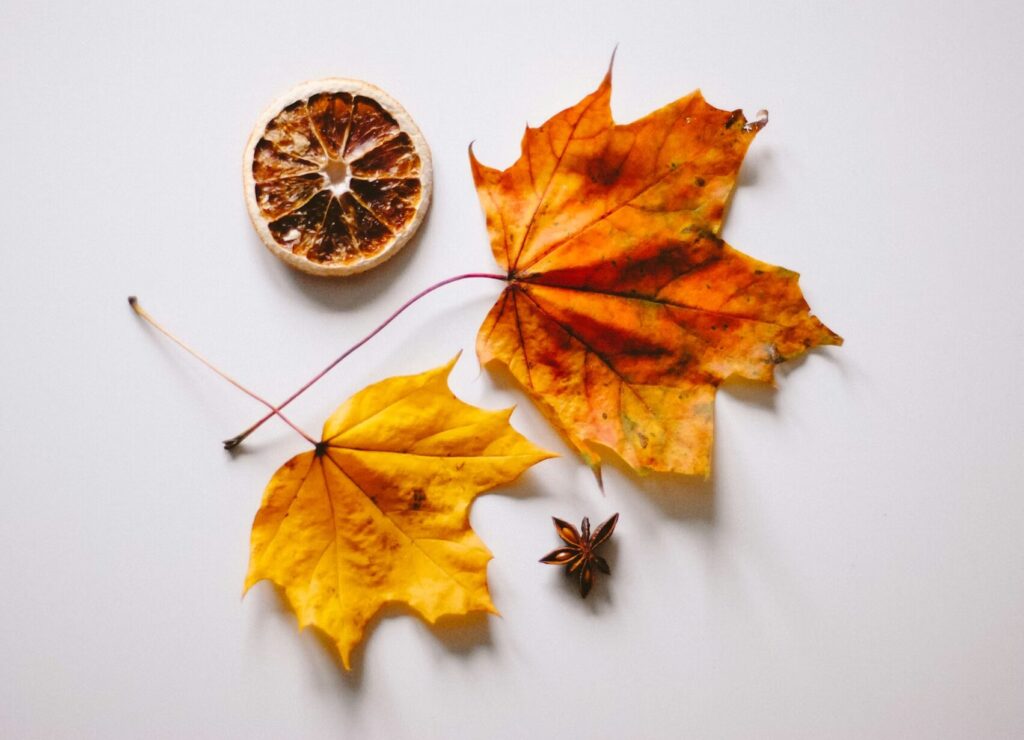
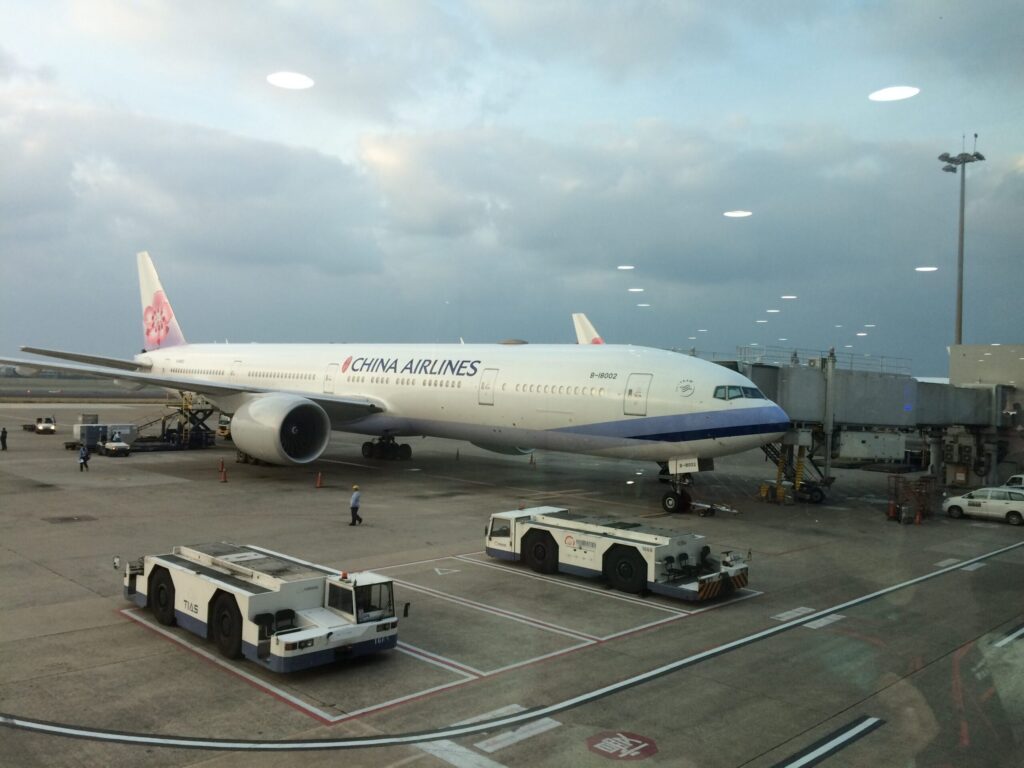
When I arrive in Taiwan
and step onto the boarding bridge,
there is a smell that arrives first.
With the humidity,
something sweet, slightly medicinal,
wraps around the air.
Before the city comes into view,
the nose reacts.
That is the signal.
This is Taiwan.
Ventilation ducts in the terminal.
A convenience stall at the airport station.
Steam rising from a pot of braised foods somewhere nearby.
Without looking for a specific shop,
the entire city seems to emit
a scent pointing in the same direction.
If Japan is a country lightly coated
in soy sauce and dashi,
Taiwan is an island wrapped
in a thin film of star anise.
Why has this fragrance
settled so deeply into daily life here?
Understanding a Spice Through Scent
Star anise.
Botanically related to magnolia,
but its smell is not simple.
Sweet.
Spicy.
Herbal.
And faintly warm.
Several directions rise at once,
never collapsing into one.
Across the Chinese-speaking world,
it has long been used with clear purposes:
to mask odors, preserve food,
and function as medicine.
In Taiwan,
it feels less like a preferred aroma
and more like a reference point.
Strong, but not exclusionary.
Once accustomed to it,
its absence feels more unsettling
than its presence.
A Shield for Life in the Subtropics
Taiwan is hot and humid.
Before refrigeration,
eating meat and offal safely
was never easy.
Spoilage could not be fully prevented.
So another method was chosen.
Cover it with aroma.
Spices such as star anise,
Sichuan pepper, and cinnamon
were not seasonings first,
but tools for adaptation.
The smell of pork.
The edge of organs.
Unpleasant notes that emerge with time.
They were not erased,
but overlaid and redirected.
Star anise acted less as a luxury
and more as a shield
for consuming protein in the subtropics.
The System Called Five-Spice
Star anise rarely works alone.
It belongs to a group.
Five-spice powder:
star anise, cinnamon, Sichuan pepper, clove, fennel.
A system organized in Qing-era China,
guided by the idea that food and medicine
share the same origin.
Warm the body.
Aid digestion.
Confront dampness.
In Taiwan,
this logic seeped quietly
from street stalls into home kitchens.
The result is a city
that shares a single grammar of scent.
Star Anise in Everyday Taiwan
This spice is not limited
to a few iconic dishes.
It appears in braises,
sauces,
soups,
and marinades for fried foods.
Sometimes visible.
Sometimes fully dissolved.
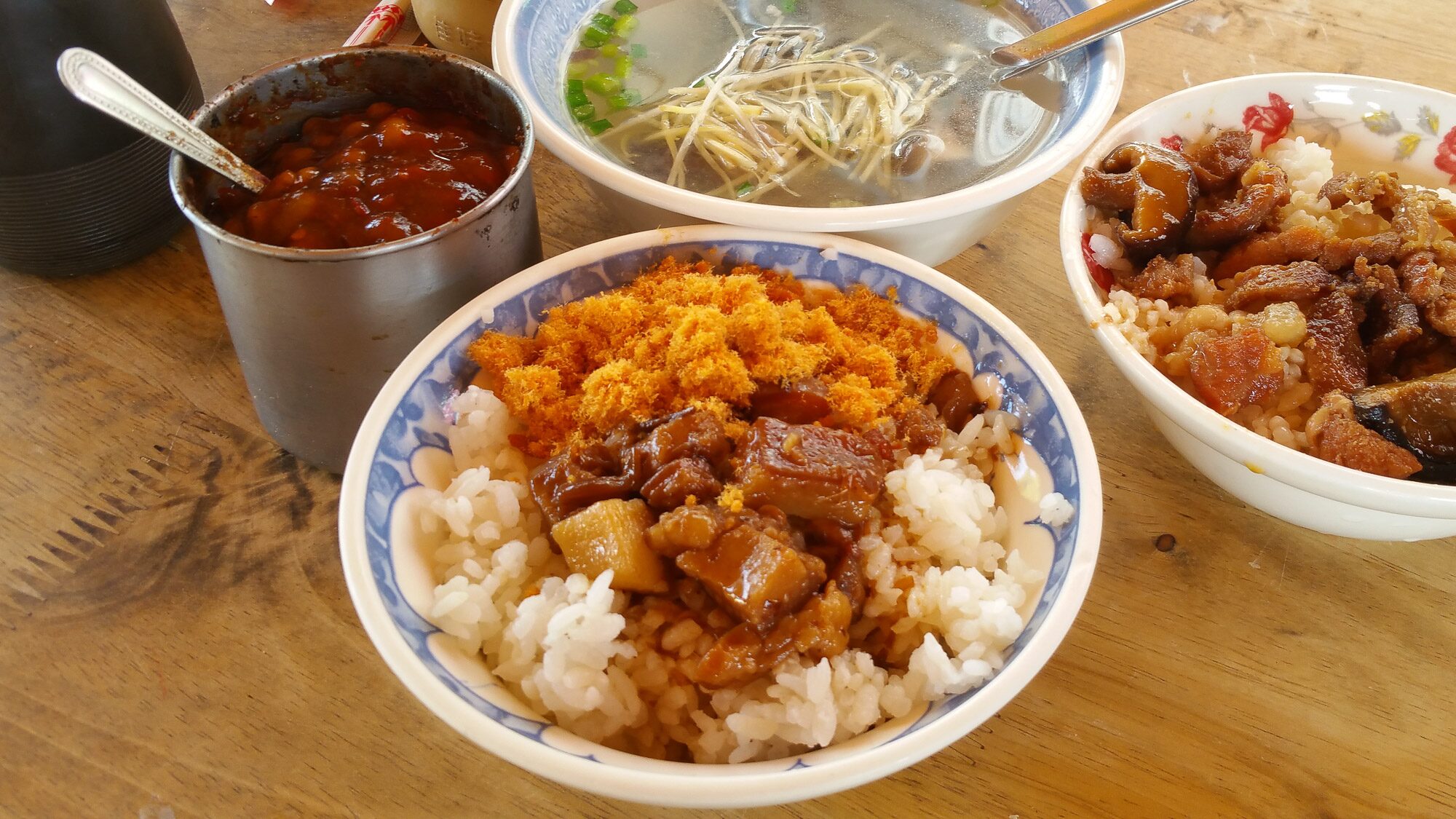
Tea eggs.
Braised pork rice.
Red-braised beef noodle soup.
Sausages.
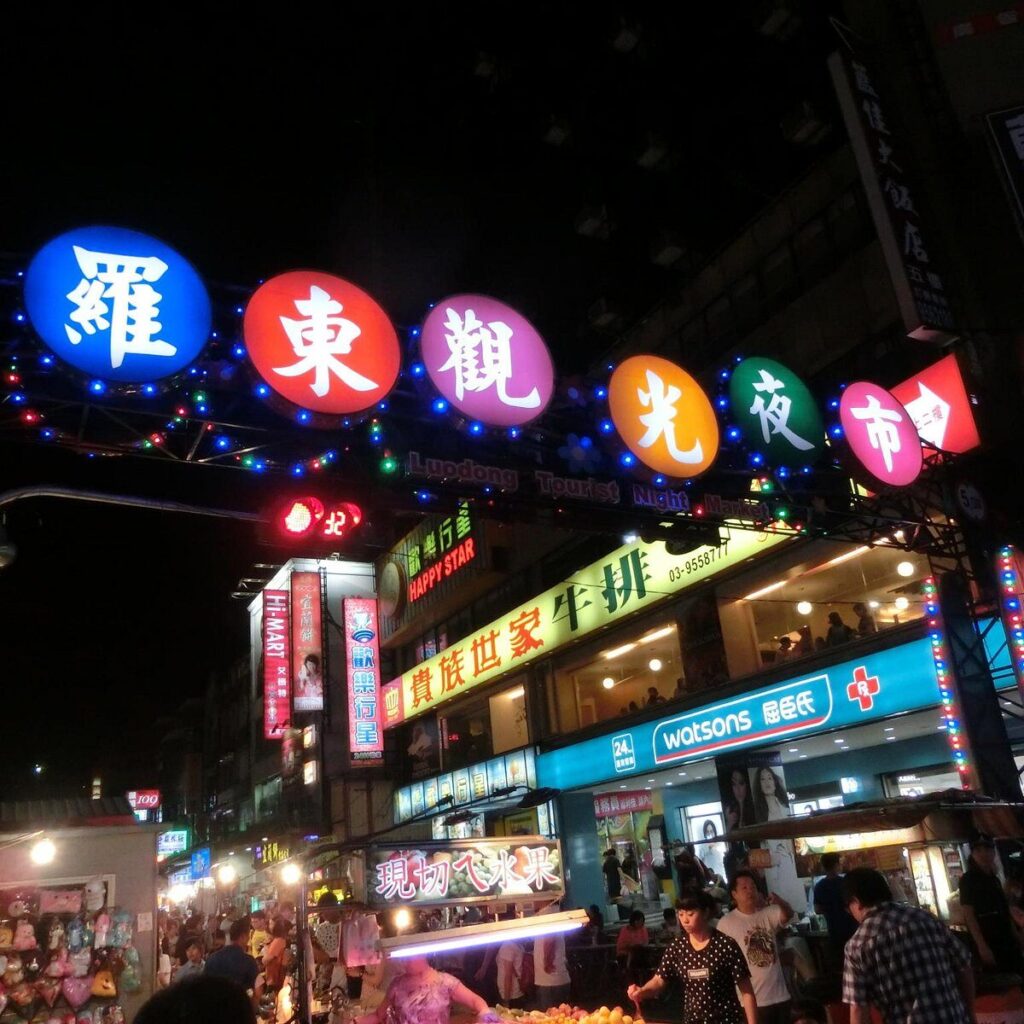
Night market fryers.
Behind these dishes,
it works as structural support.
Not asserting itself in one place,
but dispersing as atmosphere.
That is why it is noticeable
from the moment one lands.
“Medicinal” Is Not a Mistake
Many Japanese visitors say the same thing.
“It smells like medicine.”
This is not only metaphor.
One compound found in star anise
is shikimic acid,
once used as a raw material
for influenza medication.
Production methods have changed,
but the association remains.
In other words,
people here have long been eating
something closely related to medicine.
Few spices embody
the idea of food as medicine
as directly as this one.
If it smelled medicinal to you,
your nose was accurate.
The Small White Bag Called Lu Bao
To recreate Taiwanese home cooking,
a supermarket is enough.
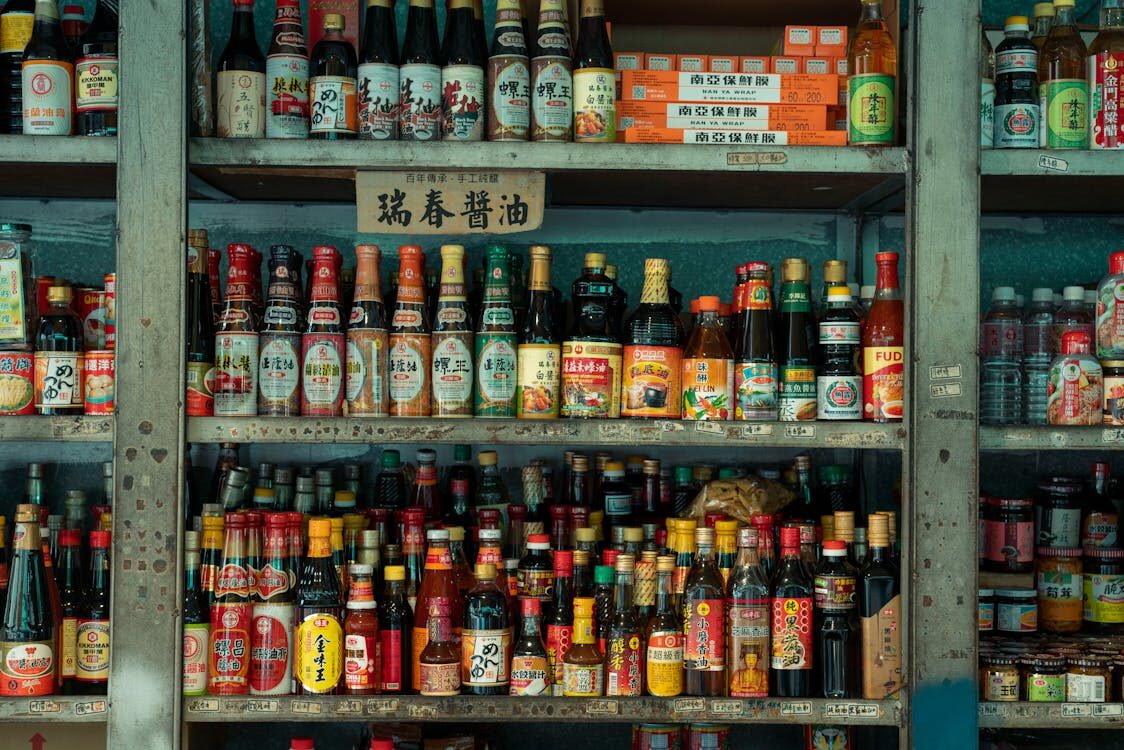
In the seasoning aisle,
small white packets are stacked high.
Lu bao.
They look like tea bags.
Inside are crushed star anise,
cinnamon, Sichuan pepper, licorice.
Just as Japanese cooks drop
a dashi packet into a pot,
Taiwanese cooks drop one of these
into soy sauce.
Add meat.
Apply heat.
That is all it takes
to approach a familiar Taiwanese taste.
Each brand blends differently.
More star anise.
More licorice.
Lighter aroma.
These variations become
the base of each household’s memory.
This small bag may be
the smallest unit of Taiwan’s scent.
Medicine or a Meal
Reactions to star anise are polarized.
For many Japanese,
it recalls throat lozenges or stomach remedies.
Food that smells like medicine
feels unsettling.
In Taiwan, the logic is reversed.
This smell signals
that there is food.
Morning braised dishes.
Lunch pork rice.
Dinner beef noodles.
Once the brain reclassifies the scent
from medicine to meal,
the island becomes suddenly comfortable.
A Bookmark in Memory
Back home,
passing through a Chinatown.
For a moment,
Taiwan’s humidity
and the sounds of night markets return.
More vividly than photographs.
Scent pulls memory directly.
Star anise feels like a quiet bookmark
slipped into the place called Taiwan.
Next time you arrive,
pause at the airport
and take a deep breath.
That sweet, herbal air
might be saying welcome back.