A small question over a late bowl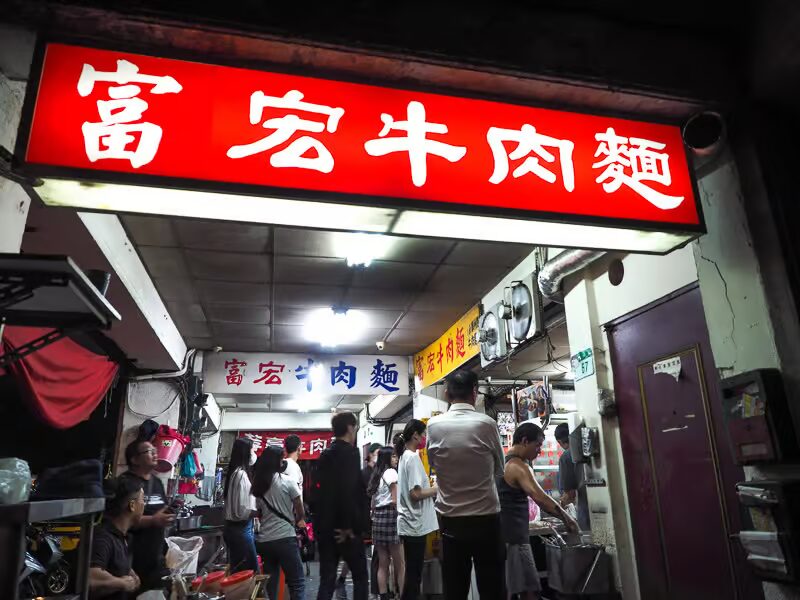
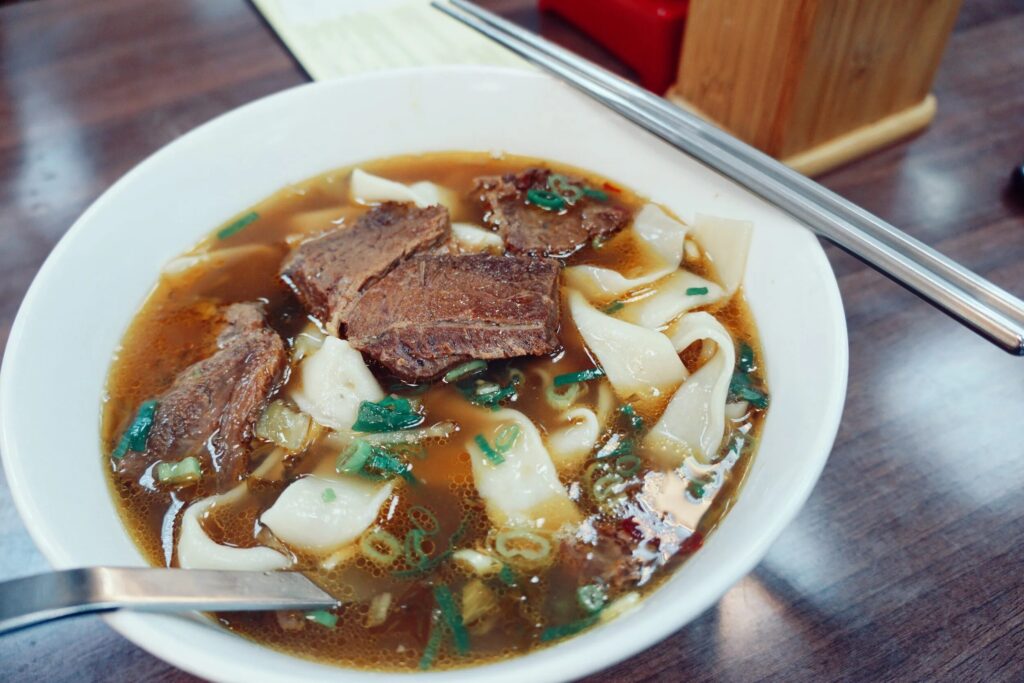
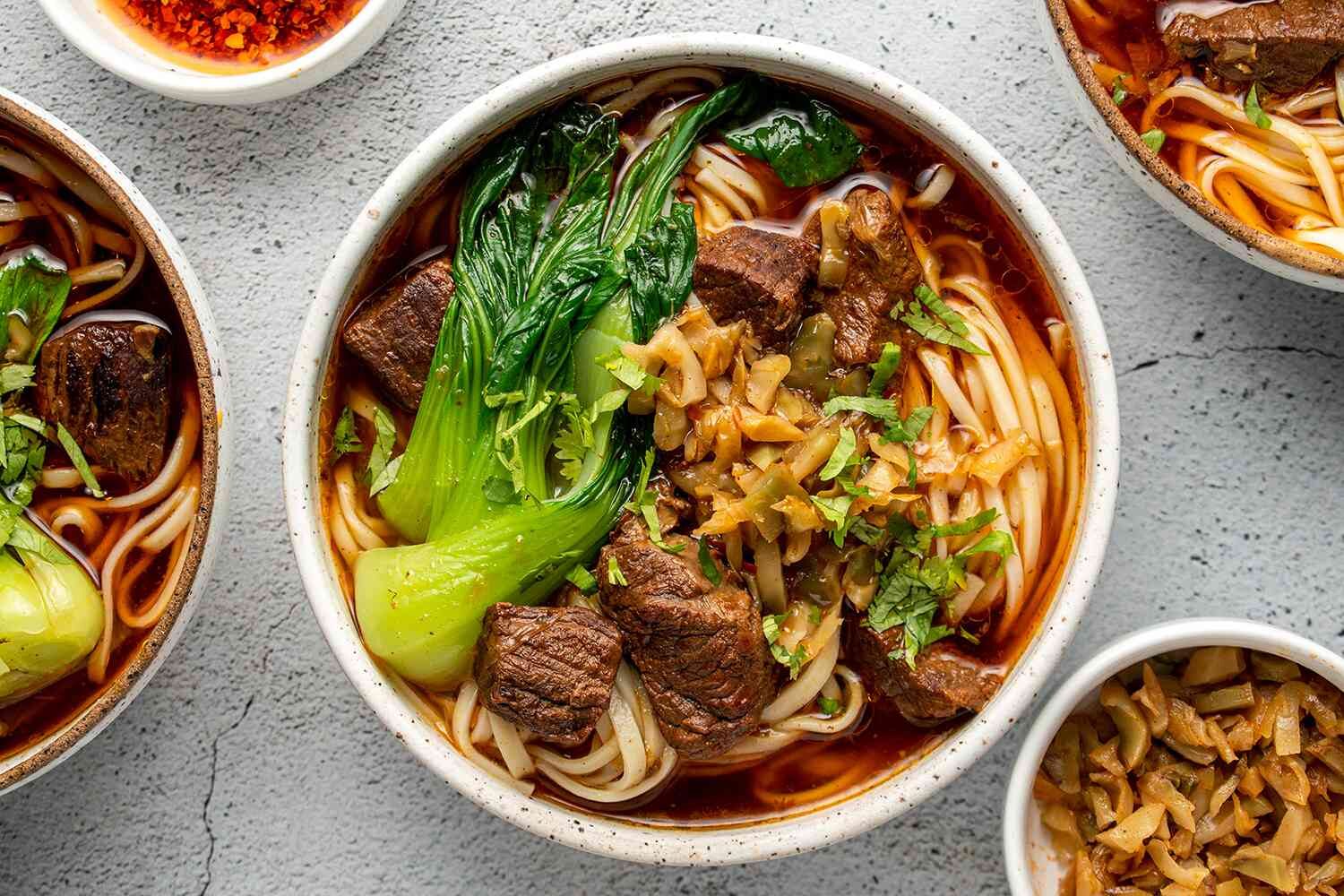
One night in Taipei, I was eating beef noodle soup, niurou mian.
A simple question caught in my throat.
Taiwan has beef noodle soup.
But a sign that says pork noodle soup is almost never seen.
Pork is familiar.
It is cheaper.
It should be the main actor on the table.
So why does it not appear as a headline.
Pork is everywhere, but rarely alone
When I look at menus, the character for pork is not absent.
It is simply not placed at the front.
Lu rou fan.
Paigu.
Kong rou.
Rou zao.
Pork changes its shape and changes its name.
It appears as a component of dish names.
It does not appear as pork noodle soup.
That gap reveals how words work in a city.
Ingredients that become names, and ingredients that cannot
After thinking for a while, it felt less like a question about food.
It was a question about naming.
Some ingredients become labels.
Others dissolve into the background.
Pork, in Taiwan, belongs to the second group.
Pork is too ordinary to carry a sign
Pork is daily life.
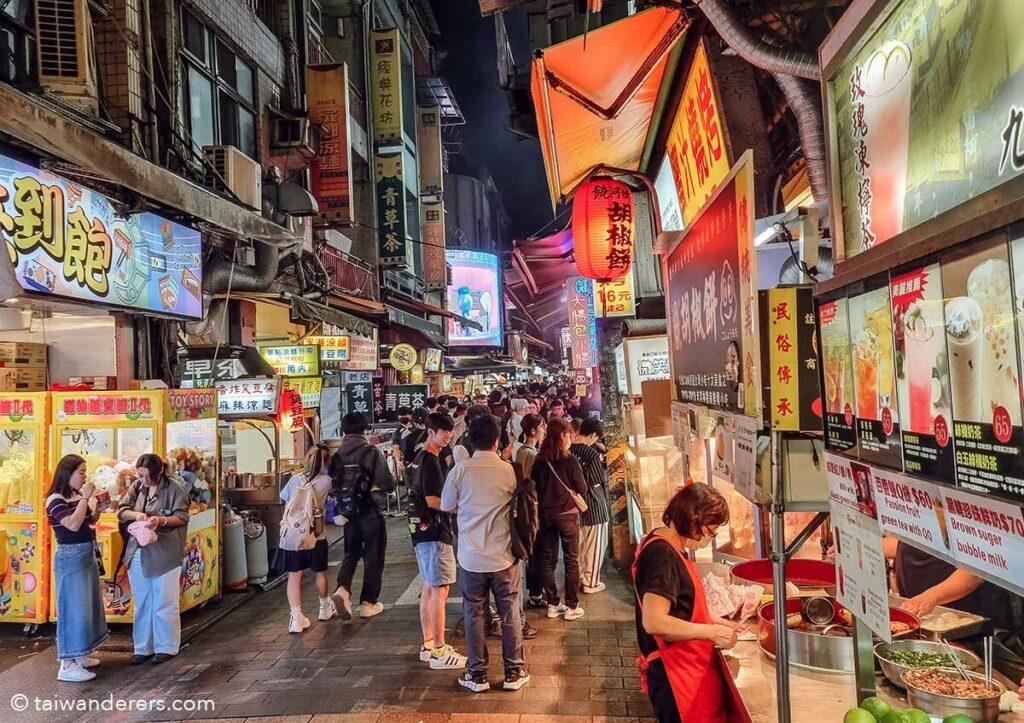
Lu rou fan, paigu fan, danzai noodles, dry mixed noodles, kong rou fan, rou zao noodles.
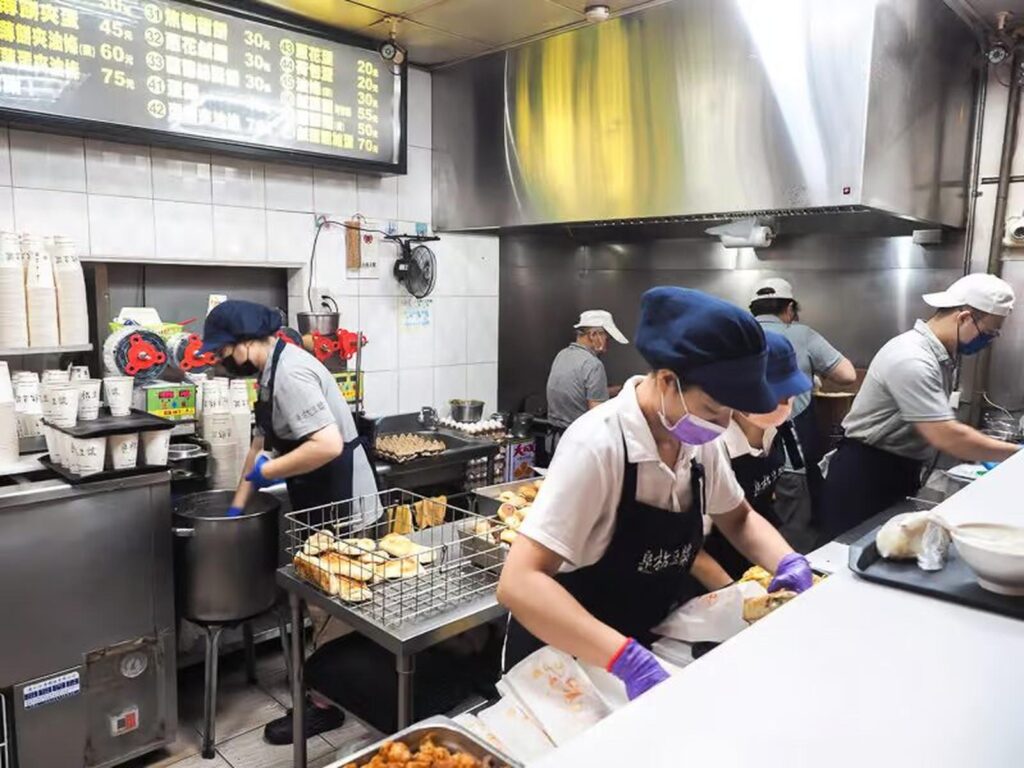
Most noodle shops use pork in some form.
In other words, pork has become the base flavor.
In marketing terms, it has been absorbed into the category itself.
This is where naming becomes visible.
A dish name is not a list of ingredients.
It is closer to a description of difference.
If something uncommon is added, it becomes a name.
If something is already assumed, it is omitted.
For Taiwanese noodles, pork is on the omitted side.
To call it pork noodle soup adds little information.
It does not separate one shop from the next.
It ends with the same conclusion.
Everyone is doing that already.
Names exist to signal contrast.
Pork is too useful, too general.
It loses the right to stand alone.
Pork survives as method, not as species
Pork does not lead with its raw identity.
Instead, it rules through processed forms.
Rou zao.
Rou geng.
Lu.
Paigu.
Here, pork is not a material label.
It is a state.
The subject is not the animal.
It is the technique and texture.
In Taiwan, “meat” is often enough.
Unlike beef or lamb, it does not need to be specified.
That strength of omission prevents the phrase pork noodle soup from forming.
Beef was historically an exception
Beef sits on the other side.
For a long time it was not ordinary.
In parts of southern Taiwan, eating working cattle was treated as taboo.
Beef became widespread only relatively recently.
Because it was uncommon, it was noticeable.
And noticeable things receive names.
Brands are born from scarcity.
Beef noodle soup could declare itself on a sign.
It could say, clearly, this is not the usual bowl.
Beef had a space that pork could not enter.
The moment it was named, it differentiated.
That difference appears in price as well.
Beef noodle soup is slightly more expensive than other street bowls.
That small gap makes the sign persuasive.
The name describes the contents.
It also declares the price tier.
A dish that arrived with a story
Another force sits behind it.
After 1949, mainlander communities shaped city food culture.
Spicy Sichuan elements and clear broths mixed.
In urban Taiwan, the dish became a brand quickly.
It spread not only as flavor, but as narrative.
Soldiers.
Military dependents’ villages.
Night markets.
Twenty-four-hour shops.
A dish that can carry a story becomes strong.
It can be talked about.
Being talked about makes it more famous.
The cycle repeats.
Pork does not carry that kind of story.
It is convenient.
It is good.
But it does not stand outside daily life.
Pork is in breakfast, lunch boxes, and late-night noodles.
It rarely creates a special scene.
Brands often arrive from the edge of the ordinary.
Beef noodle soup became a sign.
Pork noodle soup did not.
The weight of a name that never formed
Seen this way, the reason is simple.
Pork is absent from the sign because it is too successful.
It is used in too many dishes.
It sits too close to the center of everyday eating.
A dedicated name becomes unnecessary.
In marketing terms, pork became too much of a commodity.
Beef became a brand.
That may be all.
But when I sit in a small noodle shop, surrounded by soy sauce and pork fat in the air,
the fact that the name never formed starts to feel like proof.
Pork could not become the sign.
Instead, it became the table itself.