Why the pink glaze is enough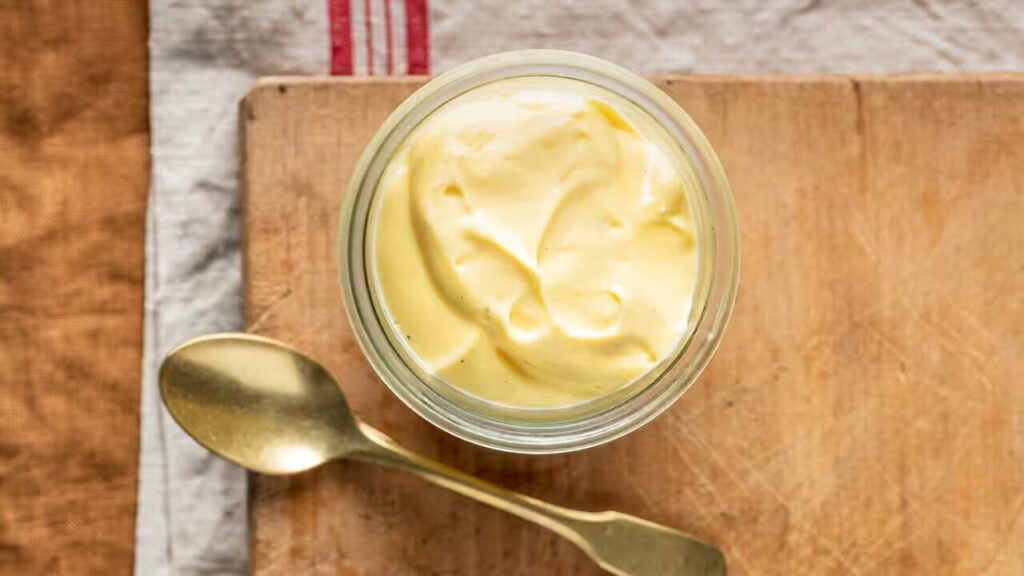
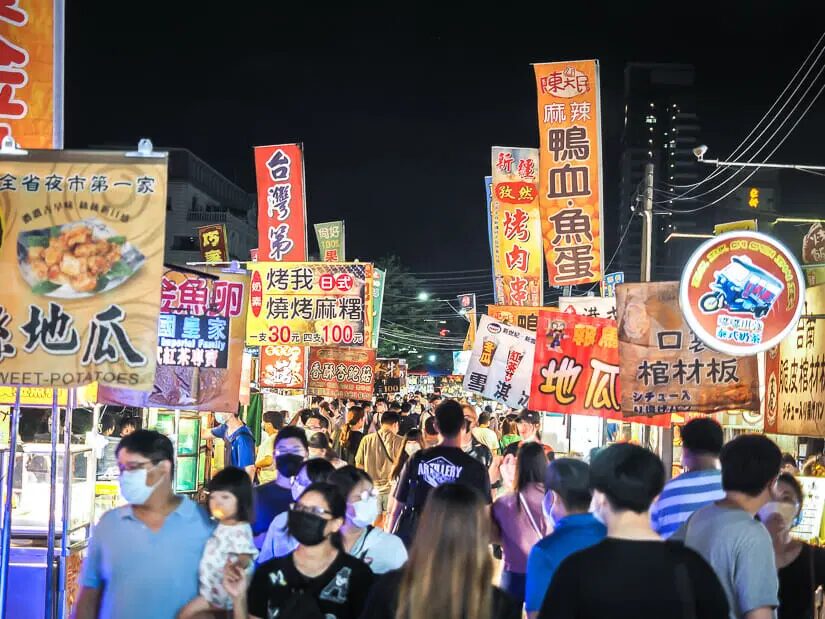
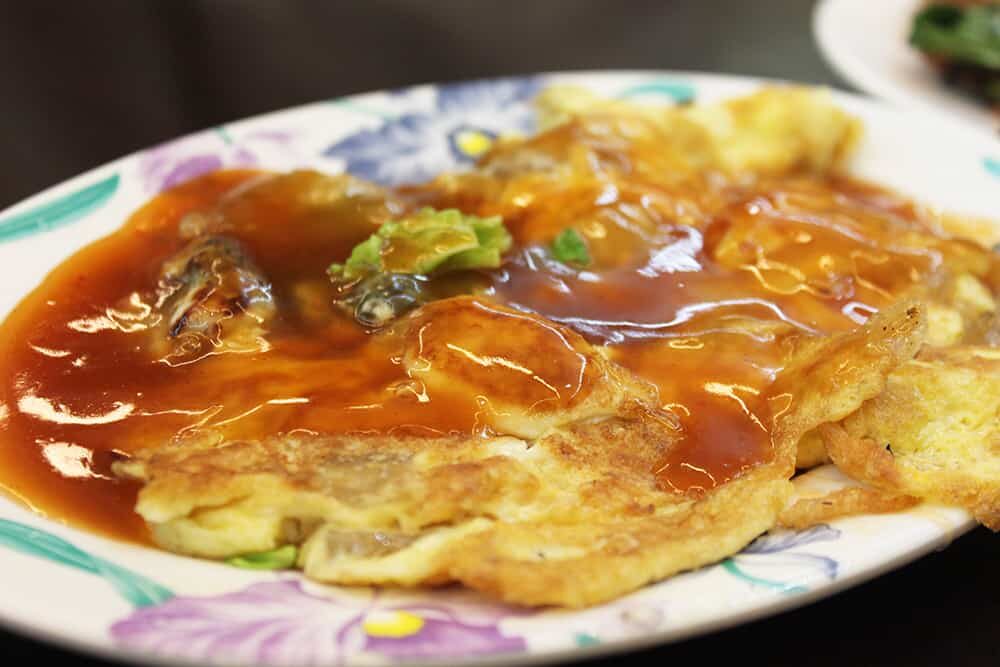
Oyster omelet, known locally as o-a-chian, is the first thing I notice on the iron plate at a night market.
Plump oysters.
A translucent batter.
A surface brushed with a pink glaze.
There is no brown sauce.
There is no mayonnaise.
In Japan, a flour dish without those two would feel unfinished.
Here, no one reaches for them.
I walk with that small question in mind.
Do sauce and mayonnaise exist here
The simplest thought is that they might not exist.
But they do.
They are in convenience stores.
They sit on burger counters.
They appear at night markets.
Fried chicken gets a sweet soy glaze.
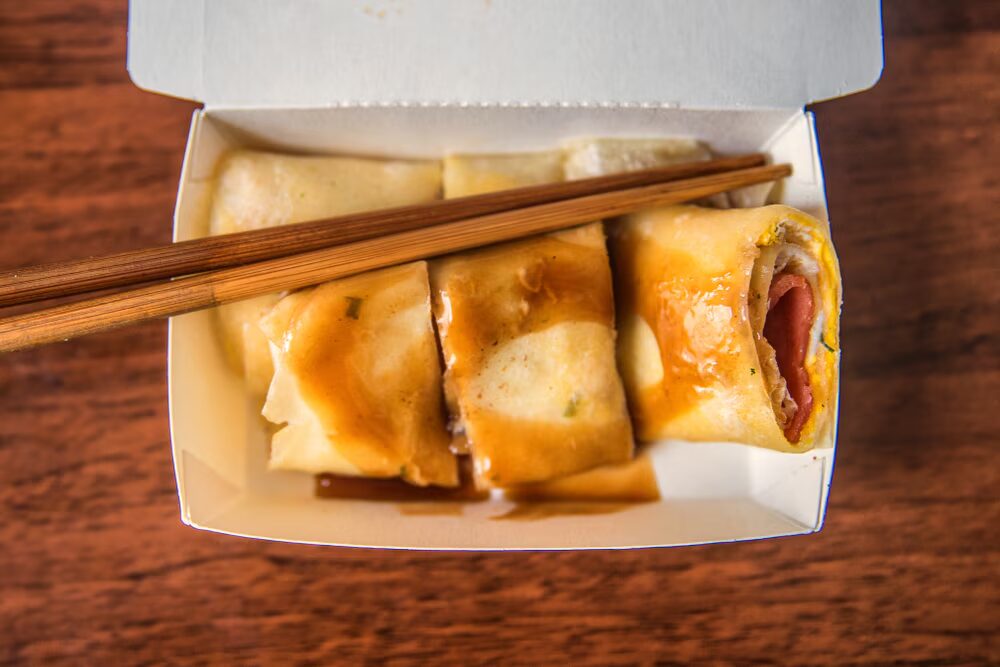
Crispy egg crepes take mayonnaise.
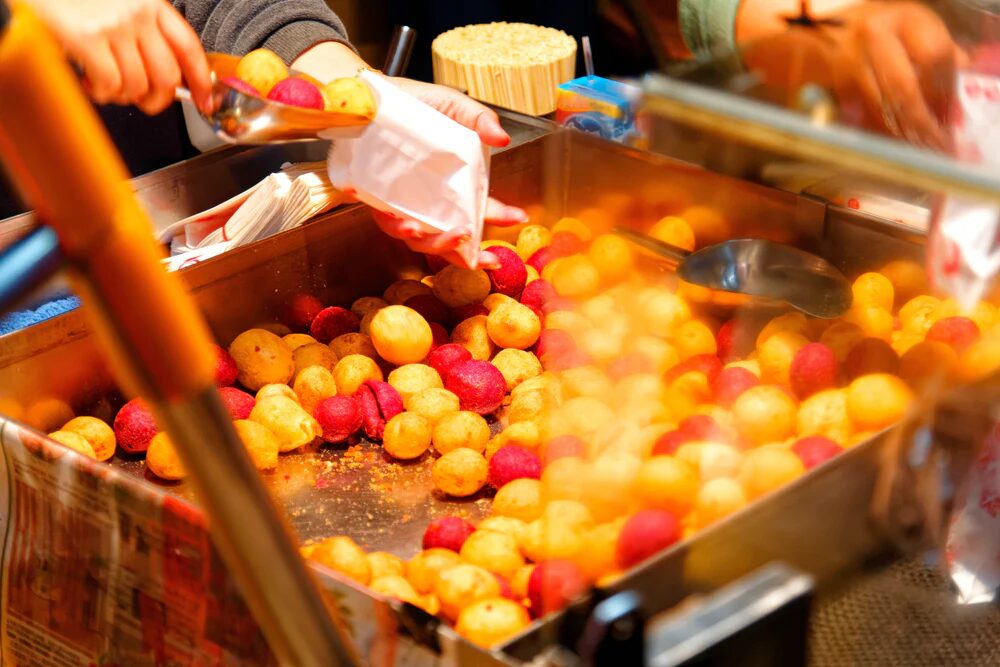
Even fried sweet-potato balls sometimes wear it.
So it is not absence.
Then why not here.
Is it a dislike of salt
Taiwanese food is often called sweet.
I wondered if salty sauces were avoided.
But that also fails.
Braised pork rice is clearly salty.
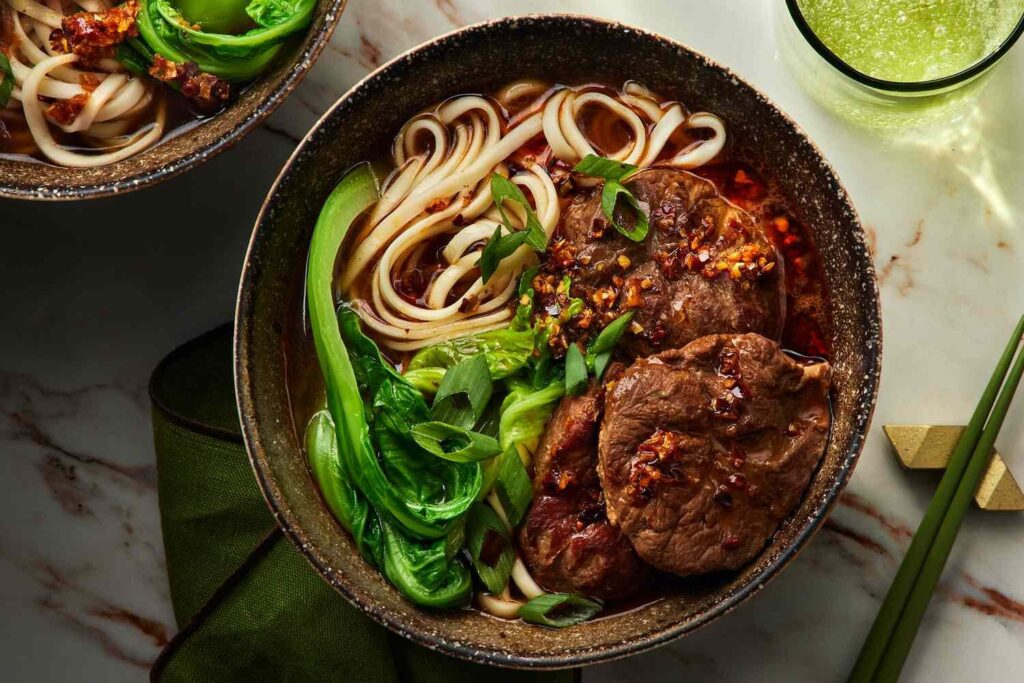
Beef noodle soup carries a firm edge.
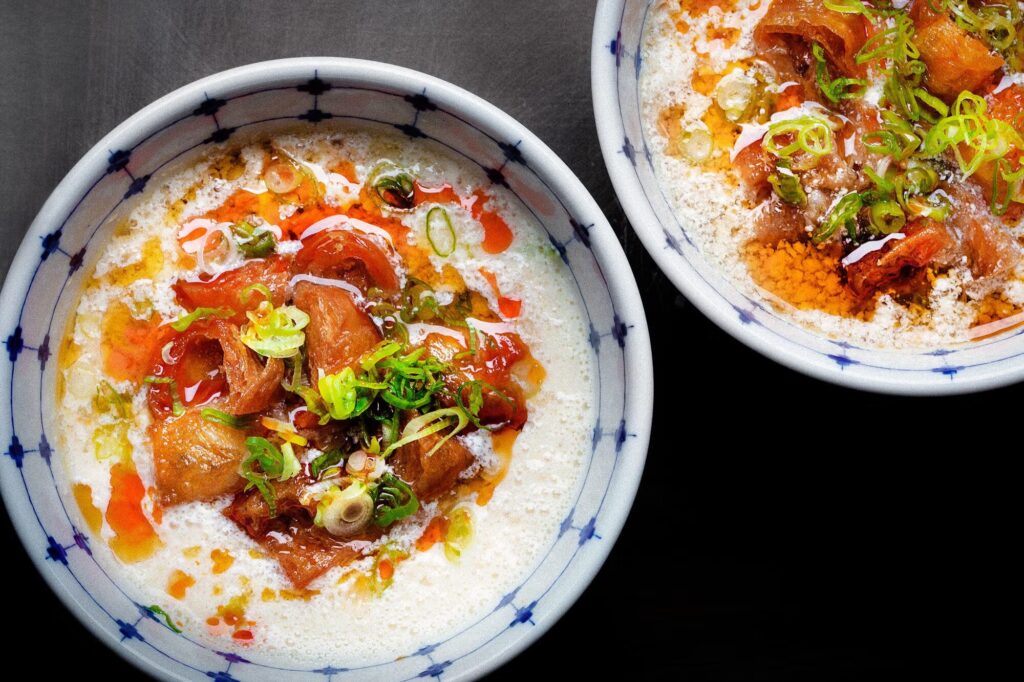
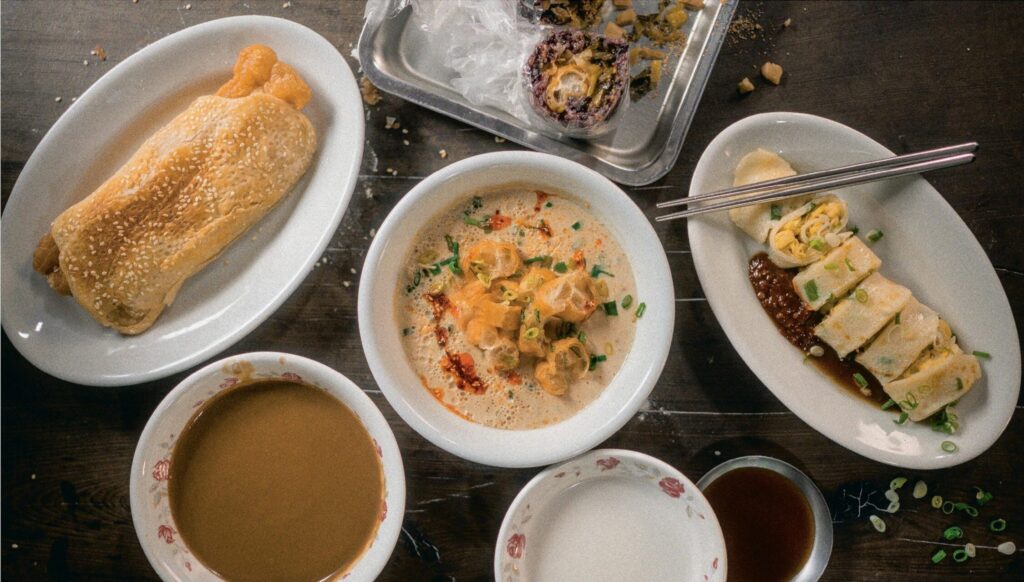
Savory soy milk does the same.
Salt is not the problem.
It is used differently.
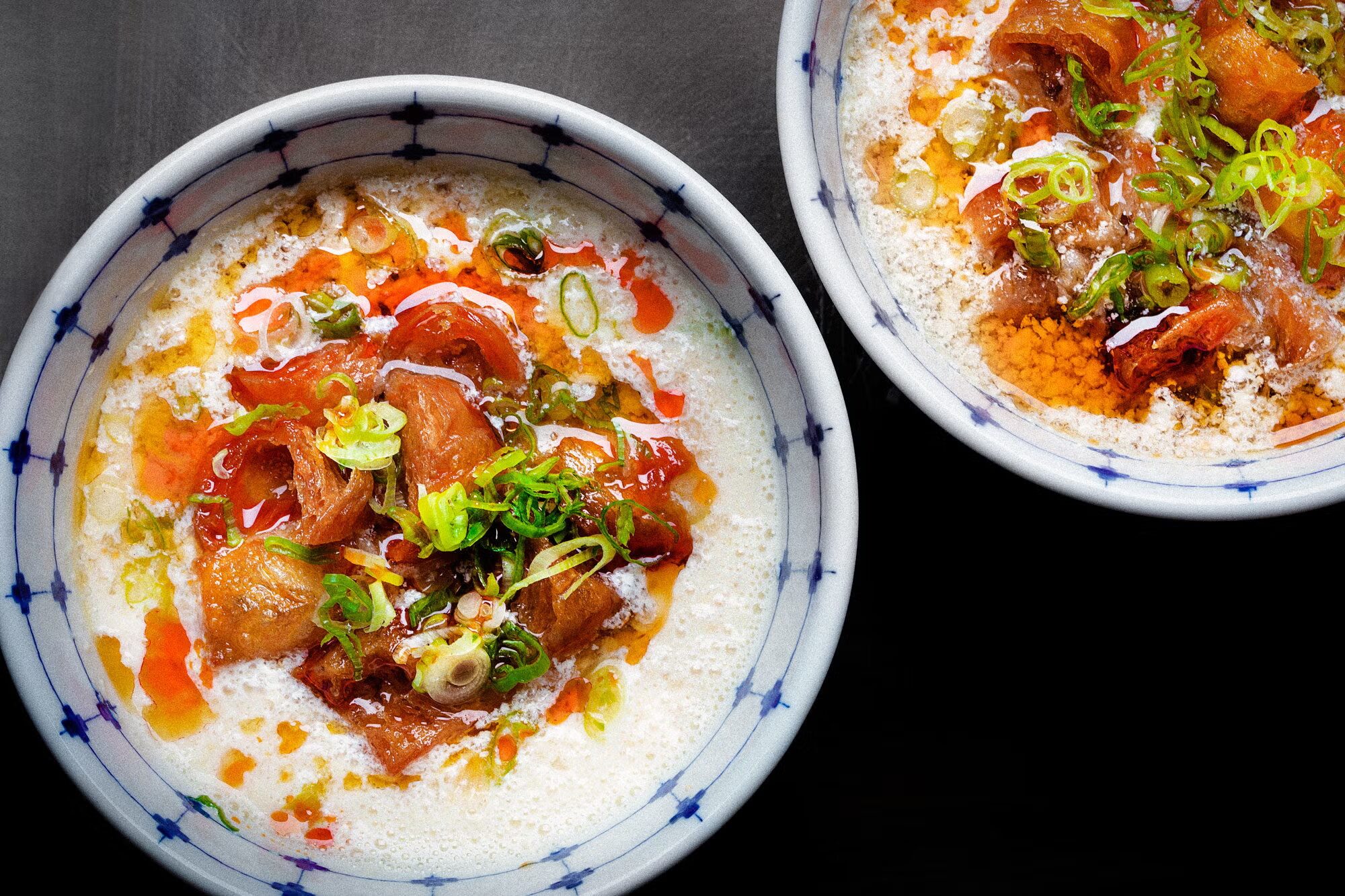
Is it a rule about batter dishes
Perhaps it is a cultural rule about flour.
But scallion pancakes here sometimes take sauce.
Okonomiyaki and takoyaki are already part of the city.
So it is not that either.
Which leaves only this one dish standing apart.
The coordinate called gantian
Taiwanese taste seems to move on another axis.
It is called gantian.
It is often translated as sweet and gentle.
But it is not sugar.
It is the place where salt loses its edge,
where umami and sweetness meet,
and where a flavor settles into something round.
People here seem to recognize when a dish reaches that zone.
Not salty.
Not dessert.
Just placed.
This plate already sits there
The pink glaze is made from sugar, soy, and a trace of acid.
It meets the oysters’ sea salt.
The richness of egg.
The soft sweetness of sweet-potato starch.
Together, they place the dish inside that gantian zone.
Add brown sauce and salt would dominate.
Add mayonnaise and fat and acid would push forward.
The balance would slide away.
So no one adds anything.
Not because something is missing,
but because nothing is.
No clear answer
After all this, there is still no clean conclusion.
It is not about availability.
Not about dislike.
Not about flour traditions.
The dish simply sits in that coordinate.
That seems to be enough.
In front of the pink glaze
I take the plate.
A spoon slides through the soft surface.
Oyster brine leaks into the sauce.
It is sweet.
It smells faintly of the sea.
Neither sauce nor mayonnaise could replace it.
I do not know why this feels right.
But it does.
So I eat it as it is.