A dish with no Q, no tui, and no sweet-salty finish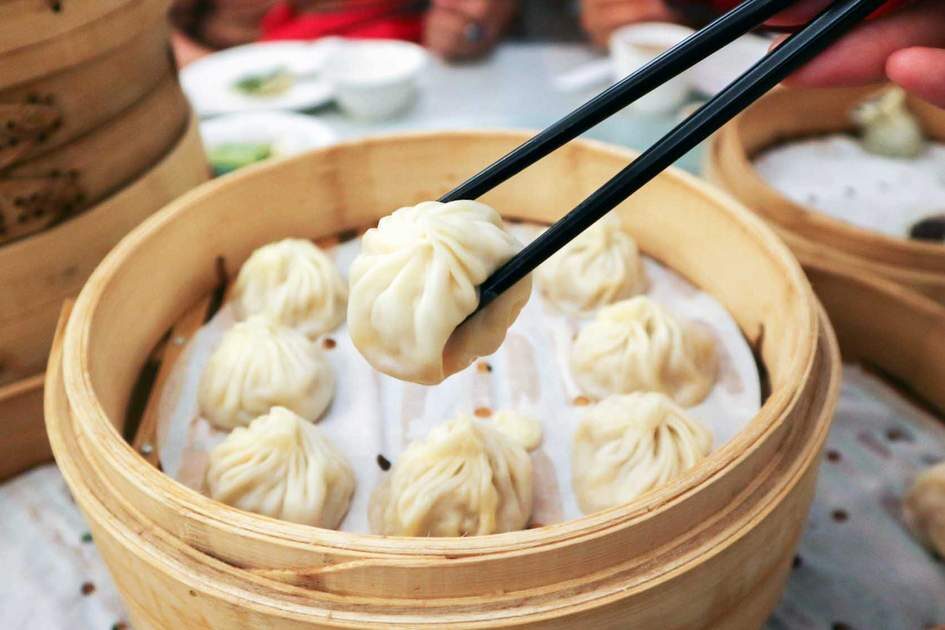
Taiwanese food often carries a set of shared codes.
You can feel them after the first bite, even without knowing the name of the dish.
I reduce that unwritten rule to three elements.
The first is texture.
Above all, there is Q. The springy resistance found in tapioca pearls, taro balls, and fish cakes.
Or there is tui, the brittle crispness of fried foods that makes a sound in the mouth.
The second is aroma.
Star anise, with its sweet perfume.
Or sha cha sauce, thick with seafood and spice.
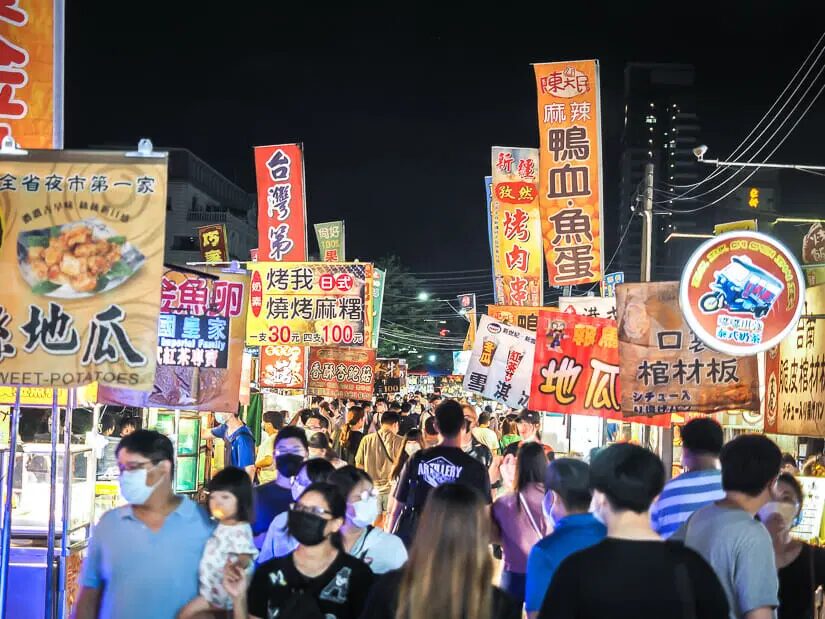
A night market street is built in layers of smell.
The third is seasoning.
The base is often sweet-salty.
Thick soy sauce and sugar sit underneath, so the flavor does not end as simple salt.
These three elements shape the common mold of the Taiwanese palate.
This dish carries none of them
Now I apply the same standard to the dish that appears on every guidebook cover.
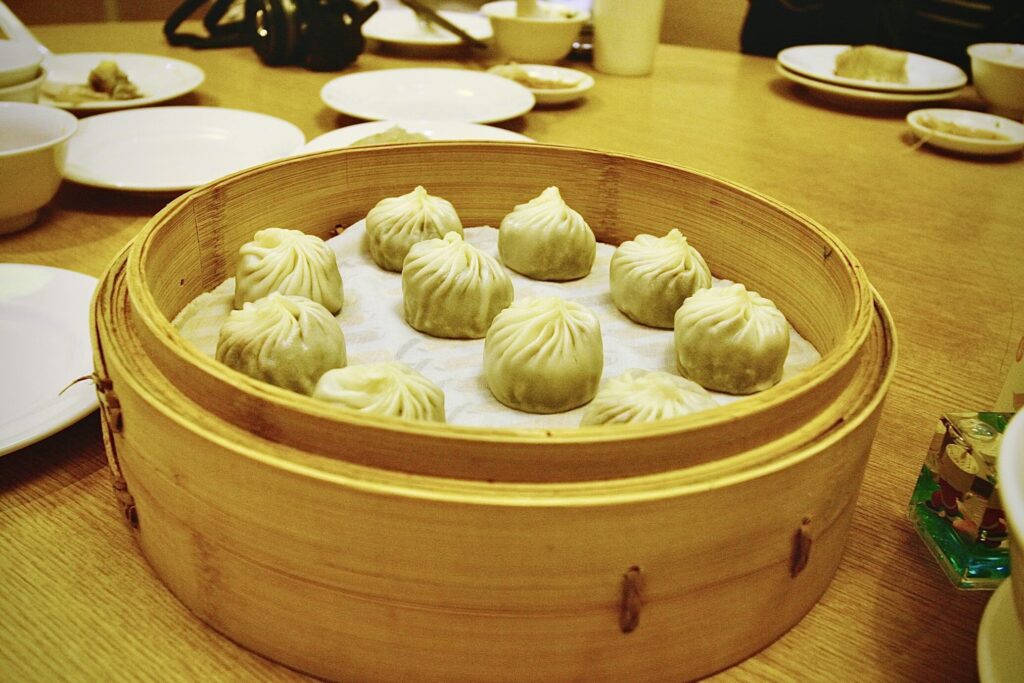
Xiaolongbao, the soup dumpling known locally as xiaolongbao, does not rely on Q.
The wrapper is thin, sometimes so light that chewing feels unnecessary.
What is valued is a kind of melting at the entrance, the opposite direction from Taiwan’s love of bounce.
It does not carry the usual aromas either.
There is no star anise. No sha cha.
What rises instead is wheat, vinegar, and ginger.
In Taiwan’s humid air, it can feel strangely dry, as if a trace of the mainland has remained inside the steam.
It is not sweet.
It holds its shape with salt and pork, without the rounded finish of sweet-salty sauces.
It stands apart from the thickened soy glaze that often defines street food.
By this measure, it seems to contain none of the familiar building blocks.
If lu rou fan is the taste of home, this feels closer to a transfer student from a place where the language does not match.
Why the outsider moved to the center
And yet it wears the face of Taiwan.
Several layers sit behind this discomfort.
First, there is history.
In 1949, people crossed the sea from the mainland and brought their exile foods with them.
At the beginning, this dumpling was not a daily staple for everyone.
It is said to have belonged to a narrower circle in Taipei, where the wealthy and the educated held on to the taste of an earlier life.
Then there is the city’s logic.
As Taiwan modernized and became more international, its lack of strong local quirks became an advantage.
The smell of stinky tofu and the look of offal can be a high wall for visitors.
This dish, by contrast, appears clean, geometric, and broadly legible.
Taiwan did not present its most native flavors first.
Instead, it offered the most refined outsider taste to the world.
There is a caution in that choice, like a city adjusting its own face before stepping outside.
A pride that is not only about taste
Does that mean Taiwanese people treat it as someone else’s food.
Not entirely.
Many seem to take pride in this dish that is neither Q-driven nor sweet-salty.
The attachment feels stronger than preference alone can explain.
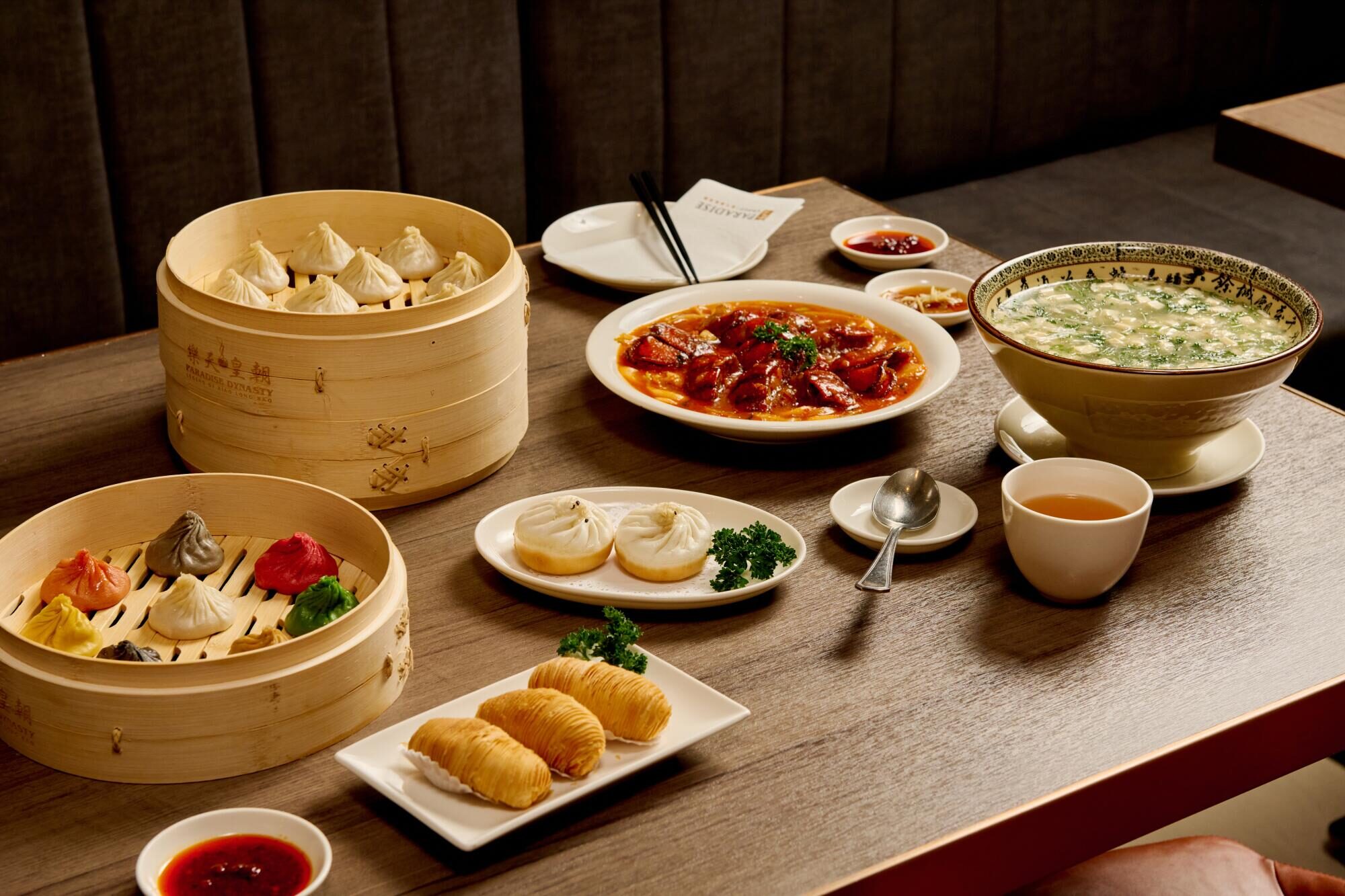
It is often treated as a special-occasion meal.
If lu rou fan is everyday clothing, this becomes a slightly formal outfit.
Families and friends go together, gather around the bamboo steamer, and move their spoons between conversations.
It is close to daily life, but not quite the same thing.
There is also respect for a kind of delicacy that does not always sit at the center of street food.
Wrapping thin skin without tearing it.
Steaming without losing the soup inside.
Seeing the pleats before tasting the filling.
And there may be a projection of aspiration.
This dish can function as a symbol of Taiwan’s arrived refinement.
After a history of rough work and improvisation, the city can now produce something so orderly and precise.
That confidence seems to sit inside the steam.
A national dish, without being native
This dumpling did not grow naturally from Taiwan’s soil.
If you follow its lineage, it belongs to a dim sum tradition carried across from the mainland.
Still, Taiwan did not keep it as a permanent outsider.
It accepted it, placed it in daily life, adjusted it slowly, and polished it.
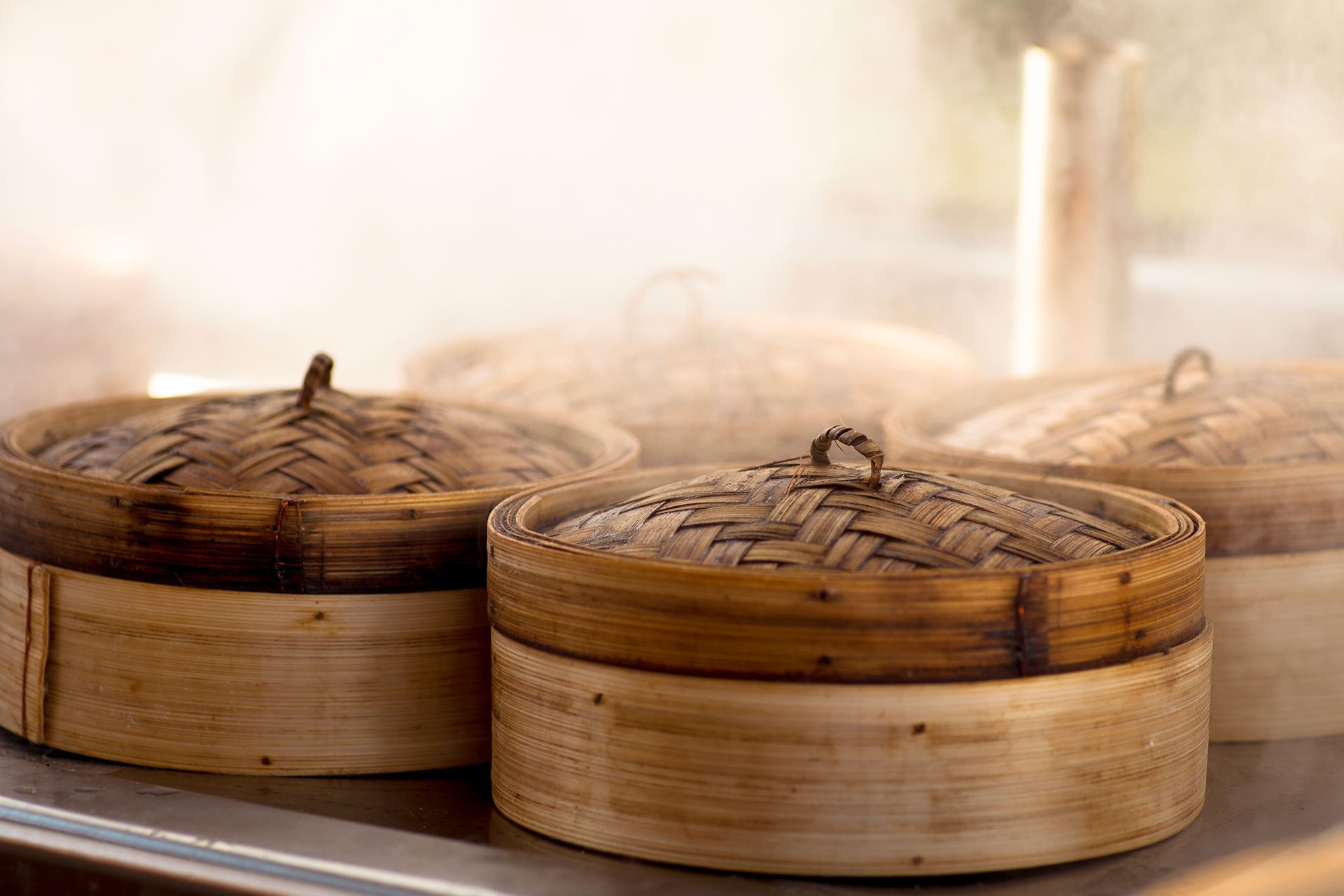
The size of the steamer.
The thinness of the skin.
The count of pleats.
The timing of heat.
The use of the spoon.
The distance between vinegar and ginger.
These details became more than technique.
They became a shared urban manner.
Street heat and restaurant cleanliness.
A quick bite and a special meal.
Holding both at once, the dish grew inside Taiwan.
When I lift the lid on a Taipei street corner, white steam rises.
It is not the sweetness of star anise, and it is not the bounce of Q.
It is a quiet sphere of soup.
It seems to stand outside Taiwan’s typical flavor codes, and yet it fits the air.
Perhaps Taiwan did not simply preserve it.
It remade it carefully.
It did not reject what came from outside, but it also did not leave it untouched.
That careful work remains on the surface.
This may not be the best example of what is “Taiwanese” in flavor.
But it does show what Taiwan is made of.
To accept. To mix. To refine. To turn something into a form worth holding up.
That is why, without needing explanation, it now sits in the steamer as a national dish.