A Border of Taste Not Shown on Maps
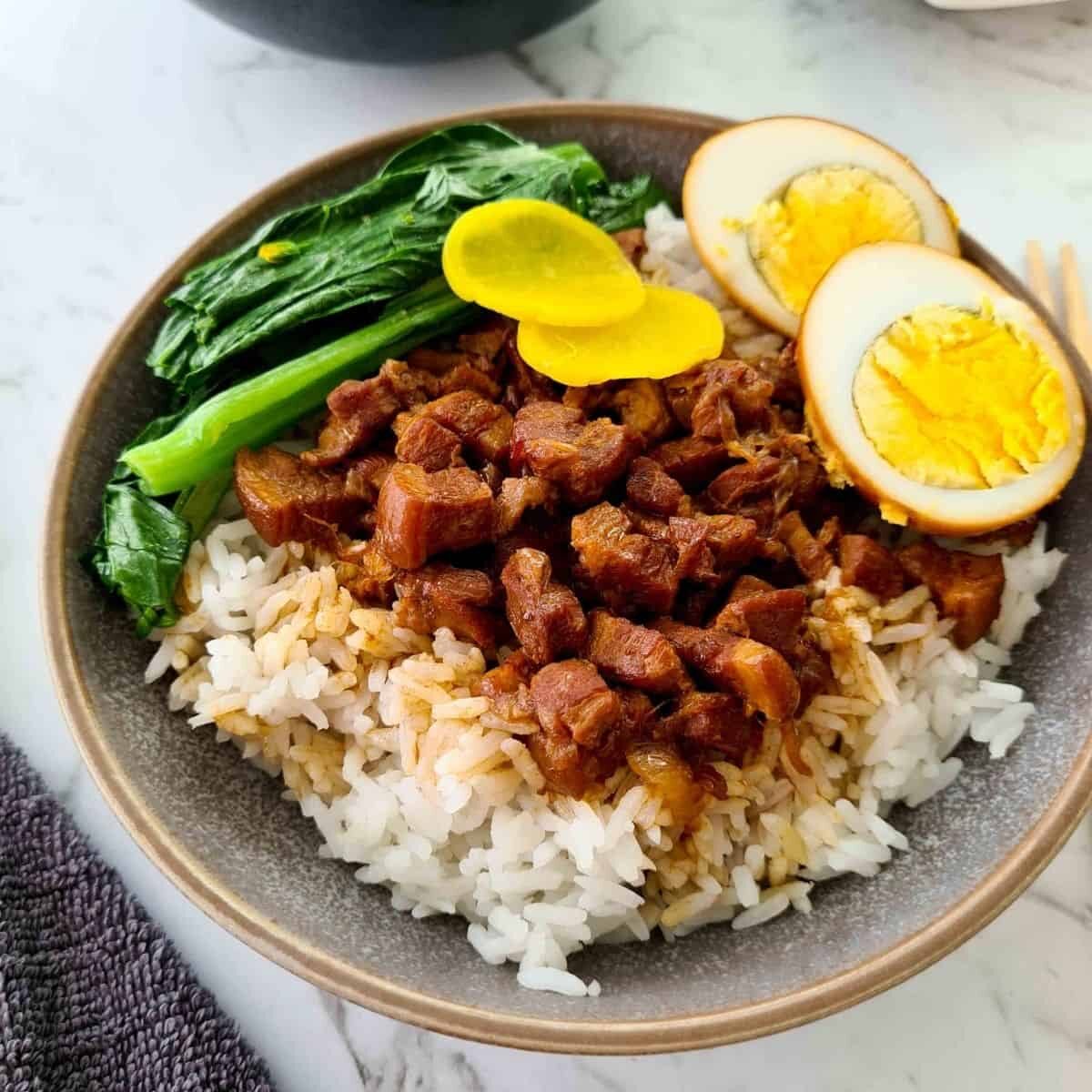
Braised pork rice (lu rou fan) often serves as a quiet reference point when eating across Taiwan, and its shifts become easiest to notice when crossing the island’s central divide.
In the middle of Taiwan, a river runs from the eastern mountains to the western sea. It is called the Zhuoshui River. On maps it appears only as the longest river on the island, a single line cutting across the land.
Yet when traveling from north to south, it begins to feel like more than moving water. Around the point where the river is crossed, the texture of the wind changes. The angle of sunlight shifts. The moisture in the air becomes different.
Road signs remain the same. Building heights do not change suddenly.
Still, the environment turns.
The river functions as a watershed not only for water, but for two different worlds.
An island divided by climate
North of the Zhuoshui River lies a subtropical zone. Winters bring cold rain, heavy humidity, and long stretches of gray sky. South of the river, the climate transitions into tropical monsoon patterns. Sunlight grows sharper. Dry heat lasts longer. Crops develop differently.
Within the same island, climate bands switch clearly.
This difference has shaped more than daily comfort. It influenced where industries formed. Political and commercial centers gathered in the north. Agriculture and sugar production concentrated in the south.
The river carried water, but it also drew an environmental line.
The phrase that circulates everywhere
This geographic shift appears directly in taste.
Anyone who eats regularly in Taiwan eventually hears a phrase repeated: south sweet, north salty. It is often treated as a casual generalization. Yet crossing the river while eating along the way reveals that it is not simply an impression.
North of the river, soy sauce saltiness and aroma form the backbone of flavor. Braised dishes lean darker. Soups carry clearer salinity.
South of the river, sugar steps forward. Even dishes with the same names present sweetness first on the tongue.
The sense of what feels satisfying changes.
The Zhuoshui River becomes not only a climate boundary, but a line of taste. On either side, everyday meals quietly follow different assumptions.
Three patterns among restaurant chains
Watching how food chains behave around the river, several shared movements emerge.
Many remain where they were born. This is not hesitation as much as awareness. They seem to know how far their flavors travel before friction appears.
Formosa Chang stays rooted in the north. Dan Dan Hamburger builds its territory in the south. The river becomes their natural border.
Others attempt to cross in a different way. Zhengzhong Pork Ribs Rice moves north without adjusting taste, instead relying on portion size and price as leverage.
Then there are exceptions. Din Tai Fung and Bafang Yunji expand from north to south as if the river does not exist.
What unites these two is that their foods are not deeply native to the island’s long memory.
Staying in the north: Formosa Chang
Among northern institutions, Formosa Chang stands first. Its core offering is deeply local, inexpensive, fast, and tied to family routine.
The chain expanded steadily across Taipei and reached as far as Taichung. But it did not move beyond that. It never established itself in Kaohsiung or Tainan.
The reason was not capital, logistics, or technique. It lay in the dish itself.
In the south, the same name often refers to large chunks of braised pork, sweet in profile. The northern version of finely chopped meat with salty depth does not align with southern expectation. The disagreement resembles belief more than preference.
Formosa Chang understood this boundary.
So it did not cross.
Staying in the south: Dan Dan Hamburger
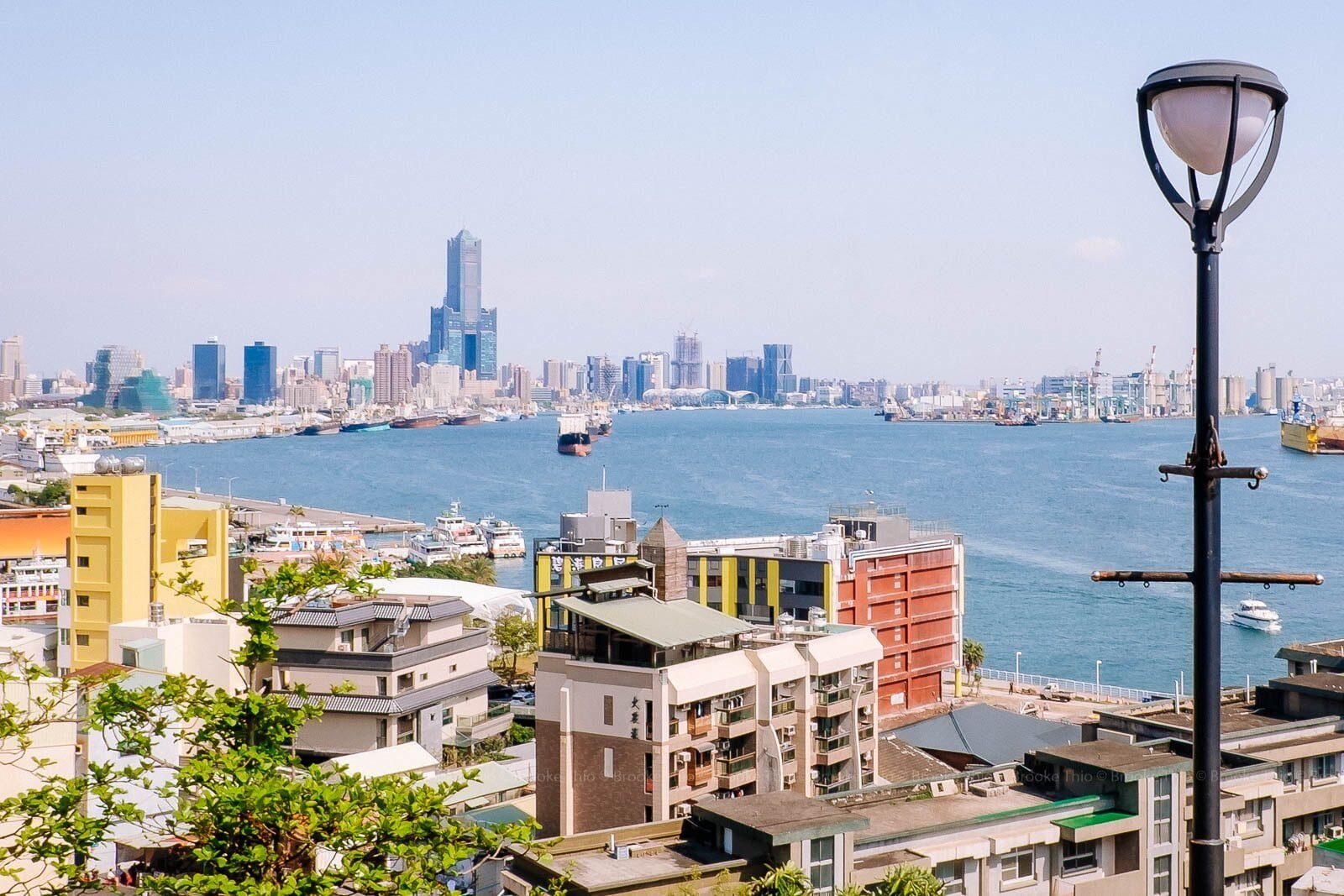
On the southern side stands a different giant. Dan Dan Hamburger operates only in Tainan, Kaohsiung, and Pingtung.
Its menus often confuse northern visitors. Burgers arrive with sweet vermicelli soup or sweet porridge as side dishes. Portions are large. Prices are low. Sweetness is direct.
The chain does not move north. Not because it cannot, but because it chooses not to.
The sweetness would not translate. And Taipei rents would erase its price structure.
Dan Dan Hamburger functions as a southern identity rather than a flexible brand. The river serves as both barrier and protection.
Crossing north by force: Zhengzhong Pork Ribs Rice
Some southern chains do cross.
Zhengzhong Pork Ribs Rice began in Kaohsiung, marked by oversized signs and pork cutlets spilling from bowls. For years it ruled the south. Recently, it has pushed north into New Taipei and Taipei.
Its strategy avoids subtlety. It does not adjust flavor or seek cultural blending. It relies on sheer volume and low price.
Where Formosa Chang avoided crossing, Zhengzhong forced its way through by weight alone.
This was not cultural acceptance.
It was logistical pressure.
Those untouched by the boundary
Certain chains remain almost unaffected by the river.
Din Tai Fung and Bafang Yunji began in Taipei but spread smoothly into Kaohsiung and Tainan. The same flavors are accepted on both sides.
The difference lies in what they serve.
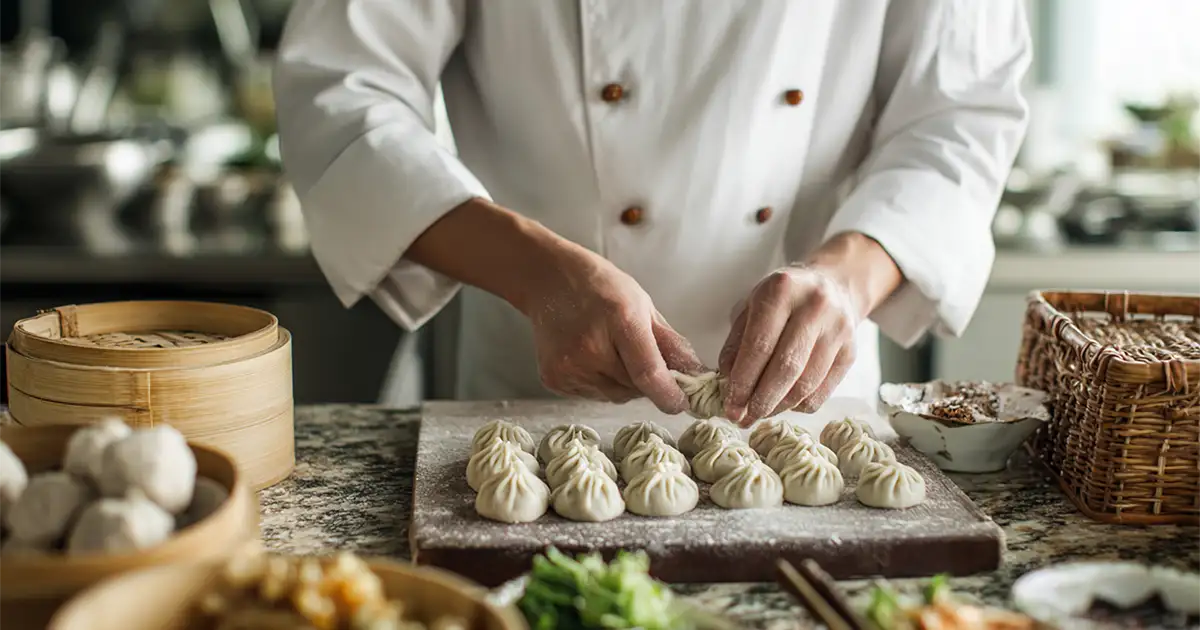
Their foods, such as xiaolongbao and dumplings, arrived after the war as mainland Chinese cuisine. For southern households, these dishes were not inherited through generations. There is no grandmother’s version to compare against.
Without long memory, there is no fixed standard.
Standardization becomes acceptable.
Here, the river loses its power.
Memory as an invisible tariff
Why could Formosa Chang not cross while Din Tai Fung could? The answer is not taste or price.
It is memory.
Local dishes like braised pork rice or sweet vermicelli carry centuries of accumulated household standards. Every family holds an idea of what is correct, and everyone becomes an unspoken critic.
In contrast, dishes without deep local roots belong to no single memory. They remain neutral.
Foreignness becomes an advantage. Partial distance creates flexibility.
The river blocks memory more than movement.
A line that continues to flow
The Zhuoshui River moves steadily as it always has. Bridges span it. Trains and cars cross daily.
Yet the boundary of taste does not disappear easily.
That Formosa Chang remains north is not failure. It is evidence that Taiwan’s food culture has not flattened into uniformity.
On this island, even now, a single river can still separate language, climate, and flavor.