Salted bowls and sweet glasses that structure the island’s mornings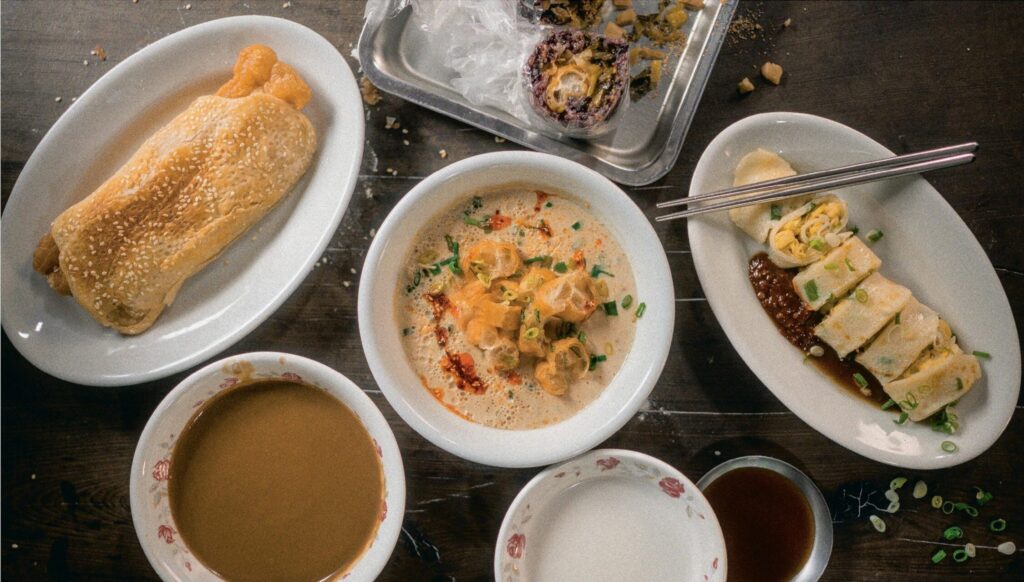
Soy milk (doujiang) appears in two forms at the counters of Taiwan’s breakfast shops. Almost without exception, the same question is asked. Sweet, or savory. Many people standing there for the first time understand it as a matter of taste, similar to deciding whether to add sugar to coffee. That interpretation holds only until the items arrive. One is a cold white liquid poured into a glass. The other is a hot, semi-solid mass in a bowl, resembling softly set tofu. Both are called by the same name, yet their texture, temperature, and function differ completely. They do not look like variations of one drink. They look like different foods placed side by side. This contradiction is built into everyday Taiwanese mornings, and behind it lies a collision and reorganization of food cultures that began after 1949.
Savory soy milk as a dish
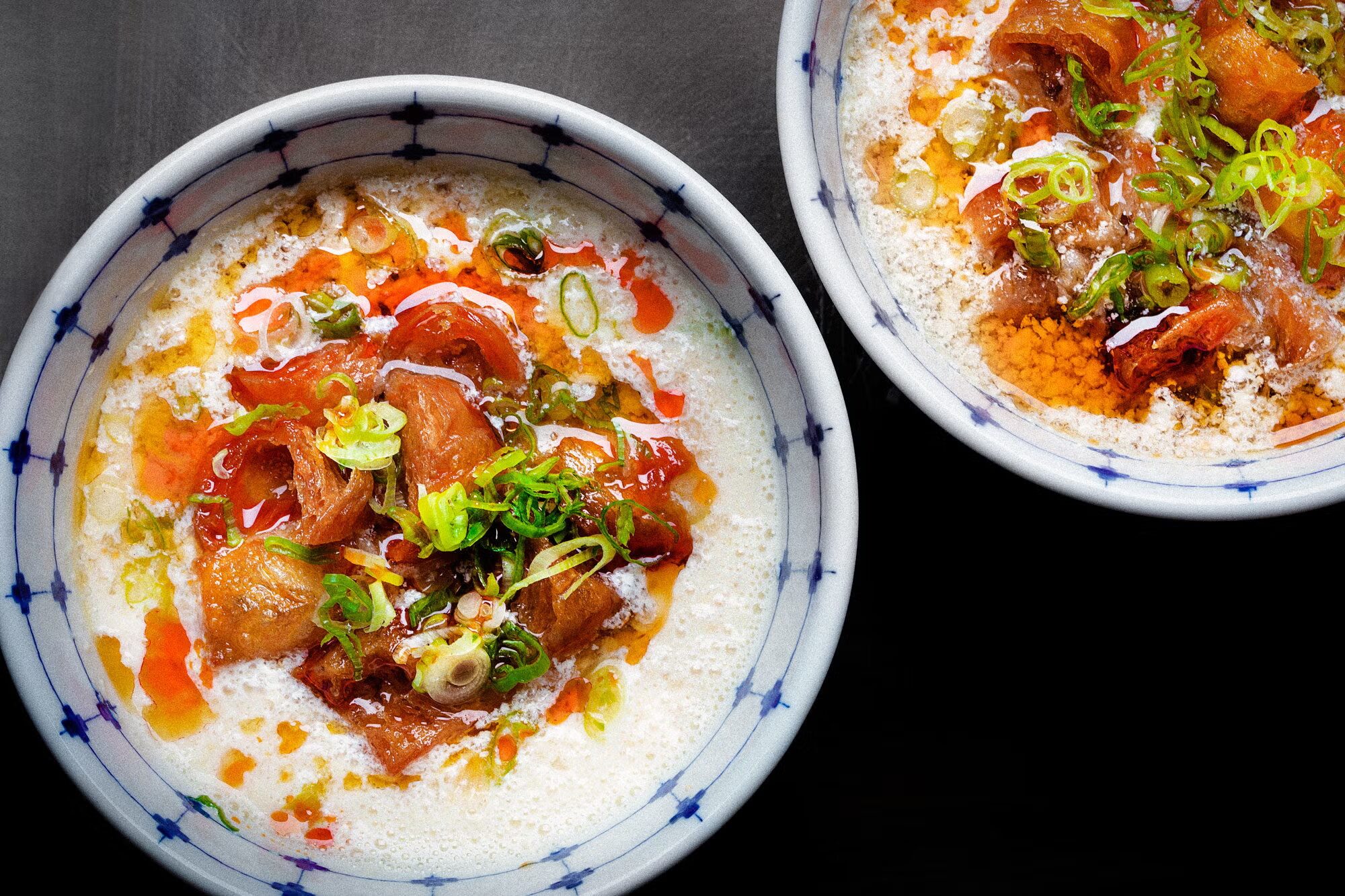
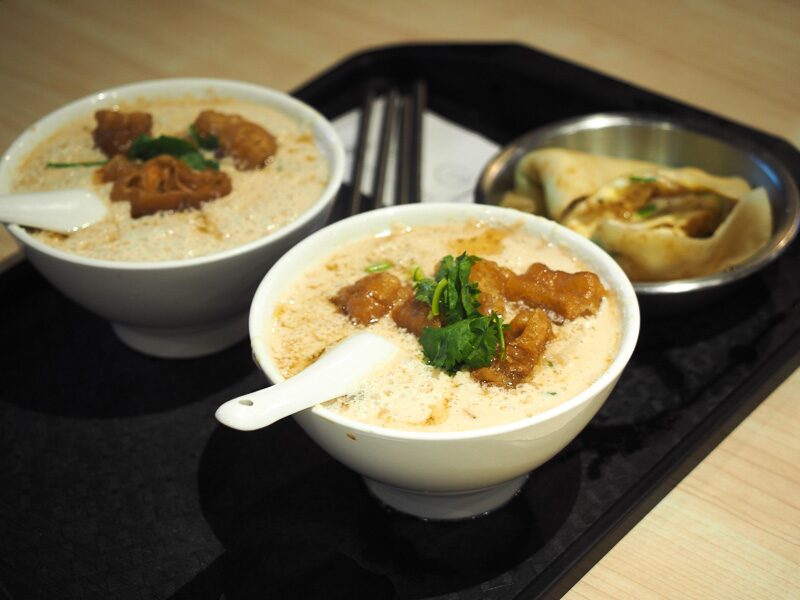
The savory version (Xian Doujiang) resembles a beverage in appearance, but in Taiwan it is not treated as one. When heated liquid meets vinegar, protein reacts and slowly coagulates inside the bowl. The smooth surface breaks apart, forming pale layers that settle into a semi-solid soup. Fried dough sticks, dried shrimp, pickled mustard greens, and chopped scallions are added, sometimes finished with a small drop of chili oil. This is not meant to quench thirst. It functions as a soup that activates the body in the morning. Its position at the table is closer to miso soup or thick vegetable potage.
The origin of this preparation does not lie in northern China. It belongs to the culture of the Yangtze River Delta, across Shanghai, Jiangsu, and Zhejiang. In water-rich regions, warm thickened soups developed as daily foods. The bowl placed on Taiwanese breakfast tables is therefore a southern dish that crossed the sea and settled into the island’s routine.
Sweet soy milk as fuel
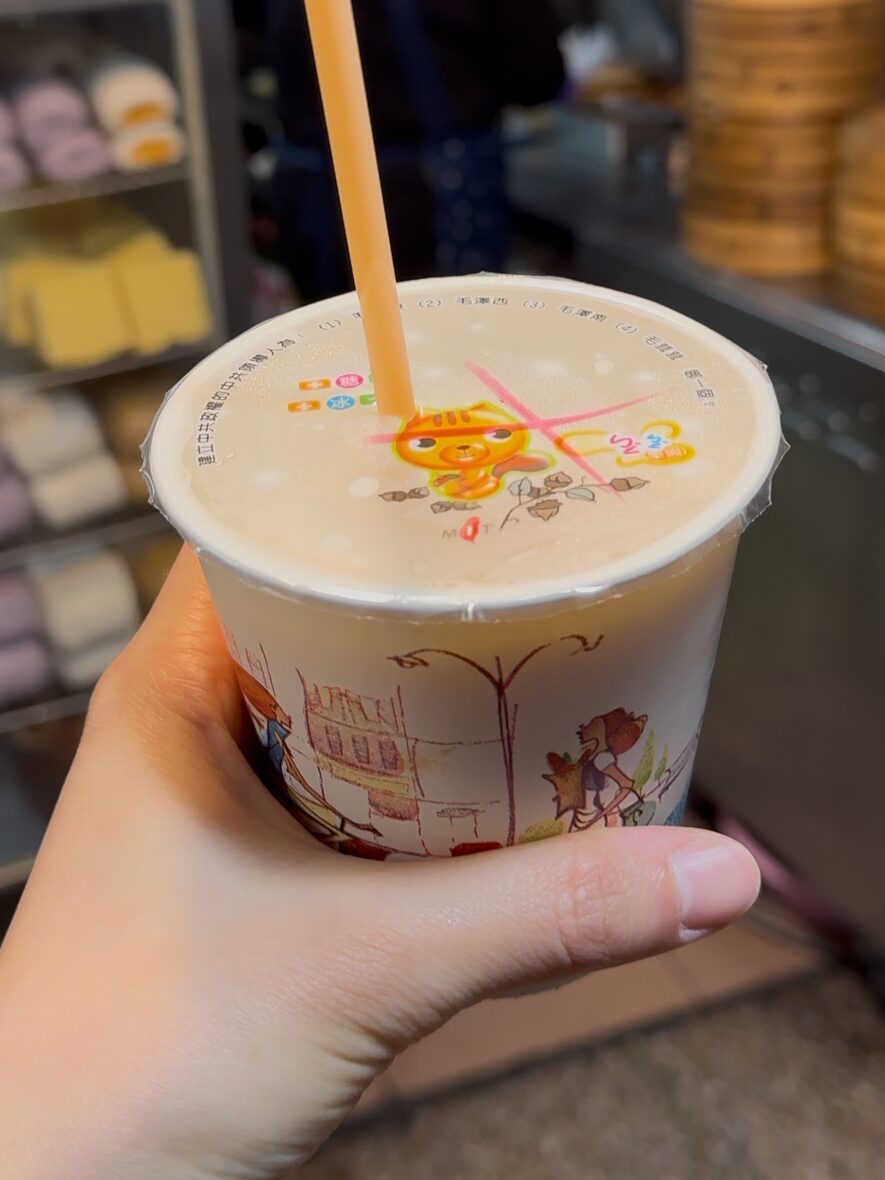
The sweet version (tian doujiang) exists without ambiguity as a drink. It does not solidify and requires no stirring. It is a white liquid meant to be poured directly down the throat. The bean aroma is strong, and the sweetness is clear. It accompanies flatbreads, fried dough sticks, and egg pancakes, functioning as the liquid support of the meal.
This sweetness was not originally part of northern Chinese soy milk culture. In the north, the drink was usually plain or lightly salted. Sugar was expensive and not something that could be freely used in workers’ breakfasts. Here, conditions unique to Taiwan intervened. From the Japanese colonial period onward, the island became a center of sugar production. Sugar was an export industry and, at the same time, a commodity circulating widely within the island.
Unsweetened soy milk brought by migrants from the north encountered this environment and changed. It was redesigned into a cheap and immediate source of energy. The result was the sweet form seen today. It was not merely preference. It was a practical drink shaped by the sugar industry.
The morning that arrived with wheat in 1949
In the story of Taiwanese breakfast culture, 1949 marks a clear rupture. After losing the Chinese Civil War, the Nationalist government moved to Taiwan along with roughly two million migrants from the mainland. Many came from northern regions such as Shandong, Hebei, and Beiping, places where cold climates supported wheat rather than rice as the staple.
For them, Taiwan’s rice-centered diet felt unfamiliar. Retired soldiers and their families began selling foods from their home regions to make a living. Flatbreads were baked on roadside drums. Dough was kneaded into fried sticks and steamed buns. Northern wheat culture suddenly flowed into Taiwan’s mornings.
The previous breakfast scene built around rice porridge and rice noodles was reshaped. A new structure formed, with baked breads and fried dough at its center.
The people who gathered in Yonghe
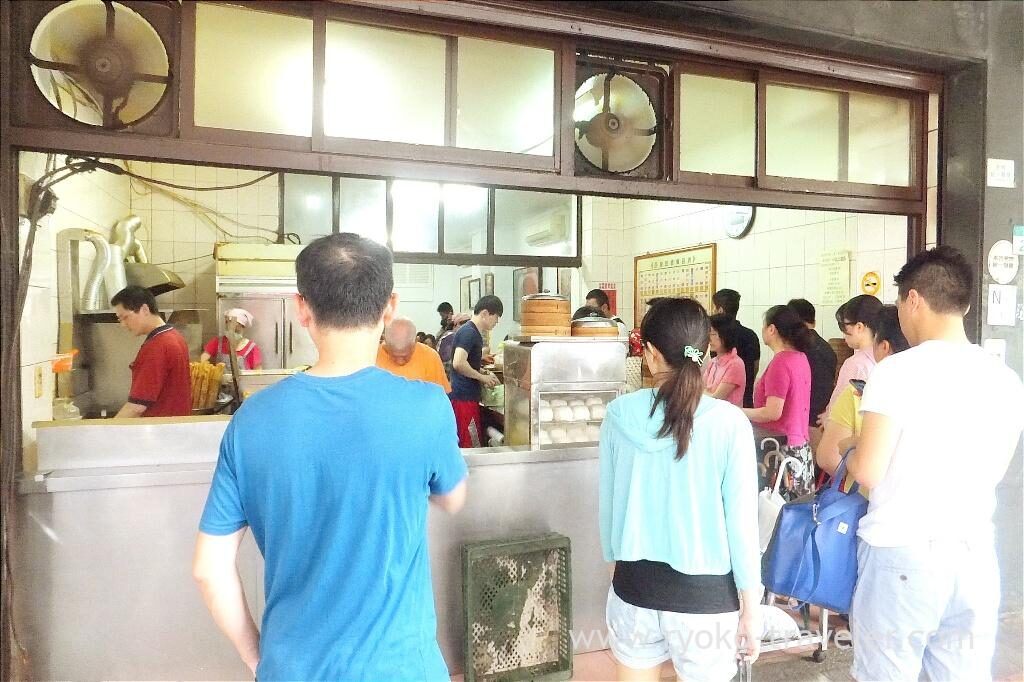
Yonghe, a satellite city connected to Taipei by Zhongzheng Bridge, offered low rent and easy access to workplaces in the years after the war. Many retired soldiers and their families settled there. After finishing daytime work or before dawn, they opened small shops.
Construction workers heading to sites, market vendors beginning early shifts, and people moving through the edges of a city that never fully slept needed food. Business hours expanded with demand. Lights stayed on late, and eventually some shops operated through the night.
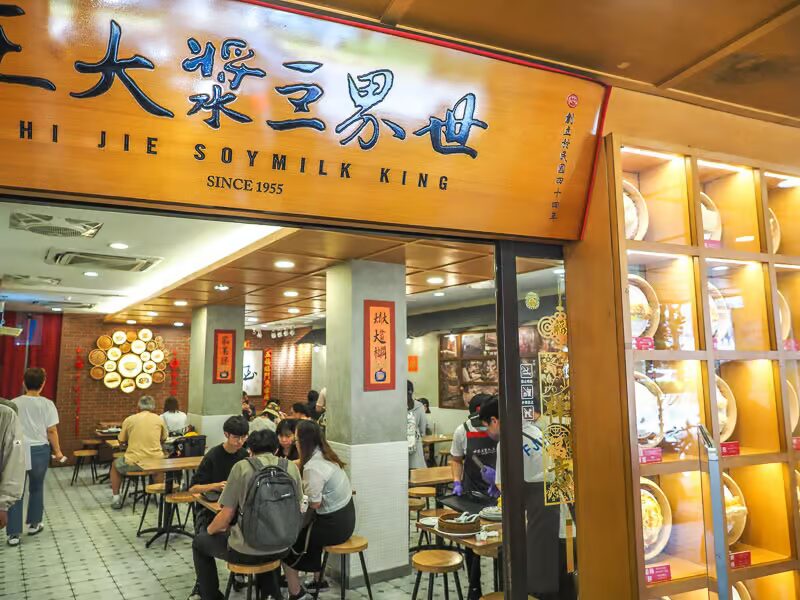
Clusters of breakfast shops centered on soy milk and flatbreads emerged. Well-known names such as World Soy Milk King grew out of this environment. Over time, “Yonghe” ceased to function only as a district name. It became a word that meant a place where good soy milk and flatbreads could be found.
Signs reading “Yonghe Soy Milk” across Taiwan are not unified chains. They are simply markers of imitation and respect for the original neighborhood.
Why southern soup appears in northern shops
One question remains. The shop owners were largely from northern China, where soy milk was plain or only lightly sweetened. Yet bowls of vinegar-curdled savory soup appear without exception in Yonghe breakfast shops.
This dish belongs to the food culture of the Yangtze Delta, around Shanghai and Nanjing, and stands apart from northern traditions. Migrant communities were not formed from a single place. Among northern soldiers were people from southern regions as well.
The thickened soup they prepared paired well with dry flatbreads and oily fried dough. The acidity and heat naturally washed down the heaviness of wheat flour. Northern shopkeepers chose practicality over regional pride. What tasted good and sold well was adopted without hesitation.
Cultures that rarely intersected on the mainland met in small Taiwanese kitchens. Northern wheat shops made southern soup a core product. It was not a planned fusion but an everyday editorial choice shaped by survival.
Geographic contradictions on a single tray
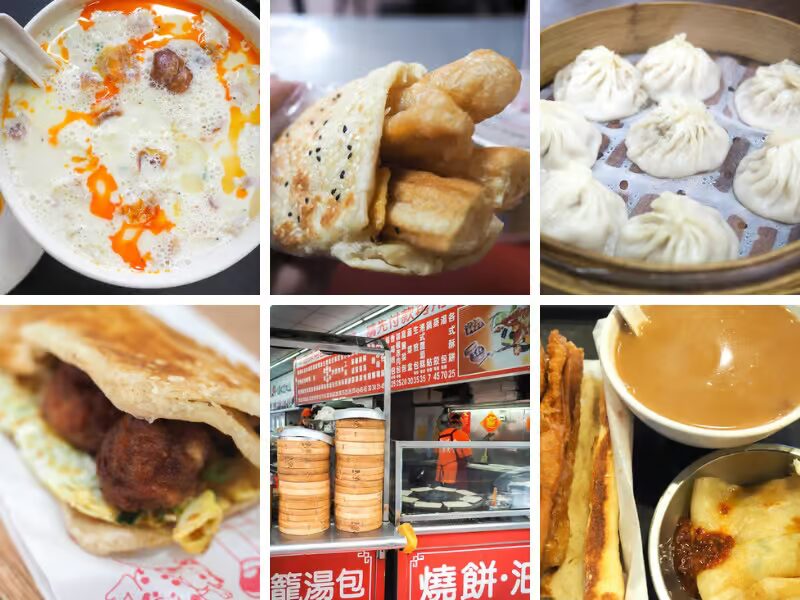
Looking down at a breakfast tray in Taiwan, elements that once belonged to separate worlds sit together. Flatbreads represent wheat culture from north of the Yellow River, where dryness and roasted fragrance dominate. Savory soup comes from southern traditions, warming the stomach with liquid and acid. Sweet soy milk is a product of Taiwan’s subtropical sugar economy, a drink that could only exist where sugar was abundant.
Alongside them may appear radish cakes or rice rolls, island foods created by grinding rice, steaming it, and pan-frying it. All of this forms a single breakfast set without strain. Coherence yields to practicality. Anything that fills the stomach and tastes good earns its place. The result is the standard Taiwanese morning scene.
An island that keeps its contradictions
The question of sweet or savory is not simply about flavor. It is closer to choosing how the body will begin its work. One option sends sugar energy directly into the system. The other warms the stomach with southern soup.
At intersections, some people sip cold soy milk through straws while others lift hot curds with spoons. Neither stands out. Both are traditions formed after the war.
Contradictory cultures were never sorted or unified. They remained layered, forming the everyday structure of Taiwan’s mornings.