Walking through Xinyi or Zhongshan in Taipei, the numbers feel out of place.
Land prices rival central Tokyo, sometimes exceed it.
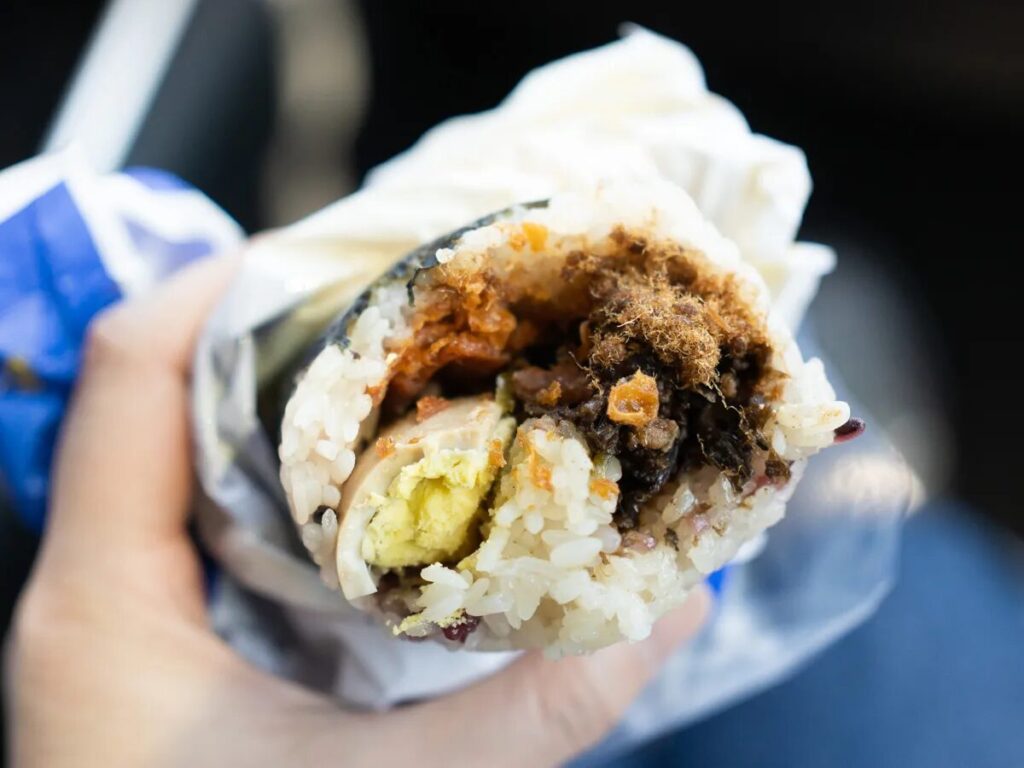
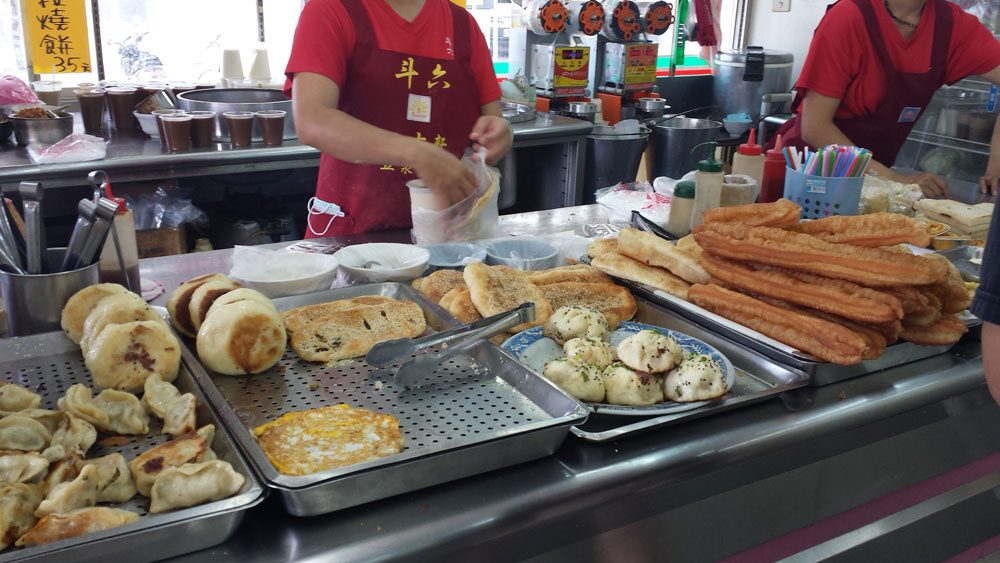
Yet in narrow side streets, breakfast shops display simple signs: soy milk for 25 NT dollars, egg crepes for 35.
Paper bags stack up every morning.
In a district where a café latte sells for 150, these shops operate in a world where the average ticket is around 60.
Sitting with a bowl of soy milk, I start to calculate how that balance holds.
Liquids as the real margin
The highest margins are not in egg crepes or buns.
They are in drinks.
Soy milk is soybeans and water.
Black tea is tea leaves, water, and sugar.
Cost ratios fall into the ten to twenty percent range.
Even if food items are low-margin, most customers add a drink without thinking.
This liquid is automatically cross-sold to everyone who eats.
It turns out to be the main profit engine.
Liquids move fast.
They do not spoil quickly.
This simple structure supports low prices more than any clever strategy.

Staying below the receipt line
Small businesses in Taiwan benefit from a clear threshold.
Below a certain revenue level, shops are exempt from issuing official tax receipts used in the national receipt lottery system.
Many breakfast shops operate deliberately within this range.
Tax calculations remain simple.
Administrative friction stays low.
The small sticker stating “receipts not required” on the counter functions as a quiet line of defense.
It is part of the infrastructure that allows thin margins to survive.
Takeout as a response to high land prices
In Taiwan, most breakfast is taken to go.
Eighty to ninety percent, by some estimates.
Seats are unnecessary.
A kitchen and a counter are enough.
Rent drops to a fraction of what a café would pay in the same area.
Because customers do not stay, time disappears from the equation.
Sales per square meter become unusually high.
Even in the center of the city, location becomes less of a burden.
A rough calculation
Assume an average order of 60 NT dollars: an egg crepe and soy milk.
Assume 300 customers between 6 and 10 a.m.
Daily sales reach about 18,000.
Monthly sales, over 25 days, approach 450,000.
If gross margin sits near 60 percent, that leaves roughly 270,000 before expenses.
Subtract rent of 100,000, utilities and incidentals of 50,000, and assume family labor.
What remains can exceed the income of a salaried worker.
Taiwan’s average monthly wage is often said to be around 60,000.
The conclusion is not that food is cheap because people are poor.
It is cheap because the business works.
The cost of early mornings
None of this is easy.
Days begin around three in the morning.
The kitchen is hot.
Work is done standing, without pause.
The profits are payment for that rhythm.
When a takeout bag is handed over, what stands out is not thrift or efficiency, but how thoroughly waste has been removed.
This is a dense, urban, high-turnover business taken to its limit.
These are only calculations made over soy milk.
The actual books are unknown.
Still, the steady, unhesitating movements behind the counter resemble the hands of someone who understands that the numbers are on their side.