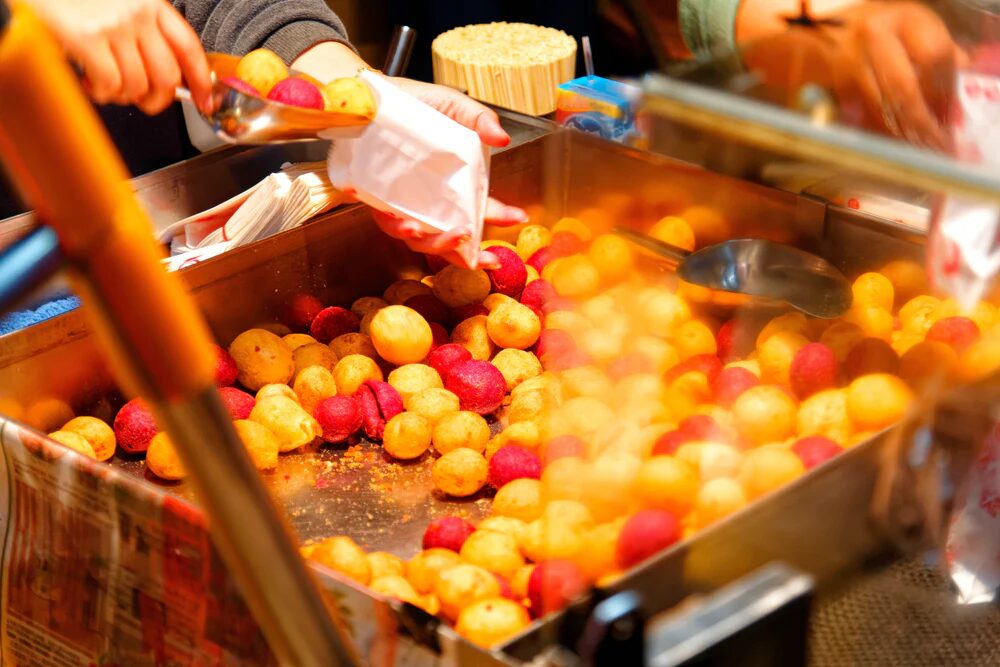
Or, on the Law of Conservation of Energy
On the morning news, a figure from the Taipei Department of Transportation caught my ear.
“YouBike, 200,000 rides per day.”
It is a large number.
But what stayed with me was something else.
What does 200,000 daily movements do
to the energy of a city?
Walking through the streets,
the smell of exhaust sometimes feels thinner than before.
I wondered whether that impression had any basis.
I decided to measure,
very roughly,
the invisible effect YouBike might be producing.
How much gasoline is being saved
First, a simple assumption.
Various surveys suggest that
the average YouBike trip is about 2 to 3 kilometers.
Here, I will use 3 kilometers.
That makes the total daily distance:
200,000 rides × 3 km = 600,000 km
Six hundred thousand kilometers.
About fifteen laps around the Earth’s equator.
If that same distance were traveled
by scooters—the symbol of Taipei—
what would happen?
A typical scooter runs
about 30 kilometers per liter of gasoline.
So:
600,000 km ÷ 30 = 20,000 liters
Twenty thousand liters.
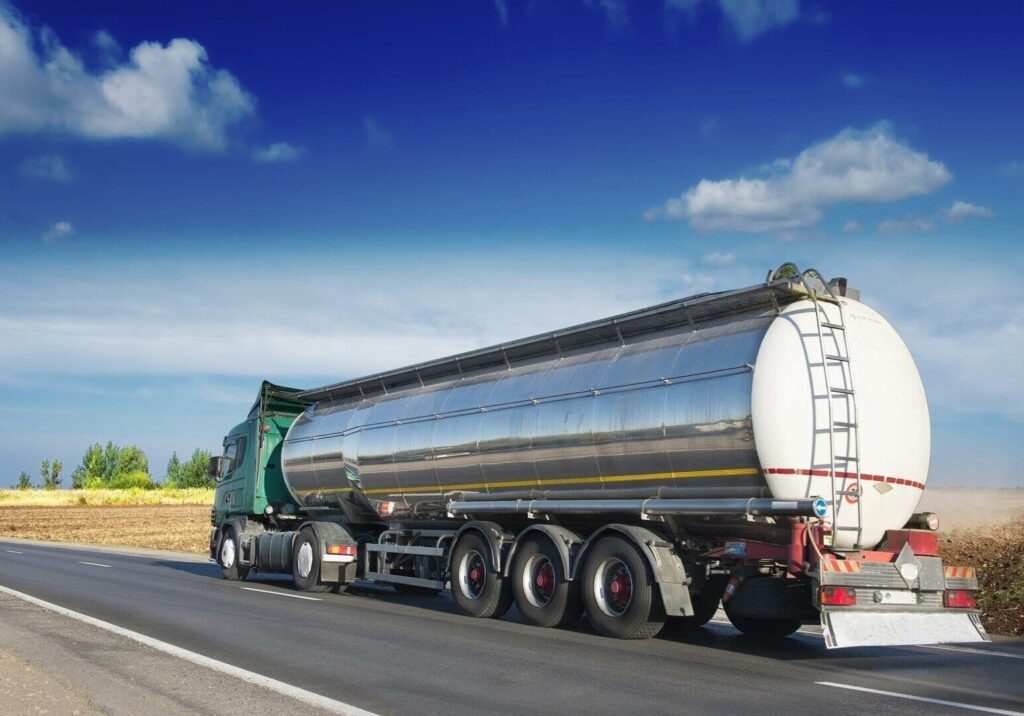
Roughly one large fuel tanker,
or one hundred oil drums’ worth of gasoline,
left unburned.
Every day.
The lighter feel of the evening air,
the different smell at intersections,
may not be entirely imagined.
But cycling also requires fuel
If gasoline is not being burned,
it means human energy is being used instead.
Pedaling, of course, consumes calories.
Cycling 3 kilometers
—about fifteen minutes—
uses roughly 100 kilocalories.
That gives a total daily energy output of:
200,000 rides × 100 kcal = 20,000,000 kcal
Twenty million kilocalories.
Where does that energy come from?
Thinking of Taipei,
the answer is not hard to find.
The glow of drink stands along the sidewalks.
The lines forming in front of them.
That.
How many cups of bubble tea is 20 million kilocalories
A standard bubble milk tea,
with full sugar,
contains about 500 kilocalories.
So if we convert those 20 million kilocalories
into bubble tea:
20,000,000 kcal ÷ 500 kcal = 40,000 cups
Forty thousand cups per day.
Energy is conserved.
What gasoline did not burn
was replaced by another fuel.
From a dark liquid—oil—
to a sweet one—milk tea.
It almost looks
as if the city’s fuel
is slowly being replaced.

Sweet drinks before or after the ride
Watching YouBike riders,
I often notice plastic bags
hanging from the handlebars.
Inside, quite often, is a drink cup.
Perhaps that is the fuel tank.
The smell of gasoline fades.
In its place,
a sweet scent drifts through the streets.
Taipei continues,
quietly,
to live by changing the form of its energy.