A Tainan oyster omelet looks like a fragile night-market snack: oysters, egg, starch, and sauce set over a hot griddle. Put that plate beside the 1661 siege of Fort Zeelandia, and its ingredients begin to look less like a recipe than a list of things available outside the walls.
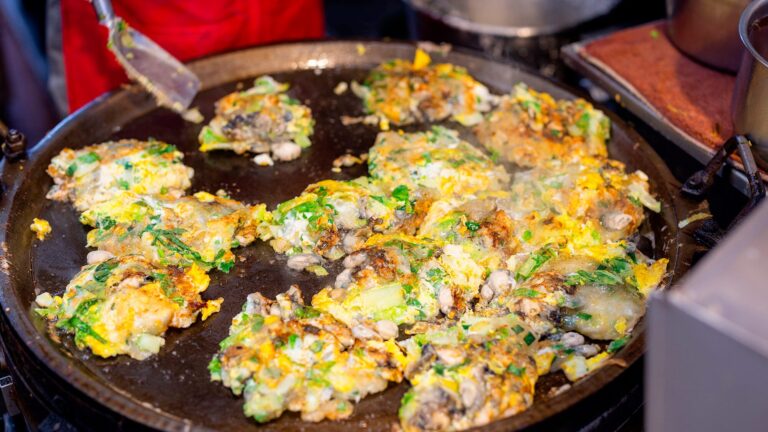
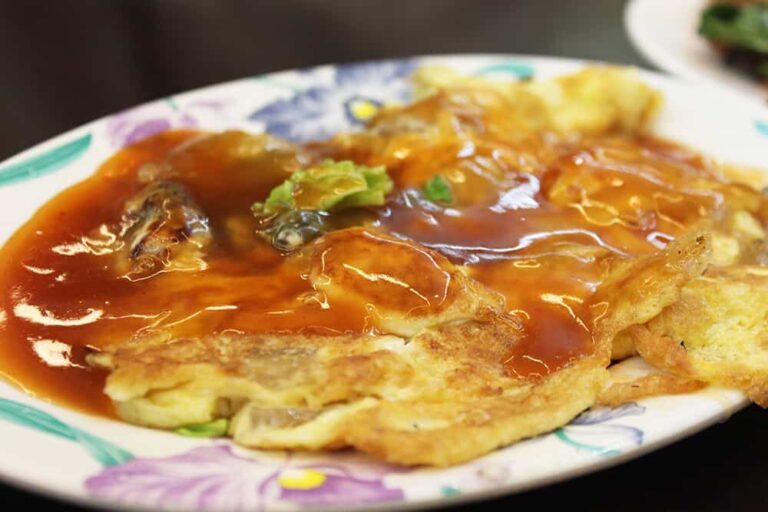
The Taiwanese oyster omelet, known locally as o-a-chian, sits on a small plate beside the griddle.
A sweet sauce rises with the steam.
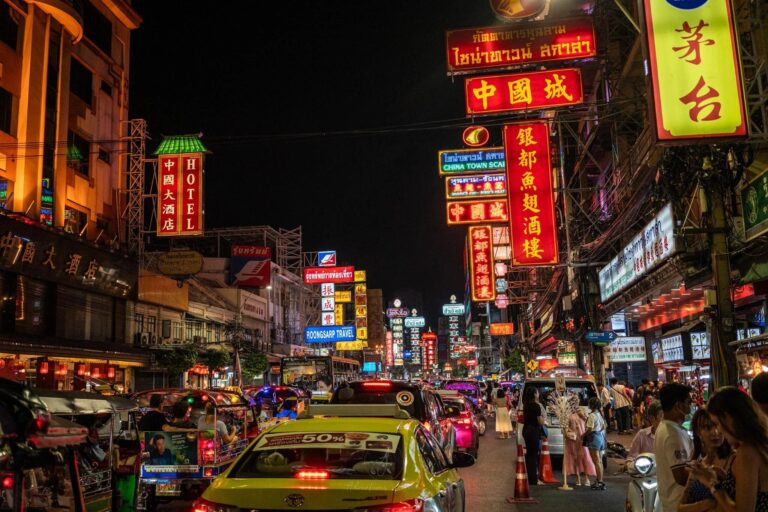
The night market continues around it.
Before I eat, a thought appears.
There is a story that this dish once came from the military.
True or not, the idea stays.
If it had really been used on a battlefield, how would it have worked?

A problem of supply
In military history, food usually comes from two methods.
One is taking it from the land.
Armies move and take what they need.
When the land is empty, they stop.
The other is carrying it.
Bread, dried meat, cans.
When the road is cut, they stop.
Both depend on stocks that shrink.
In 1661, when Zheng Chenggong surrounded Fort Zeelandia in Tainan, his army faced this limit.
There was no supply line.
There was no one left to take from.

Using the environment
There was, however, a lagoon.
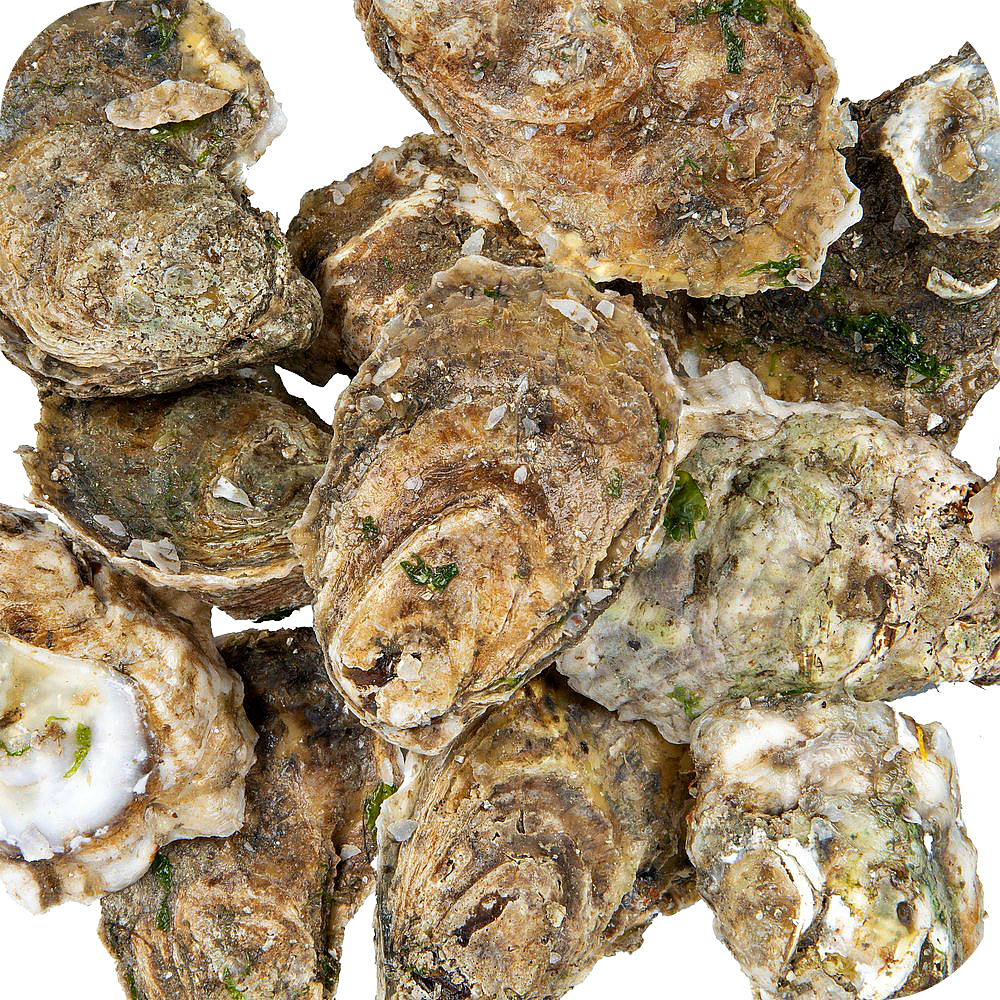
The old waters around Tainan held oysters.
They grew without being planted.
They kept growing.
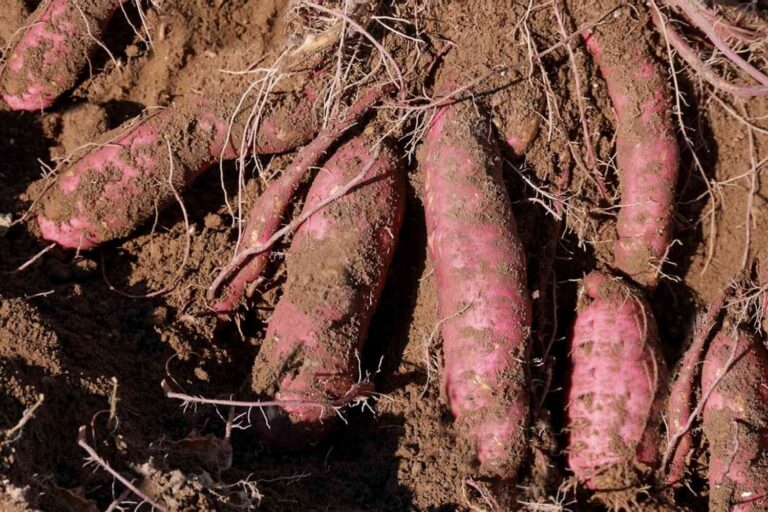
There were also sweet potatoes in the soil.
From them came starch.
Mixed with water, it could become many times its size.
Seafood
and
starch.
Heated on iron, this became food.
It was not stored.
It was not taken.
It was produced again and again.
The place itself became the supply system.
A circular plate
The sea gave oysters.
The land gave starch.
Fire and water turned them into a meal.
The Dutch inside the fort depended on what they had brought.
The army outside depended on what was there.
One side counted its barrels.
The other side looked at the tide.
This difference does not often appear in battle records.
It may still decide how long a siege can last.
What the plate contains
Seen this way, the structure makes sense.
Starch gives weight and time.
Shellfish give protein and minerals.
Eggs add quick energy.
Sweet sauce lifts the blood.
It is fast to cook.
It needs little equipment.
The soft texture is easy to eat.
On a long day, this would keep a body moving.
The elasticity on the plate is not decoration.
It is a way to carry calories with less material.
In the night market
Another plate arrives at the next table.
Steam drifts.
The sauce settles.
Behind this simple food lies a way of thinking.
Not taking.
Not storing.
Using what is already there.
The lagoon, a war, and a griddle remain in the same layer of memory.
— Detour —
a little further to walk
- Notes on the Origins of Taiwanese Oyster Omelet
- Notes on Oyster Omelets in Taiwan
- Do Taiwanese Oyster Omelets Dream of Yaowarat?