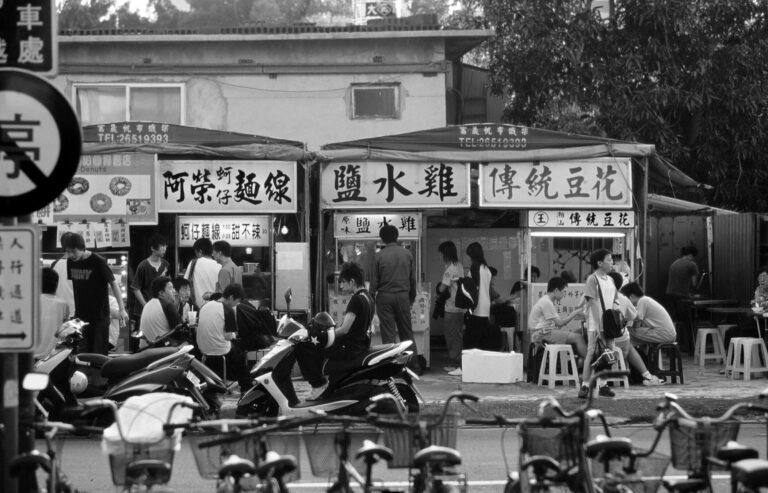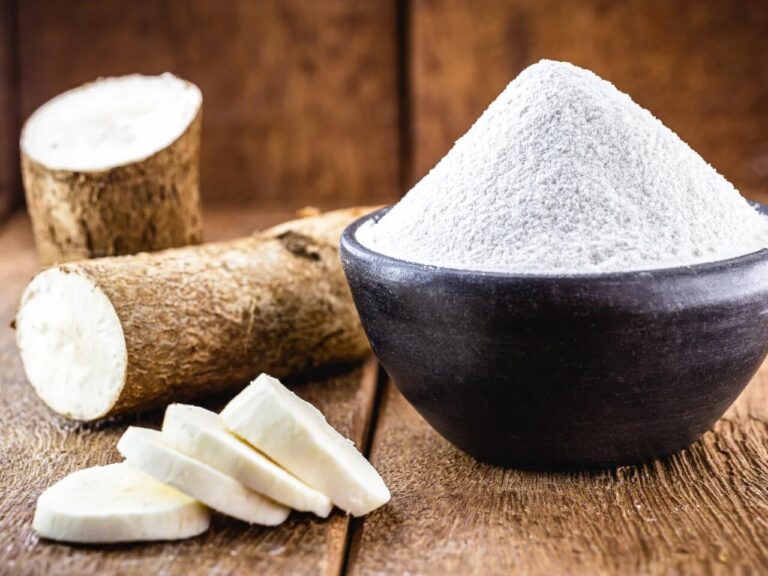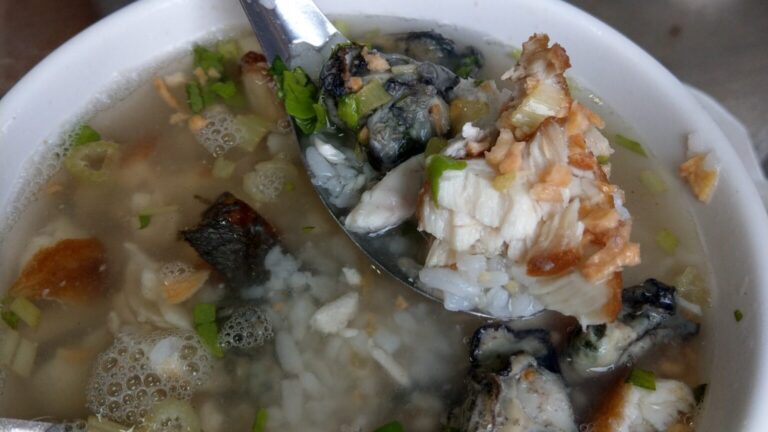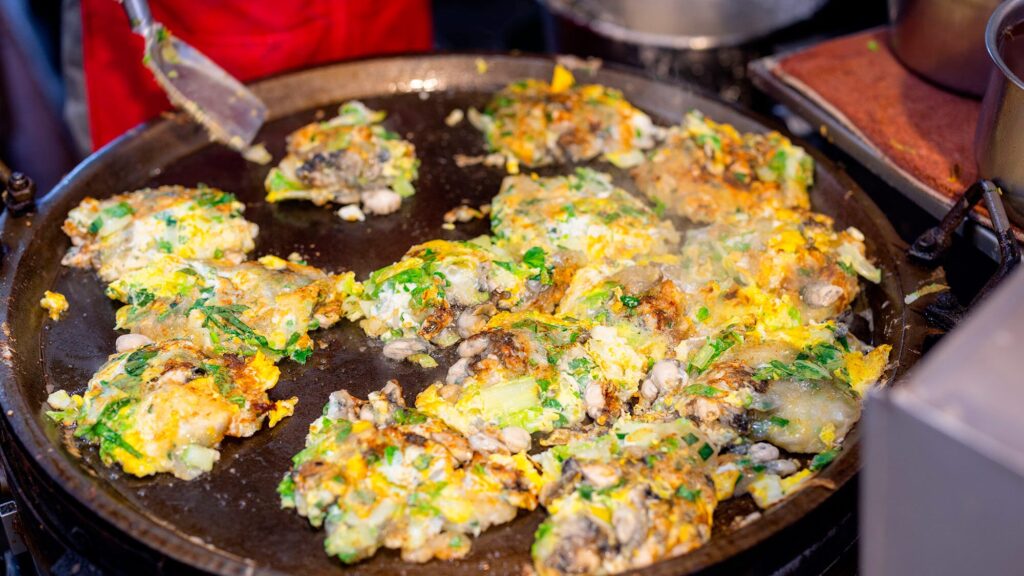
At a night-market griddle, oysters, egg, greens, and a cloudy starch batter arrive as one soft, uneven plate. It looks like a snack assembled in minutes, but each part belongs to a different landscape of Taiwan.
The Taiwanese oyster omelet, known locally as o-a-chian, appears at the start as a simple plate of oysters, egg, greens, and a soft starch batter.
On a night market griddle it looks ordinary.
Oil crackles. Hands move. Ingredients come together.
Yet behind this dish lies a story that reaches far beyond the stalls.
The siege of 1661
A common story is told in Taiwan.
In 1661, Zheng Chenggong, known as Koxinga, surrounded Fort Zeelandia in Tainan, then held by the Dutch East India Company.
The Dutch cut supply lines. Food ran short. Soldiers began to starve.
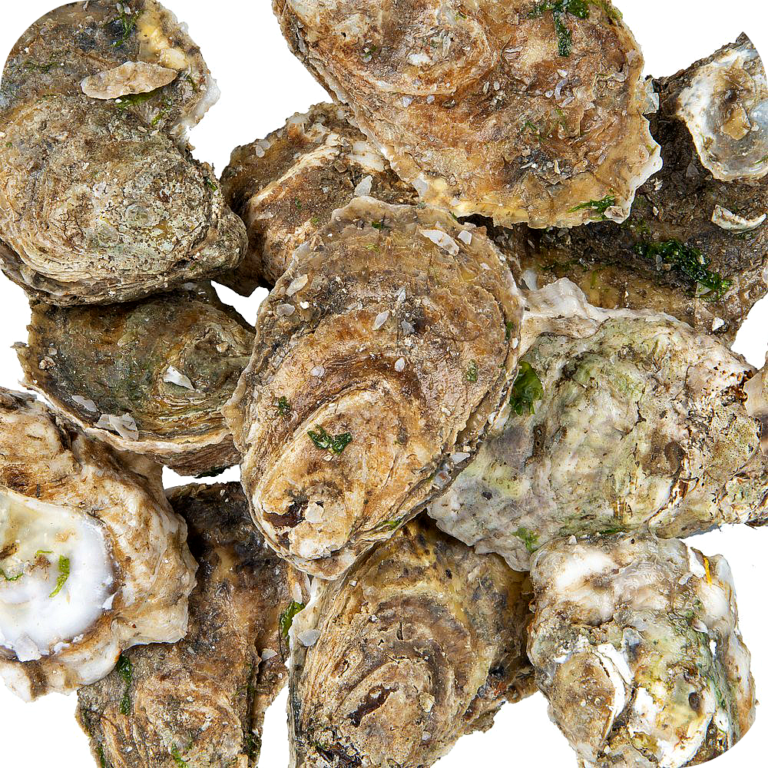
The lagoon that once filled Tainan was still there.
Oysters grew in it in great numbers.
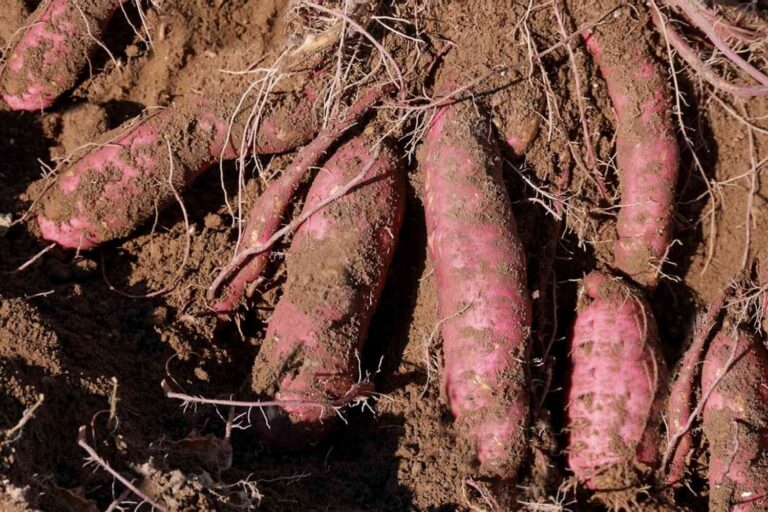
Sweet potatoes also grew in the soil.
From them came starch.
If rice was gone, oysters and starch could still be cooked on iron plates.
They could still fill a stomach.
This is said to be the first form of the dish.
Historians today point instead to food traditions from Fujian and Chaoshan brought by migrants.
Even so, the story remains.
The structure of this food fits the idea of survival.

Starch as a strategy
The soft, elastic batter is not a sign of luxury.
It is a response to scarcity.
Rice was valuable.
Starch from sweet potatoes was cheap and filling.
By adding it, a small amount of seafood could become a full meal.
The same logic appears in other times and places when food was short.
What matters is not refinement but volume and energy.
A Taiwanese form
Similar foods exist in southern China.
In Chaoshan, oyster omelets were already known.
But the Taiwanese version changed.
More sweet potato starch went into the batter.
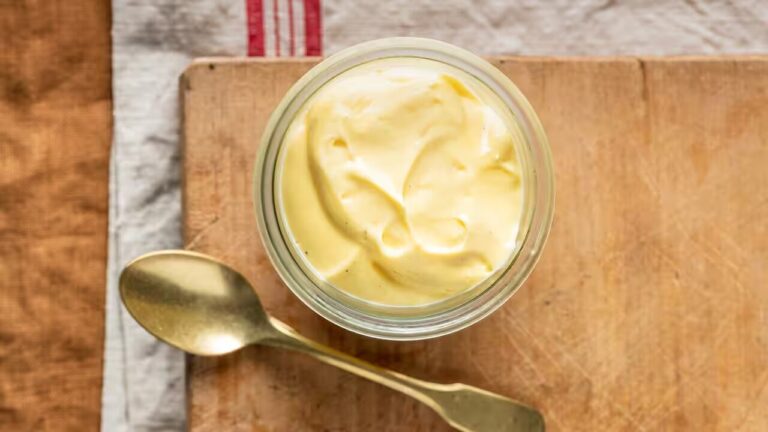
A sweet sauce was poured over the top.
This was not an accident.
It followed local taste and local crops.
A dish crossed the sea and adjusted itself.
From necessity to abundance
At first there were only oysters, starch, and water.
Later came eggs.
Then greens.
Then sauce.
As living conditions improved, the plate grew richer.
What had been survival food became something shared at night markets.
People now stand and watch it being cooked.
They wait for their turn.
The structure remains, even if the reason has changed.

Layers on a griddle
When I stand before the iron plate, I see more than a snack.
The oysters recall the old lagoon.
The starch recalls poor soil and hunger.
The sweetness recalls the south.
History, migration, and climate are pressed together in a thin layer.
The sound of oil continues.
Another portion is turned.

— Detour —
a little further to walk
- Notes on Oyster Omelets in Taiwan
- Notes on Taiwanese Oyster Omelet as Field Rations
- Notes on Why Taiwanese Oyster Omelets Do Not Dream of Mayonnaise