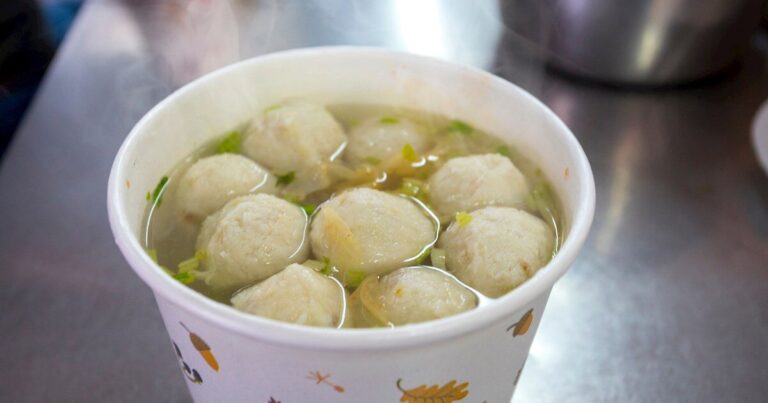
Before dawn in Tainan, diners sit beside aquaculture ponds with bowls of clear milkfish broth, while the fish’s name fills breakfast-shop signs, market stalls, and price tags across the city. It is an unlikely everyday staple: abundant, fatty, and threaded with a hidden lattice of fine bones.
Tainan starts early. Before dawn, the diners beside the aquaculture ponds have their fires going. A large pot holds clear broth, and silver fish are lowered into it one after another. Customers pull out chairs with half-awake faces and receive a steaming bowl in both hands. There is little conversation and little sound. Only the noise of broth being drawn through lips mixes into the morning air.
Silver Characters Across a City
Walking through the cities of central and southern Taiwan, and especially through Tainan, the characters for milkfish (sabahi) appear continuously in the field of vision. They are on the signs of breakfast shops, on price tags in markets, on the menus of diners. They are not written there as something reserved for special occasions. They are present the way air is present, as a given condition of the place. For someone arriving from outside, the fish is difficult to fix in the mind. It appears as a pale, clear broth, and then as a thick, fatty cut of belly grilled until the fat runs, and then again as fish paste rolled into balls floating in soup. It takes on any seasoning and any preparation, yet it never disappears. The question is why this fish sits so permanently at the foundation of food culture in the south of Taiwan.
The Question That Became a Name
This fish carries several names across the sea. In Taiwan, the name comes with a legend. In the seventeenth century, when Koxinga drove the Dutch from Taiwan and landed at Tainan, he encountered the fish and asked, in Hokkien, what it was — ze si siann-mih hi, or in Mandarin, zhe shi shenme yu. The phrase shenme yu, meaning what fish, shifted in pronunciation over time and the characters sabahi were eventually assigned to it. The story sits at the level of legend rather than recorded history, but it is told readily in Tainan. In English the fish is called milkfish. When cooked, the flesh turns milky white and the belly fat carries a sweetness and richness that the name describes. Looking further south, the same fish arrives in the Philippines as bangus, where it holds the status of national fish. It is marinated and fried as daing na bangus, and it serves as the centerpiece of the sour broth dish sinigang. Across the South China Sea and into the waters of Southeast Asia, this single fish functions as a shared term in the food cultures of the region.
A Grass-Eater in Shallow Water
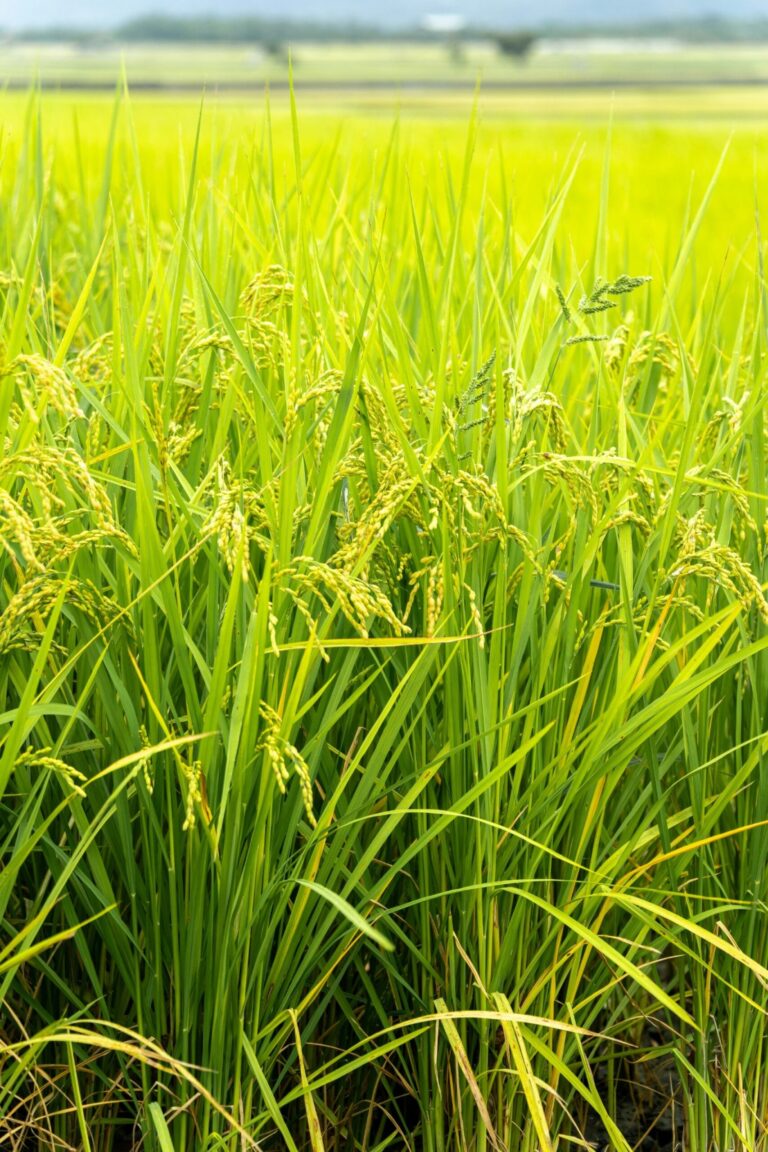
The reason this fish has been farmed across Taiwan and Southeast Asia for so long comes down to what it eats and where it lives. Sabahi is herbivorous. It feeds on algae, which means it does not require the large quantities of expensive animal-based feed that carnivorous fish demand. The warm, shallow brackish waters around Tainan and across the Philippines — where seawater and freshwater intermingle at the coast — suit its growth precisely. Enclosing a section of shallow sea is enough to raise it. That efficiency made the fish the most rational source of calories and fat available from the water, and it has been farmed on those terms for more than four hundred years.
Why It Could Not Cross the Zhuoshui River
Calling sabahi the national fish of Taiwan requires a qualification. It does not appear often in the daily food of Taipei. The fish’s consumption is concentrated heavily south of the Zhuoshui River, which divides Taiwan’s north from its south. In Tainan and Kaohsiung in particular, it holds a presence that other cities do not match. The reason it did not travel north is freshness. From the moment it is taken from the water, sabahi deteriorates quickly and begins to release a strong smell. In the period before reliable refrigeration, moving fish caught in the ponds near Tainan to Taipei while keeping it edible was not physically possible. Because of this, sabahi became embedded as a localized breakfast culture of the south — pulled from the pond at dawn, turned into broth or congee, and eaten before the morning had advanced far. Refrigeration has since developed to the point where it can be transported and sold in Taipei, but the signs of Taipei’s sabahi shops invariably carry the prefix Tainan in front of the fish’s name. In Taipei, the fish is not an extension of ordinary daily life. It arrives packaged with the intensity of the southern climate and landscape from which it came.


Two Hundred and Twenty-Two Bones
Despite its efficiency as a farmed fish and its capacity to take on almost any form of preparation, sabahi carries one critical structural problem. Inside the flesh runs a network of small bones called hadama-guwashi in Japanese, and referred to in Taiwanese cooking discussions simply as the fine bones — two hundred and twenty-two of them in a single fish. They do not merely exist in large numbers. They are buried deep within the muscle tissue, and their tips branch into a Y shape. Attempting to pick them out with chopsticks causes the flesh to fall apart. Pulling at them snaps them partway through. Trying to remove them while eating leads to the gradual realization that the bones extend further than anticipated, and the hand stops. With most fish, small bones can be managed to some degree while eating. But these bones are integrated into the muscle fibers at a depth where chopsticks cannot reach them in the first place. Under normal circumstances, the options would be to abandon the fish as a food source or to fry it whole and eat the bones as well. That is the structural defect this fish is born with.
Pressure or Precision
Against the problem of two hundred and twenty-two bones, the peoples of the southern sea developed two distinct approaches. The Philippines and Indonesia chose the path of softening. Rather than removing the bones, they rendered them edible. In Indonesia, the preparation known as bandeng presto involves sealing the fish in a pressure cooker and applying sustained high pressure until the bones become soft enough to eat without difficulty. In the Philippines, deep cuts are scored into the flesh and the fish is fried at high temperature until the bones are effectively neutralized by the heat and oil. Taiwan chose an entirely different path. It chose precision. In the markets of Tainan, there are craftspeople who specialize in breaking down this fish. Using dedicated knives and fine-tipped tools, they work through the fish with practiced hands, extracting the bones embedded in the muscle one by one — two hundred and twenty-two bones, Y-shaped tips included, none left behind. The two characters wu ci, meaning boneless, that appear on signs outside Taiwanese diners are not a simple courtesy. They represent the accumulated technique of these craftspeople, and they cannot exist without it.
What Remains After the Surgery
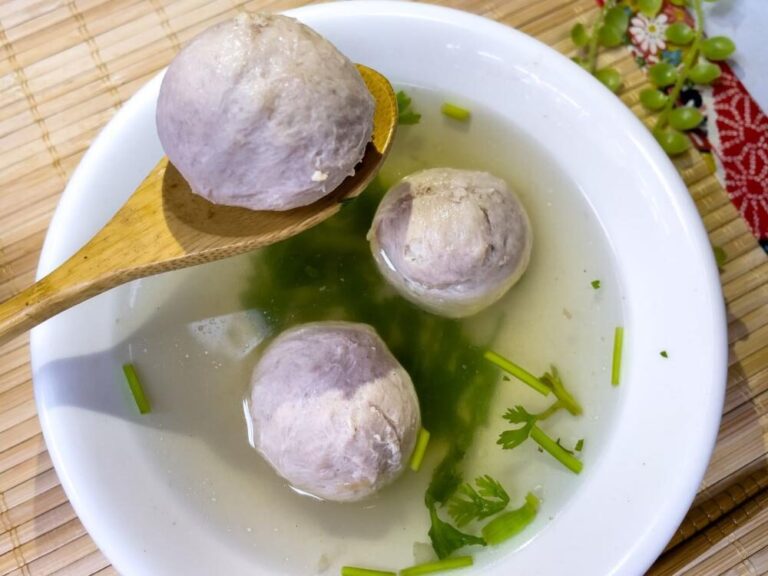
Once the bones have been removed, the fish divides into parts that go in entirely different directions. The most valued portion is the belly, called yu du. It carries a thick layer of fat. It is grilled until browned and finished with a squeeze of lemon, or simmered and eaten as a braise. The heaviest concentration of what makes this fish itself is found here. The skin, called yu pi, is peeled away with a thin layer of flesh still attached. The gelatin and fat are briefly blanched, then eaten with ginger and soy sauce. The texture as it softens in the mouth is distinct from the belly. The fish paste, shaped into balls called yu wan, floats in broth and is eaten as a soup component. Then there is the internal organ portion, yu chang. It deteriorates faster than any other part of the fish and can only be eaten close to where the fish is landed, which means in and around Tainan. Fried in oil until black and crisp, it carries an intense bitterness alongside deep savory flavor. It is the item that a regular at a Tainan breakfast shop orders without hesitation, without needing to look at the menu.

The Green Condiment on the Plate
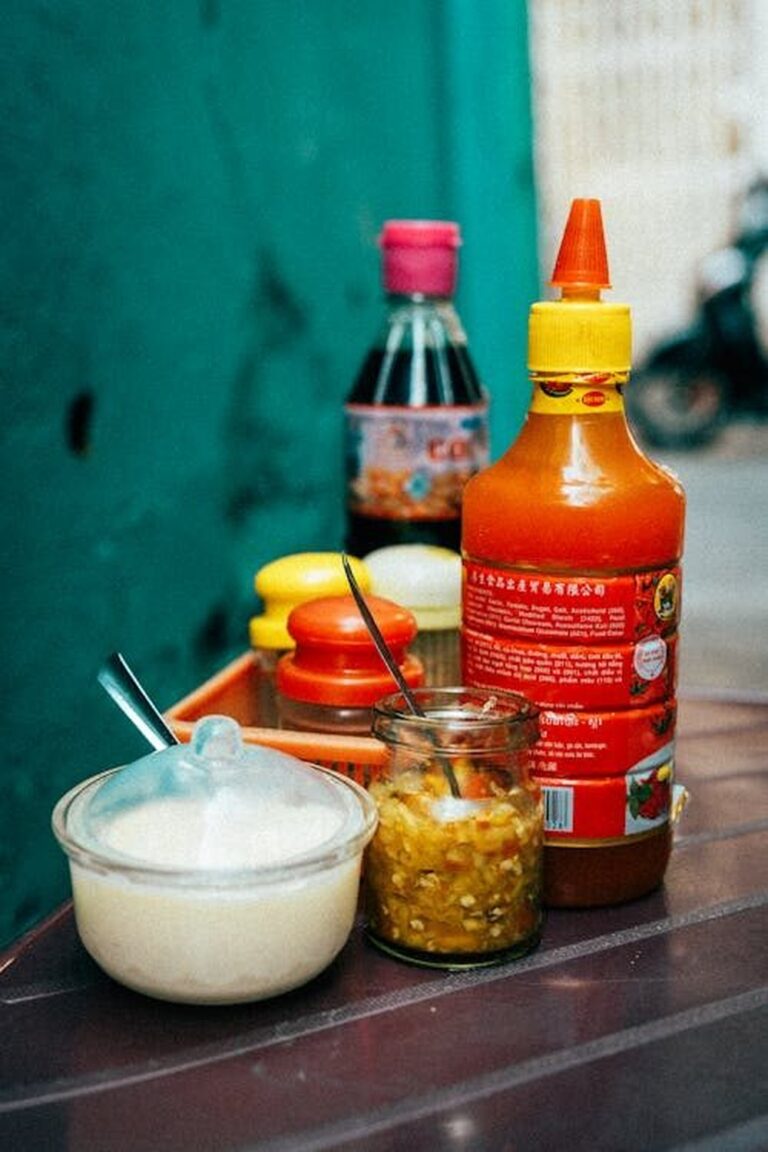
When a simple preparation of belly or skin is ordered — poached, without heavy seasoning — a small plate arrives alongside it. On it are two things: a dark, sweet, viscous soy sauce called jiang you gao, and a wasabi of a green so vivid it is almost startling. A Japanese visitor tends to read this combination through the frame of sashimi culture. The association is understandable but the function is different. Japanese wasabi sharpens the delicate sweetness of raw fish. The wasabi served with sabahi in Taiwan operates more as a tool of suppression. The fish grows in shallow ponds feeding on algae at the bottom, and the flesh carries a residual earthiness as a result. The belly fat is heavy in the way butter is heavy. The volatile compounds in the wasabi move through the nose and disperse the muddy smell. The thick sweetness of the soy sauce envelops the dense fat and resets the palate. This combination addresses three simultaneous problems — heat, earthiness, and heavy fat — and it does so through a condiment that came from elsewhere but was reinterpreted and sharpened for this specific fish, this specific climate, and this specific table. It is not imitation. It is a practical answer to conditions that demanded one.
Tainan, Morning, Clear Broth
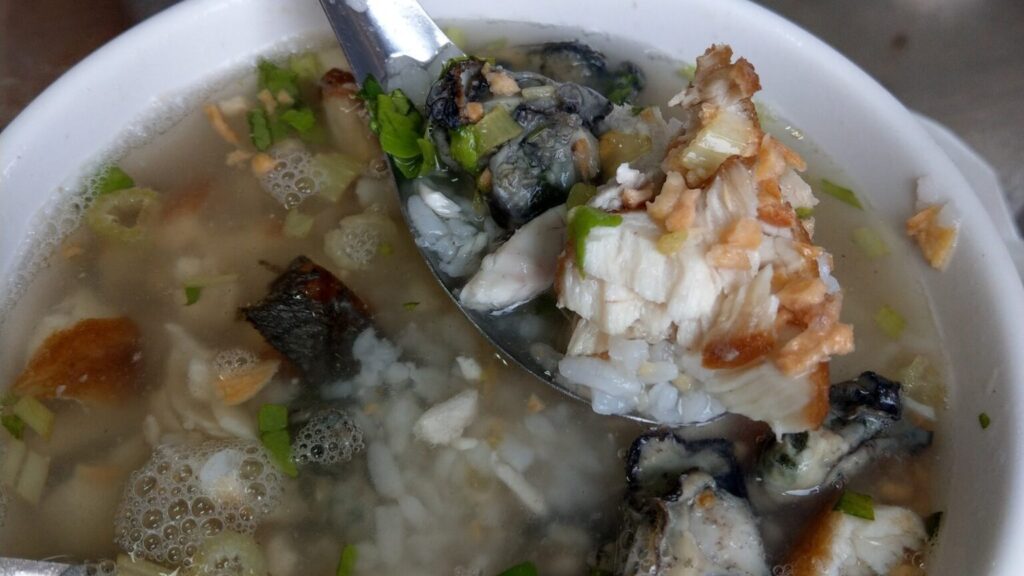
In a Tainan breakfast shop, a clear broth steams in the bowl. Inside it floats sabahi, completely white, with every bone removed. When the spoon lifts a piece of the flesh, what rests on it is not only fish. It is four hundred years of shallow-water aquaculture, the accumulated work of craftspeople who have drawn out these bones one at a time, and the knowledge of how to handle earthiness and fat that has been refined across generations of mornings like this one.
— Detour —
a little further to walk
- Notes on Boneless Milkfish in Tainan
- Notes on the Milkfish Belly Bento
- Notes on the Divide of Sweet and Salty Across Taiwan