A place to reset the body with nasi kandar and teh tarik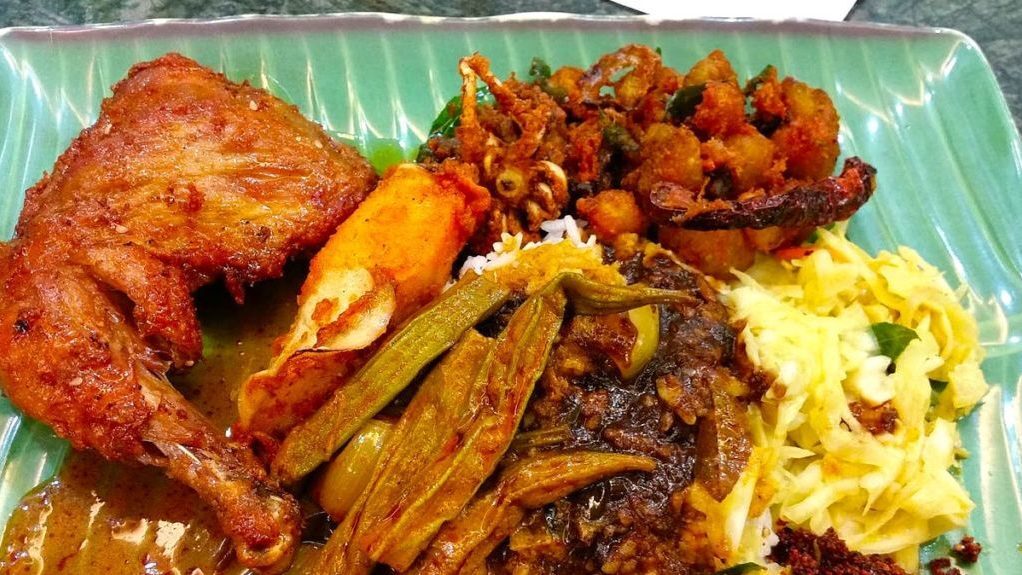
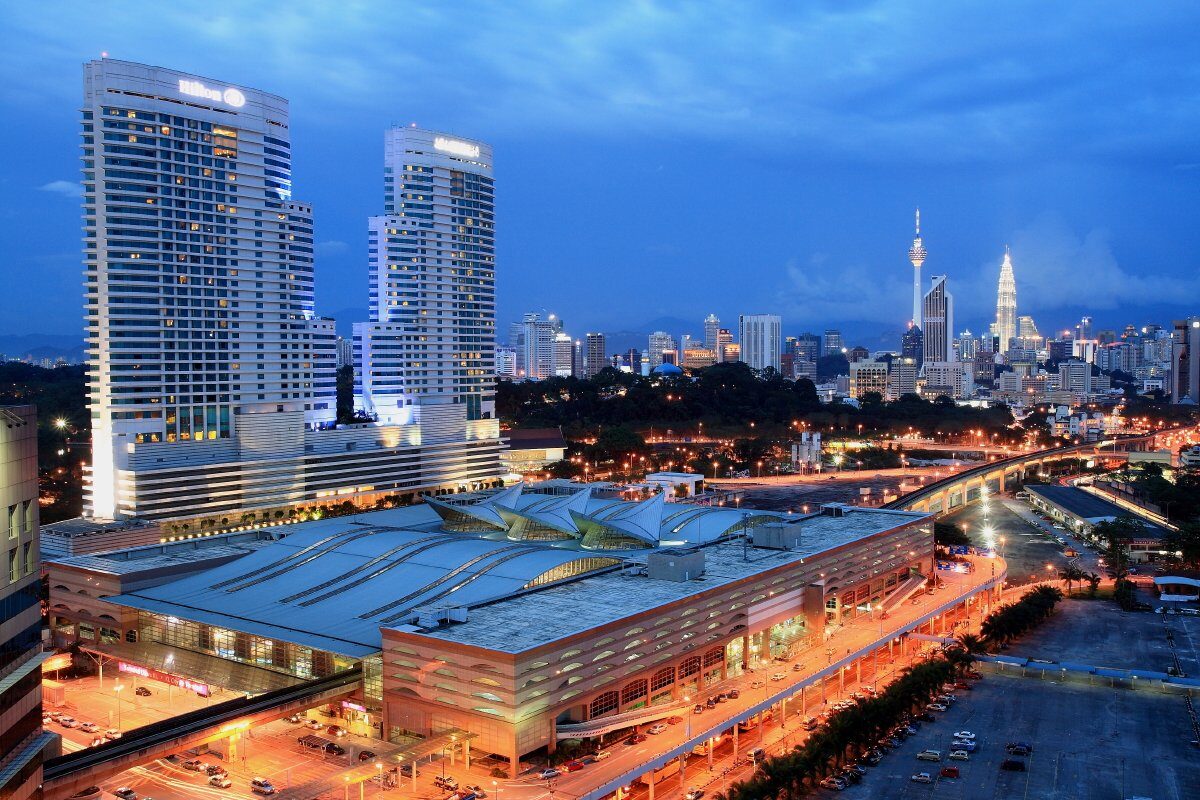
I arrive at KL Sentral by the airport express, the KLIA Express. The carriage is cold, conversation is sparse, and only the view beyond the windows moves quickly. The moment I pass through the gates and step into the mall called NU Sentral, the air shifts. The thin smell of chilled metal fades, and something else moves forward. What drifts in is a heavy, sweet, slightly burnt scent of spices. There is also the presence of oil, like a thin film in the air. The body reacts before thought does.
Before checking into the hotel, I am pulled toward the source of that smell. Unless I take in thick curry and sweet tea once here, it does not feel like I have returned to Malaysia. Inside the station, a place like this still remains.
The Shop Named After a Thin Boy
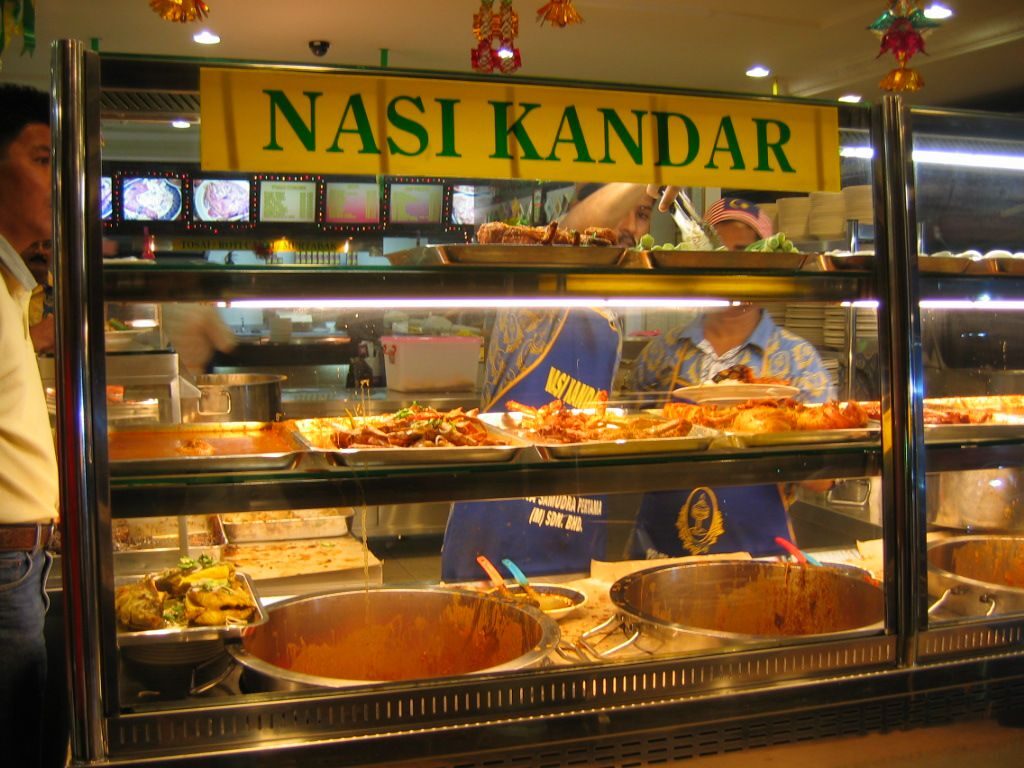
The dish here is mixed curry rice (nasi kandar). The shop is called Original Penang Kayu Nasi Kandar. It sits on the basement level of NU Sentral, open along the passageway. The name appears across Malaysia, but its origin is personal. Kayu in Malay means wood, or a stick. There is a story that the founder, Sirajudin, was thin as a child and was called a stick, and that is where the name came from.
The shop began as a small street stall in 1974 and now turns out the same food inside a station building. That short distance feels characteristic of Malaysia. Rather than displaying a grand narrative, it sits along the path people walk. Even so, the smell remains strong.
Ordering a Flood
I take a tray and stand in front of the display case. From here, words become fewer. There are massive fried chickens, dark stewed meats, red squid. Fried items and braised dishes line up at the same temperature. Pointing is enough. I only need to indicate what I want. The staff do not hesitate.
At the end, I add a small phrase. Kuah Campur. Or Banjir. Kuah refers to curry and cooking gravies. Campur means to mix. Kuah Campur signals that not one sauce, but several should be poured together. Banjir means flood. It is more direct, asking for enough sauce to sink the rice.
The staff scoop several curries together and drop them onto the plate. A brown sea forms. The boundaries on the plate disappear. Meat gravy, bean curry, and spicy sauce overlap until it is no longer clear which was which.
The appearance is plain and even gives the feeling of having lost something. But the brown of this dish is the color of flavors mixed. Spiciness. Sweetness. Acidity. The smell of frying oil. The thickness of meat juices. They converge into one color. Mixed, but not messy. Mixing is the premise.

The Tower of Roti Tissue
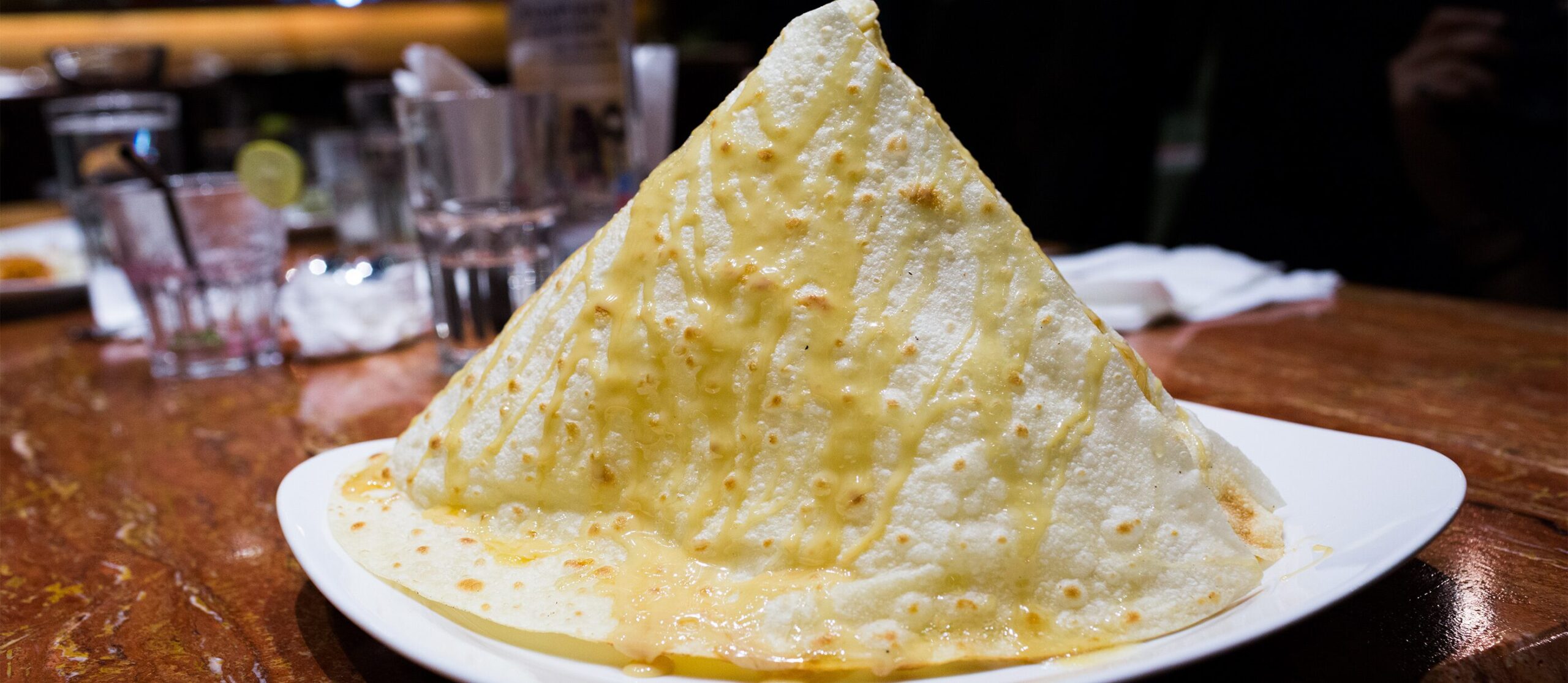
I glance at the neighboring table and see a cone-shaped tower as tall as a child. It is roti tissue. Dough stretched to its limit, baked into a tower, then coated with sugar and condensed milk. There are stories that Kayu popularized this tall style. Whether true or not, it fits the atmosphere of the shop.
Next to the brown weight of curry stands the white lightness of the roti. Sweetness and spiciness are placed on the same table. For a tired brain, this kind of extremity works. It is less an explanation of taste and closer to restarting the body.
Teh Tarik as a Fire Extinguisher
Choosing the food is simple. The problem comes after sitting down. A drink attendant appears without words. There is the pressure of “What will you have?” Often there is no menu.
If I hesitate and say cola, I regret it slightly. It is cold, but the heat remains. There is one correct answer. Teh Tarik.
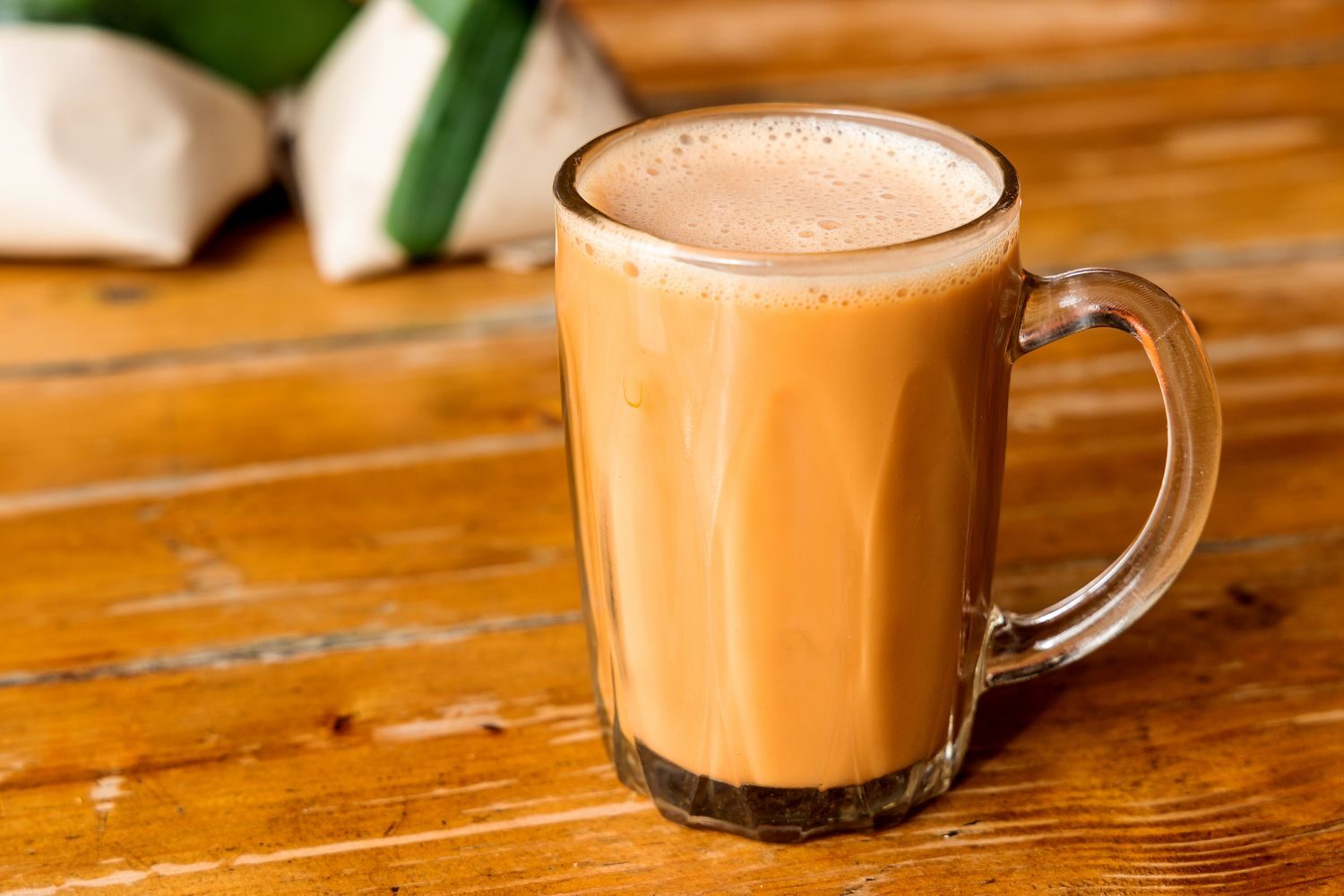
It is a thick, sweet milk tea, poured from a height and aerated into foam. The bubbles lighten the mouthfeel slightly. Why it is this sweet is simple. The oil of spices and the heat of chili cannot be erased by water. Only milk fat and the sugar of condensed milk extinguish the fire on the tongue.
Teh Tarik looks less like a drink and more like a fire extinguisher placed on the table. And it tastes good.
A Spell for When the Sweetness Feels Too Much
If the sweetness feels overwhelming, I can say it. Teh Tarik, Kurang Manis. Less sugar. With this single phrase, the sense of guilt decreases. Even when the sweetness weakens, the function remains.
If I want something lighter, there is Teh O Ais Limau. Milkless iced tea with lime. Here, items not on a menu are ordered by voice. That custom remains. Even inside a station mall, that part stays like a street stall.
The Station Mall as a Safe Zone
Originally, mamak eateries, the Indian Muslim diners, are often in humid semi-outdoor spaces. Metal tables. Lukewarm wind. The sound of televisions. Motorcycle exhaust. That is the city’s proper temperature. But for a body that has just arrived, it can be a little strong.
This place is different. The air-conditioning works. The floor is clean. I can enter with a suitcase. I can sit even when my clothes cling with sweat. For beginners, it is gentle. For repeat visitors, it creates the feeling of having returned. It functions as a rite of passage.
A station is a place of transit, where only the body arrives ahead of time. This shop ends that in-between state.
When the Stomach Has Switched Over
I wipe the remaining curry from the plate with roti. I finish the sweet tea. With that, the stomach’s transition is complete. From the chilled carriage to the city’s heat and oil, the body catches up.
In that heat, this shop stands.
Original Penang Kayu Nasi Kandar (NU Sentral)
— Unit LG. 30 & 31, NU Sentral Mall, 201, Jalan Tun Sambanthan, Brickfields, 50470 Kuala Lumpur
— 11:00–14:00 / 17:00–21:00 (Closed Mondays)
— Direct connection from KL Sentral. NU Sentral Mall, LG level (lower ground), along the outdoor shop lots.