A port air that does not let smells escape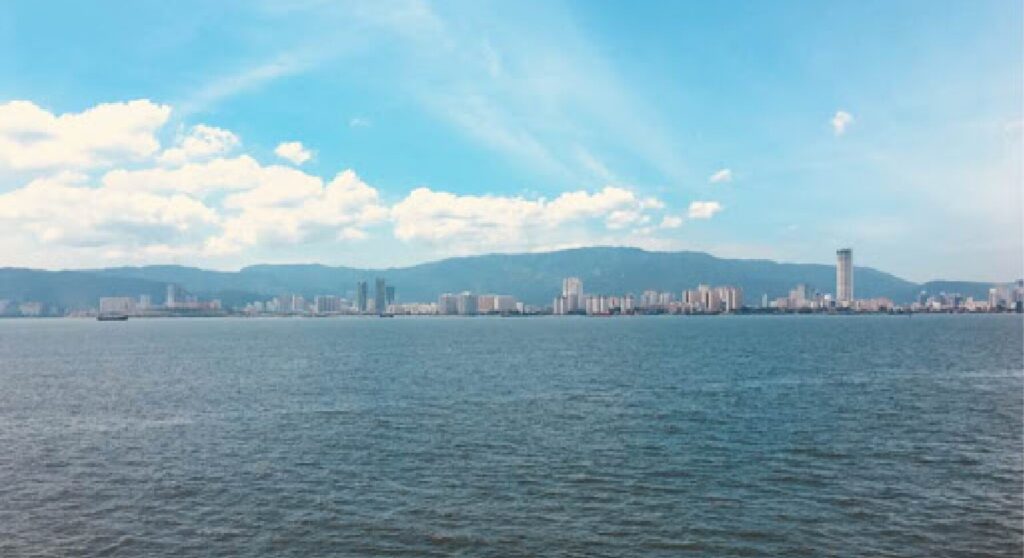
Penang carries traces of a port town.
The sea is close. The humidity is high. Smells stay in place.
Walking through George Town, I notice spices before I notice history.
A pot simmering in the back of a shop. A thin film of oil. The sweetness of burnt onions.
These details enter the body first.
Malaysian food often feels less like a refined cuisine and more like a form that remained because it fit the environment.
Heat, movement, long nights.
Meals and drinks were combined on top of those conditions.
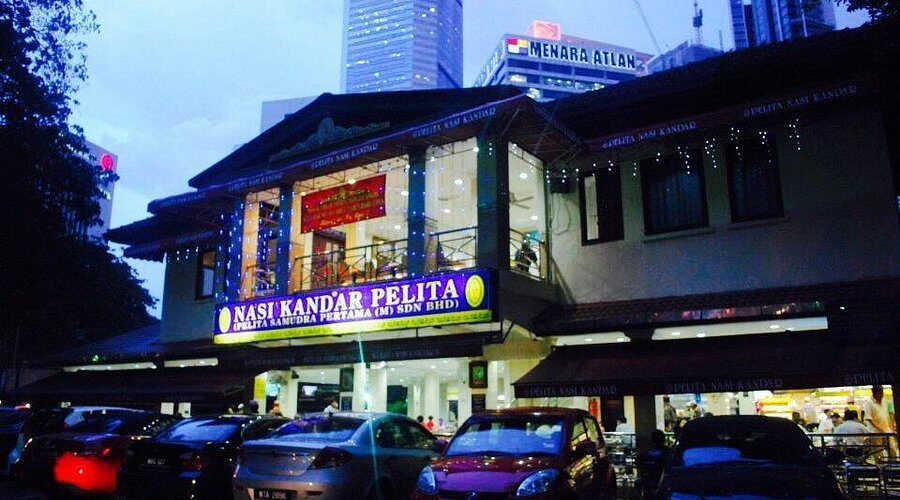
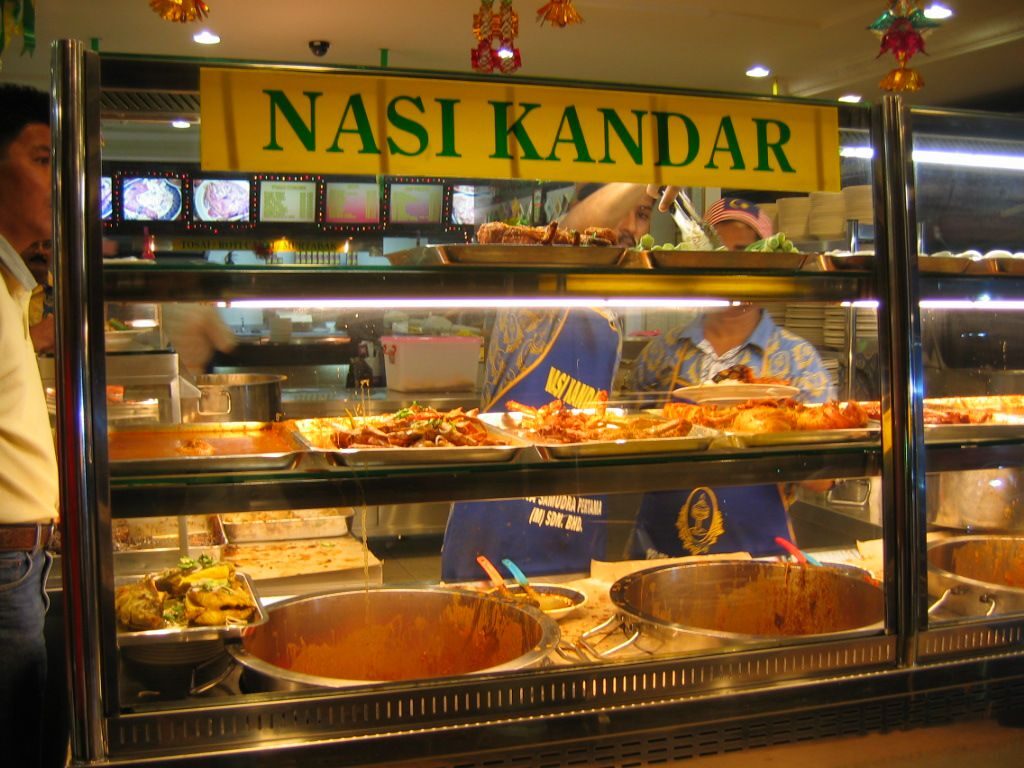
Nasi kandar.
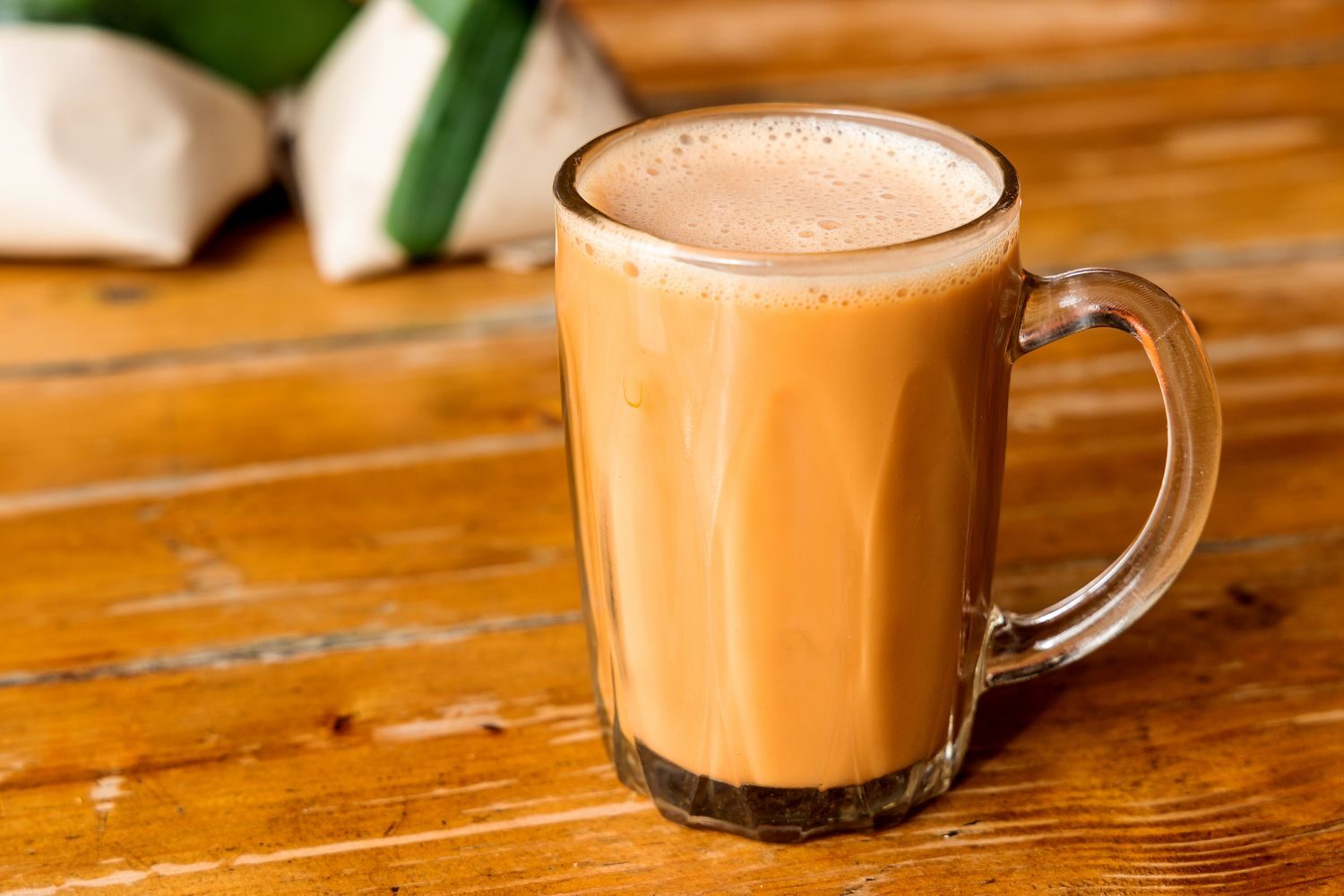
Teh tarik.
And the mamak.
When I trace what supports the country’s daily life, the map keeps returning to Penang.
Men carried in by the wind
In the late eighteenth century, Penang was shaped into a British base and a working port.
This was the period when Francis Light cleared land and established George Town.
As trade through the strait increased, people arrived with it.
Tamil Muslims from South India were part of that flow.
They were sometimes called Chulias.
Some were merchants. Some worked around the docks.
Barbers, spice sellers, and men who took whatever small jobs existed.
They crossed the sea for practical reasons.
There was work. Money moved. There was a chance to eat.
What they brought was not only religion.
They carried habits of food as well.
The use of oil. Layers of spice. The handling of sweetness.
And designs meant to fill the stomach quickly.
Later, these things are called culture.
At the beginning, they were closer to tools.
The port decides the taste
A port makes life rough.
Time becomes irregular. The body is worn down. Meals are pushed aside.
Penang is also hot.
In a humid climate, food spoils quickly.
It becomes more practical to keep flavors strong and turnover high than to keep things delicate.
So the taste grows heavier.
More oil.
Thicker spice.
This looks less like a search for intensity and more like a technique shaped by preservation and labor.
Port food does not need to be gentle.
The priority is to keep moving.

A plate that began with a shoulder pole
The name nasi kandar keeps its own origin like a brief résumé.
Nasi is rice.
Kandar refers to carrying with a shoulder pole.
The shop did not come first.
The method of carrying did.
Rice and curry.
Fast, filling, and built as fuel for a sweating body.
Pots were hung from both ends of a pole and carried to dockworkers.
This is often described as the starting form.
Today, the same meal sits in large metal trays behind glass, stacked like a stainless landscape.
But the structure has not changed much.
Rice is served. Side dishes are chosen. Sauce is poured at the end.
It is not a dish that feels complete by itself.
Its state is decided on the plate.
Several curries mix. Borders disappear.
The taste is not organized.
Only density remains.
The fact that this disorder is treated as the correct form shows a kind of port logic.

Pulled tea as a lubricant
If there is fuel, a drink is needed as well.
Something that moistens the throat, clears the head, and extends work a little longer.
Teh tarik plays that role.
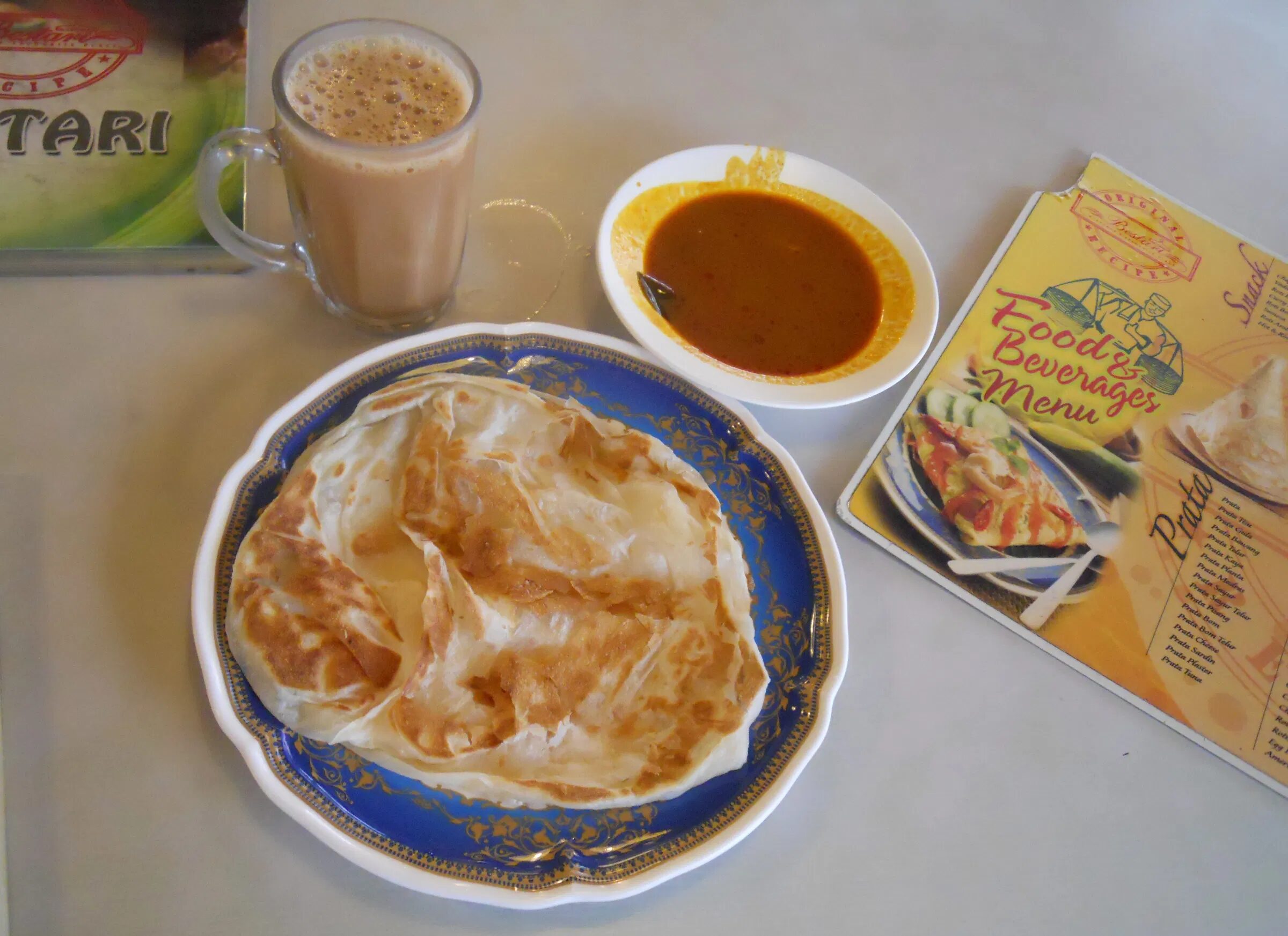
Black tea is mixed with sweetened condensed milk, then pulled until foam forms.
It arrives in a clear glass, a brown liquid with a thin layer of bubbles on the surface.
It is sweet, but it does not feel strangely heavy.
When the body is tired, it goes in without resistance.
This is not tea from a tea-growing country.
It is port tea.
Cheap leaves.
Condensed milk that keeps.
A method that mixes, cools, and adds air.
The pulling motion is not a performance.
It is an industrial step.
It evens out the milk at the bottom.
It lowers the temperature to something drinkable.
It creates foam and softens the mouthfeel.
The result is a sweet liquid that remains easy to drink.
Less a luxury than fuel for the night.
Settling into the place called mamak
As time moved on, port labor changed.
Street selling became harder. Stalls increased. Shops appeared.
From roadside to storefront.
From under an eave to under a roof.
And then into a twenty-four-hour canteen.
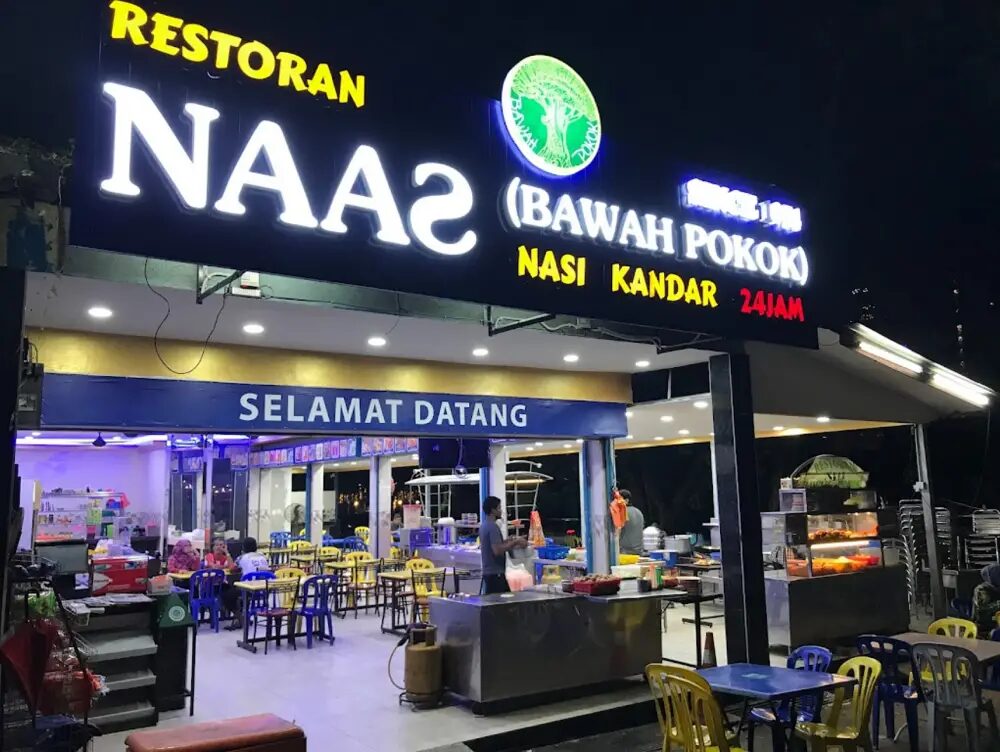
What remained was the format called mamak.
The word is said to come from a Tamil term for an uncle.
It first referred to Indian Muslim communities, and later to the eateries they ran.
Not Malay food.
Not Indian food.
Not Chinese.
But all of it mixed.
A mamak is less a genre of cooking and more an urban utility.
It stays open late.
It is cheap, fast, and anyone can sit.
Plastic chairs.
Stainless tables.
White fluorescent light above.
That combination supports the country’s nights.
Everyone becomes Boss
Mamak spaces have a small shared vocabulary.
Customers call the staff Boss.
Staff call customers Boss.
Sometimes they say Ane.
It is not polite, and not rude.
It blurs hierarchy and reduces friction.
In a multiethnic country, language, religion, and background do not match.
To keep a place moving, short common words work better than careful explanation.
Boss.
With that, the order begins.
No one becomes important here.
They are simply treated as a customer.
The equality of a mamak does not look ideological.
It looks operational.

Roti and curry as the smallest unit
The menu is long.
Nasi goreng. Mee goreng. Sometimes nasi kandar.
Skewers, fried snacks, sweet pastries.
But the strongest unit, when you do not want to think, is roti and curry.
Roti canai.
Dough is stretched thin, folded, and layered with oil.
It is cooked on a flat griddle and served with curry.
This is closer to hand movement than to a composed dish.
Tear, dip, eat.
It works without a spoon.
In a country with long nights, this kind of eating remains.
If a meal becomes a ritual, it does not last.
A mamak is a format built to continue.
The port remains as a thin residue
Penang still has old nasi kandar shops.
There are chains now.
There are places built for tourists.
The forms change, but the center stays similar.
Mixing on the plate.
Foam moving through the night.
The night continuing.
The foam in teh tarik feels light.
But that lightness is not accidental.
It comes from mixing, cooling, and adding air.
A result left behind by port conditions.
The brown flood on the plate follows the same logic.
Mixing is faster than arranging.
Faster means higher turnover.
Turnover is what allows things to continue.
Sitting on a mamak chair, the logic reaches the body first.
This is less a national cuisine than a shape made by port life.
What began in Penang still turns in Kuala Lumpur in the same way.
Under fluorescent light, with someone calling Boss.
And then the sweet foam is drunk.
That alone makes the outline of the country feel slightly clearer.