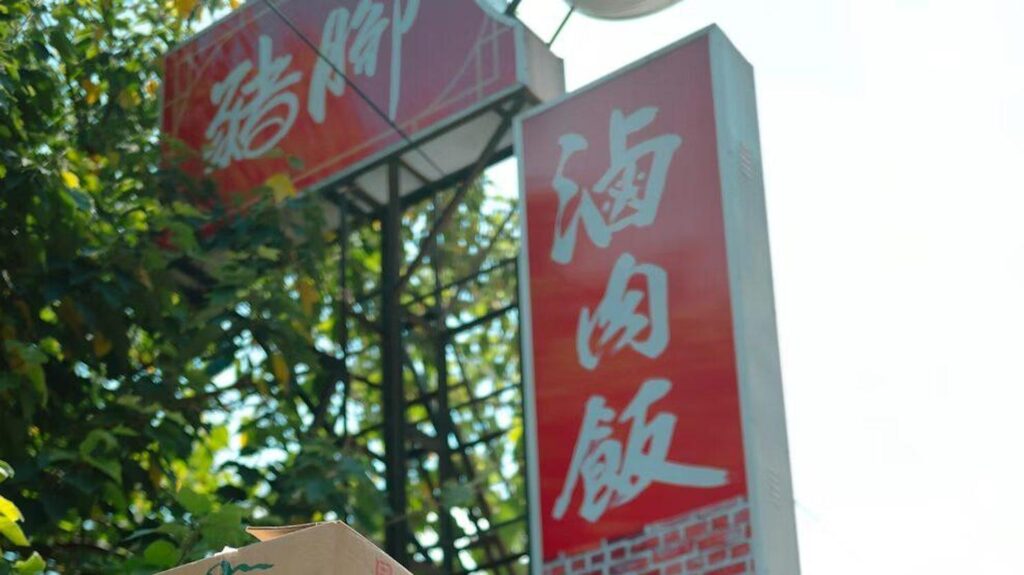
GIANT as a partner
Across the world, shared bicycle systems rarely lasted.
In China and in parts of Europe, a brief boom was followed by silence.
What remained were bicycle graveyards.
Frames fell over.
Parts broke.
No one came to manage them.
They accumulated at the edges of the city.
Seen against that background, Taiwan looks slightly different.
YouBike did not achieve spectacular success.
It simply continues to be used.
Ordinarily.
Every day.
Among many failures, Taiwan appears to have held on.
Design offered one answer
YouBike did not choose to maximize freedom.
It rejected free-floating return.
Bicycles must be brought back to docks.
By accepting a degree of constraint,
the system preserved order in the street.
That decision clearly allowed YouBike
to function as a public object.
But design alone is not enough
to remain in a city for long.
Before systems failed, objects failed
Many shared bicycle projects ended
for reasons that were more physical.
They broke.
They were not repaired.
Discarding them was cheaper than fixing them.
No matter how carefully rules were written,
if the bicycles themselves became unusable within months,
the system collapsed before it could operate.
The true nature of those graveyards
was not ideological failure,
but piles of scrap metal.
To understand why YouBike survived,
the next question is simple.
What, exactly, was riding through the city?
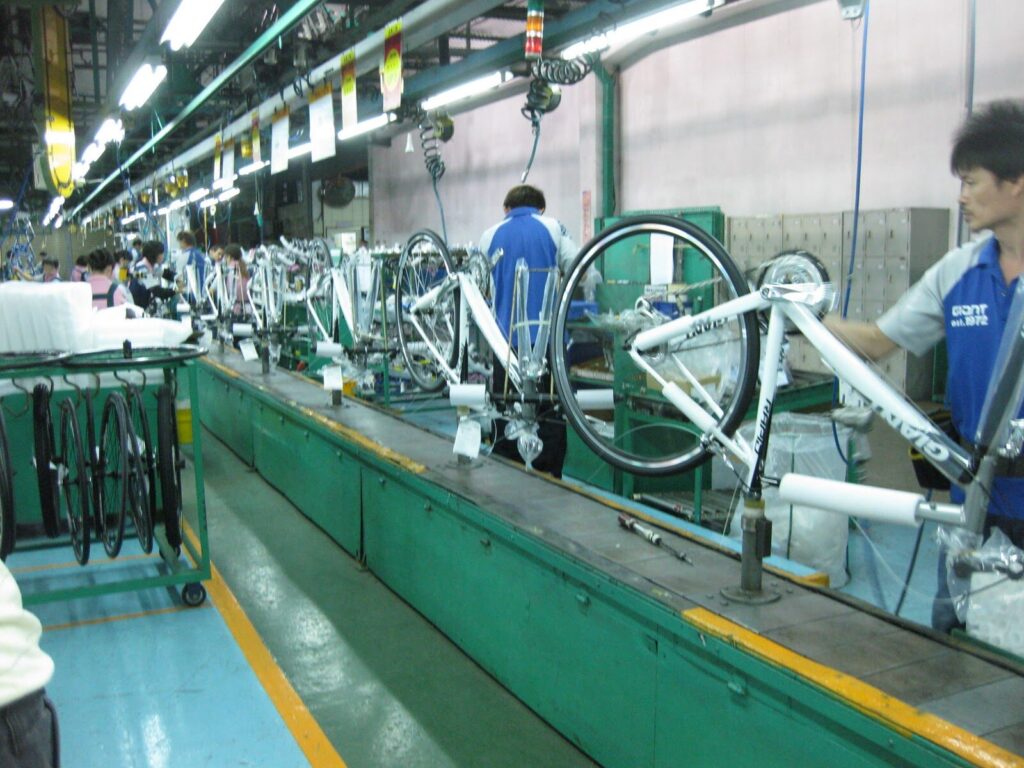
YouBike was built by a bicycle maker
The foundation of YouBike was not an IT company.
It was GIANT,
the world’s largest bicycle manufacturer.
GIANT treated shared bicycles
not as an app or a service,
but as bicycles.
They assumed the conditions from the start.
Many riders each day.
Constant exposure to rain.
Rough handling.
None of this was unexpected.
Choosing overengineering
By shared-use standards,
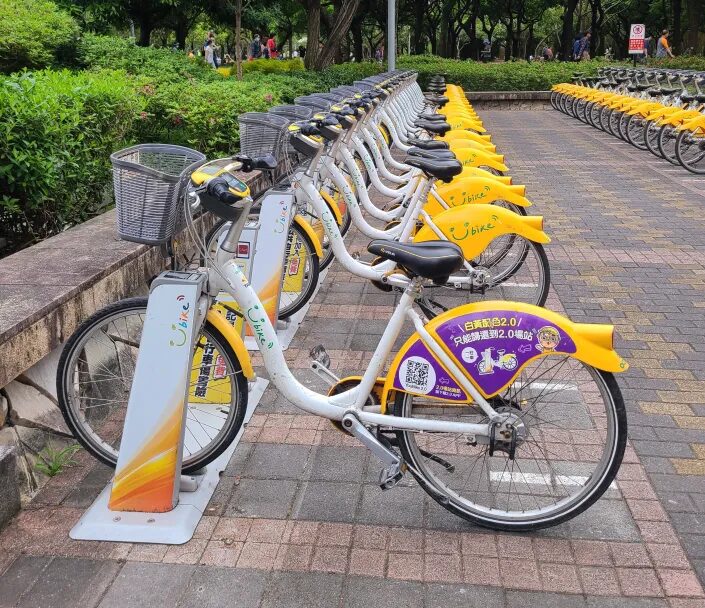
YouBike bicycles are clearly overbuilt.
The frames are heavy and rigid.
The components are simple, but durable.
Saddles and lights are not minimal,
but sufficient.
They are not fast.
They are not light.
But even after dozens of riders each day,
they do not break easily.
That assumption changed everything.
Durability becomes economy over time
Cheap bicycles reduce initial costs.
They also fail quickly.
They must be repaired.
Collected.
Replaced.
Repeated over time,
this becomes the most expensive option.
YouBike chose longevity from the beginning.
Bicycles that run for years
ultimately reduce operational costs.
This logic runs counter
to technology models built on quick returns.
A structure that resists neglect
GIANT’s involvement created another condition.
Every YouBike on the street
carries the GIANT name.
If a bicycle rusts,
breaks,
or is abandoned,
it becomes moving negative advertising.
It is both a public object
and a visible extension of the brand.
Carelessness is not an option.
Quality is ensured
not by goodwill,
but by structure.

Design thinking takes physical form
The dock-based system was a matter of policy.
But policy cannot override physics.
No matter how well rules are designed,
if bicycles fail, everything ends.
One reason YouBike endured
is that its ideas
were translated into steel and rubber.
Because the bicycles resist breaking,
they can be repaired.
Because they can be repaired,
they return to the street.
And so,
they remain part of the city.