Why the mornings in Taiwan begin with something warm and white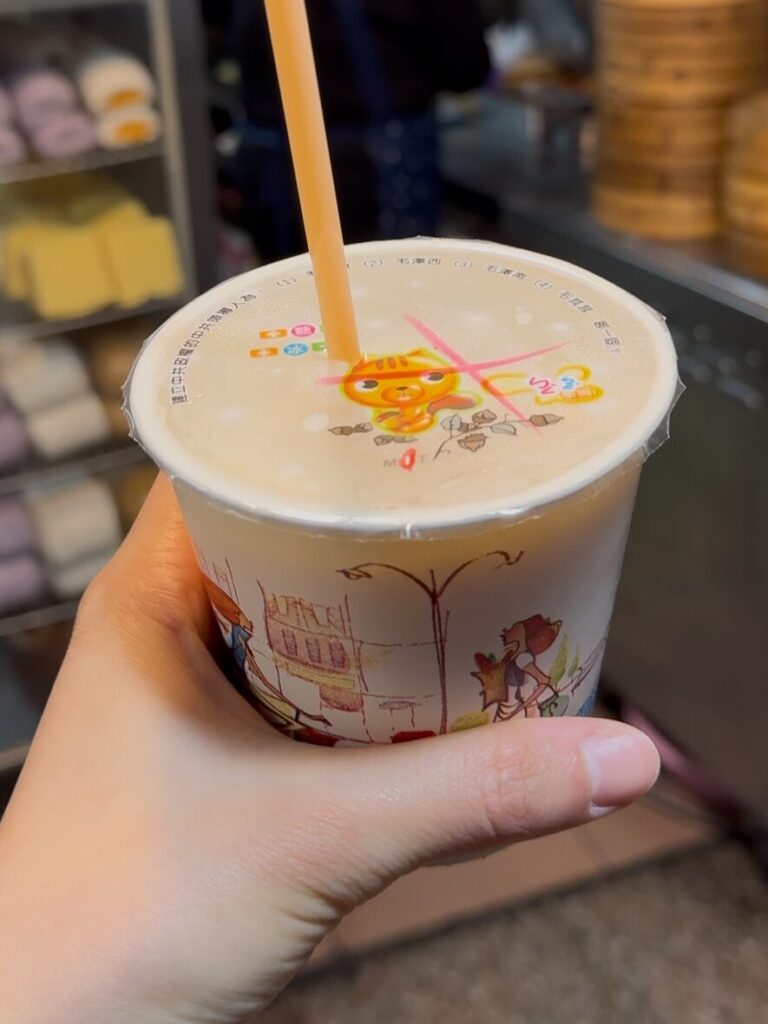
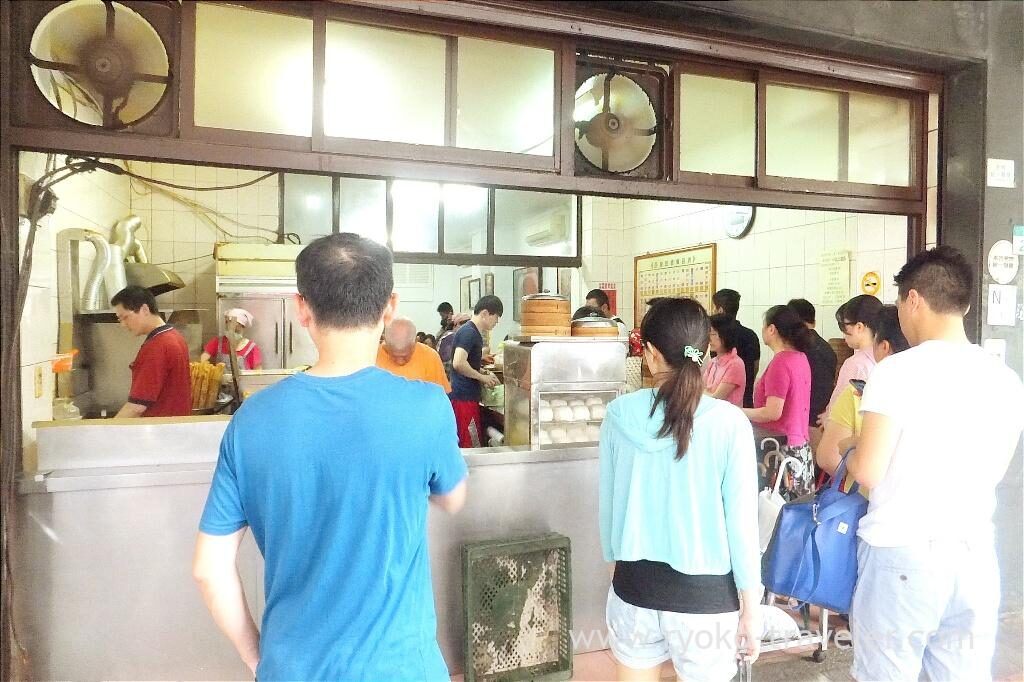
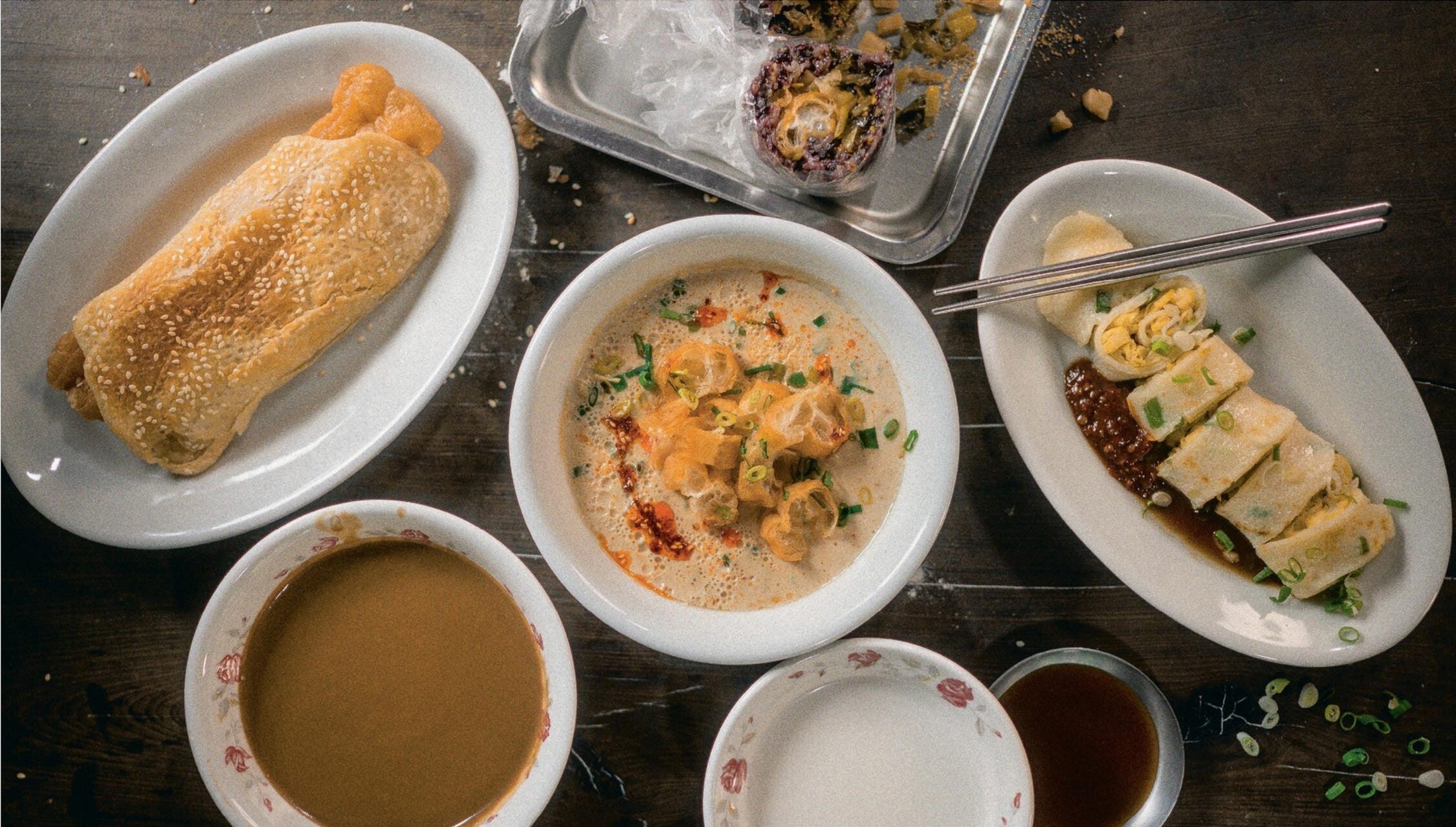
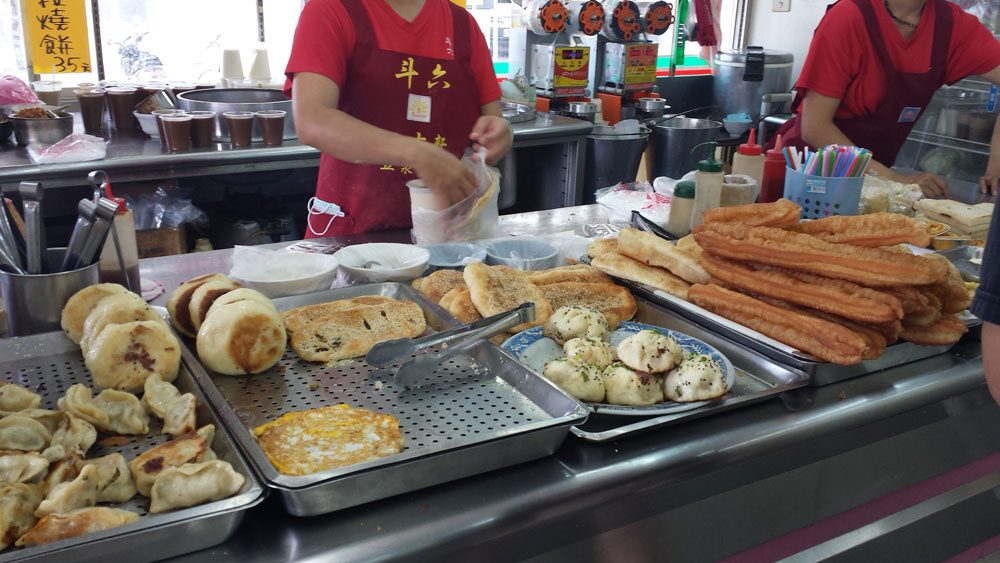
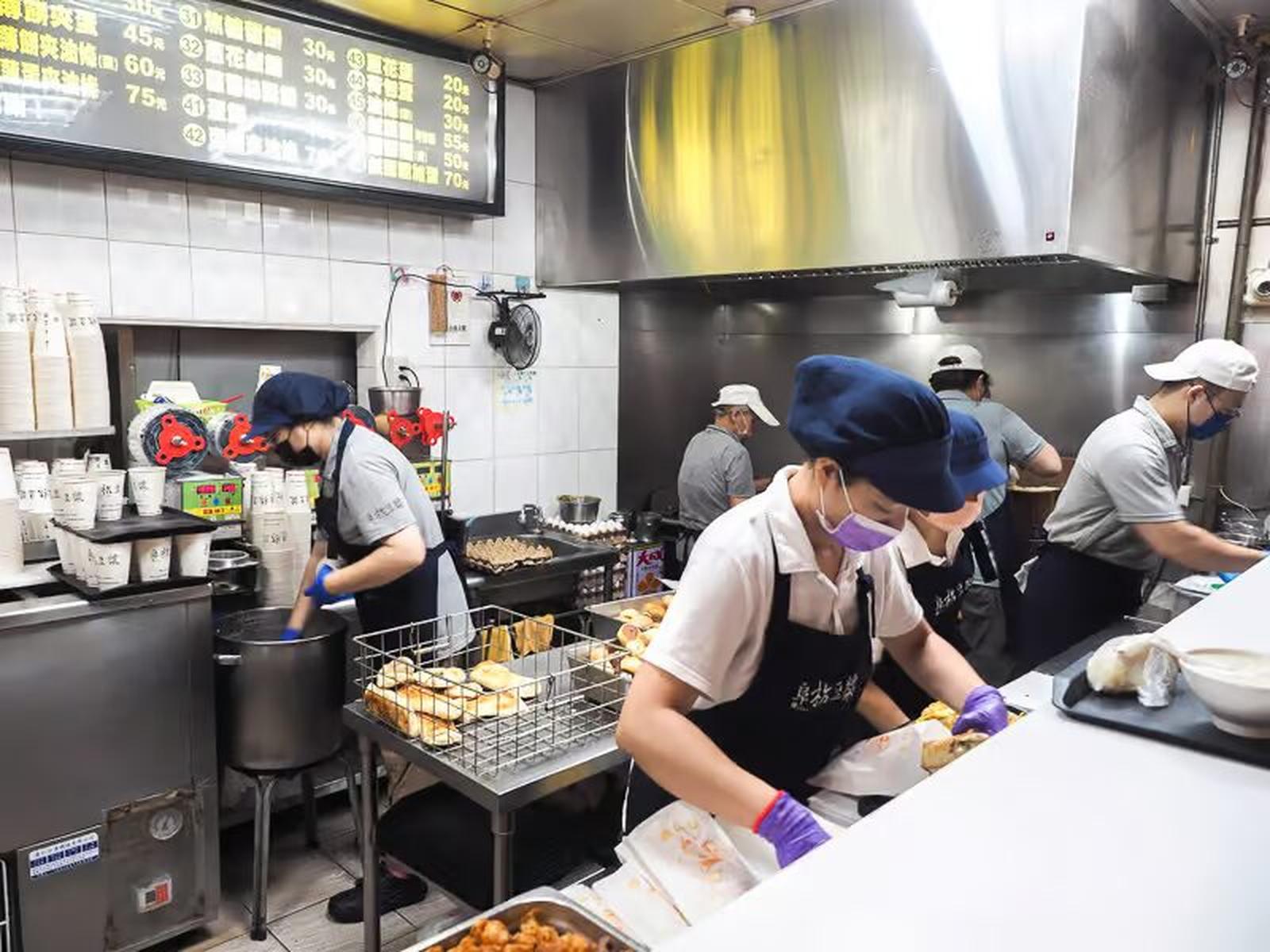
Behind the counter, a large pot holds a white liquid. On the iron griddle, the skin of a savory egg crepe (dan bing) pops and hisses. The smell of frying oil drifts past the entrance and out into the street. Customers walk in and order without deliberating. One sweet soy milk (tian dou jiang), they say, and that is all.
What Arrives in the Cup
When one orders tian dou jiang at a Taiwanese breakfast shop, what arrives is a white, sweet liquid with a generous amount of dissolved sugar. It is a different thing entirely from the unsweetened soy milk sold in Japanese supermarkets under the banner of health. This is tian dou jiang, the sweet variety, and it functions as the default condition of a Taiwanese morning. It is not an accompaniment to the meal. It is the medium through which the solid food passes. The shaobing, the dan bing, the oil-fried strips of dough — all of it needs to be carried down the throat. Tian dou jiang is what carries it. A lubricant may be the precise word. It is the liquid designed to move the flour-based foods through the body.
The Year the Wheat Crossed the Water
Taiwan was, at its origin, an island of rice and congee. Then in 1949, the civil war on the Chinese mainland ended, and approximately two million people crossed the Taiwan Strait. Many of them came from northern regions where wheat — noodles, steamed buns, flatbreads — was the foundation of daily eating. What they carried with them as the taste of home was shaobing and youtiao: dough baked flat, or pulled and fried in oil. These foods contain almost no moisture. Attempting to swallow them without liquid is difficult; the throat resists. Soy milk was paired with them. It served as the liquid that transported dry solids to the stomach. The wheat mass and the soy liquid became, at that historical junction of 1949, an inseparable pair installed into the Taiwanese morning. It was also the year that a wheat-based breakfast took root in a rice island.
What the Soy Filled In
In postwar Taiwan, placing meat on the table every morning was not easy. Yet the body required protein. The labor was hard, and the day was long. Wheat provided sufficient calories, but it is critically deficient in lysine, one of the essential amino acids. No matter how much wheat one eats, it cannot alone build and sustain the body. Soy carries lysine in abundance — precisely what wheat lacks. When the two are combined, a flour-based solid and a soy-based liquid, the amino acid profile of the meal approaches, through plant sources only, something close to what meat provides. The combination of shaobing and tian dou jiang may be understood, before it is understood as a matter of taste, as a survival arrangement for an era without meat. Whether this was understood and intended at the time is not known. What is known is that the combination persisted.
Three Temperatures
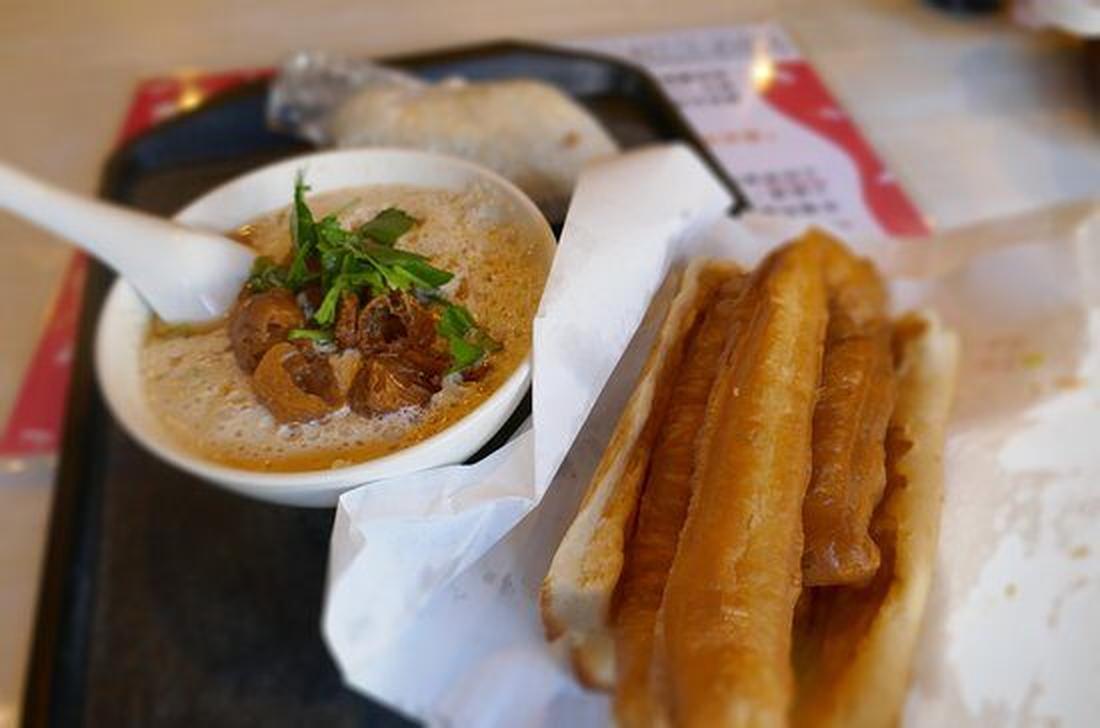
Tian dou jiang is served at three temperatures, and the choice is not incidental. Hot (re) arrives steaming, sometimes in a ceramic bowl, sometimes with a thin skin of yuba forming across the surface. It warms the stomach and starts the body that has not yet left sleep behind. This is the oldest form. Cold (bing) is refrigerated. It is chosen in the seasons when humidity is high and the body runs warm even in the early hours. A single sip draws the heat back from the neck. Room temperature (chang wen) is neither heated nor chilled. It is close to lukewarm. It is the most practical daily choice, the one that places no additional stress on the stomach or intestines. Some breakfast shops ask which temperature is preferred. Others produce room temperature without asking. There is no correct answer among the three. What the presence of the choice indicates, however, is that this liquid is not simply a drink. It is something one considers before consuming. The Taiwanese breakfast shop offers, in a small way, a moment to think about what the body needs before the day begins.
Sweetness as a Design Decision
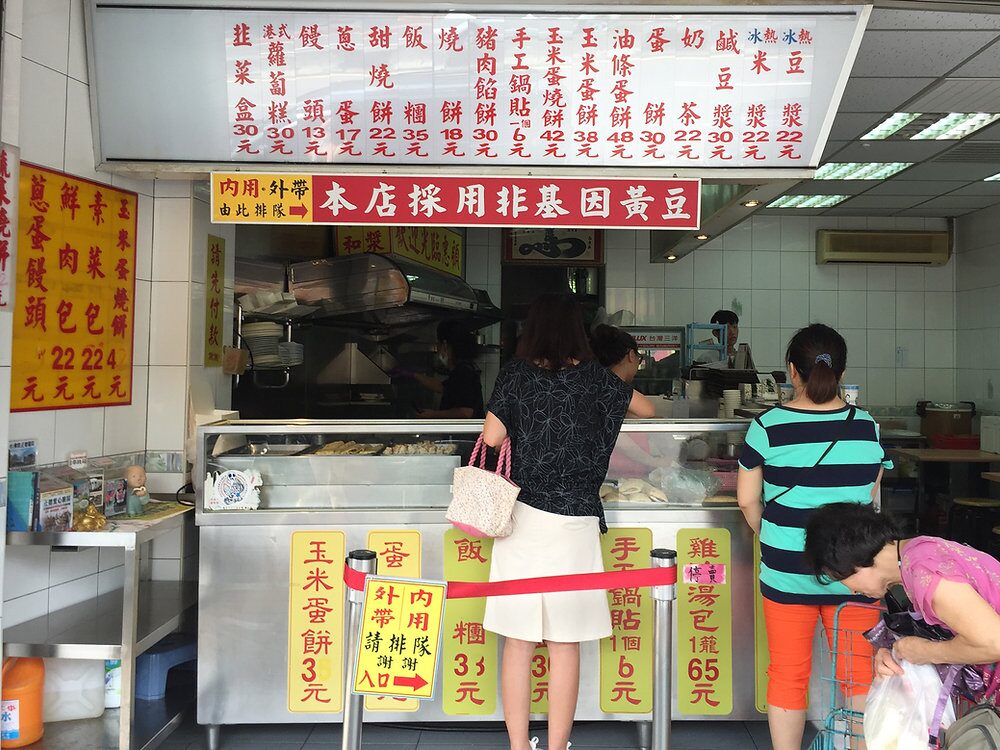
The default state of tian dou jiang is quan tang, full sugar, which means it is quite sweet. This sweetness does not exist solely for flavor. In a hot, humid environment, where the body must be set in motion from early morning, the sugar provides fast-acting energy. At the time of ordering, one may specify ban tang, half sugar, or wu tang, no sugar. The unsweetened version is called qing jiang, and what remains is only the taste of the soy itself. However, the design of this drink assumes sweetness as its premise. Shaobing, youtiao, dan bing — the foods arranged alongside it carry intense oil. To receive that oil, to manage it and move it onward, a liquid with both sweetness and plant protein is required. Without the sweetness, that capacity weakens. The full-sugar default may come not from preference but from function.
A Burnt Smell at the Back of the Throat
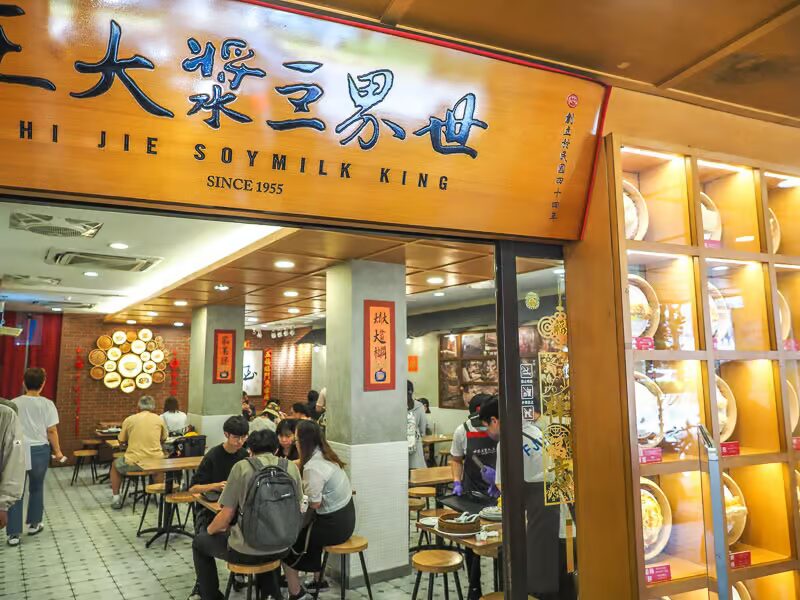
In old shops that carry signs like that of Yonghe Doujiang, one notices something after swallowing. A faint burnt smell returns from the back of the throat. This is not a defect. It is the result of an older method of production, in which large quantities of soybeans are boiled and a slight scorching at the bottom of the pot is permitted, even encouraged, so that a toasted quality moves into the liquid. Locals call this flavor gu zao wei — the taste of old times. A sweet liquid tends toward monotony. A layer of smoky bitterness introduced at the end gives the drink an aftertaste, something that stays. This depth cannot be produced by uniformly managed factory soy milk. It comes from inconsistency, from the variation that industrial processes eliminate. Some people seek it out and return to older shops for it.
Oil Dissolved, Mouth Reset
Taiwanese breakfast is made of oil and flour. Shaobing, youtiao, dan bing, fantuan — nearly every item on the menu is fried, or flour-based, or both. The food is dense and dry, and the oil is strong. After eating through it, a coating of fat settles across the mouth. Tian dou jiang acts against this condition. Hot tian dou jiang dissolves the oil in the mouth as it flows toward the stomach. Cold tian dou jiang washes the oil away in an instant and restores sensation. Plain water cannot manage this oil. A bitter tea is not sufficient. It is because this liquid carries plant protein and a firm sweetness that it is able to envelop the heavy oil of the morning meal. Tian dou jiang, in this sense, sustains the second half of breakfast.
The Container Decides How the Morning Is Spent
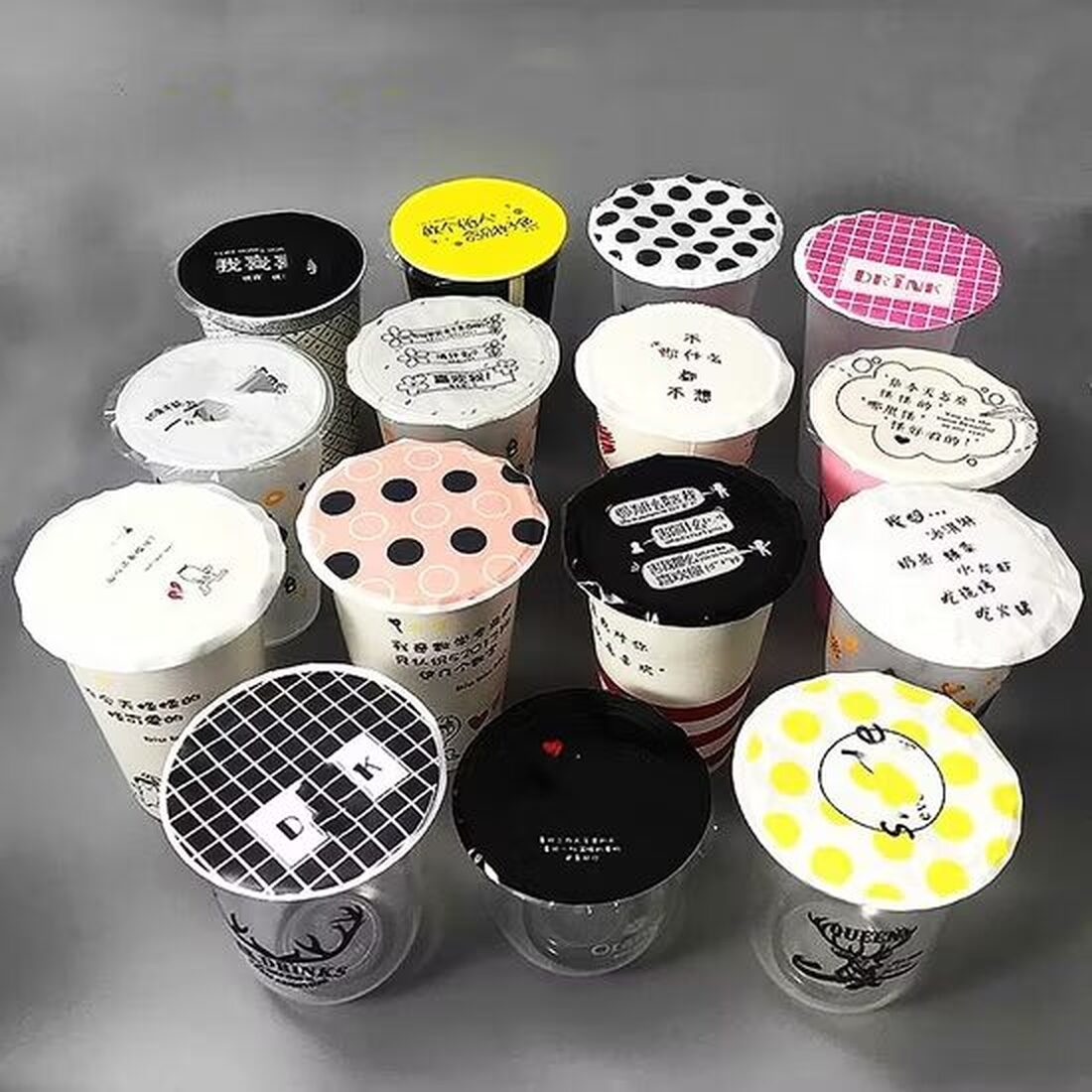
Temperature is not the only variable. The container determines how the drink is consumed. When hot tian dou jiang arrives in a ceramic bowl, the act of drinking becomes something done with both hands, something seated. One holds the warmth, receives the steam across the face, and brings the bowl slowly to the lips. Cold tian dou jiang, in most cases, is poured into a plastic cup and sealed completely across the top with a film of plastic. The sealing exists so the cup does not spill on a moving motorcycle. Given the number of motorcycles on the streets of Taiwan in the early morning, this design choice is immediately understood. A thick straw is driven through the film with a short, clean sound. That sound is the signal that another person has begun their day in transit, eating while moving through the city. The ceramic bowl is for sitting. The sealed cup is for riding. The container chosen tells something about what the morning will require.
The White Liquid That Powers the City
Tian dou jiang is not simply a sweet soy drink. It is the result of slow adjustment to the climate of Taiwan, to the oil density of its breakfast foods, to the speed of its cities. The sweetness, the three temperatures, the film-sealed cup — each element is a response to conditions that existed before it. This morning, as on every morning, an uncountable number of straws are pushed through plastic film, and the sweet white liquid moves into the bodies of the city’s people. It is the most basic fuel there is. It is what keeps Taiwan moving.