A black cookie beside the salt-and-pepper chicken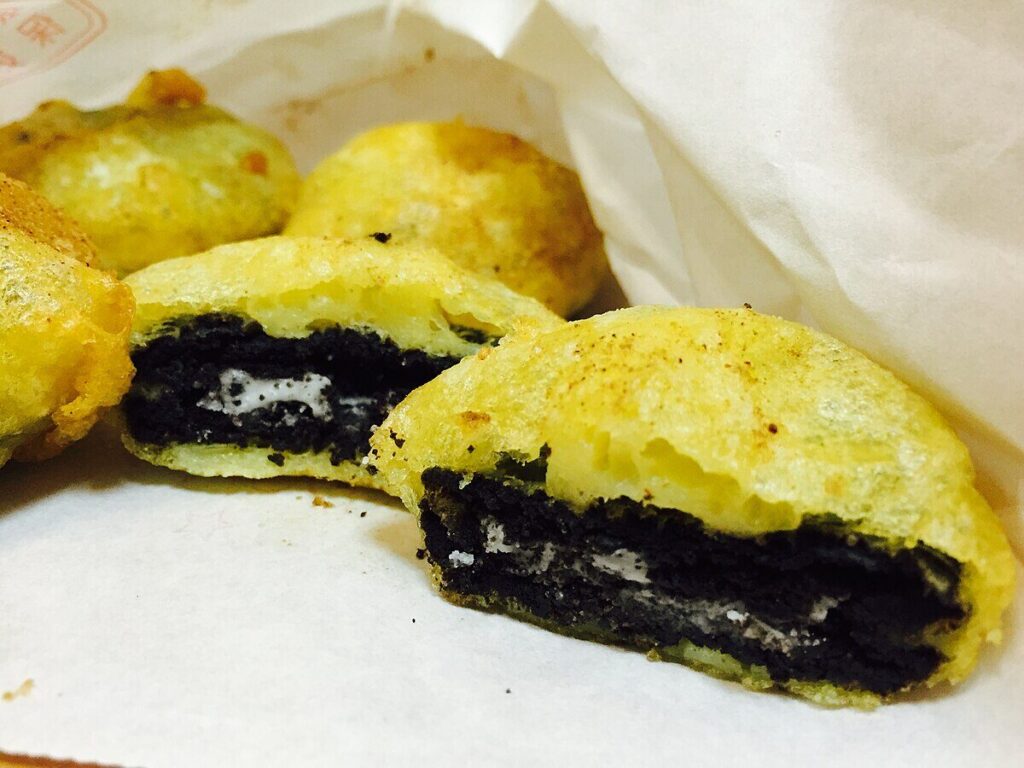
This piece begins with fried Oreos, sold in Taiwanese night markets, most often beside salt-and-pepper chicken.
While watching a stall prepare fried snacks, something familiar enters the edge of view.
Not basil. Not squid. Not chicken skin.
Black, round, patterned.
An Oreo.
At first it seems like a mistake.
But the menu does list OREO, printed without hesitation.
A cookie among deep-fried foods.
This is where a visitor’s understanding pauses.
The idea of frying something sweet
This item is simple.
An Oreo is wrapped in batter and lowered into oil.
It is not crushed or split.
It goes in whole.
The batter is neither thick nor thin.
When lifted, the outside turns a pale gold.
Break it open and the black cookie appears, with white cream softened by heat.
The cream no longer holds its original shape.
The cookie is no longer crisp. It is closer to soft.
This is not a dish that enhances the cookie.
It breaks it once, then places it elsewhere.
Reading it through the salt-and-pepper chicken stall
What matters is where it is sold.
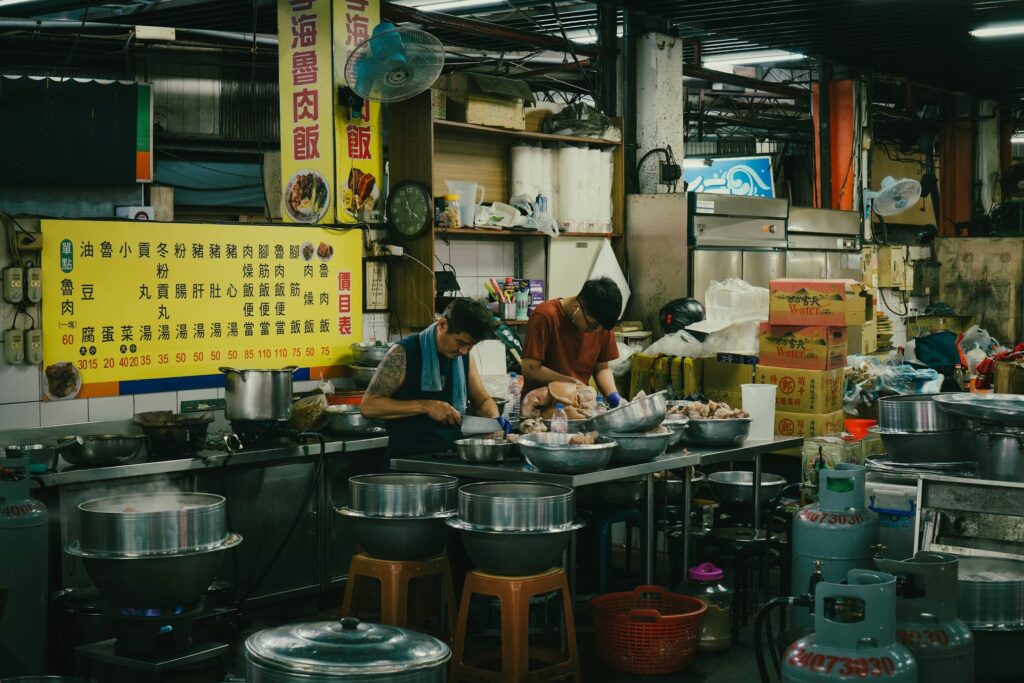
This is not a dessert shop.
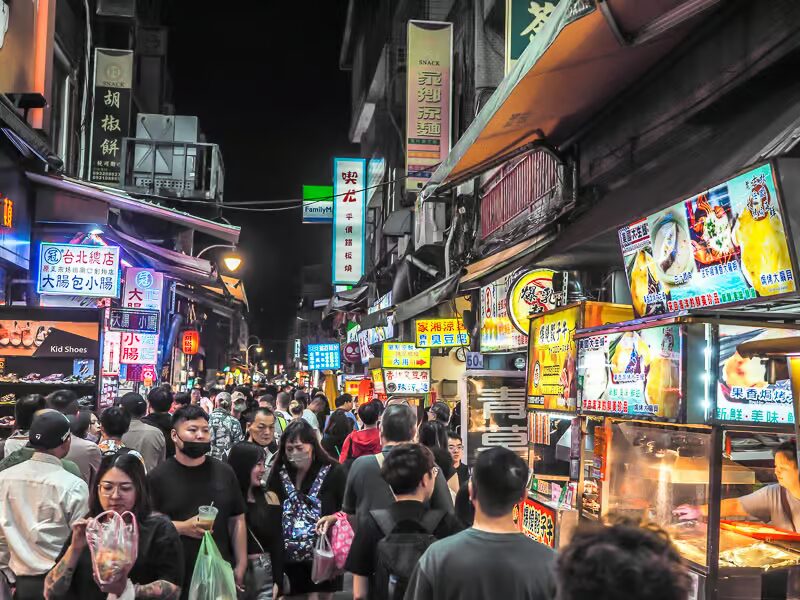
It sits among chicken, king oyster mushrooms, sweet potato, green beans, and fish cakes.
Everything here belongs to salt, pepper, and oil.
Placed in this context, the fried cookie stops being dessert.
It becomes an interruption during eating.
A device that cuts the flow of taste.
In Taiwanese night markets, the lines between sweet and savory, meal and snack, are not strict.
Everything is fried in the same oil.
Everything goes into the same paper bag.
Everything is eaten at the same pace.
At that point, the cookie becomes part of the stall.
Heat outside, collapse inside
Bring it close and there is a faint smell of garlic and basil.
The oil has memory.
Bite in.
The batter breaks first.
Heat follows.
The inside gives way sooner than expected.
The cookie still has form, but little resistance.
The cream flows.
Everything merges.
It is not crisp.
It is not Q.
It is closer to something half-melted.
This incompleteness feels deliberate.
Rather than aiming for finish, it lingers in transition.
Why an Oreo, of all things
There are easier sweets to fry.
Banana. Taro. Rice cakes.
The reason this one appears is likely simple.
Everyone knows it.
The taste can be imagined instantly.
And then that image is denied.
Taiwanese street food often works in this gap.
Between expectation and outcome.
This item is less about taste than about a moment of hesitation.
The color black at the night market
One more detail matters.
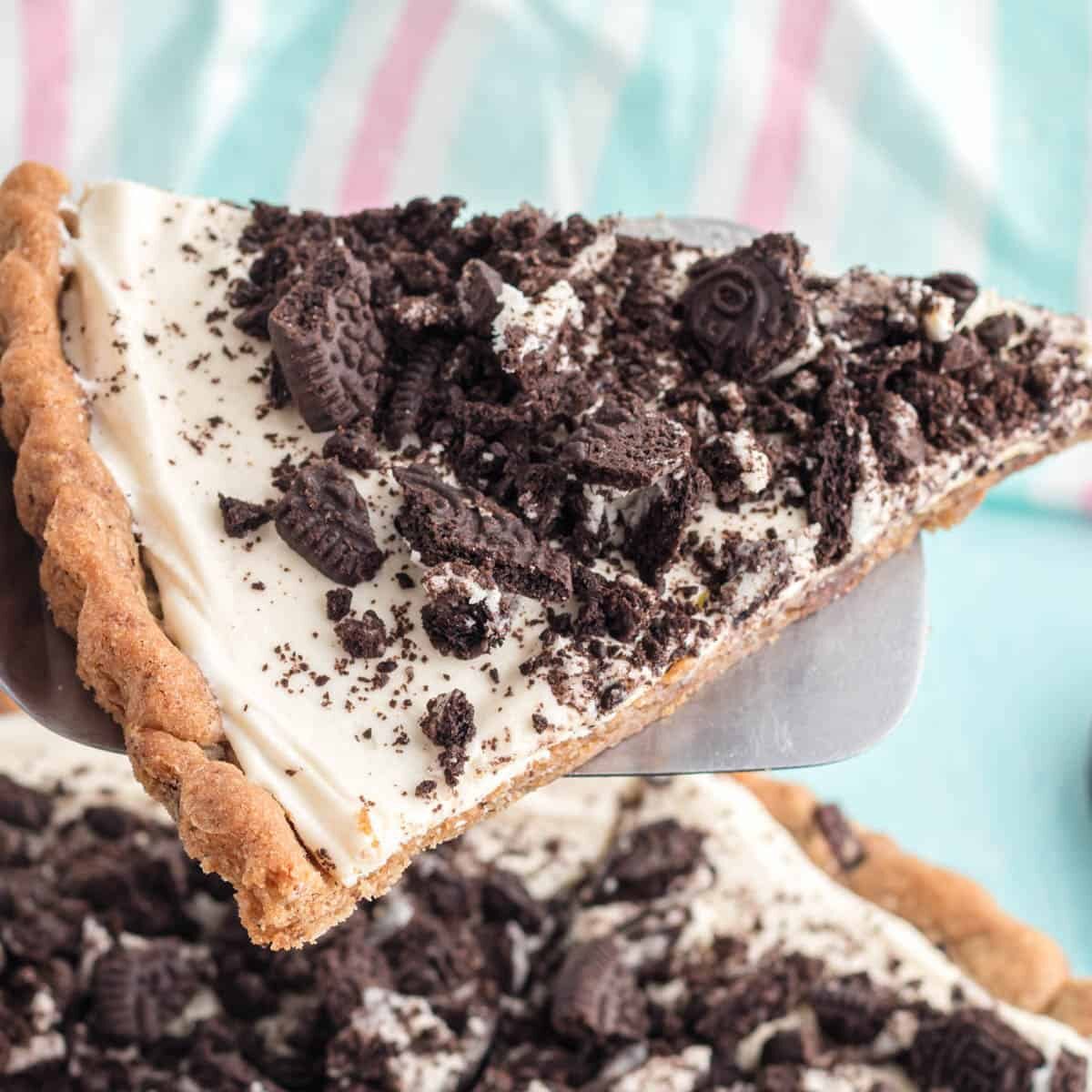
Inside the display case, it is visibly black.
This stands out.
Among pale and brown fried foods, the color acts as a signal.
Black stops the eye.
It makes people pause.
Night markets are not only about flavor.
They are about attention.
In that sense, this choice is practical.
No longer a cookie
Once fried, it leaves the snack shelf.
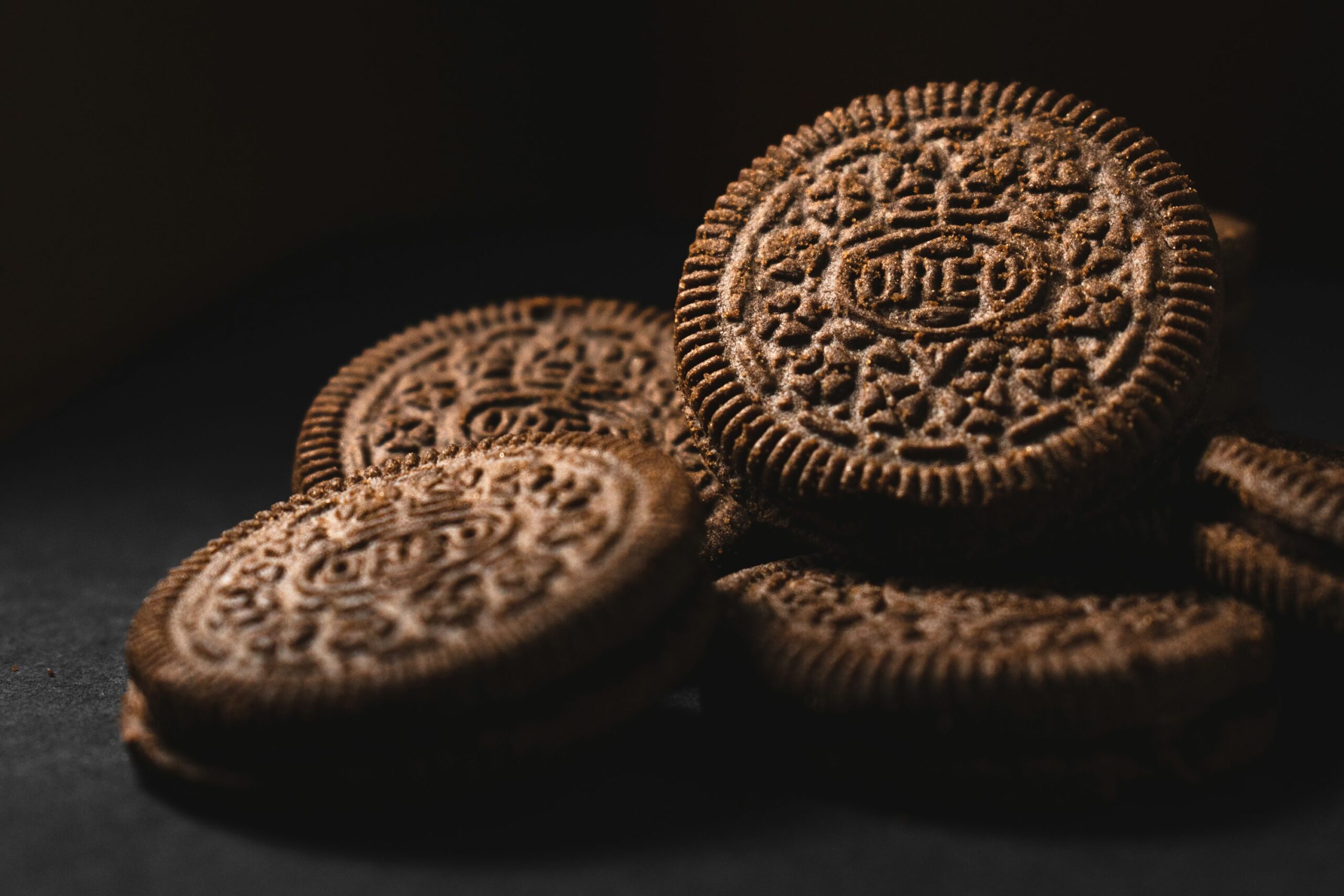
It is no longer a branded cookie.
It becomes one ingredient among many.
Not flour-based.
Not Q.
Not dessert.
Not a centerpiece.
Just a dark mass that has passed through oil.
Seeing it there, surprise feels natural.
So does the thought that follows.
In this place, it could happen.
That quiet acceptance may be the most Taiwanese part of it.