Why One Bowl Speaks Louder Than the Other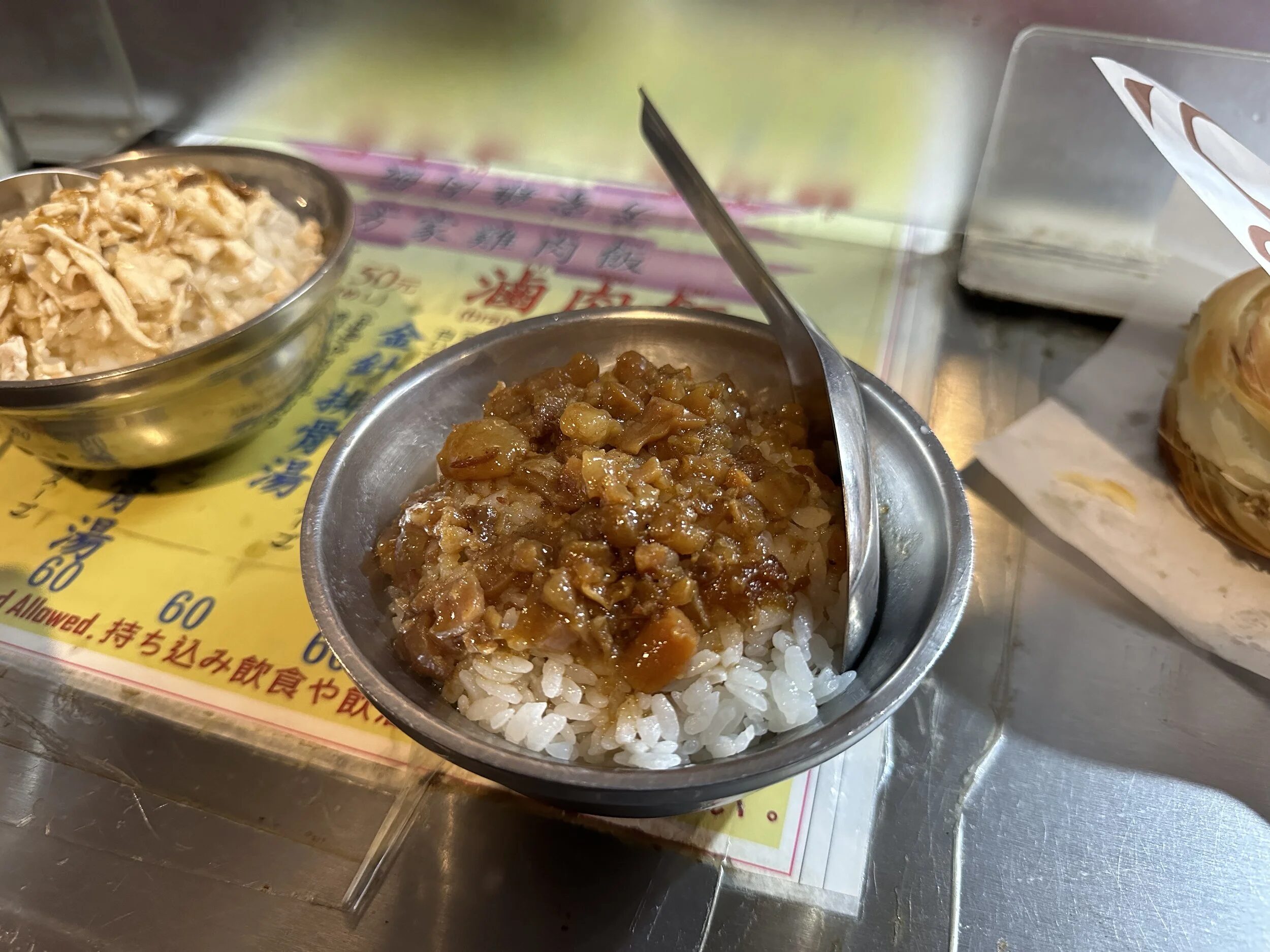
In Taiwan’s small-eats culture, two rice bowls appear again and again.
Braised pork rice (lu rou fan) and shredded chicken rice (ji rou fan).
Each is structurally simple. White rice, topped with meat. Nothing more elaborate than that.
They are found in stalls and dining halls alike. Everyday food.
Guidebooks often treat them as equivalents.
Menus place them side by side.
Yet walking through the city, entering shops, and watching what people order, I begin to sense a difference in temperature between the two.
One is frequently spoken of as a symbol of Taiwan.
The other is present, but quieter.
Why does one become the face, while the other remains subdued?
The difference seems less about intensity of flavor than about the clarity of each dish’s outline.
A Fixed Image Called Lu Rou Fan
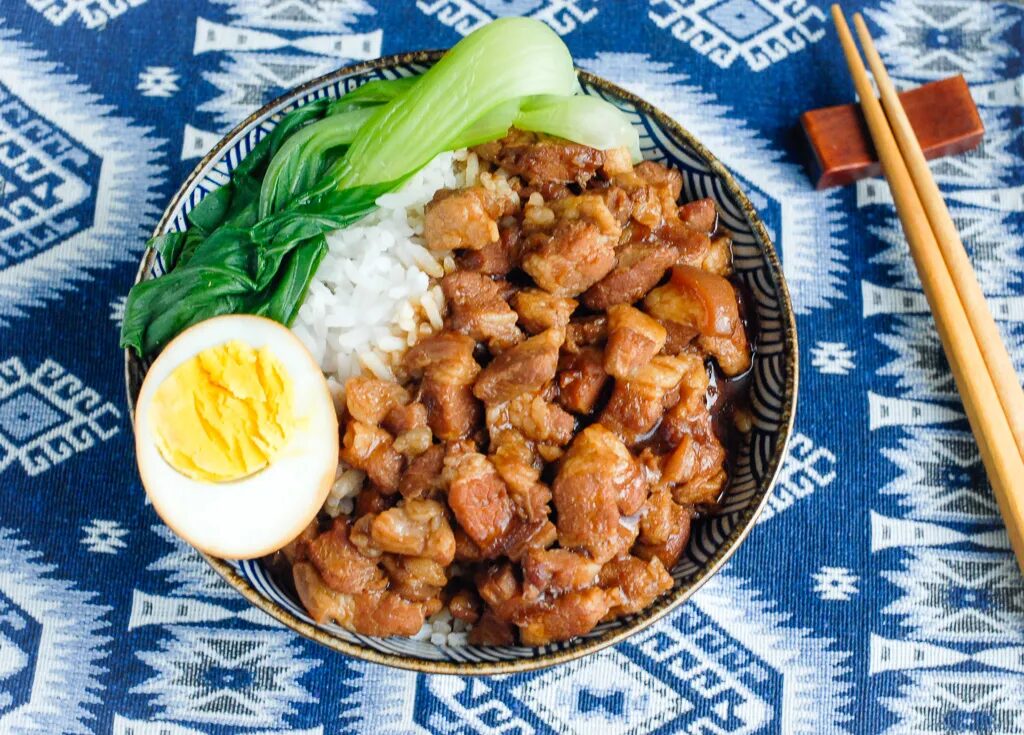
The origins of this pork bowl are often traced to a poorer era.
Precious meat was minced so it could be shared among family members.
It is simmered in a soy-based sauce.
Fat and sweetness sink into the rice.
Over time, this format became widely shared.
Few would question the definition: pork braised in soy-based sauce, poured over rice.
Whether in Taipei or Tainan, even if the flavor leans slightly differently, people tend to picture the same dish.
The image is firm.
It feels less like a recipe than an idea.
The Chain That Quietly Set a Standard
In the sharing of that outline, the presence of Hig Zhang Lu Rou Fan is not small.
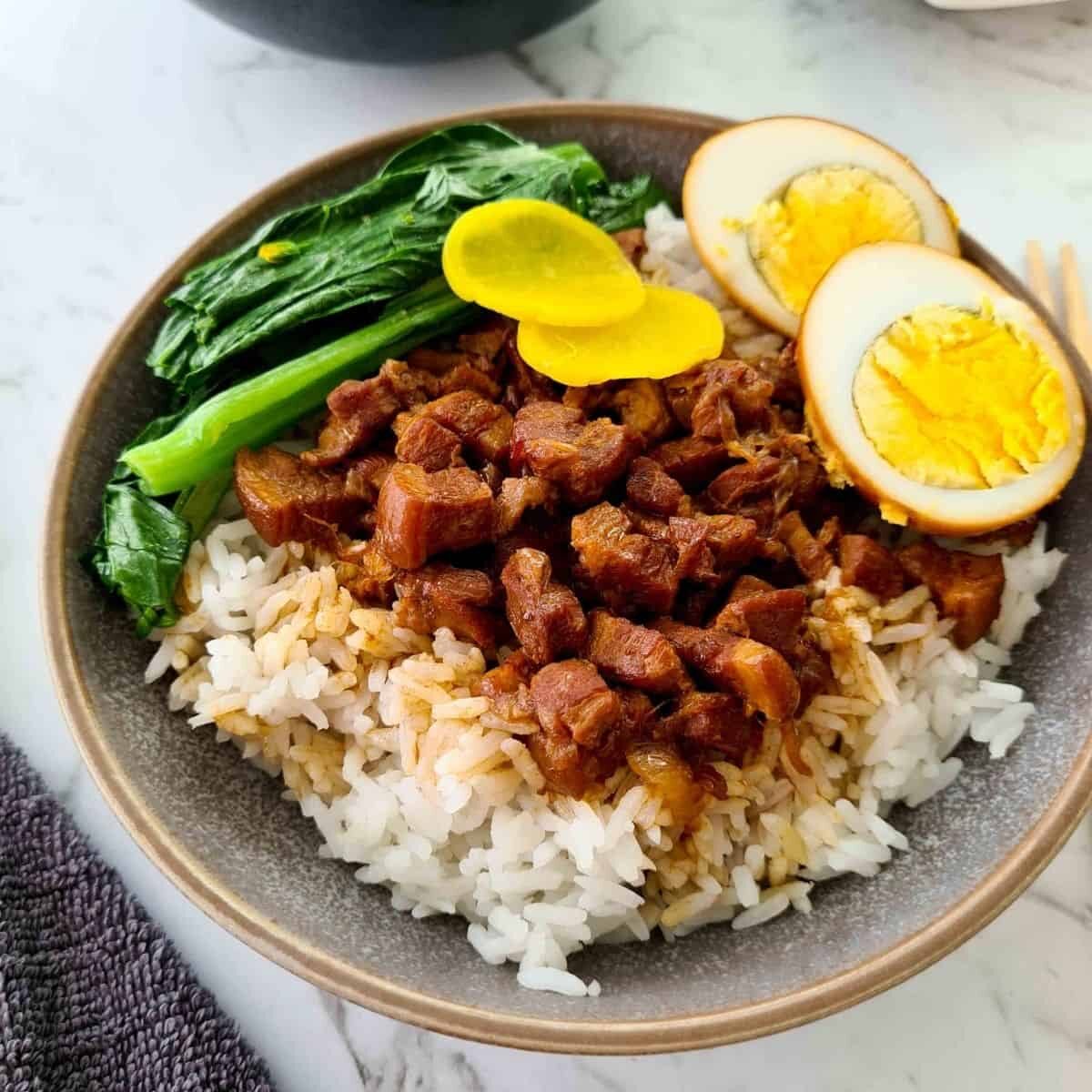
Inside the shop, under orderly lighting, a uniform bowl is presented.
Its appearance hardly shifts from branch to branch.
Much as Yoshinoya fixed the image of beef bowl in Japan, this chain offered a visual and sensory standard.
Logos, signs, and maintained interiors repeat across the city.
Through repetition, the dish moves beyond the realm of home cooking and becomes a commercial sign.
For travelers as well, this is often the form first imagined.
The outline grows darker, more defined.
The Unsteady Origins of Ji Rou Fan
The other bowl carries a more complicated beginning.
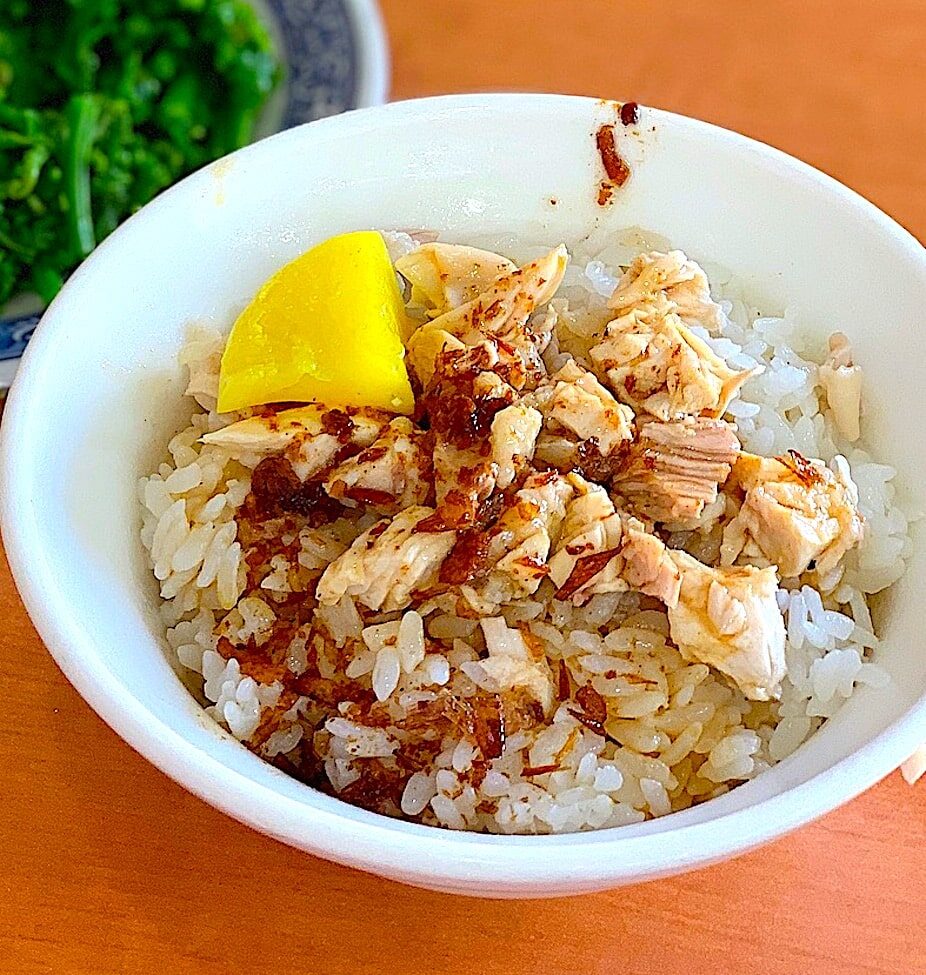
In the years of food scarcity after the war, turkey is said to have been used as a substitute for expensive chicken.
In Chiayi, often cited as the birthplace, turkey rice was common.
But as the dish moved north, circumstances shifted.
Turkeys are large. Distribution is not simple.
Many shops replaced them with chicken.
Here, a small tremor appears.
What exactly does this dish refer to?
Turkey or chicken?
Shredded meat or slices?
Each shop answers differently.
The definition never settles.
Only the dish spreads, quietly.
The Illusion of the “Chiayi Turkey Rice” Sign
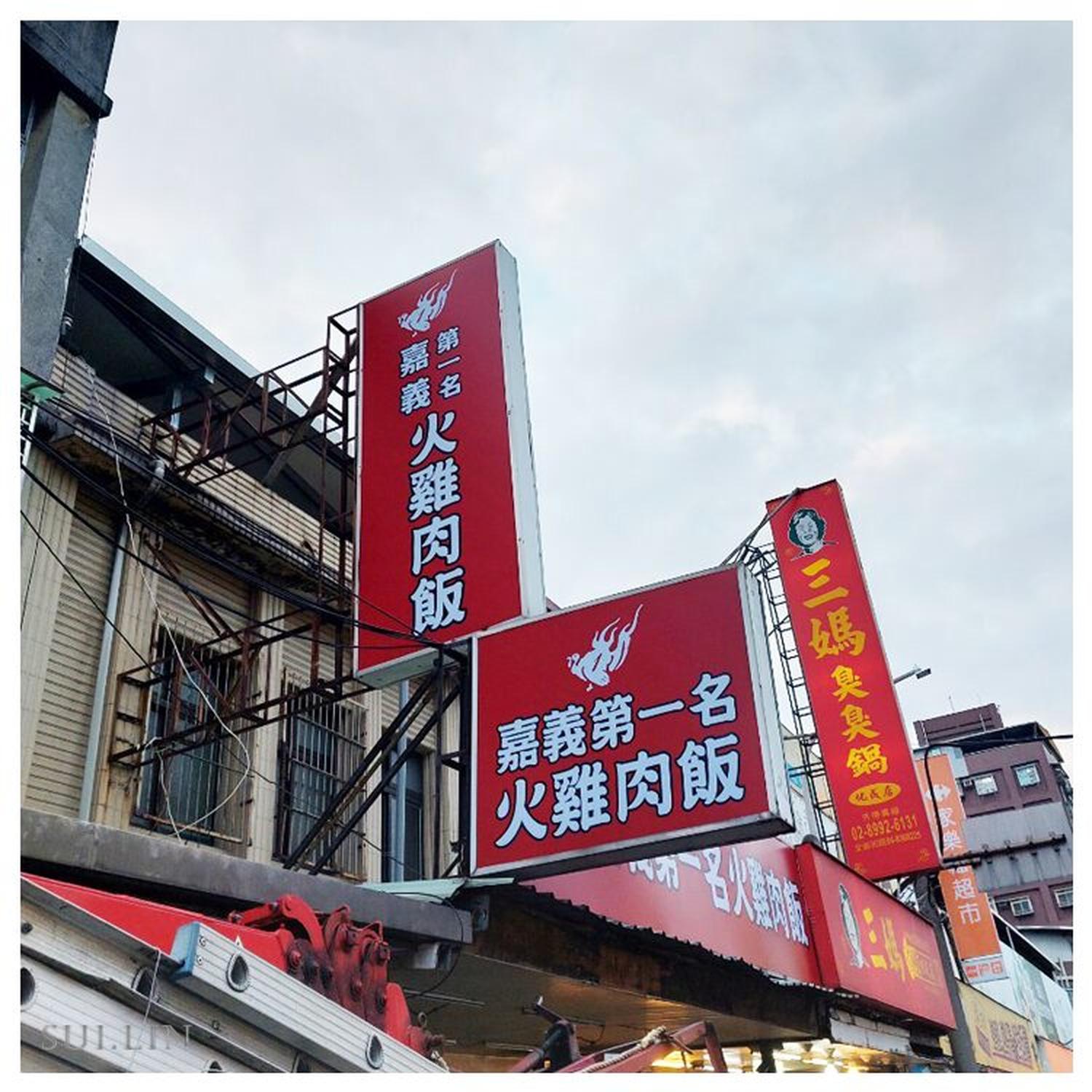
Walking through the streets, one often encounters signs reading Chiayi Turkey Rice.
The colors resemble one another.
The storefronts feel similar.
Yet they are not a single chain.
There is no unified recipe, no central headquarters.
Only a loose gathering of independent shops presenting a “Chiayi style.”
This condition points the diner in a direction, but makes the formation of a strong brand difficult.
No single figure fixes the image.
As a result, this bowl remains softly outlined.
Such arrangements are not unusual in Taiwan.
Shop names drift away from proper nouns and become symbols anyone can use.
A phenomenon sometimes called a ghost chain.
Different operators, different flavors, the same sign.
Still, customers rarely appear confused.
The sign promises not a brand, but a general direction of taste.
Structural Similarities, Slight Distance
Placing the two bowls side by side again.
A small bowl.
White rice.
Meat above it.
Sauce.
Pickled yellow radish or cucumber.
The components are strikingly similar.
The manner of eating is also the same.
Rarely does the bowl stand alone.
A pork rib soup or blanched greens often accompany it.
The table scene barely changes.
The vessels, the condiments, the rhythm of consumption—close to identical.
Yet a difference in presence emerges.
Strength of flavor does not fully explain it.
Nor does the length of history.
If something produces the gap, it may simply be the sharpness of definition.
One binds into an image.
The other allows itself to waver.
Depth Born from Ambiguity
An unclear outline can appear weak from a marketing perspective.
It is harder to turn into a symbol.
But another view is possible.
Each shop offers a different texture of meat.
The fragrance of chicken fat rises with varying intensity.
Fried shallots fall heavier or lighter.
There is space here to search.
Where the pork bowl is often consumed as a recognizable icon, the chicken bowl refuses a single answer.
Its ambiguity seems to create a quiet depth.
Even after the bowl is emptied, nothing resembling a conclusion remains.
Only a small impulse persists—perhaps to try another shop.
That may be enough.