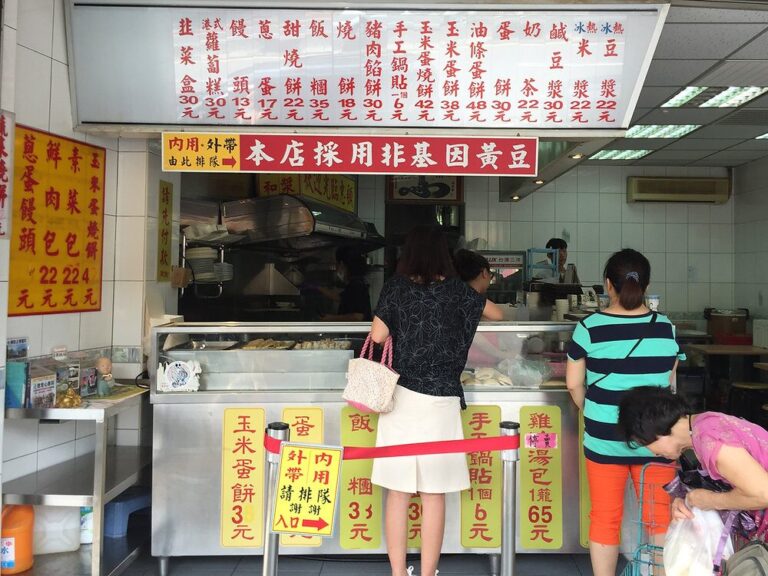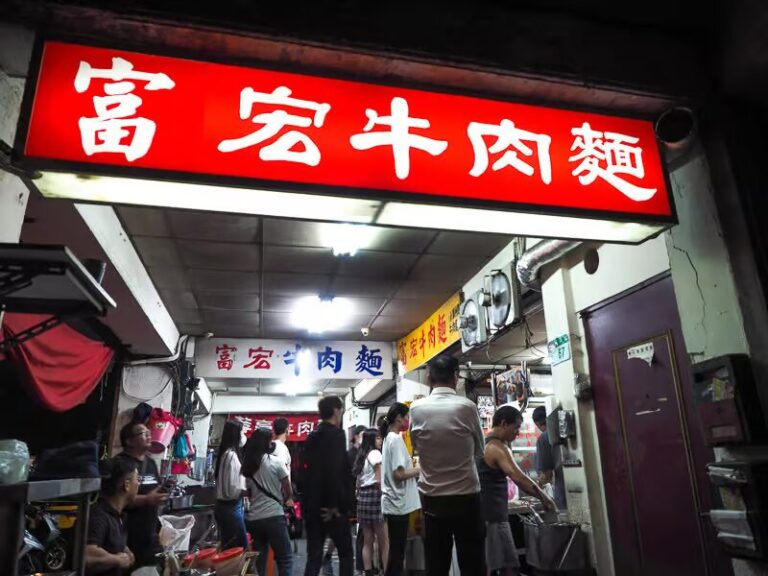
In Taipei, the same red Yonghe Doujiang sign can appear several times within a short walk, while each shop has a different owner and its own version of breakfast. The signs look like a chain’s network, but there is no visible organization holding them together.
Walking through Taipei, I often feel as if I am encountering the same shop again and again.
I turn a corner.
There it is.
A few hundred meters later, another appears.
The red sign of Yonghe Doujiang.
The yellow sign of Wenzhou Wonton.
From a Japanese perspective, one might assume these belong to vast corporate chains.
A national headquarters. Standardized flavors. A unified system.
Yet in many cases, none of this exists.
There is no central office. No shared manual.
Different owners. Different tastes.
Unrelated shops display the same name.
This phenomenon, visible across Taiwan, is often called a ghost chain.
It looks as though an organization without a body has spread across the city.
To understand it, it helps to place several examples side by side.
Five Ghosts That Fill the Streets
There is no single pattern behind this phenomenon.
Still, certain recurring forms can be observed.
Five representative cases come to mind.
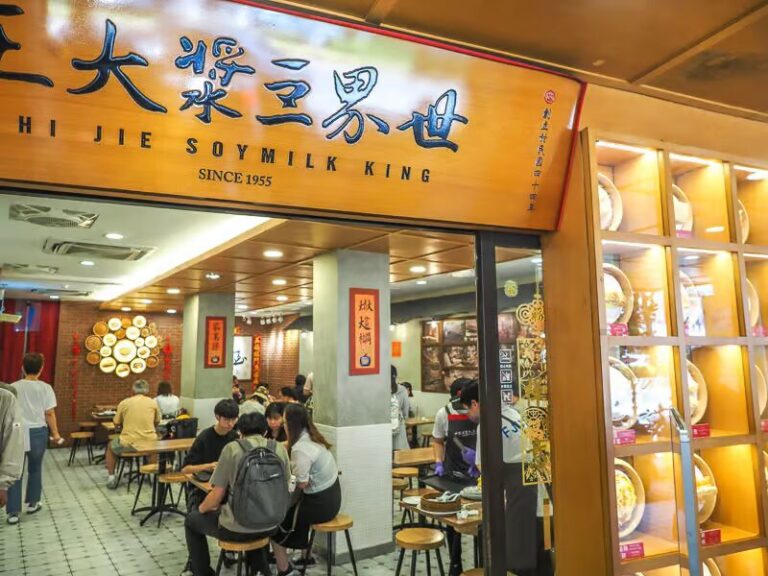
Yonghe Doujiang
It began as a specific shop in a place called Yonghe: Shijie Doujiang Dawang.
Open twenty-four hours.
Soy milk with a faintly scorched aroma.
The style became so widely supported that imitation shops soon appeared.
Before long, the word Yonghe functioned less as a place name and more as a signal:
soy milk is served here, even late at night.
Customers understand what awaits them simply by reading the sign.
The name acquires an explanatory role.

Mei & Mei
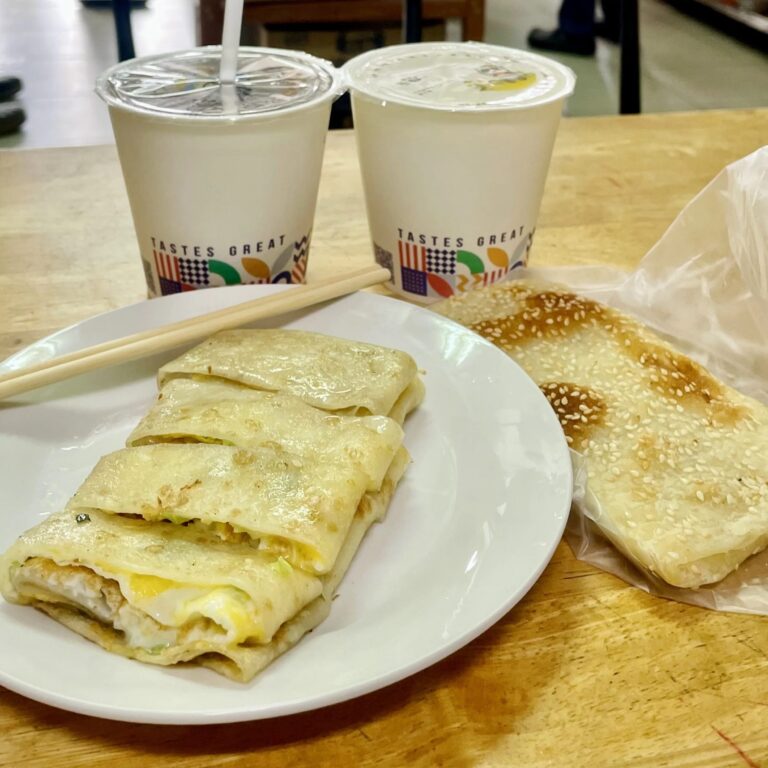
In the 1980s, a shop introduced hamburger breakfasts.
This was Mei & Mei.
Bread and eggs sizzling on a flat griddle created a morning scene that differed slightly from what had come before.
As the format spread, later shops began calling themselves something-Mei & Mei.
Before trademark structures could fully take shape, the name had already entered the streets.
As a result, it is treated both as a proper noun and as a genre name for Western-style breakfast shops.
When a name becomes generalized, boundaries grow indistinct.
Wenzhou Wonton
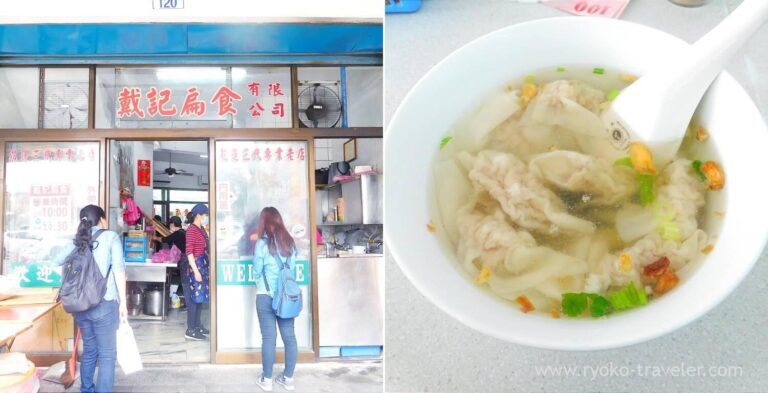
Many signs bearing this name can be seen in Taipei.
Yet it is said that one might not find the same dish in Wenzhou, China.
After the war, a retired soldier from that region opened a shop in Taipei and sold oversized wontons.
He attached the place name to the dish.
The food took form in Taiwan, while the name continued to point toward a distant hometown.
There is a structure here not unlike Napolitan pasta, which is absent from Naples.
People seem to layer memories of place onto flavor.
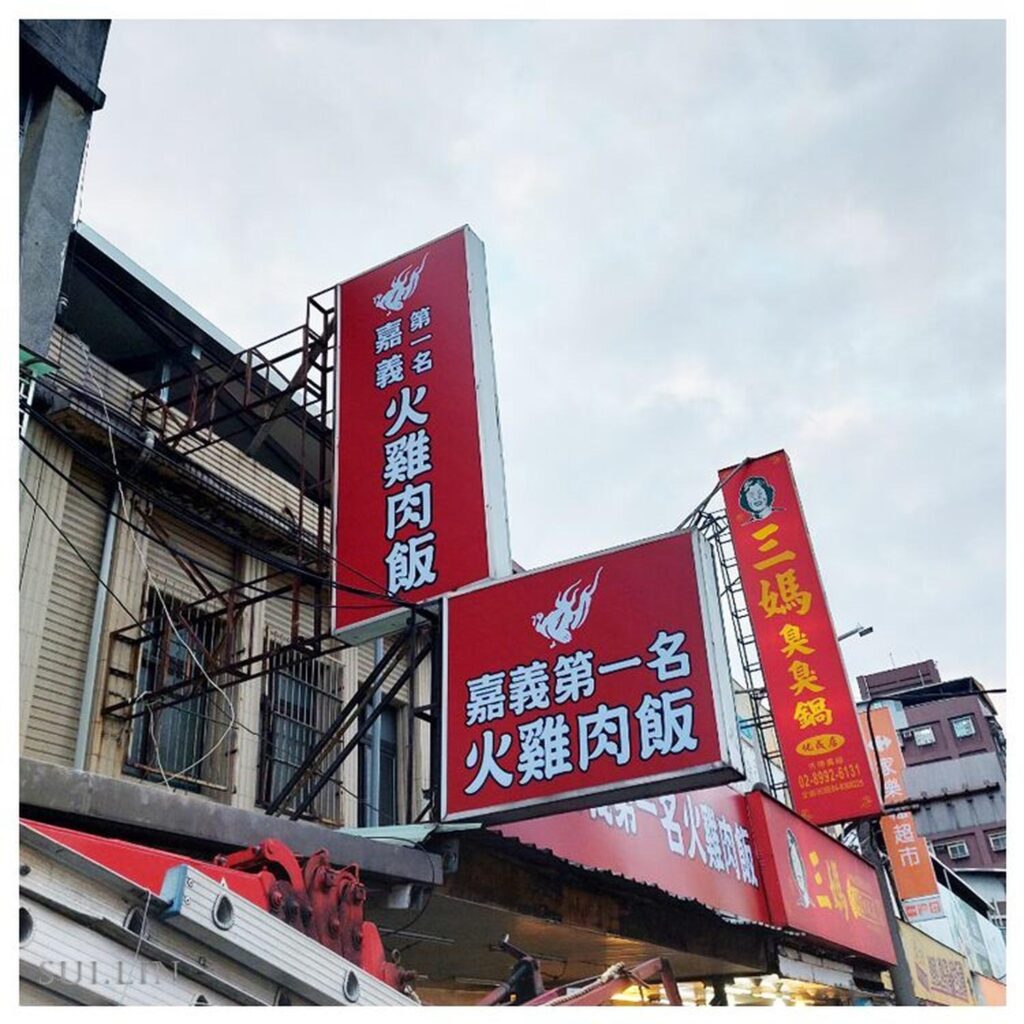
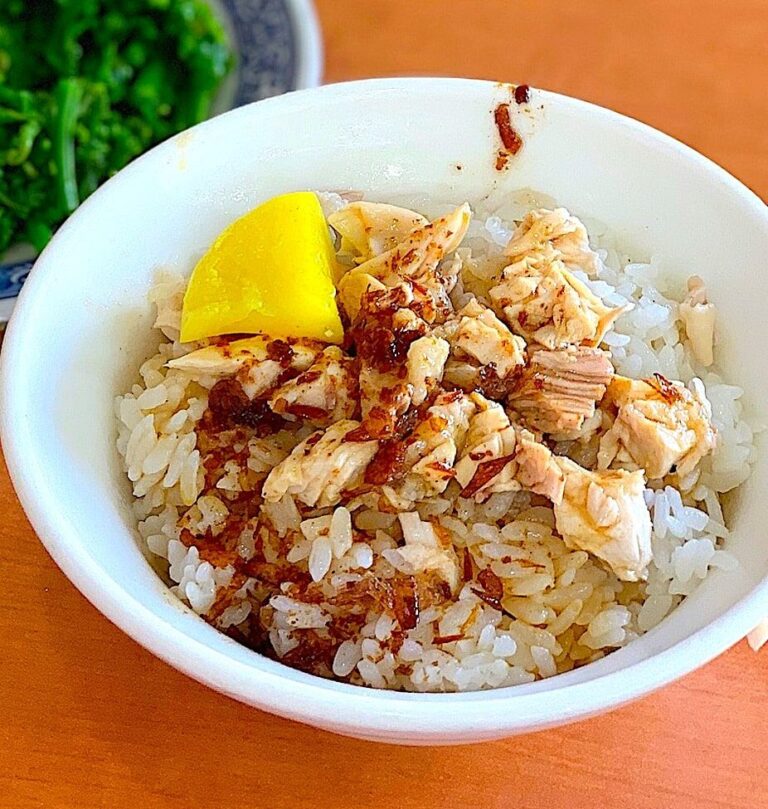
Chiayi Turkey Rice
Seeing this sign in Taipei does not guarantee the presence of a main shop in Chiayi.
Here, Chiayi functions less as a brand than as a description:
turkey is used.
Not ordinary chicken.
That is enough to convey.
For customers, what matters is the ability to imagine the specifications of the dish.
The name operates like a set of instructions.
Du Hsiao Yueh
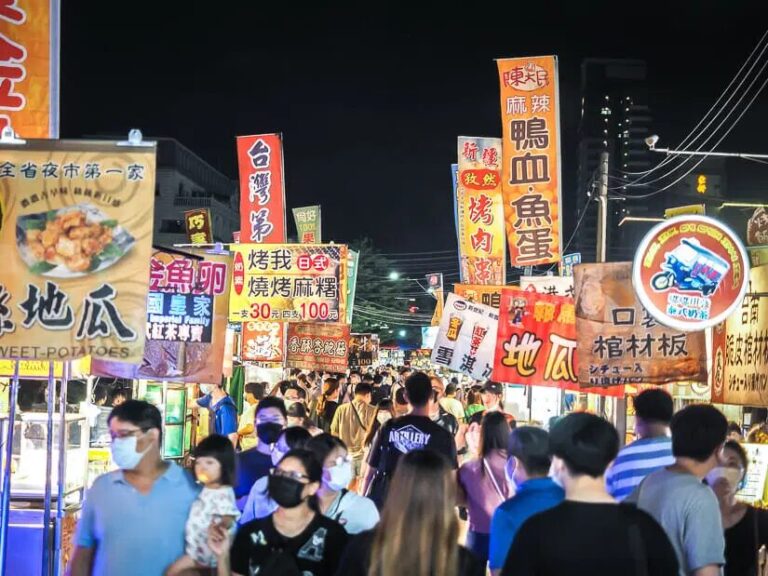
Known as a long-established danzai noodle shop from Tainan.
Low stools.
Red lanterns.
Small bowls of noodles.
The atmosphere itself has been imitated, and shops with similar names have appeared in many places.
Not only flavor but the very setting of the meal is reproduced.
People may be seeking not just the food, but the shape of the time spent there.
Why Imitation Becomes a System
Why does such a situation persist?
In Japan, it might quickly become a trademark dispute.
In Taiwan, however, large conflicts rarely surface.
Several reasons seem to overlap.
First is the structure of the names themselves.
Combinations of place names and dishes are easily understood as descriptive labels.
Because they explain content, they are difficult to monopolize.
The result resembles shared land that anyone may use.
Next is the judgment of the original shops.
Even if rights exist, pursuing countless small establishments would be costly.
Moreover, large companies suing small shops may not be warmly received in a society attentive to human sentiment.
Sometimes, inaction is chosen.
As imitation shops multiply, the name spreads further, and the original site is recognized as a kind of pilgrimage point.
Competition and advertisement proceed at once.
Another influence lies in culinary culture.
One studies under a master.
Upon independence, one adopts a similar name.
It approaches the idea of noren division.
There is also a strong independent streak.
Rather than joining a franchise, one borrows the sign and builds a small castle.
Layer upon layer, this raises the density of the city.
Whether It Is Useful Matters More Than Whether It Is Authentic
There is also the sensibility of those who accept this system.
Is it authentic?
That question is not always the first priority.
Affordable. Tasty. Nearby.
Often, that is sufficient.
Even if told that a Yonghe is not the original, the matter ends if the flavor satisfies.
Practical benefit becomes the measure.
Who owns the shop matters less than whether hunger is answered in that moment.
This low threshold shapes the soil in which ghost chains grow.
Signs Exist for Search
In Taiwan, a sign is not always a brand.
It is often a marker that tells the traveler what can be eaten in an unfamiliar neighborhood.
If a board reads Chiayi Turkey Rice, one imagines turkey over white rice.
If it reads Mei & Mei, the sound of a griddle and the presence of hamburgers come to mind.
Something like a tag.
Regardless of the underlying management, if the direction of flavor does not stray too far, customers leave quietly.
The system appears generous, and at the same time, rational.
Walking through the city, the same names repeat themselves.
Yet behind them are separate human lives.
What looks like a ghost may not be an organization at all,
but a shared understanding.
— Detour —
a little further to walk
- Notes on Yonghe Soy Milk Shops
- Notes on Mei & Mei in Taiwan
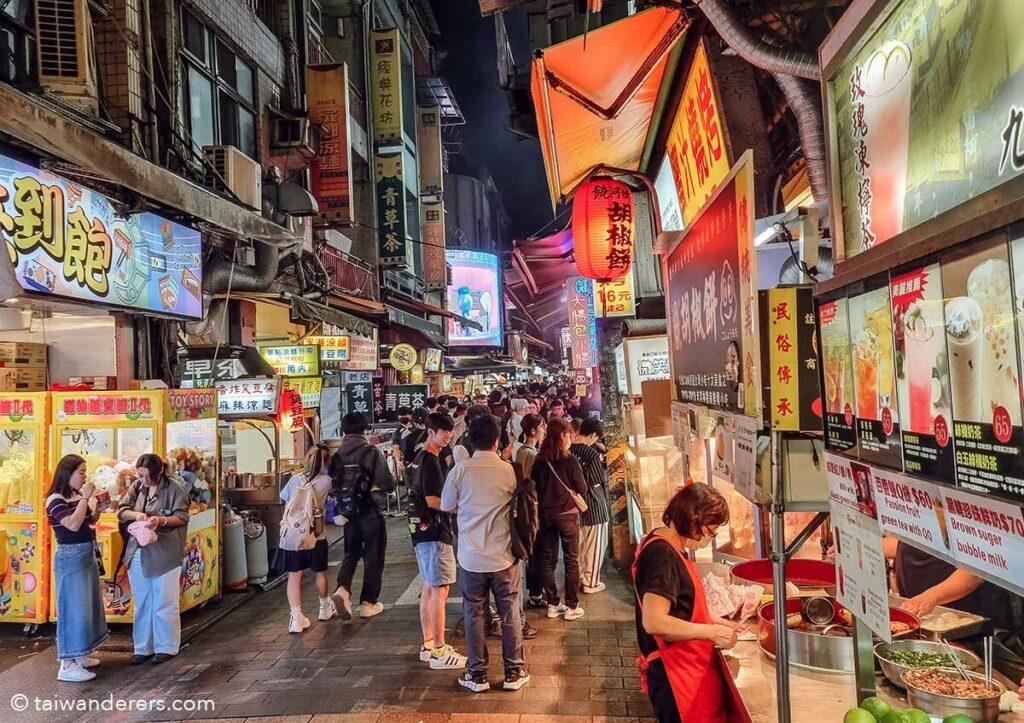
- Notes on Du Xiao Yue in Taiwan’s Night Markets