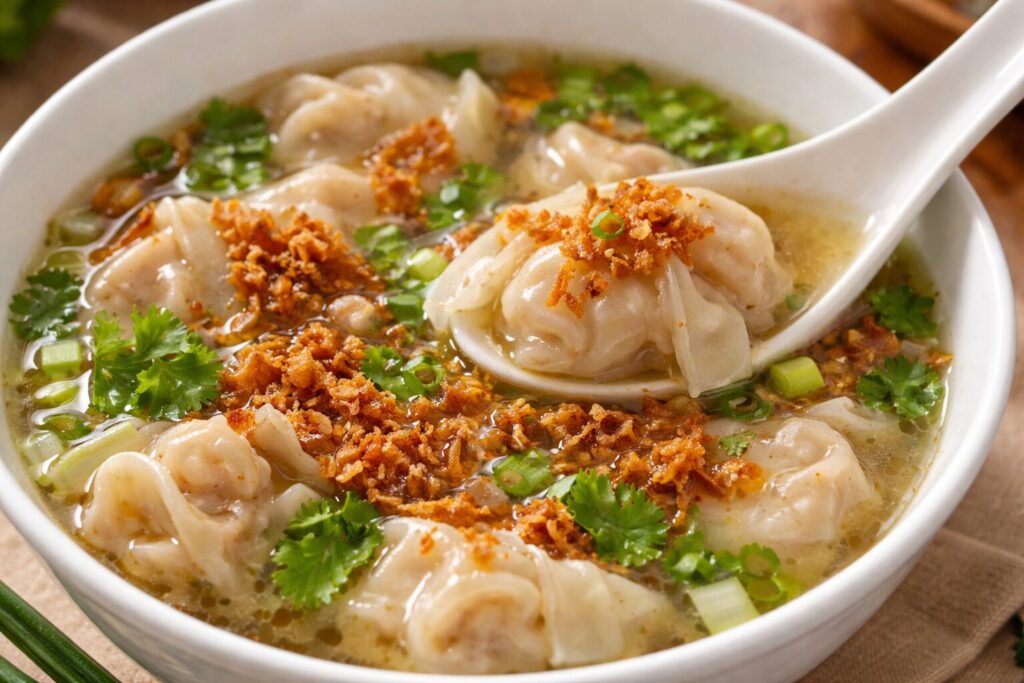
The character that appears first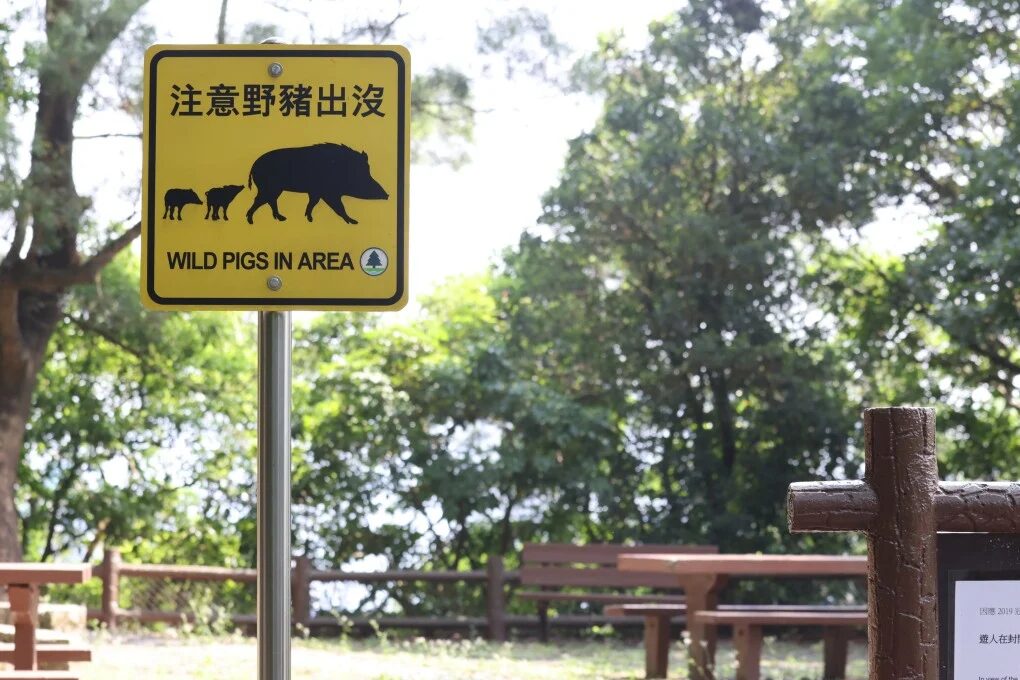
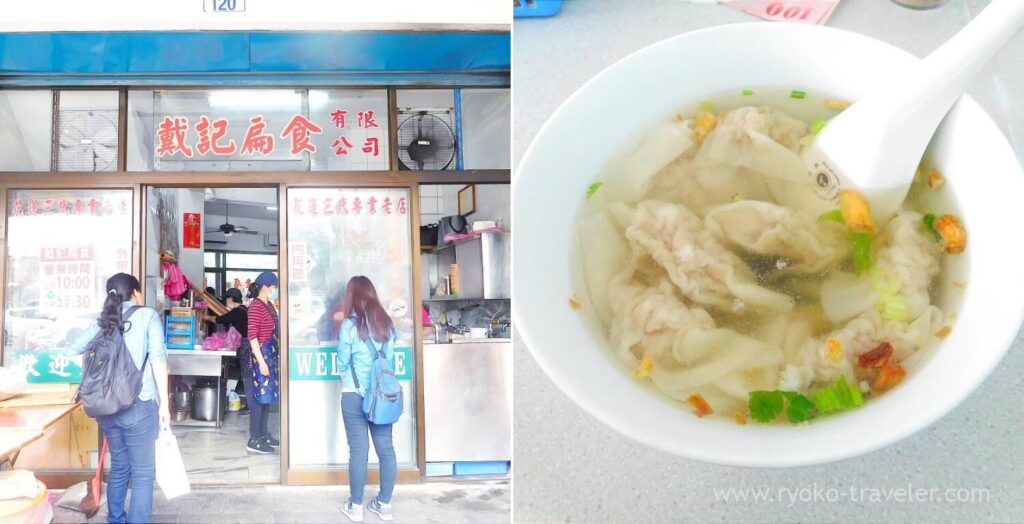
When I enter a small diner in Taiwan, I often notice the same character before anything else.
It is written on paper strips on the wall.
It sits at the edge of laminated menus.
It is taped to the glass in front of the kitchen.
It is the character “猪”.
It means pig.
Zhu-feet. (Pig’s feet.)
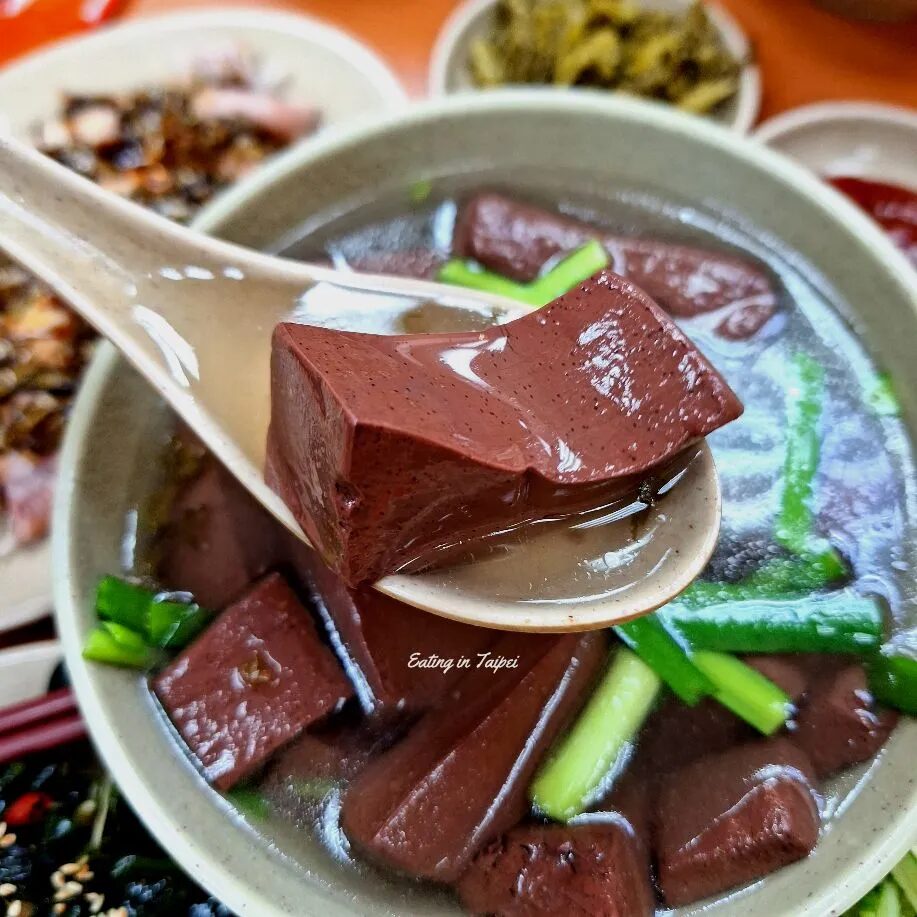
Zhu-blood. (Pig’s blood.)
For a Japanese reader, the word can feel slightly wrong.
It looks like wild boar.
For a moment, I brace myself.
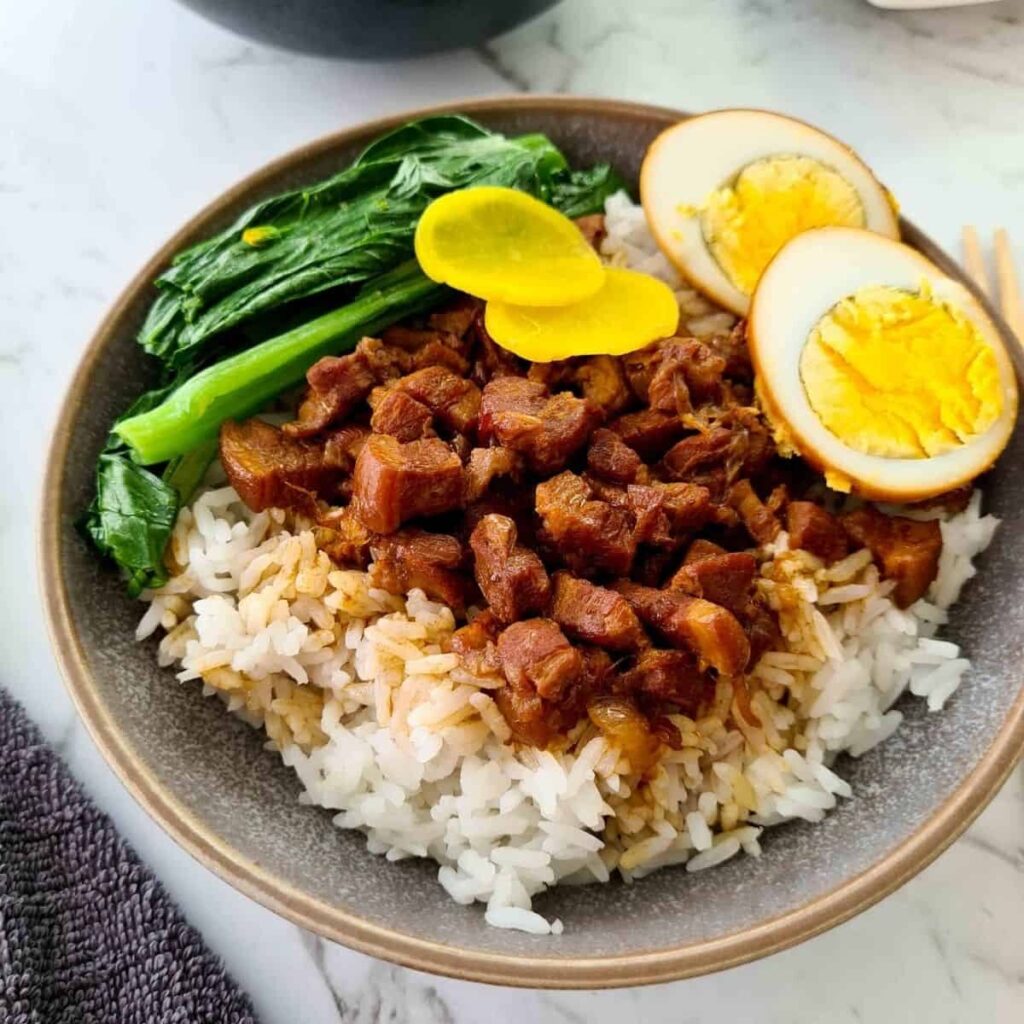
Then a normal piece of pork arrives.
No tusks.
No horns.
Just pale skin and soft fat.
The mismatch begins with writing, not taste.
A small history of a single word
In Chinese, the common word for pig is the one used in these menus.
It points to a domestic animal.
Something kept close to the kitchen.
Japanese took the same character and gave it a different job.
It became the word for wild boar.
For domestic pork, Japanese uses a different character.
One that marks it clearly as meat.
Taiwan is not being unusually wild.
Japanese simply separated the farm animal and the wild animal more strictly, even in writing.
The same symbol ended up carrying two roles.
In a Taiwanese diner, the difference becomes visible.
Where the wild boar actually is
If that word means pig here, what do Taiwanese people call a wild boar.
The answer is direct.
Mountain pig.
It is exactly what it sounds like.
A pig that lives in the mountains.
I do not see it often in the city.
It appears more in Indigenous restaurants, or in stalls closer to the hills.
The meat is darker.
The bite is firmer.
The fat is not clean and white.
If someone is expecting the wild taste suggested by the Japanese word, it is closer to this.
In the city, the pig is still a domestic one.
Only the writing makes it feel otherwise.
Black pigs and the idea of Q
Some menus add another word.
Black pig.
It is treated as a better ingredient.
In Japan, black pork is often praised for sweetness and softness.
In Taiwan, the value seems to lean in a different direction.
Resistance.
A bite that pushes back.
Elasticity that stays in the mouth.
People sometimes describe this with a single letter: Q.
Not too tender.
Not falling apart.
Still requiring chewing.
The word “pig” on the menu keeps a sense of the animal.
Black pork fits that preference.
It feels closer to muscle than to fat.

Pig’s feet that change bad luck
Pig’s feet are not only protein.
In Taiwan they also appear in moments that are not ordinary meals.
There is a dish called pig’s feet with thin wheat noodles, zhujiao mianxian.
It is eaten after a streak of bad luck.
After an accident.
During a leap month on the lunar calendar.
The hoof is said to kick away misfortune.
The long noodles are said to extend life.
People can explain the logic if asked.
But the faces at the table do not look dramatic.
The food is simply placed there, as if it belongs.
The pig shows up at turning points.
It is symbolic, but it is also routine.
Even blood becomes daily food
At night markets, I sometimes see a square block on a stick.
Pig’s blood cake, zhuxue gao.
Some translate it as blood pudding.
Others call it a cake.
Sticky rice is mixed with blood and pressed into a solid shape.
It is coated with cilantro and peanut powder.
Organs and blood are not treated as separate categories.
In markets, the pig’s heart, liver, and intestines are lined up without hesitation.
The idea of “throwaway parts” feels weaker here.
The phrase “everything but the squeal” does not sound like a joke.
In this setting, the word “pig” looks natural.
It points to a living body, not only to meat.
A word that stays animal
Japanese writing for pork carries a clear “meat” mark.
It frames the animal as food.
The Taiwanese word keeps the animal side of the character.
It does not fully let go of the living body.
When I see pork hanging in a market, it can still look warm.
As if it remembers its own temperature.
The word seems to hold onto the time before it became meat.
So each time I see “pig” on a Taiwanese menu, my mind briefly runs to the mountains.
It expects a wild animal.
But what arrives is the pig next door.
The one raised close to people.
That small distance stays with me after the meal.