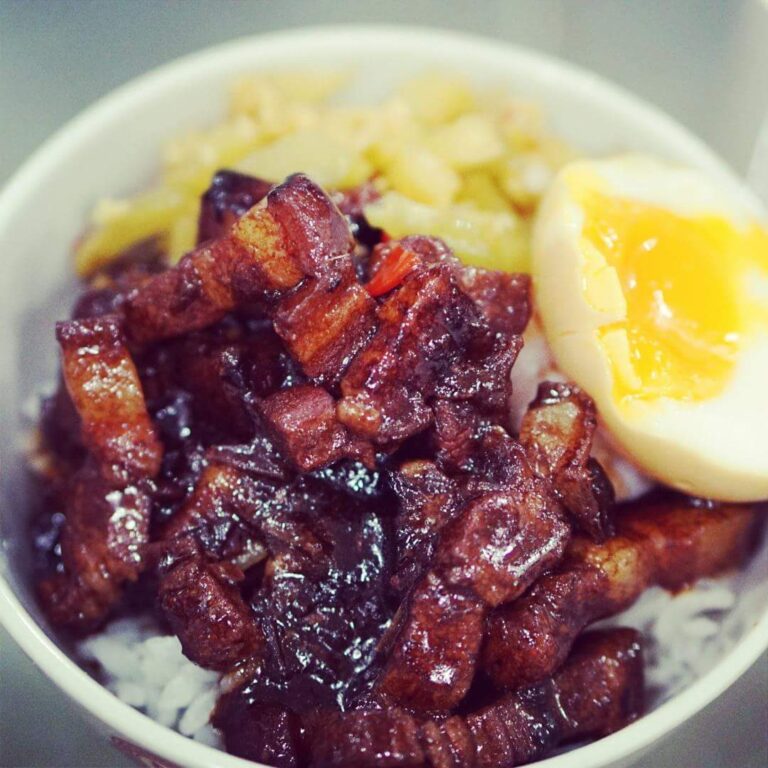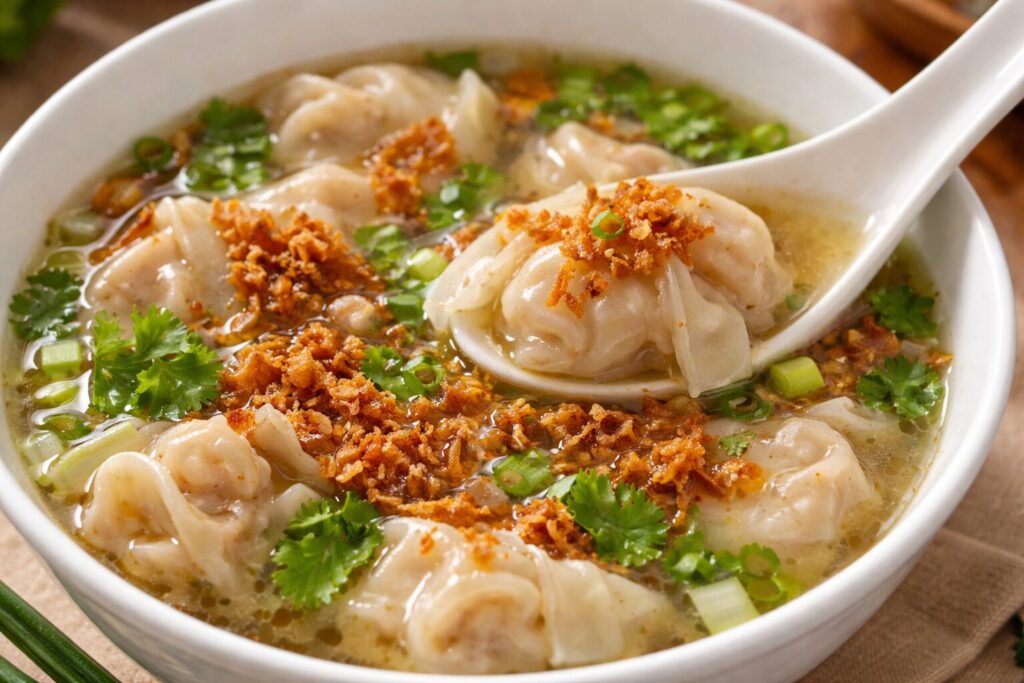
At a Taiwanese eatery, a bowl may arrive with only a few brown crumbs scattered over its surface. They can vanish into braising sauce, soften in clear soup, or stay crisp on rice and greens, while the smell of shallot oil reaches the table first.
In some Taiwanese eateries, a faint smell of sweet browning drifts through the room.
It is not meat.
It is not soy sauce.
It is lighter than both.
Drier, too.
On the edge of a bowl, small brown crumbs are scattered.
This is fried shallots, youcong su.
It is rarely treated as a main character.
But the outline of a dish can shift depending on whether it is there.
In Taiwan, the base of flavor often begins with the smell of fried onion.
What these brown crumbs are
The method is not complicated.
Shallots are chopped, then fried in oil.
Moisture is driven out.
The fragrance is moved into the fat.
And the crumbs are kept as crumbs.
The ingredients are plain.
The aroma is not.
Sweetness and char sit together.
It enters meat and vegetables without changing its shape.
Many Taiwanese dishes do not rely on a single dominant seasoning.
They build layers of smell.
Fried shallots often sit at the lowest layer.
A short fight with lard and heat
The steps are simple, but the result is ruled by temperature.
Too low, and the shallots absorb oil and become heavy.
The fragrance stays dull.
A wet sweetness remains.
Too high, and the color turns too fast.
Bitterness appears.
The fried shallots seen in Taiwan often aim for a quick brown at around 150 to 160°C.
They stay dry.
They stay light.
They remain as crumbs you can pinch with your fingers.
It feels less like frying than stopping.
The moment the heat is cut decides the direction of the smell.
The same shallot, a different fate
Shallots exist in French cooking too.
But the use is different.
In France, they often meet butter.
They soften into sauces.
The aroma is shaped and refined.
In Taiwan, they meet lard.
They are fried into crumbs and dropped directly onto rice or noodles.
There is a moment where fragrance is not adjusted, but pushed through.
Humidity, storage, street stalls, heat.
Once a single ingredient touches these conditions, it becomes something else.
Three faces of fried shallots
Fried shallots change their role depending on the dish.
The same brown crumbs work in different ways.
They can be divided into three types.
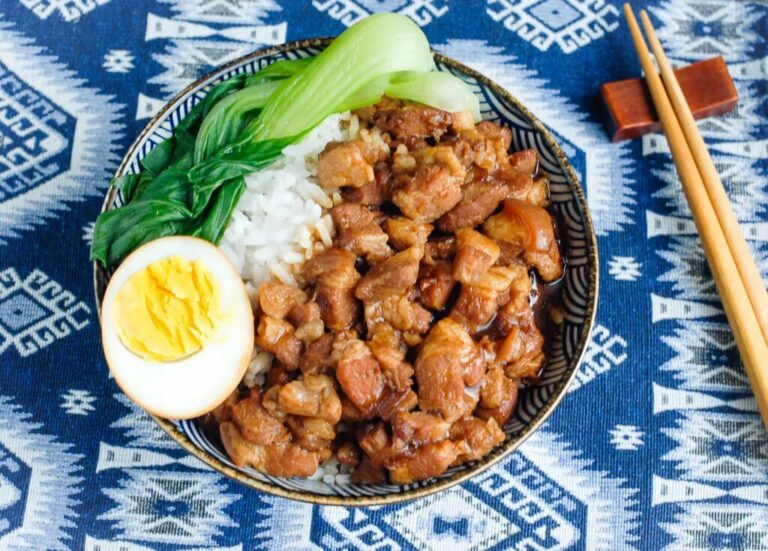
Melting: lu rou fan
In a bowl of lu rou fan, fried shallots are often invisible.
But they are there.
Inside the long-simmered braising sauce, the crumbs lose their shape.
Only the aroma remains.
The onion disappears.
A layer of sweet browning and fat stays behind.
The sweetness of lu rou fan is not explained by sugar alone.
It is not only the depth of soy sauce.
A dry fragrance mixes in.
The bottom of the bowl becomes thicker.
Sometimes it feels like that thickness is partly made by what has melted away.

Floating: the soup’s small triangle
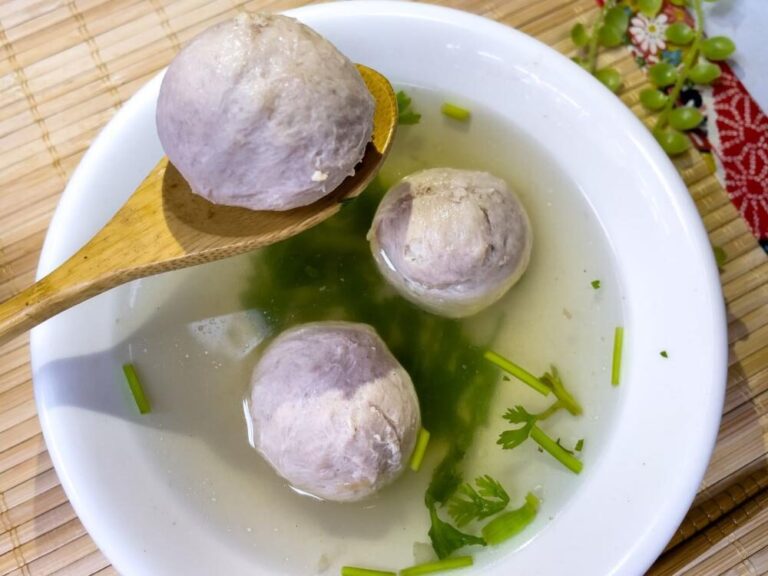
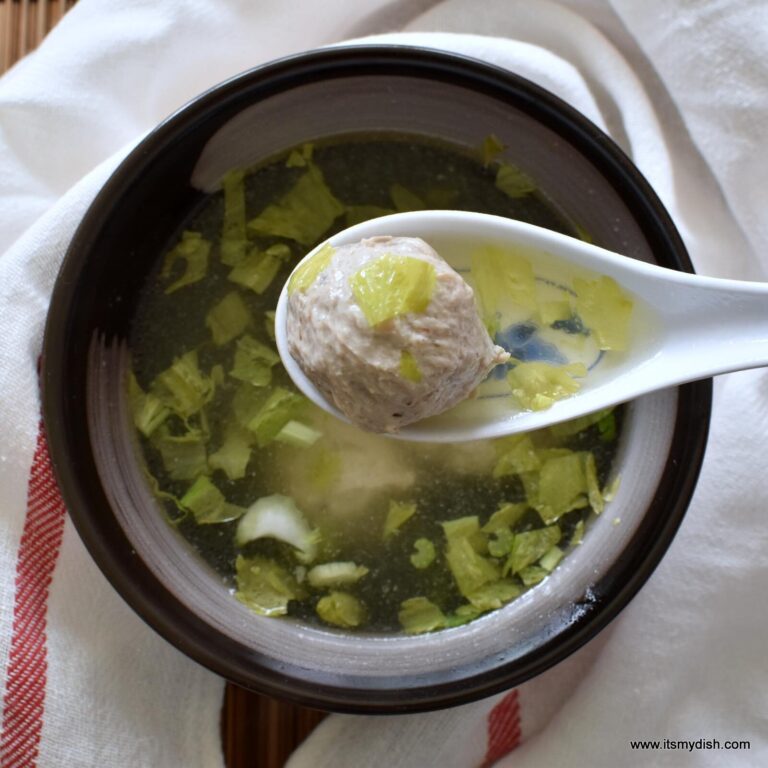
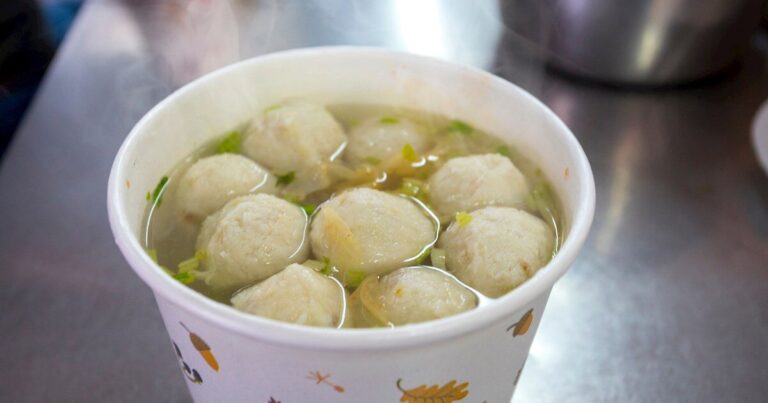
In Taiwanese soups, especially gongwan tang or fish ball soup, the final taste often comes less from the stock itself than from what is added at the end.
There is a combination that seems quietly protected.
Fried shallots for richness and aroma.
White pepper for sharpness.
Chinese celery for crunch and a clean edge.
When these three appear together, plain broth becomes Taiwanese soup.
Gongwan tang is usually light.
That is why fried shallots matter.
A thin film of fat spreads across the surface.
The soup gains weight.
After biting into a springy meatball, you drink.
Softened fried shallots slip into your mouth.
The contrast matters.
Elastic meat, collapsing crumbs.
It feels like half the pleasure comes from that difference.
Hsinchu is known for its meatballs.
At stalls, an auntie often finishes by flicking fried shallots in with a ladle.
It is not decoration.
It is the last step.
A small gesture that seems to place a soul into clear soup.
Sitting on top: chicken rice and boiled greens
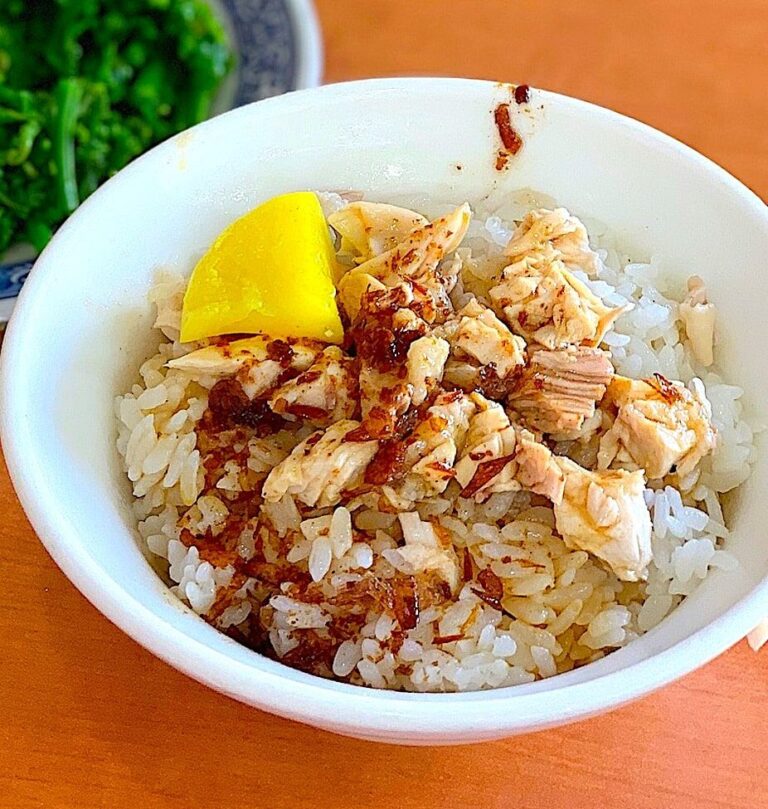
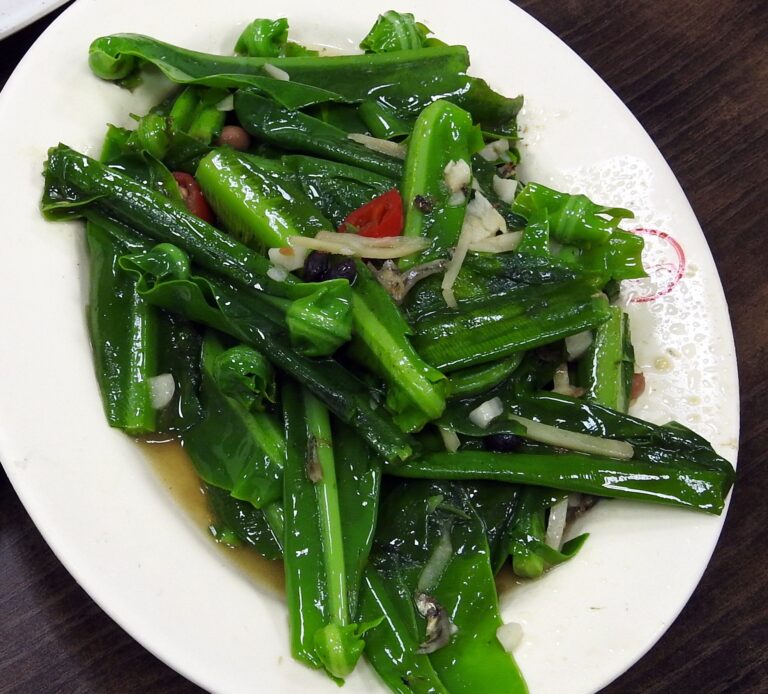
In chicken rice, and in boiled greens served plain, fried shallots often arrive at the end.
Here, the crumbs do not disappear.
They stay crisp.
Then the sweet smell of shallot oil follows.
Moist chicken.
Soft greens.
Dry crumbs on top.
It is not only a change in taste.
The eating speed changes.
Fried shallots can be a tool for rhythm.
Hakka cooking and the idea of oil
When talking about fried shallots, Hakka food often comes to mind.
In Taiwan, Hakka cooking is frequently described through oil.
Eating rice with few side dishes.
Working with dense flavors.
Using ingredients that keep well.
A practical way of living becomes a shape of food.
The smell of fried shallots is not luxury.
It feels closer to endurance.
A scent meant to keep the body moving.
The thick nostalgia of Taiwanese small eats may not be separate from that background.
A switch called guzaowei
In Taiwan there is a word, guzaowei.
It points to an older style of taste.
The smell of fried shallots often comes with that word.
Older diners use it more heavily than newer shops.
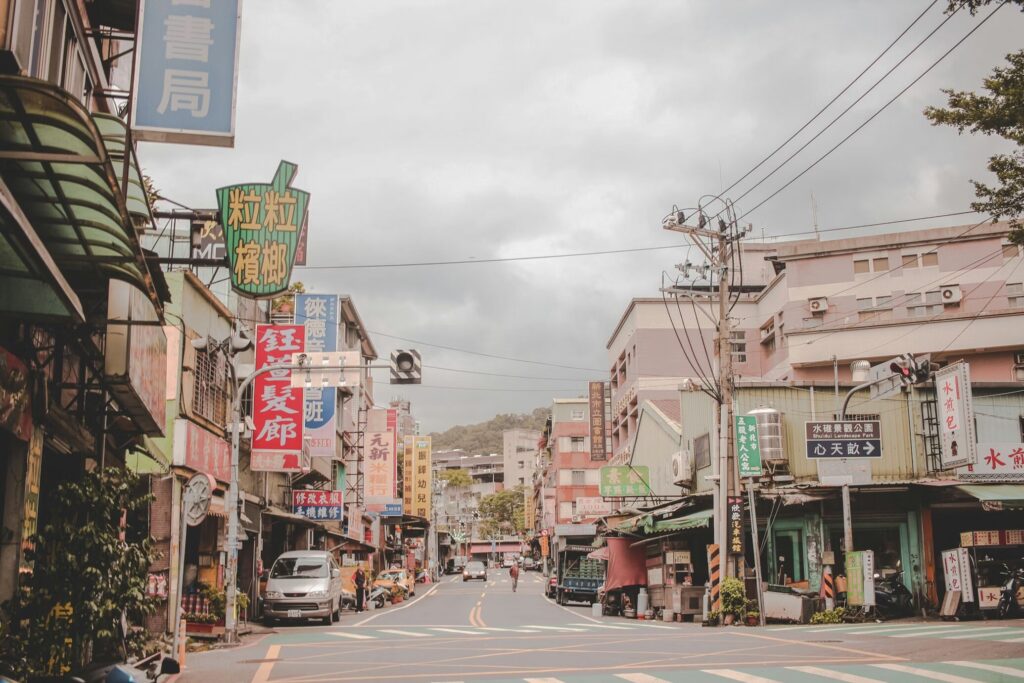
Residential streets more than tourist zones.
It is less about taste than about smell.
When the sweet browning of fried onion appears, the air shifts slightly toward the past.
Fried shallots may be a component of cooking.
They may also be a switch for memory.
Industrialized, but still hand-made
Today, you can buy fried shallots in bags at supermarkets.
Tainan and Chiayi appear often as origins.
For home kitchens, it is convenient.
Still, the scene remains.
In front of stalls and diners, a small pot is still working.
The smell of fresh frying is hard to seal into plastic.
Even if the crumbs look the same, the aroma rises differently.
Something travels with the heat.
Somewhere in Taiwan, someone is still chopping shallots, dropping them into oil, and watching for the moment the color changes.
As long as that smell keeps drifting out, Taiwanese food stays Taiwanese.
— Detour —
a little further to walk
- Notes on Four Invisible Pillars of Taiwanese Flavor
- Notes on Dry Noodles in Taiwan
- Notes on Blanched Greens in Taiwan