An Island Shaped Like a Root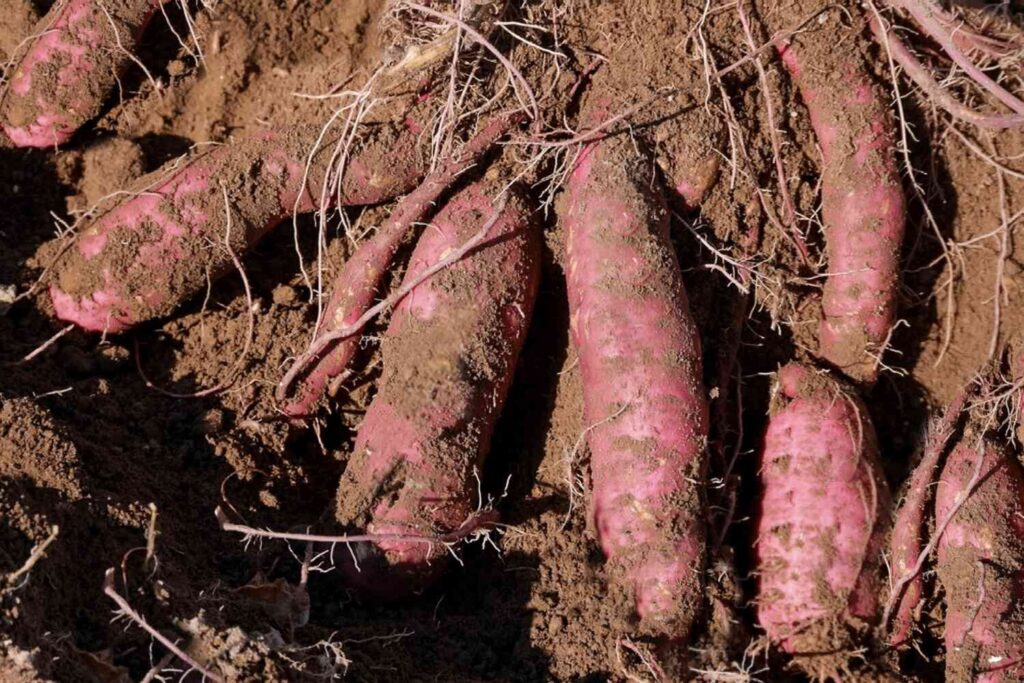
Sweet potato, known locally as digua, is often used to describe the shape of Taiwan itself.
When I unfold a map of the island, I see what people mean.
Long from north to south.
Slightly curved.
This comparison is not a joke.
It sits close to common sense.
There is even a phrase, taro and sweet potato,
used to describe ordinary people.
Not refined, but reliable.
Able to grow and to fill the stomach.
As rice in Japan carries more than the meaning of a staple,
this root carries more than the meaning of a crop here.
It holds the memory of hunger and disaster,
stored quietly underground.
Among Typhoons and Thin Soil
The root reached Taiwan in the seventeenth century,
during or before Dutch rule.
It came from the Americas,
across the Pacific.
It stayed because it was strong.
Rice needs water and clear skies.
Typhoons damage it easily.
This plant grows in poor soil.
When the wind breaks the surface,
it waits below.
For a long time, rice was something to sell or to pay as tax.
This was something to eat.
There is a saying that when rice cries, this root smiles.
When prices rise, people turn to it.
That logic still lies under the island’s food.
Power That Stays Invisible
When eating in Taiwan,
people often do not notice they are eating this plant.
Sweet potato starch enters quietly.
It leaves no flavor.
Only texture.
The island’s core ideas of chewiness and crispness
come from this powder.
The root steps away from the plate
and returns as resistance between the teeth.

A Powder at Work
That starch appears in familiar dishes.
The brittle crust on fried chicken at the night market.
The thick batter of oyster omelets.
The elastic skin of meat dumplings.
All of them hold their shape
because this root became powder.
It is not wheat.
It is not rice.
Here, it acts less like a vegetable
and more like an industrial material
that keeps food together.
A Root That Plays and a Leaf That Works
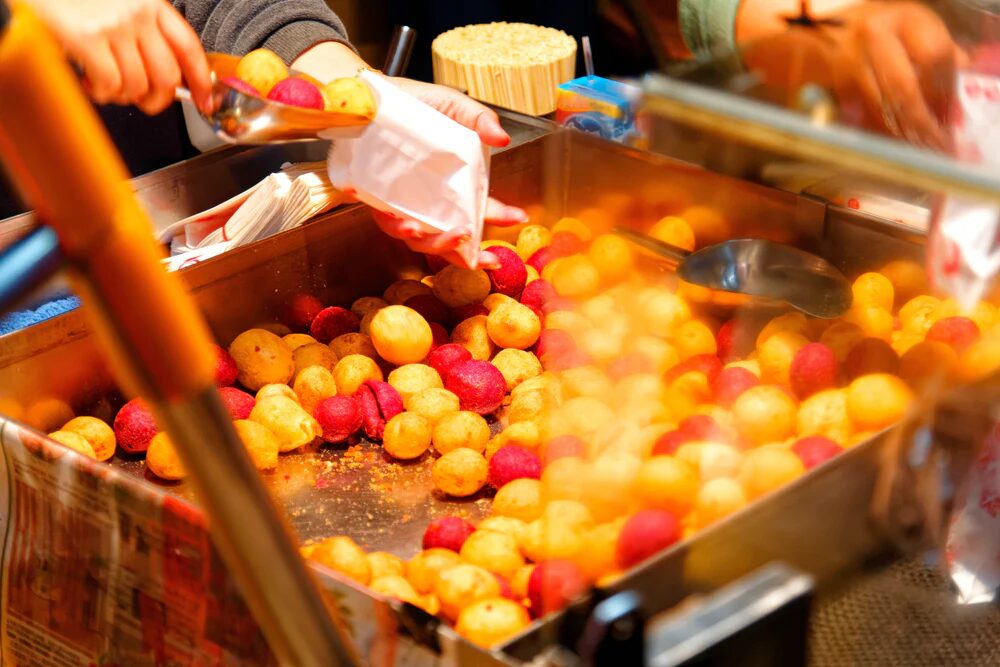
Sweet potato balls, sold in long lines at night markets,
are made by frying this root into hollow spheres.
They are light and elastic.
A former survival food now offers pleasure.
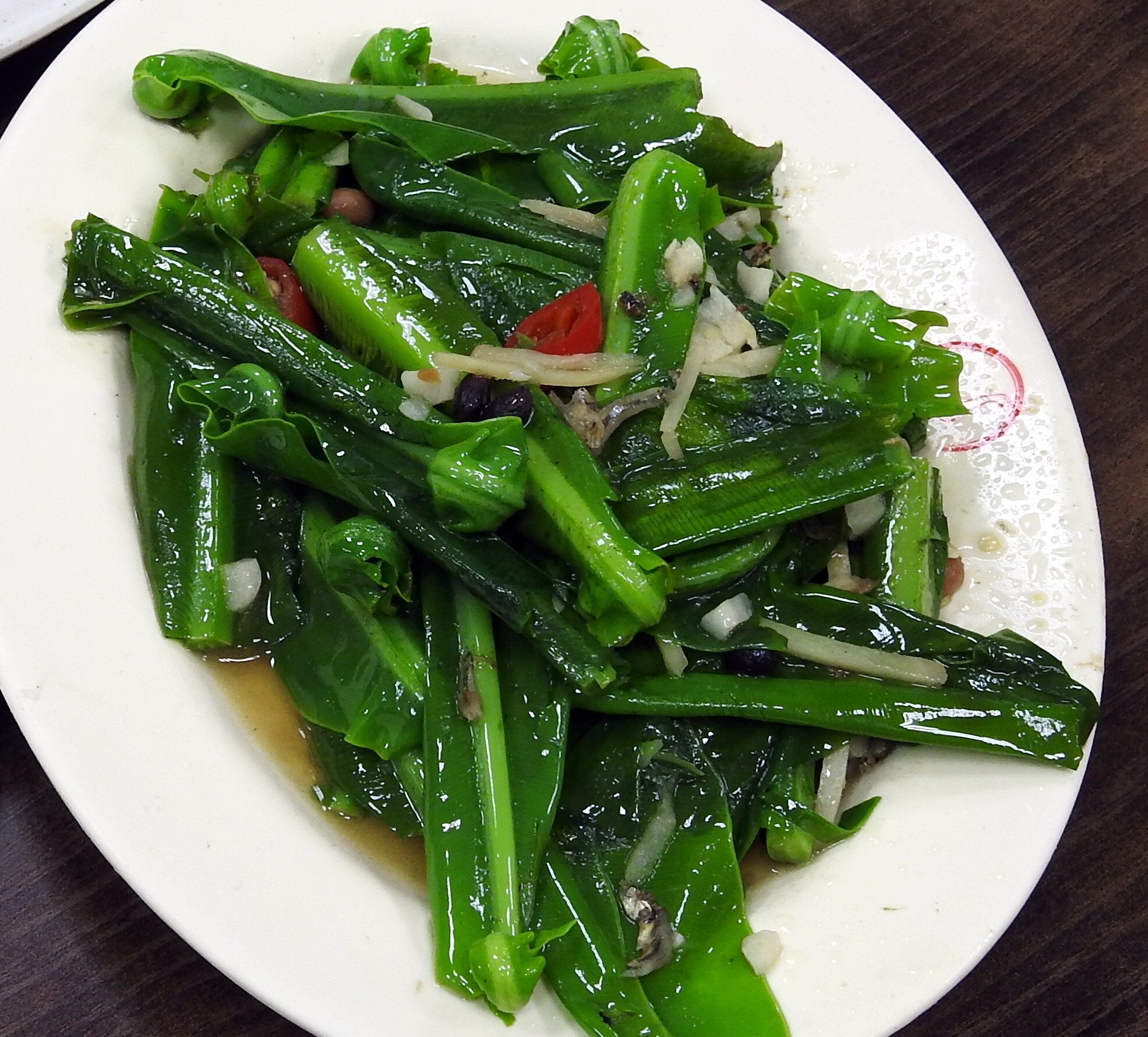
The leaves tell a different story.
Once fed to pigs,
they now appear as blanched greens,
a symbol of health.
Root, stem, and leaf are all used.
That habit reflects the island’s practical memory.
Underground in the Convenience Store
In Taiwanese convenience stores,
a roasted sweet potato machine stands by the register.
Inside are different varieties.
Some yellow and dry.
Some orange and soft.
Each carries its own sugar and scent.
Millions are sold each year.
Office workers and students take them as breakfast.
What was once a poor person’s food
now sits as a quick, healthy choice.
It continues to support the island,
changing form but not role.

What It Means to Take Root
As powder.
As leaves.
As fried balls.
As roasted roots.
This plant appears everywhere.
People compare themselves to it
not only because the map looks similar.
It survives by changing shape.
That memory overlaps with the island itself.